 Adhorika Khan
Somewhere between “absolutely not” and “holy grail,” there’s an honest answer about putting snail secretion on your face — and it’s worth finding, because half a billion K-beauty bottles can’t all be wrong or right. Snail mucin is a genuinely good hydrator and skin-soother with a unique bouncy texture and modest-but-real evidence for supporting skin repair. It is not a retinol replacement, not a miracle, and not for everyone — but as a hydration-and-glow layer, it has earned its cult honestly.
Here’s the complete honest guide: what mucin actually contains, what it does and doesn’t do, how the snails are treated (a fair question), how to layer it, and who should skip it entirely.
Key Takeaways
- Snail mucin is a hydrating, soothing multi-ingredient cocktail — glycoproteins, glycolic acid traces, hyaluronic-like sugars, zinc, and peptides.
- The proven wins: hydration, glow, and calming — the “glass skin” bounce is real and immediate.
- The repair/anti-aging evidence is early and modest — promising small studies, nothing rivaling retinoids.
- Layer it like a hydrating essence: after cleansing/toning, before moisturizer — it plays nicely with almost everything.
- Skip it if: you have mollusk/shellfish allergy concerns, fungal-acne-prone skin (it can feed Malassezia for some), or ethical objections — all three are legitimate.
What Is Snail Mucin, Exactly?
Snail mucin (listed as snail secretion filtrate) is the filtered, purified version of the trail-and-repair fluid garden snails produce — the substance that lets them glide over rough surfaces and heal their own tissue. Cosmetic-grade mucin comes overwhelmingly from farmed Cornu aspersum (the common brown garden snail), collected, filtered, and stabilized into essences, serums, and creams — most famously at 92–96% concentrations in the Korean products that made it famous.
Chemically it’s not one ingredient but a cocktail: glycoproteins (the repair-signaling stars), hyaluronic-acid-like polysaccharides (humectants), trace glycolic acid (far too little to exfoliate — think conditioning, not peeling), allantoin (a classic soother), zinc, and small peptides. That composite nature is why it behaves like a gentle all-rounder rather than a targeted active.
The Fair Question: How Are the Snails Treated?
Modern collection methods matter to a lot of readers, so honestly: reputable producers use stress-minimizing methods — snails wander over mesh or specialized surfaces in dark, quiet rooms, secreting as they go, and are returned to their enclosures; no snails are harmed in mainstream cosmetic production (it’s in the producers’ interest — stressed snails produce worse mucin). That said, it is an animal-derived ingredient: not vegan by definition, and the industry’s welfare standards vary and rely substantially on self-reporting. If that sits wrong with you, skipping it is a perfectly good decision — the synthetic-and-plant hydration aisle is excellent these days, and no skin goal requires a snail.
What Snail Mucin Actually Does (The Evidence Tour)
Hydration and the “Glass Skin” Glow: Confirmed
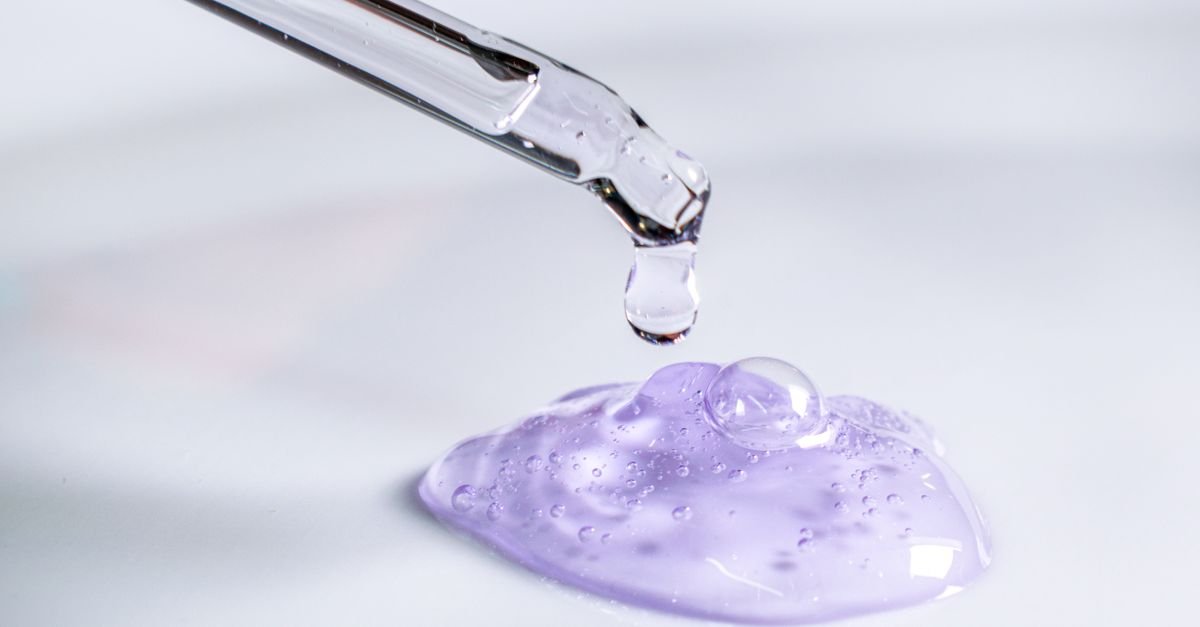
The polysaccharide content makes mucin a legitimate humectant layer — skin drinks it, plumps slightly, and takes on the dewy, light-bouncing finish K-beauty built an aesthetic on. This effect is immediate, visible, and the core reason to buy the bottle. The texture — bouncy, slightly tacky, uniquely “slimy-then-silky” — is genuinely functional: it holds water against the skin like a light mask.
Soothing and Redness: Well-Supported
Allantoin plus zinc plus the general hydration payload calm reactive, freshly-exfoliated, and post-retinoid skin — mucin’s quiet second job as a barrier-support layer, in the same spirit as our barrier repair guide.
Repair, Marks, and Anti-Aging: Promising but Modest
Small studies suggest mucin components support wound-adjacent repair and may modestly improve fine lines and texture with months of use — consistent with its glycoprotein signaling. Honest framing: the studies are small, often industry-adjacent, and the effect sizes are supporting-cast level. Nothing in a snail bottle competes with retinoids for collagen or with azelaic acid for marks. Mucin assists; actives treat.
Acne: Indirect Help Only
Mucin doesn’t kill acne bacteria or clear clogs — but well-hydrated, calm skin tolerates real acne treatments better, and that indirect support is worth something. One honest caveat lives in the “who should skip” section below.
Essence, Serum, or Cream: Which Format?
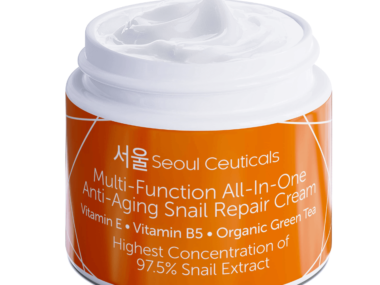
The 96% essence is the classic: maximum mucin, minimal else, that signature bounce — the right entry point for most people. Serums blend mucin with other actives (niacinamide pairings are common and sensible — see our niacinamide guide); good for consolidating steps. Creams suit drier skin wanting mucin’s benefits inside a proper moisturizer. Sheet masks and eye products are pleasant, lower-dose ways to visit without commitment.
Buying notes: look for snail secretion filtrate high on the INCI list (first ingredient in the classic essences), fragrance-free versions if you’re reactive, and be aware the category’s success has bred dupes of wildly varying mucin content — the suspiciously cheap “96%” may be 96% marketing.
How to Layer Snail Mucin in Your Routine
Mucin slots in as a hydrating essence: cleanse → (toner) → snail mucin → treatment serums → moisturizer → SPF (morning). Pat it into slightly damp skin with palms — the tackiness fades as it sets — and give it thirty seconds before the next layer. The full sequencing logic is in our layering guide.
Compatibility is one of mucin’s virtues: it coexists happily with retinoids (lovely as a buffer layer, actually), vitamin C, niacinamide, exfoliating acids, and azelaic — there are no meaningful conflicts on the chart. Morning, night, or both; no adjustment period; results on the hydration front from day one, and any texture/mark support on the months timeline. It also makes an excellent slip layer under gua sha if oils aren’t your thing.
Who Should Skip Snail Mucin?
Three legitimate exit doors. Allergy caution: people with dust-mite or shellfish/mollusk allergies have reported cross-reactions — patch-test behind the ear for three days, and skip entirely if you have known mollusk allergy. The fungal-acne-prone: mucin’s rich polysaccharide-peptide soup can feed Malassezia for some people — if your breakouts match the profile in our fungal acne guide (uniform, itchy, treatment-resistant), mucin belongs on your suspects list, not your shelf. Ethical/vegan choice: covered above — valid, and easily accommodated: a hyaluronic serum plus panthenol plus a good moisturizer replicates most of the experience.
Also skip-able: anyone whose routine already hydrates well and who feels no glow-gap — mucin is an enhancement layer, and un-needed layers are just spending.
Snail Mucin vs the Hydration Alternatives
vs Hyaluronic acid serum: HA is the purer humectant (see our HA guide); mucin adds the soothing-repair cocktail and that distinctive cushiony finish. Many routines happily run both. vs Niacinamide: different jobs — niacinamide regulates (oil, tone, barrier lipids); mucin cushions and calms. vs Plain good moisturizer: the honest baseline — if your budget covers one thing, the moisturizer wins; mucin is the layer you add for glow and comfort once basics are handled. vs the “glass skin” routine entire: mucin is one brick in that aesthetic — the rest is hydration layering, gentle exfoliation, and — no way around it — daily SPF.

The Realistic Expectations Timeline
Tonight: plumper, dewier finish; makeup sits better tomorrow. Two weeks: calmer baseline if your skin runs reactive; the bounce becomes your normal. Two months: possible modest texture and post-blemish improvements — photograph to know rather than feel. Never: erased wrinkles, faded melasma, treated acne — wrong tool, and any bottle promising it is writing checks the snail can’t cash. Judge mucin as what it is — a comfort-and-glow layer with a support role in repair — and it over-delivers; judge it as a treatment and it disappoints on schedule.
Snail Mucin in Its Natural Habitat: The K-Beauty Context
Mucin makes most sense inside the philosophy that produced it. Korean routines treat hydration as a layered build — the “7-skin method” (multiple thin toner layers) being the famous extreme — rather than one thick cream, and mucin essences are engineered exactly for that: light enough to layer, tacky enough to hold the next layer, bouncy enough to compound the glow. Western routines can borrow the useful core without the full ceremony: one mucin layer patted onto damp skin, one moisturizer sealed over it delivers most of the glass-skin hydration math in two steps. Pair it with the gentle-cleansing and SPF pillars of our Korean skincare guide and you have the honest 80% of the aesthetic — no ten-step commitment, no snail maximalism required.
Texture Troubleshooting: Pilling, Tack, and Layering Fixes
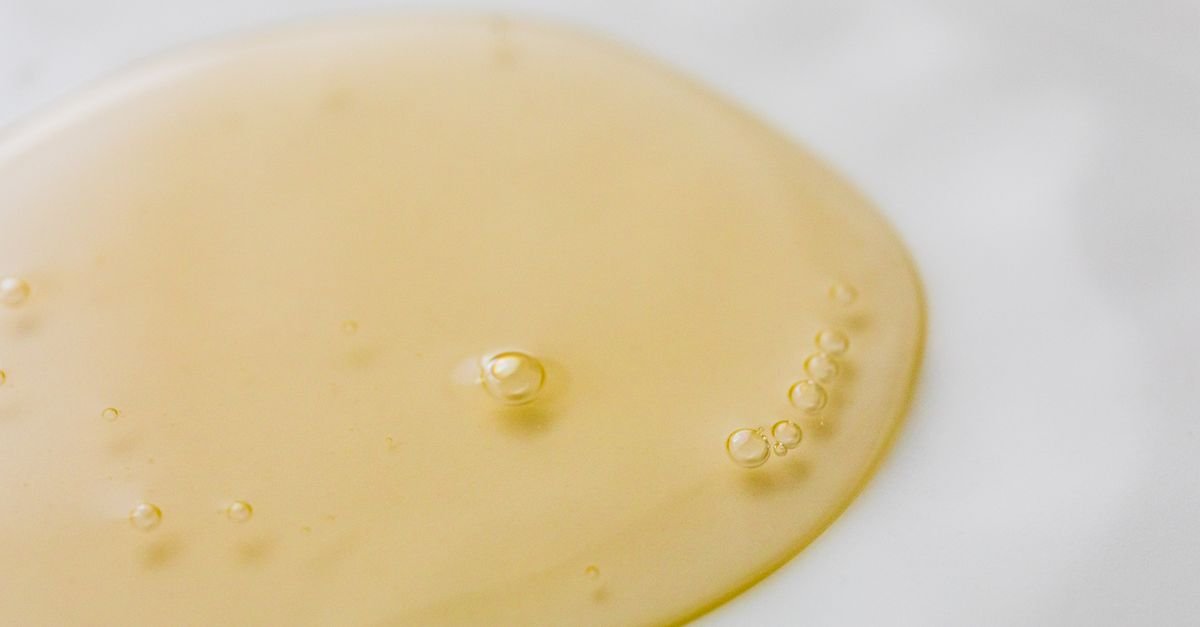
Mucin’s texture is its signature and its support ticket. Pilling under makeup or SPF: you’ve used too much or layered too fast — halve the amount (a dime covers the face), pat rather than rub, and give it a full minute to set before the next layer. Lingering tackiness: normal for the format; it should fade as it sets — persistent stickiness again means over-application. The “strings” when dispensing: completely normal (that’s the mucin polymer structure — it’s the texture doing its job); dispense onto fingertips, not directly onto the face. Layering order confusion: mucin is a watery essence — it goes early (post-cleanse, pre-serum); over a cream it just sits on top accomplishing nothing. Smell concerns: quality filtrate is nearly scentless; a strong odor suggests a degraded or dubious bottle — retire it.
Your First Bottle: The Two-Week Trial
The sensible on-ramp: buy one classic high-filtrate essence (nothing else new that fortnight), patch-test behind the ear for three nights, then run it nightly between cleansing and moisturizer for two weeks. Judge three things: morning skin comfort, how makeup sits, and whether any congestion appears along the jaw and hairline. Clear wins on the first two with none of the third — mucin has earned a permanent slot. Store the bottle capped and away from heat; the filtrate is stable but not immortal, and a working nose remains the freshness test.
The Bottom Line
Snail mucin survived the trend cycle because underneath the ick-factor marketing hook sits a genuinely pleasant, genuinely functional hydrator with a texture nothing else quite matches. Buy the honest version (real filtrate, real packaging), layer it where an essence belongs, patch-test if allergies are in your history — and let it do its actual job: comfortable, glowing, resilient skin, one bouncy layer at a time. The actives still run the treatment department; the snail runs the comfort department, and runs it well.
The short honest list:
The short honest list:
Frequently Asked Questions
What does snail mucin do for your skin?
It hydrates, soothes, and adds a dewy glow — thanks to a natural cocktail of humectant sugars, allantoin, zinc, and glycoproteins. It also modestly supports skin repair, though it’s a supporting player rather than a treatment.
Is snail mucin cruelty-free?
Mainstream production collects mucin without harming snails — they roam over mesh in calm, dark environments and are returned to their enclosures. It is, however, animal-derived (not vegan), and welfare standards vary by producer.
Can snail mucin cause breakouts?
For most people, no — it’s non-comedogenic in typical formulas. The exception: fungal-acne-prone skin, where mucin’s nutrient-rich composition can feed Malassezia. Uniform itchy bumps that worsen with rich products are the warning profile.
How do I use snail mucin in my routine?
As a hydrating essence: after cleansing, before treatment serums and moisturizer — patted into slightly damp skin. It layers peacefully with retinoids, vitamin C, niacinamide, and acids, morning or night.
Is snail mucin better than hyaluronic acid?
Different, not better: hyaluronic acid is the purer water-magnet, while mucin adds soothing and repair-support components plus its signature cushiony texture. Many routines use both without conflict.
Does snail mucin help acne scars?
Modestly at best — small studies suggest gentle support for post-blemish healing over months. For real mark-fading, azelaic acid, retinoids, vitamin C, and daily sunscreen remain the proven team.
Who should not use snail mucin?
Anyone with mollusk or shellfish allergies (cross-reactions are reported — patch-test at minimum), fungal-acne-prone skin, and anyone who prefers vegan skincare. All three have excellent alternatives.
Can I use snail mucin with retinol or vitamin C?
Yes to both — mucin has no meaningful conflicts and actually makes a soothing buffer layer on retinoid nights. Apply mucin first (it’s the watery layer), let it set a minute, then continue.
Can I use snail mucin every day?
Twice daily is fine — it’s a hydrating essence, not an active needing rest days. Results on hydration show immediately; give texture and mark support a couple of months before judging.
Why is my snail mucin stringy?
That’s the natural polymer structure of real mucin — the strings are a sign of the genuine texture, not spoilage. A strong odor or color change, however, means the bottle has degraded.
Is 96% snail mucin better than lower percentages?
Higher filtrate content generally means more of the signature texture and benefits, but formulation quality matters as much as the number — a well-made 70% serum beats a dubious “96%” dupe of unverifiable content.

 Adhorika Khan