 Adhorika Khan
Sunscreen is the single most important step in any skincare routine — it protects against the UV rays that cause most visible aging, dark spots, and skin cancer. The short version: wear a broad-spectrum SPF 30 or higher every day, apply enough (about two finger-lengths for your face and neck), and reapply every two hours when you’re outdoors. This complete guide explains SPF, the types, how to choose the right one for your skin, how to apply it properly, and the myths to ignore.
If you do nothing else for your skin, wear sunscreen. Dermatologists agree that daily sun protection prevents more visible aging than any cream or serum — and far more importantly, it lowers your risk of skin cancer. Yet most people use it wrong, skip it on cloudy days, or apply far too little. Here’s everything you need to get it right.
Why Sunscreen Matters So Much
The sun’s ultraviolet (UV) radiation is the leading cause of premature skin aging and a major risk factor for skin cancer. UV exposure breaks down collagen and elastin, triggers dark spots and uneven tone, and causes fine lines, wrinkles, and sagging over time — what experts call “photoaging.” The reassuring part is that this damage is largely preventable. Daily sunscreen is the closest thing we have to an anti-aging product that genuinely works, and its protection against skin cancer makes it a health essential, not just a beauty one. No serum can undo what consistent sun protection prevents in the first place.
What Does SPF Actually Mean?
SPF stands for “Sun Protection Factor,” and the number tells you how well a sunscreen protects against UVB rays (the ones that cause sunburn). Roughly speaking, SPF 30 filters about 97% of UVB rays and SPF 50 about 98% — no sunscreen blocks 100%. The number is not about how long you can stay out; it’s about the level of filtering, and it only holds up if you apply enough and reapply. For daily use, SPF 30 is the sensible minimum, with SPF 50 better for extended time outdoors.
Broad Spectrum: UVA vs. UVB
There are two types of UV rays you need protection from. UVB rays cause sunburn and are linked to skin cancer. UVA rays penetrate deeper, driving aging, wrinkles, and pigmentation (and they pass through clouds and windows). SPF only measures UVB protection — so you must choose a sunscreen labelled “broad spectrum,” which means it protects against both. On some products you’ll also see a PA rating (PA+ to PA++++), which indicates the level of UVA protection. Always pick broad spectrum; it’s non-negotiable.
Chemical vs. Mineral Sunscreen
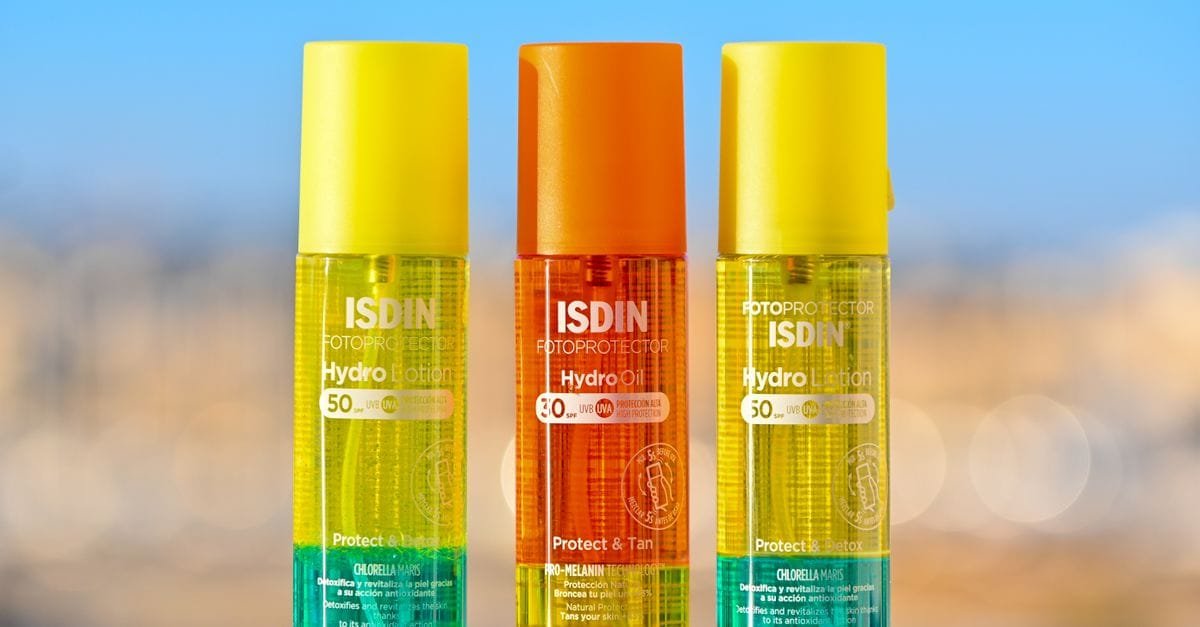
Sunscreens come in two main types, and both work well — the best one is the one you’ll actually wear every day.
- Mineral (physical) sunscreen uses zinc oxide and/or titanium dioxide to physically block and scatter UV. It’s gentle, great for sensitive and acne-prone skin, and works immediately — but can leave a white cast on deeper skin tones. A good mineral sunscreen is ideal for reactive skin.
- Chemical sunscreen absorbs UV and converts it to heat. It’s lightweight, blends invisibly (no white cast), and sits well under makeup, but can sometimes irritate very sensitive skin. A modern lightweight chemical sunscreen feels almost weightless.
Neither is “better” overall — choose based on your skin and preference.

How Much Sunscreen to Apply (and How Often)
Under-applying is the most common mistake, and it dramatically reduces protection. For your face and neck, use about two finger-lengths of product (the “two-finger rule”); for your whole body, roughly a shot-glass amount. Apply it as the last step of your morning skincare, before makeup, and let it absorb for a few minutes. Crucially, reapply every two hours when you’re outdoors, and after swimming or sweating. A single morning application does not last all day — reapplication is what keeps you protected.
How to Choose Sunscreen for Your Skin Type
The right formula makes daily use effortless:
- Oily/acne-prone skin: choose oil-free, non-comedogenic, gel or fluid textures, often labelled “matte.” See our picks for the best sunscreen for acne-prone skin.
- Dry skin: look for hydrating, cream-based sunscreens with ingredients like hyaluronic acid or glycerin.
- Sensitive skin: mineral formulas with zinc oxide and minimal fragrance are usually best.
- Combination skin: a lightweight broad-spectrum fluid suits most.
For more options, browse our guides to the best sunscreens for your face and the best sunscreen picks.
Sunscreen for Deeper Skin Tones
A common frustration for people with medium-to-deep skin tones is the chalky white cast that some (especially mineral) sunscreens leave behind. The solutions: choose modern chemical or “invisible” hybrid formulas, or a tinted sunscreen that blends with your complexion. Everyone needs sunscreen regardless of skin tone — deeper skin can still suffer UV damage, hyperpigmentation, and skin cancer. A well-formulated tinted sunscreen solves the white-cast problem beautifully.
Sunscreen Under Makeup
Sunscreen always goes on before makeup, as the final skincare step. Let it absorb for a few minutes so makeup applies smoothly. For reapplication over makeup during the day, a powder or spray SPF is practical and won’t disturb your look. Many tinted sunscreens and SPF-containing foundations help too, though foundation alone rarely provides enough coverage — use a dedicated sunscreen underneath. See our guide to the best natural sunscreen under makeup for makeup-friendly options.

Common Sunscreen Myths
Several myths cause people to skip protection they need:
- “I don’t need it on cloudy days.” Up to 80% of UV rays pass through clouds — wear it daily.
- “I’m indoors, so I’m fine.” UVA rays pass through windows; if you’re near them, protect your skin.
- “Dark skin doesn’t need sunscreen.” All skin tones are damaged by UV and can develop skin cancer.
- “A high SPF lasts all day.” No sunscreen does — reapplication is essential.
- “Makeup with SPF is enough.” You’d need far more than people apply; use real sunscreen underneath.
Common Application Mistakes
Even people who wear sunscreen often undermine it. The biggest mistakes are applying too little, forgetting to reapply, and missing spots — ears, neck, hairline, hands, and the tops of feet. People also skip sunscreen in winter or on overcast days, store it in a hot car (which degrades it), and use expired product. Apply generously, cover every exposed area, reapply through the day, and replace sunscreen once it’s past its expiry. Done properly, sunscreen is remarkably effective.
Sunscreen Is the Best Anti-Aging Step
If you care about keeping skin youthful, sunscreen beats every serum and cream on the market. Since UV exposure causes the majority of visible aging — lines, wrinkles, sagging, and dark spots — preventing that damage daily does more than any “anti-aging” product trying to reverse it later. Think of sunscreen as the foundation your entire anti-aging routine is built on; without it, the expensive actives you layer on are fighting a losing battle. It pairs perfectly with ingredients like vitamin C in the morning for added protection and glow.
Face vs. Body Sunscreen
Facial sunscreens are usually formulated to be lighter, non-greasy, and non-comedogenic so they sit well under makeup and won’t clog pores. Body sunscreens are often thicker, more water-resistant, and sold in larger, more affordable sizes. You can use a face sunscreen on your body, but using a heavier body formula on your face may cause breakouts. For daily life, keep a dedicated face sunscreen; for beach or sport days, add a water-resistant body SPF and a water-resistant body sunscreen.
The Science of UV Damage
Understanding what UV actually does makes it much easier to take sun protection seriously. Ultraviolet radiation damages the DNA in your skin cells; while your body repairs much of this, repeated exposure overwhelms that system and damage accumulates over years. UVA rays reach the deeper dermis, breaking down the collagen and elastin that keep skin firm and smooth — which is why sun exposure causes wrinkles and sagging. UVB rays damage the surface, causing burns and playing a major role in skin cancer. Both can trigger excess melanin, leading to dark spots and uneven tone. The damage is cumulative and largely invisible until it shows up years later, which is exactly why daily, lifelong protection matters so much.
Sunscreen Ingredients to Know
Scanning an ingredient label is easier once you know the key filters. Zinc oxide and titanium dioxide are the mineral filters — gentle, broad-spectrum, and good for sensitive skin. Among chemical filters, avobenzone provides UVA protection, while ingredients like octinoxate and octisalate handle UVB; newer-generation filters (common in Korean and European sunscreens) offer elegant textures and strong, stable protection. You may also see skin-loving extras like niacinamide, hyaluronic acid, or antioxidants. You don’t need to memorize them all — just look for “broad spectrum,” an SPF of 30+, and a texture you enjoy.
Water-Resistant Sunscreen Explained
No sunscreen is fully “waterproof” — the proper term is water-resistant, and labels must state how long that lasts (typically 40 or 80 minutes). Water-resistant formulas are made to cling better during swimming or heavy sweating, which makes them essential for the beach, pool, and sport. The catch: you still must reapply after toweling off and at the stated interval. For everyday office life you don’t need water resistance, but for any active or outdoor day it’s well worth choosing a water-resistant formula and reapplying diligently.
Sunscreen for Babies and Children
Children’s skin is delicate and especially vulnerable to UV damage, and early sunburns raise lifetime skin-cancer risk. For babies under six months, shade and protective clothing are recommended over sunscreen; for older babies and children, use a gentle mineral (zinc-based) broad-spectrum SPF 30+ formulated for kids, and reapply often. Combine sunscreen with hats, UV-protective clothing, and shade during peak hours. Building sun-safe habits early protects your children’s skin for life — and teaches a routine they’ll carry into adulthood.
Protection Beyond Sunscreen
Sunscreen is essential, but it works best as part of a bigger sun-safe approach. Seek shade during peak UV hours (roughly 10am–4pm), wear a wide-brimmed hat and UV-blocking sunglasses, and consider UPF-rated clothing for long days outside. These physical barriers don’t wear off or need reapplying, making them a reliable complement to sunscreen — especially for the beach, hiking, or gardening. Think of sun protection as layers: sunscreen plus shade plus clothing gives far better defense than any one of them alone.
Sunscreen Through the Seasons
UV exposure isn’t just a summer concern. UVA rays — the aging ones — stay fairly constant year-round and penetrate clouds and glass, so daily sunscreen matters in winter too. Snow and water reflect UV and can intensify exposure, and high altitudes increase it. The simple rule: wear sunscreen every day, all year, adjusting only the amount and water resistance for how much time you’ll spend outdoors. Treating sunscreen as a daily habit rather than a seasonal one is what truly protects your skin over a lifetime.
Sunscreen for Specific Skin Concerns
Sunscreen is especially important for certain conditions. If you have melasma or hyperpigmentation, strict daily sun protection (ideally tinted, since visible light also worsens melasma) is the most important part of treatment. For rosacea or sensitive skin, gentle mineral formulas reduce irritation. After any procedure — peels, lasers, microneedling — diligent sun protection is critical while skin heals. And if you use actives like retinol or vitamin C, sunscreen is non-negotiable since they can increase sun sensitivity. It pairs naturally with a gentle routine like Korean skincare.
Reef-Safe & Eco-Friendly Sunscreen
Some chemical UV filters have raised environmental concerns, particularly around coral reefs, and several destinations now restrict them. If you’re swimming in the ocean or simply prefer a greener choice, look for “reef-safe” mineral sunscreens based on non-nano zinc oxide. Many of these are also gentle and cruelty-free — see our guide to {{cruelty}}. Protecting your skin and being mindful of the environment aren’t mutually exclusive; mineral formulas let you do both.
How to Store Sunscreen & Shelf Life
Sunscreen is a product that genuinely expires, and using old product means weaker protection. Most last about three years unopened, but check the expiry date and the “period after opening” symbol. Heat degrades sunscreen, so don’t leave it baking in a hot car or in direct sun at the beach — store it somewhere cool. If the texture, color, or smell has changed, replace it. Given how much protection depends on the formula working properly, a fresh, well-stored sunscreen is a small but important detail.
Sunscreen and Vitamin D
A common worry is that sunscreen blocks the vitamin D our skin makes from sunlight. In practice, most people still get incidental sun exposure, and the small risk is easily managed through diet (oily fish, fortified foods) or a supplement if your doctor advises it. The proven risks of unprotected UV exposure — aging and skin cancer — far outweigh this concern. Don’t skip sunscreen for vitamin D; protect your skin and get the vitamin from safer sources instead.
Tinted vs. Untinted Sunscreen
Tinted sunscreens contain pigments that add a hint of color, and they offer two real advantages. First, they blend away the white cast that mineral formulas can leave, making them excellent for medium-to-deep skin tones. Second, the iron oxides in many tinted sunscreens add protection against visible light, which is especially helpful for melasma and hyperpigmentation. They also double as a light, evening base, often replacing foundation for a natural look. Untinted formulas are better if you want zero color or a totally invisible finish under heavy makeup. Either works — tinted simply offers extra cosmetic and visible-light benefits.
Sunscreen Textures & Finishes
Modern sunscreens come in many textures, so there’s one for every preference. Lotions and creams are classic and hydrating; fluids and gels feel light and absorb fast, ideal for oily skin; sticks are mess-free and great for travel, ears, and reapplication; and sprays are convenient for the body and hair (though you must apply enough and rub them in). Finishes range from matte (for oily skin) to dewy (for dry skin). Choosing a texture and finish you genuinely like is one of the simplest ways to make sure you actually wear sunscreen every day.
Where Sunscreen Fits in Your Routine
Sunscreen is always the last step of your morning skincare, applied after your moisturizer and before any makeup. Give it a few minutes to absorb so it forms an even, protective layer and your makeup goes on smoothly. At night you don’t need sunscreen. If you use treatment products like vitamin C, apply them earlier in your routine and “seal” with sunscreen on top — the two work beautifully together, with antioxidants boosting your daytime defense and sunscreen doing the heavy lifting.
Sunscreen for Men
Sun protection isn’t gendered — men get just as much UV damage and skin cancer risk, yet often skip sunscreen. The good news is it’s easy to fit in: a lightweight, non-greasy broad-spectrum SPF 30+ takes seconds and doubles as a daily moisturizer in many formulas. Men with oily skin should look for matte, gel-based options, and anyone who shaves benefits from gentle, fragrance-free formulas that won’t sting. A simple daily sunscreen is the single best anti-aging habit any man can adopt.
Don’t Forget Your Lips and Eyes
Two commonly missed areas are the lips and the delicate skin around the eyes. Lips have little natural melanin and are prone to sun damage and even skin cancer, so use a lip balm with SPF and reapply it through the day. For the eye area, choose a gentle, non-stinging sunscreen suitable for that delicate skin, and add UV-blocking sunglasses for extra protection against both rays and squinting-related lines. Rounding out your routine with lip and eye protection means no exposed area is left vulnerable.
Key Takeaways
- Wear broad-spectrum SPF 30+ every single day — it’s the #1 anti-aging and skin-health step.
- SPF measures UVB protection; “broad spectrum” adds essential UVA protection.
- Apply enough (two-finger rule for the face) and reapply every two hours outdoors.
- Mineral suits sensitive/acne-prone skin; chemical blends invisibly — pick what you’ll wear daily.
- All skin tones need sunscreen; tinted/invisible formulas solve the white-cast issue.
Frequently Asked Questions
What SPF should I use daily?
Broad-spectrum SPF 30 is the sensible daily minimum, with SPF 50 better for extended time outdoors. The “broad spectrum” label matters as much as the number, since it ensures UVA protection too.
Do I need sunscreen indoors or on cloudy days?
Yes. Up to 80% of UV rays pass through clouds, and UVA rays penetrate windows. If you’re near windows or going outside at all, wear sunscreen daily, year-round.
How much sunscreen should I apply to my face?
About two finger-lengths of product for the face and neck. Most people apply too little, which sharply reduces protection. Reapply every two hours when outdoors.
Is mineral or chemical sunscreen better?
Both protect well. Mineral (zinc/titanium) is gentler and great for sensitive or acne-prone skin; chemical formulas are lightweight and blend invisibly. The best one is the one you’ll happily wear every day.
Does darker skin need sunscreen?
Absolutely. All skin tones are damaged by UV and can develop hyperpigmentation and skin cancer. Choose modern chemical or tinted formulas to avoid any white cast.
Can I rely on makeup with SPF?
No — you’d need far more makeup than anyone applies to get the labelled protection. Use a dedicated sunscreen underneath, and use SPF makeup only as a bonus.
Does sunscreen expire?
Yes — most sunscreens last about three years unopened. Check the expiry date and “period after opening” symbol, store it somewhere cool, and replace it if the texture or smell changes, since old product offers weaker protection.
Is sunscreen enough on its own?
It’s essential but works best with shade, a hat, sunglasses, and UPF clothing during long days outdoors. Layering these physical protections with sunscreen gives the strongest defense.
Do I need SPF on my lips?
Yes — lips are prone to sun damage and even skin cancer. Use an SPF lip balm and reapply it through the day, especially outdoors.
Can I use last year’s sunscreen?
Only if it’s within its expiry date and was stored somewhere cool, away from heat and direct sun. If the texture, color, or smell has changed at all, replace it — degraded sunscreen gives weaker, unreliable protection.
Health note: this guide is for general information and isn’t medical advice. For concerns about moles, skin changes, or skin cancer risk, please see a dermatologist or doctor.

 Adhorika Khan