 Adhorika Khan
It arrives like clockwork: the same week of the month, the same spots on the chin and jawline, deep and sore and immune to the routine that keeps the rest of your face clear. That’s hormonal acne’s signature — cyclical, lower-face, deep rather than surface — and it’s driven by hormone fluctuations telling oil glands to overproduce, not by hygiene failures. The honest playbook: consistent topical treatment through the whole cycle (not just flare week), targeted extras timed to your calendar, and a low threshold for the dermatologist, because hormonal acne is the type prescriptions treat best.
This guide covers how to recognize the hormonal pattern, why it happens (puberty, periods, PCOS, stress, perimenopause), what actually works at home, the calendar strategy nobody explains, and the medical options worth knowing about before you need them.
Key Takeaways
- The signature: cyclical timing + lower-face location + deep tender bumps — chin, jawline, and neck, flaring days before a period.
- Hormones drive oil, oil feeds the cycle: androgen fluctuations ramp sebum; clogs and bacteria do the rest.
- Consistency beats crisis response: treating all month prevents flare week; treating only flare week fights fires forever.
- The proven home team: retinoids or adapalene, azelaic acid, salicylic cleansing, and non-comedogenic everything.
- See a doctor sooner, not later: hormonal acne responds brilliantly to prescriptions — and deep spots scar while you experiment.
Is Your Acne Hormonal? The Pattern Check
Run your breakouts against the profile. Location: hormonal acne loves the lower third — chin, jawline, around the mouth, upper neck — the “beard zone,” where oil glands answer most eagerly to androgens (T-zone congestion and forehead bumps point more toward the everyday clog-and-oil acne of our other guides). Timing: flares tracking your cycle — classically the week before a period — or arriving with a new/changed contraceptive, postpartum months, high-stress seasons, or perimenopause. Depth: tender, deep, slow-to-surface bumps and cysts rather than surface whiteheads. Persistence: adult onset (or persistence) in the 20s–40s, especially in women — adult female acne is overwhelmingly hormonal-patterned.
Two or more matches and you’re likely in hormonal territory — which changes strategy, because pure surface treatments under-perform against a driver that lives in your endocrine system. (Uniform itchy bumps that ignore all acne treatment are a different suspect — the fungal impostor — and sudden severe onset with other symptoms belongs to a doctor immediately.)
What’s Actually Happening (The Two-Minute Endocrinology)
Sebaceous glands carry androgen receptors — testosterone-family hormones are their accelerator pedal. When hormone levels shift — the natural progesterone/estrogen fall before a period, PCOS’s elevated androgens, stress cortisol’s knock-on effects, puberty’s surges, perimenopause’s estrogen decline changing the ratio — glands in the androgen-sensitive lower face ramp oil production. Extra oil plus normal dead-cell shedding equals clogs; clogs plus C. acnes bacteria plus an immune response equals the deep, angry, cyclical spots. The acne is real and topical-treatable — but its thermostat is hormonal, which is why the pattern repeats no matter how clean the pillowcase (though keep the pillowcase clean anyway — see our habits list).

The Home Playbook: What Actually Works
The retinoid backbone: adapalene (OTC) or prescription retinoids normalize the clogging process at the follicle — the single best-evidenced topical for hormonal-pattern acne, used nightly across the WHOLE cycle (the retinoid on-ramp rules apply: slow start, moisturizer buffer, SPF).
Azelaic acid, the hormonal-acne sweetheart: anti-bacterial, anti-inflammatory, AND fades the stubborn marks jawline spots leave — plus it’s the pregnancy-compatible option when retinoids pause (our azelaic guide is practically a companion piece to this one).
Salicylic support: BHA cleanser or treatment a few times weekly keeps follicles clear along the jaw — with contact time, per the usual rules.
Benzoyl peroxide for the inflamed: short-contact (wash) or spot use on angry lesions — effective, bleaches towels, dries; deploy tactically.
The supporting infrastructure: non-comedogenic makeup and skincare (audit the base products), gentle cleansing twice daily (over-washing inflames — the 60-second method), hands off the deep ones (cyst-squeezing is scar manufacturing — patches as restraint), and moisturizer always, because dried-out skin tolerates none of the above.
The Calendar Strategy: Working WITH the Cycle
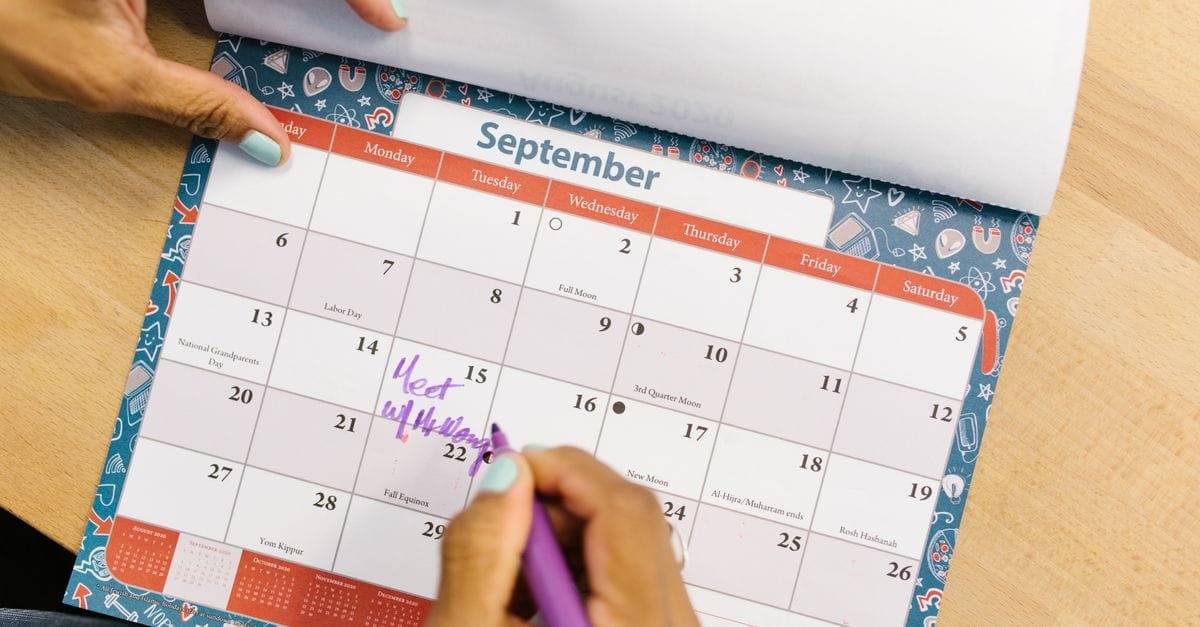
Since the flare is scheduled, schedule the defense. All month: the retinoid/azelaic backbone, non-negotiable — this is what shrinks NEXT month’s flare. Roughly one week before your period (track it — a cycle app or the paper calendar): step up gently — add the BHA nights, be extra faithful to the routine, consider hydrocolloid patches at first sign of the familiar deep spots, and go lighter on the comedogenic-risk cosmetics. Flare week: resist the panic-purchase and the picking; spot-treat, patch, and let the backbone work. Post-flare: mark-fading mode — azelaic and SPF on the leftovers (the marks playbook). Two to three tracked cycles reveal your personal pattern precisely — and give your dermatologist gold-standard information if you escalate.
Diet, Stress, and the Lifestyle Levers (Honest Edition)
The evidence-ranked list: stress management genuinely matters — cortisol feeds the androgen pathway, and exam-week/deadline flares are real physiology (sleep is the cheapest hormonal intervention going — the beauty sleep science applies doubly here). High-glycemic eating patterns show reproducible associations with acne severity — worth a personal experiment if your diet is sugar-forward. Dairy, especially skim milk, shows modest associations in some studies — again, a two-month personal trial beats ideology. Whey protein supplements are a repeat offender for jawline breakouts in gym-goers. What DOESN’T hold up: chocolate as chocolate, “toxins,” and every detox tea ever sold — hormonal acne cannot be cleansed away, and supplements marketed as “hormone balancing” are unregulated promises (spearmint tea has small interesting studies; run it past your doctor, not your feed).
When (and Why) to See a Doctor — Earlier Than You Think
Here’s the honest difference from other acne types: hormonal acne is where prescriptions shine brightest. The medical menu your dermatologist or GP can offer: combined oral contraceptives (several are FDA-approved specifically for acne — they stabilize the hormonal swings driving the cycle), spironolactone (the quiet star of adult female acne — an androgen-blocker with decades of dermatology use and high satisfaction rates), prescription-strength topicals, short antibiotic bridges for bad flares, and isotretinoin for the severe and scarring. None of these are failures of willpower — they’re the correctly-matched tool for a hormone-driven condition.
Book the appointment when: deep cysts recur monthly (each one is a scar candidate), the pattern arrived with irregular periods/excess hair growth/weight changes (PCOS screening matters beyond skin), OTC consistency has had three months without traction, or the monthly cycle of breakout-and-fade is wearing on your mental health — which is a legitimate medical reason, full stop. YMYL honesty: this guide is education, not diagnosis — the doctor’s visit is the actual treatment plan.
Hormonal Acne Across Life Stages
Teens: hormonal by definition — the teen protocol covers it; escalate to prescriptions for the cystic and scarring. 20s–30s women: the classic chin-jaw-cycle pattern; the full playbook above; contraceptive changes (starting, stopping, switching) commonly shuffle the deck for a few months — expected, but worth mentioning to your prescriber. Pregnancy: hormones surge, acne often follows — the topical menu shrinks (azelaic yes, retinoids no — the dictionary’s pregnancy notes and your OB decide). Postpartum: another shuffle; patience plus the compatible topicals. Perimenopause: declining estrogen shifts the ratio androgen-ward — adult-onset breakouts in your 40s–50s are common, treatable, and exactly what Dr. Ellis’s video below addresses; spironolactone and topicals serve this stage particularly well.
The Mark Problem: Hormonal Acne’s Long Tail
Jawline spots are deep, and deep spots leave long-staying souvenirs — the red and brown marks that outlast the bumps by months. The program: azelaic acid (double duty — treatment and fading), daily SPF without exceptions (UV re-darkens every mark — the non-negotiable), vitamin C mornings if your skin tolerates it, and zero picking (the difference between a two-week bump and a six-month mark is usually one squeeze). Deep texture scars from recurring cysts are procedure territory — one more argument for treating the cause early rather than resurfacing the consequences later.
The Makeup-and-Skincare Peace Treaty During Flares
Flare week doesn’t require a bare face — it requires smarter cover. The rules: conceal the deep ones precisely rather than spackling the jaw (the four-minute method, matte and exact — deep hormonal spots take the raised-spot honesty rules), non-comedogenic base products only along the breakout corridor, clean tools weekly minimum (a foundation brush re-seeding the jawline is friendly fire), and full removal nightly with a gentle double cleanse — flare-week skin is inflamed skin, and inflamed skin forgives nothing slept-in. Skincare-wise, flare week is a terrible time to experiment: no new actives, no aggressive exfoliation over cysts, no “drying out” campaigns that wreck the barrier the retinoid needs intact. Steady routine, precision cover, hands off — the flare passes on its schedule either way; the goal is passing without souvenirs.
Tracking: The Two-Cycle Detective Project
Before the dermatology visit (or to make it dramatically more useful), run the log: daily one-liners for two full cycles — cycle day, new spots (where, how deep), stress level, sleep, notable diet items — plus weekly same-light photos of the jaw. What it reveals: your true flare window (most people misdate it by days), whether stress or diet items co-star, and whether the “random” breakouts are actually random. What it hands your doctor: exactly the pattern evidence that turns a seven-minute consult into a targeted plan — cycle-linked patterns point toward the hormonal treatments; pattern-less severe acne points elsewhere. The log is unglamorous and it is genuinely the highest-value free intervention in this entire guide.
The Mental Load Nobody Prescribes For
A closing section most acne guides skip: the monthly cycle of breakout, cover, fade, repeat carries a real psychological tax — appointment-dodging, photo avoidance, the 10x mirror ritual. Two honest reframes help. First, hormonal acne is a medical condition responding to medical treatment — persisting with under-powered drugstore routines out of “I should be able to fix this myself” pride costs years that a prescription solves in months. Second, the visibility math is distorted: the jawline spots that dominate your mirror inspection read as minor texture at conversation distance — the same perspective paragraph every guide here earns. If skin is steering your social calendar, that is itself the symptom that justifies the dermatologist visit — mental-health impact is listed in actual treatment guidelines as an escalation criterion. Treat the skin; spare the spirit.
The Bottom Line
Hormonal acne is the most predictable, most treatable, and most unnecessarily-suffered acne type: it announces its schedule, responds to a consistent retinoid-azelaic backbone, improves with cycle-aware tactics — and surrenders impressively to the prescription options designed for it. Track two cycles, run the routine all month, keep your hands off the deep ones, and book the dermatologist with zero shame the moment the monthly cycle stops being manageable. The clockwork that torments you is also the map to beating it.
The cycle-defense kit:
The cycle-defense kit:
Frequently Asked Questions
How do I know if my acne is hormonal?
The pattern check: deep, tender spots on the chin, jawline, and lower face that flare cyclically — classically the week before a period — or with contraceptive changes, stress, postpartum shifts, or perimenopause. Adult female acne is overwhelmingly this type.
What gets rid of hormonal acne?
At home: a nightly retinoid (adapalene) or azelaic acid used consistently all month, salicylic support, and non-comedogenic everything. Medically: combined contraceptives, spironolactone, and prescription topicals — hormonal acne is the type prescriptions treat best.
Why do I break out on my chin and jaw before my period?
The pre-period drop in estrogen and progesterone shifts the hormonal ratio toward androgens, which accelerate oil glands — and the lower face’s glands are the most androgen-sensitive. More oil, same pores, scheduled flare.
Does spironolactone work for hormonal acne?
For adult women with the hormonal pattern, it’s one of dermatology’s quiet stars — an androgen-blocker with decades of use and high satisfaction. It’s prescription-only and needs a doctor’s assessment; ask about it at your visit.
Can diet fix hormonal acne?
Diet is a supporting lever, not a cure: high-glycemic patterns and (for some) dairy and whey protein show real associations worth a personal two-month test. No food change replaces treatment for a hormone-driven condition.
Is hormonal acne a sign of PCOS?
It can be — especially alongside irregular periods, excess hair growth, or weight changes. That combination deserves a doctor’s evaluation regardless of skin goals; treating PCOS treats more than acne.
How long does hormonal acne take to clear?
Topical routines need two to three full cycles to show their real effect (treat all month, judge by the flares shrinking). Prescription options typically show meaningful change in three months. Consistency across cycles is the entire trick.
Does hormonal acne go away on its own?
Sometimes with life-stage transitions (post-puberty, post-partum, post-menopause) — but adult hormonal patterns often persist for years untreated. Given how well it responds to treatment, waiting it out is the costliest strategy.
What’s the best skincare routine for hormonal acne?
Gentle cleanse twice daily, a nightly retinoid or azelaic acid all month long, moisturizer always, SPF every morning, and BHA support a few nights weekly. Consistency across the whole cycle is the active ingredient.

 Adhorika Khan