 Adhorika Khan
Hyaluronic acid is a hydrating powerhouse that can hold up to 1,000 times its weight in water, drawing moisture into your skin for a plumper, smoother, dewier look. It suits every skin type, layers with almost any active, and is gentle enough for daily use. Here’s exactly what it does and how to use it the right way.
Key Takeaways
- What it is: a hydrator (a humectant) that pulls water into the skin.
- What it does: plumps, smooths, and adds a dewy, hydrated glow.
- Who it’s for: everyone – oily, dry, sensitive and combination skin.
- The golden rule: apply to damp skin, then seal with moisturizer.
- Plays well with niacinamide, vitamin C, retinol and almost everything else.
What is hyaluronic acid?
Hyaluronic acid is a substance your body already makes naturally. It’s found in your skin, joints and eyes, where its main job is holding onto water.
Despite the name, it isn’t an exfoliating acid like glycolic or salicylic acid. It doesn’t strip or resurface skin at all.
In skincare, it’s a humectant – an ingredient that attracts and binds moisture. That’s why it appears in so many serums, moisturizers and sheet masks.
What does hyaluronic acid do for your skin?
Hyaluronic acid is all about hydration, and hydrated skin simply looks and behaves better.
Its main benefits include:
- Deep hydration that plumps the skin and makes it feel soft and supple.
- A smoother look, as plumper skin softens the appearance of fine lines.
- A dewy glow, since well-hydrated skin reflects light better.
- A comfortable, less-tight feel, which is a relief for dry or dehydrated skin.
- Better-behaving skin, because dehydration can worsen oiliness and sensitivity.
It won’t replace a moisturizer, but it gives your moisturizer more water to lock in.
Who should use hyaluronic acid?
Almost everyone can benefit from hyaluronic acid.
Dry skin loves the moisture boost, while oily and acne-prone skin appreciates lightweight hydration that doesn’t feel greasy. Sensitive skin tolerates it well because it’s non-irritating.
If your skin ever feels tight, looks dull, or shows fine dehydration lines, hyaluronic acid is one of the easiest fixes to add.
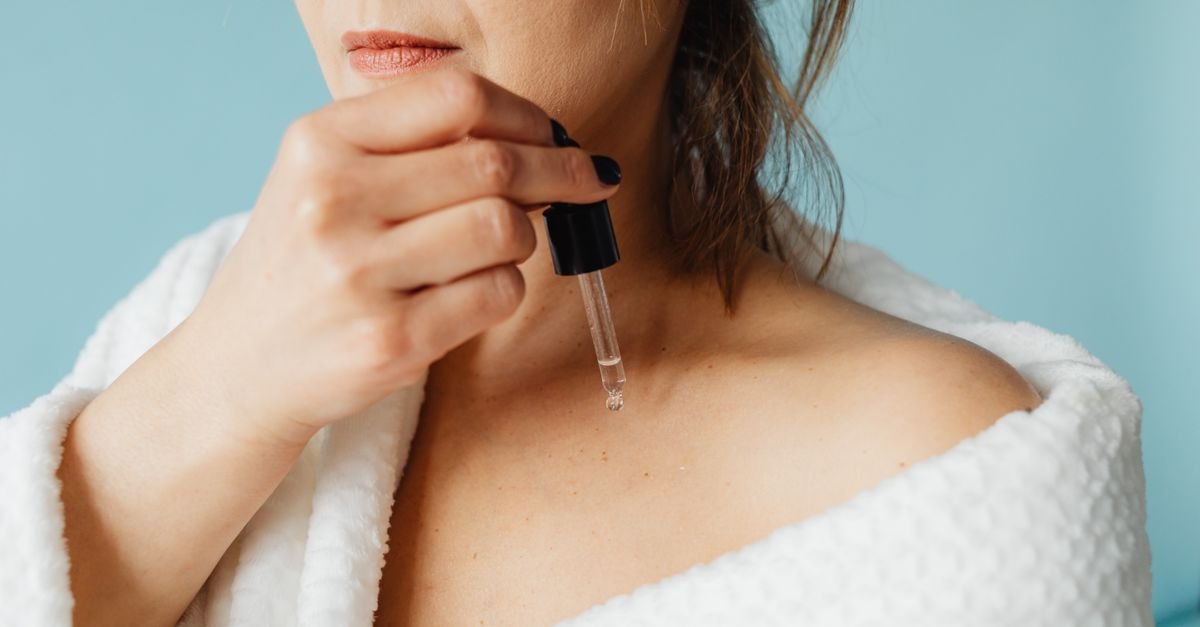
How to use hyaluronic acid in your routine
Hyaluronic acid is simple to use, with one important trick.
After cleansing, apply your hyaluronic acid serum, then follow with moisturizer to seal it in. In the morning, finish with sunscreen.
You can use it once or twice a day. For exactly where it fits among your other products, see our skincare order guide.
The golden rule: apply hyaluronic acid to damp skin
This is the single most important tip, and most people miss it.
Hyaluronic acid pulls in water from whatever is nearby. Apply it to slightly damp skin – straight after cleansing or a mist – so it draws in that surface moisture.
Then always lock it in with a moisturizer on top. This step is what turns hyaluronic acid from good to great.
Can hyaluronic acid dry out your skin?
This surprises people, but yes – it can, if you use it wrong.
In very dry air with no moisture to grab, hyaluronic acid can pull water up from deeper in your skin and let it evaporate. That leaves skin feeling tighter, not softer.
The fix is easy: apply it to damp skin and always seal with a moisturizer. Done right, it hydrates beautifully even in dry climates.
What type of hyaluronic acid should you look for?
Not all hyaluronic acid is the same, and formula matters more than percentage.
High-molecular-weight hyaluronic acid sits on the surface for instant plumping, while low-molecular-weight versions penetrate a little deeper. Many good serums use a blend of weights for layered hydration.
You may also see “sodium hyaluronate” on labels – that’s a stable, easily absorbed form of hyaluronic acid, so don’t let it confuse you.
Can you use hyaluronic acid with other ingredients?
Yes – this is one of hyaluronic acid’s best features. It plays well with almost everything.
It pairs perfectly with niacinamide for hydration plus barrier support, and it’s a soothing partner for retinol, helping offset dryness.
It also layers happily under vitamin C and exfoliating acids, adding a hydrating cushion to stronger actives.

Hyaluronic acid for different skin types
The beauty of hyaluronic acid is how it flexes to your skin.
Oily skin can use a lightweight hyaluronic serum instead of a heavy cream for oil-free hydration. Dry skin can layer it under a richer moisturizer for extra moisture.
Combination skin gets balanced hydration without greasiness, and sensitive skin gets comfort without irritation. It really is a universal step.
Hyaluronic acid vs other hydrating ingredients
Hyaluronic acid isn’t the only hydrator, and it works best alongside others.
Glycerin is another excellent humectant that’s often paired with it. Ceramides and squalane are more like sealants that lock moisture in, rather than pulling it in.
Think of hyaluronic acid as the ingredient that delivers water, and richer ingredients as the ones that keep it there.
Hyaluronic acid vs niacinamide: what’s the difference?
These two are often confused, but they do different jobs.
Hyaluronic acid is a pure hydrator – its focus is moisture. Niacinamide is a multi-tasking treatment for oil, tone, pores and barrier health.
They’re a fantastic pair, not competitors. Layer both for hydration and treatment in one routine – our niacinamide guide explains how.
Hyaluronic acid side effects and patch testing
Hyaluronic acid is one of the gentlest, best-tolerated ingredients in skincare.
Side effects are rare, though any new product can occasionally cause a reaction. As always, patch test on your inner arm for a couple of days before using it on your face.
If you have a skin condition or concern, check with a dermatologist. This is general information, not medical advice.
How long until hyaluronic acid shows results?
Hyaluronic acid is one of the fastest-acting actives you’ll try.
Many people notice plumper, dewier, more comfortable skin almost immediately, since it’s working on surface hydration. That instant “bounce” is part of its appeal.
For the fine-line-softening benefits, keep using it daily – consistent hydration is what maintains that smoother look over time.
How to choose a hyaluronic acid product
Hyaluronic acid comes in many formats, so match it to your needs.
A serum gives a focused hydration hit and layers easily; a moisturizer with hyaluronic acid is a convenient all-in-one; and you’ll also find it in toners, mists and masks. Look for a blend of molecular weights and a simple, well-formulated product.
See our picks for the best hyaluronic acid serums, or browse hyaluronic acid serums on Amazon.
Common hyaluronic acid mistakes to avoid
- Applying to bone-dry skin. Use it on damp skin so it has water to grab.
- Skipping the moisturizer on top. Without a seal, hydration escapes.
- Expecting it to replace moisturizer. It delivers water; it doesn’t lock it in.
- Ignoring the climate. In dry air, sealing it in matters even more.
- Overcomplicating it. A simple serum used consistently is all most people need.
Is hyaluronic acid safe during pregnancy?
Hyaluronic acid is widely considered one of the pregnancy-friendly skincare ingredients.
Because it simply hydrates and is something your body already produces, it is generally seen as a safe, gentle choice during pregnancy and breastfeeding. It is often recommended when stronger actives like retinol are off the table.
Skincare during pregnancy is personal, though, so always confirm your routine with your doctor.
Does hyaluronic acid help with wrinkles?
Hyaluronic acid softens the look of fine lines, but it works differently from anti-aging actives.
By plumping the skin with moisture, it makes fine dehydration lines look smoother and the face appear fresher. This effect is real but largely temporary and hydration-based.
For deeper, long-term wrinkle treatment, pair it with a collagen-supporting active like retinol rather than relying on hydration alone.
Can you use hyaluronic acid around the eyes?
Yes – hyaluronic acid is gentle and great for the under-eye area.
Its hydrating, plumping effect can soften the look of fine dehydration lines and help the delicate skin around the eyes look fresher. Many eye products rely on it.
Apply a small amount to damp skin and pat gently, keeping it away from the immediate lash line.
Serum or moisturizer: which hyaluronic acid product do you need?
They play different roles, and many people use both.
A hyaluronic acid serum delivers a concentrated hit of hydration that you layer under other products. A moisturizer with hyaluronic acid combines that hydration with the sealing, nourishing job of a cream.
For the best results, use a serum on damp skin and then lock it in with a moisturizer – hyaluronic or otherwise.
Can you use hyaluronic acid twice a day?
Absolutely – twice daily is perfectly fine and often ideal.
Because it is gentle and non-irritating, you can apply hyaluronic acid morning and night without a problem. Just remember the golden rule each time: damp skin, then seal.
Morning application sits nicely under sunscreen, while nighttime use supports hydration and repair as you sleep.
Does hyaluronic acid help with acne or acne scars?
Hyaluronic acid does not treat acne directly, but it plays a helpful supporting role.
Its lightweight hydration keeps acne-prone skin comfortable without adding oil, which matters when you are using drying acne actives. Well-hydrated skin also heals and looks better.
For the marks left behind, hyaluronic acid can improve overall skin quality, but fading pigment needs brighteners like vitamin C or niacinamide.
Does hyaluronic acid help with redness and sensitive skin?
Hyaluronic acid is a comforting choice for reactive skin.
It is non-irritating and simply adds moisture, which can calm the tight, stressed feeling that often comes with sensitivity and redness. It does not contain the actives that tend to trigger reactions.
It pairs well with soothing ingredients, making it a safe base layer for almost any sensitive-skin routine.
Morning or night: when should you apply hyaluronic acid?
Hyaluronic acid is flexible – morning, night, or both work well.
In the morning it hydrates and plumps under makeup and sunscreen. At night it supports your skin’s natural overnight repair and stops it drying out while you sleep.
Whenever you use it, always apply to damp skin and follow with a moisturizer to hold the hydration in.
Can hyaluronic acid cause breakouts?
Hyaluronic acid itself is very unlikely to cause breakouts.
It is a lightweight hydrator, not an oil, so it does not clog pores for most people. If you break out after starting it, another product in your routine is the more likely culprit.
Check the full formula, since some serums add richer ingredients or fragrance that certain skin types react to.
Is a higher percentage of hyaluronic acid better?
More hyaluronic acid is not automatically better.
Beyond a certain point, extra hyaluronic acid can actually feel tacky and, in dry air, may pull more moisture than it holds. Formula quality and a blend of molecular weights matter more than a big number on the label.
A well-made serum at a sensible concentration outperforms a “high-percentage” one every time.
Frequently Asked Questions
What does hyaluronic acid do for your skin?
Hyaluronic acid draws water into the skin, hydrating and plumping it for a smoother, dewier look. It softens the appearance of fine lines and helps skin feel soft and comfortable. It’s a hydrator, not an exfoliating acid, so it doesn’t strip or resurface skin.
Should you apply hyaluronic acid to wet or dry skin?
Apply it to slightly damp skin, then seal it with a moisturizer. Hyaluronic acid pulls in moisture from its surroundings, so a little surface water helps it work. Always follow with moisturizer to lock that hydration in, especially in dry climates.
Can you use hyaluronic acid every day?
Yes – it’s gentle enough for daily use, morning and night. Apply it as a serum on damp skin before your moisturizer. Most skin types, including oily and sensitive skin, tolerate it very well.
Can you use hyaluronic acid with vitamin C or retinol?
Yes. Hyaluronic acid layers well with almost every active, including vitamin C, retinol and niacinamide. It’s especially useful with retinol, where its hydration can help offset dryness and irritation.
Is hyaluronic acid good for oily or acne-prone skin?
Yes. Hyaluronic acid provides lightweight, oil-free hydration, so oily and acne-prone skin can stay hydrated without feeling greasy. Well-hydrated skin can also look less shiny and behave better overall.
Does hyaluronic acid have any side effects?
It’s one of the best-tolerated skincare ingredients, and side effects are rare. As with any new product, patch test first. If your skin feels tight after using it, you likely applied it to dry skin or skipped the moisturizer – fix those two things first.
What’s the difference between hyaluronic acid and sodium hyaluronate?
Sodium hyaluronate is a salt form of hyaluronic acid that’s more stable and absorbs easily, so it’s common in serums. For everyday purposes, you can treat them as the same beneficial ingredient.
The bottom line
Hyaluronic acid is one of skincare’s easiest wins – a gentle, universal hydrator that plumps, smooths and adds a dewy glow to almost any skin type.
Use it on damp skin, always seal it with a moisturizer, and layer it confidently with your other actives.
To round out your ingredient knowledge, see our niacinamide guide and vitamin C guide.

 Adhorika Khan