
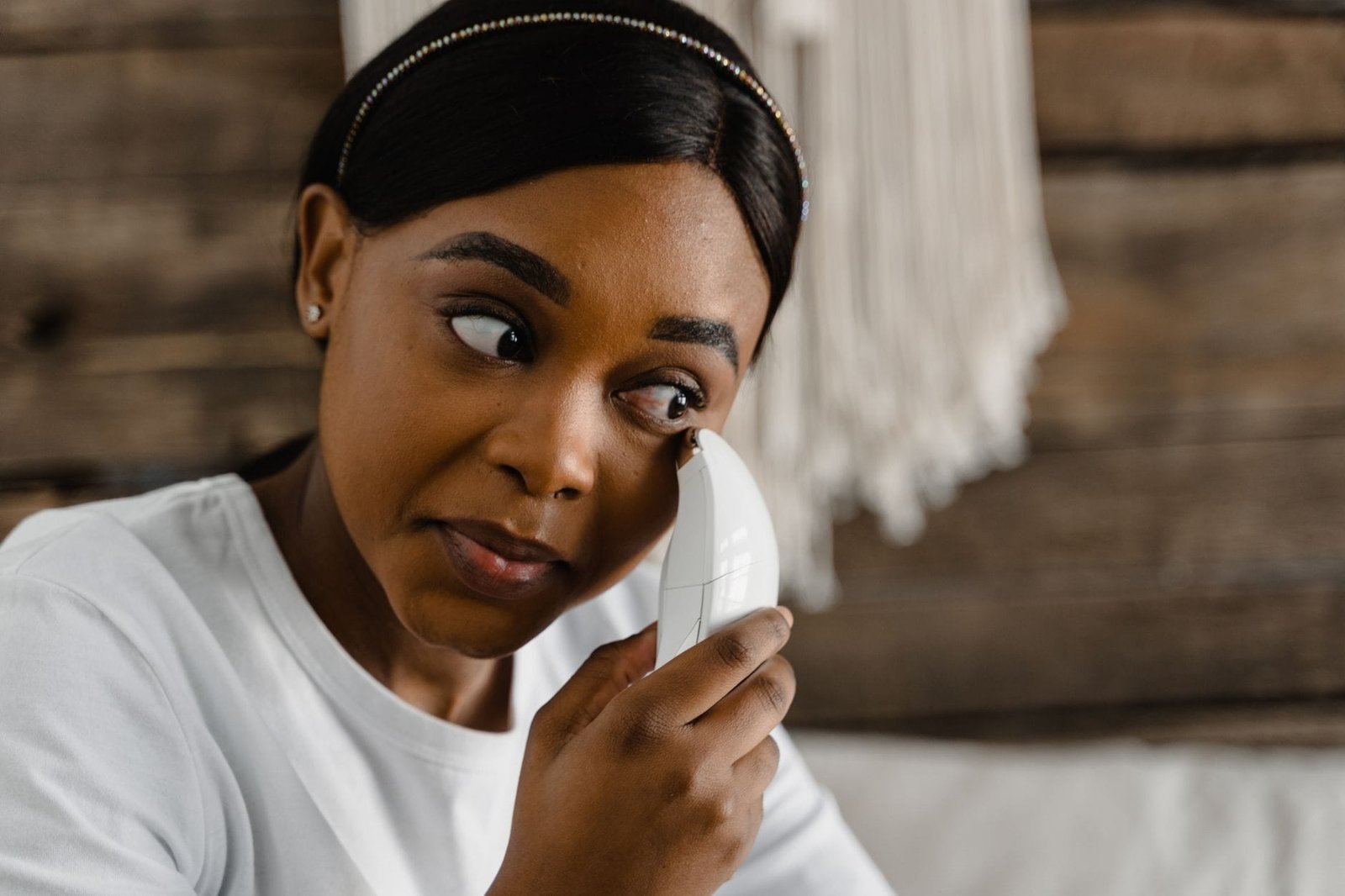
 Adhorika Khan
At-home beauty devices are professional-inspired tools — LED masks, microcurrent wands, radiofrequency and ultrasonic devices, cleansing brushes and more — that let you treat your skin and hair at home. Do they work? The best ones genuinely can with consistent use: LED and microcurrent have the most evidence, while results are gentler and slower than an in-clinic treatment. This complete guide breaks down every type, how to choose, how to use them safely, what results to expect, and our top picks.
The at-home beauty-tech market has exploded, and it’s easy to see why. Salon facials and dermatologist visits are expensive and time-consuming, while a one-time device purchase can deliver small, steady results from your own bathroom. But not every gadget is worth your money, and a few aren’t safe for every skin type or tone. By the end of this guide you’ll know exactly which devices are worth it for your skin, how to use them properly, and how to build a simple routine that actually delivers.
Do At-Home Beauty Devices Actually Work?
Yes — the well-made ones do, within realistic limits. At-home devices deliberately use lower power than professional machines for safety, so they work more gradually and need consistent use over weeks to show results. The categories with the strongest evidence are LED light therapy (for acne and early signs of aging) and microcurrent (for short-term muscle toning and a lifted look). Radiofrequency, ultrasonic, and microneedling tools can help too, though results vary more from person to person.
The honest takeaway: think “maintenance and gradual improvement,” not “instant facelift.” A device won’t replace good daily skincare, sun protection, sleep, and hydration — it works alongside them. Patience and consistency matter far more than how much you spent. Someone using an affordable LED mask four times a week will out-perform someone with a premium device gathering dust in a drawer.
How to Choose an At-Home Beauty Device
Before buying anything, work through these questions so you spend wisely:
- What’s your main concern? Acne, fine lines, sagging, dullness, hair removal, and frizz each point to a different device. Buy for your top one or two concerns, not for everything at once.
- Is it proven and well-reviewed? Look for FDA clearance (for US devices), genuine clinical backing, and consistent buyer reviews — not just glossy marketing or influencer hype.
- Is it safe for your skin and tone? Some devices aren’t suitable for sensitive skin, certain conditions, or darker skin tones — this is especially important for IPL and laser hair removal.
- Will you actually use it? The best device is one you’ll reach for 3–5 times a week. A fiddly, 30-minute gadget ends up abandoned. Be honest about your routine.
- Budget vs. value. Spend where the evidence is strongest (LED, microcurrent) and be cautious with novelty gadgets that promise dramatic, overnight change.
If you only remember one rule: match the device to a real, specific concern, and choose one you’ll realistically keep using.
The Main Types of At-Home Beauty Devices
Here are the major categories, what each does, who it suits, and what to expect. For a deeper dive on any one, follow the linked guides throughout.
LED Light Therapy Devices
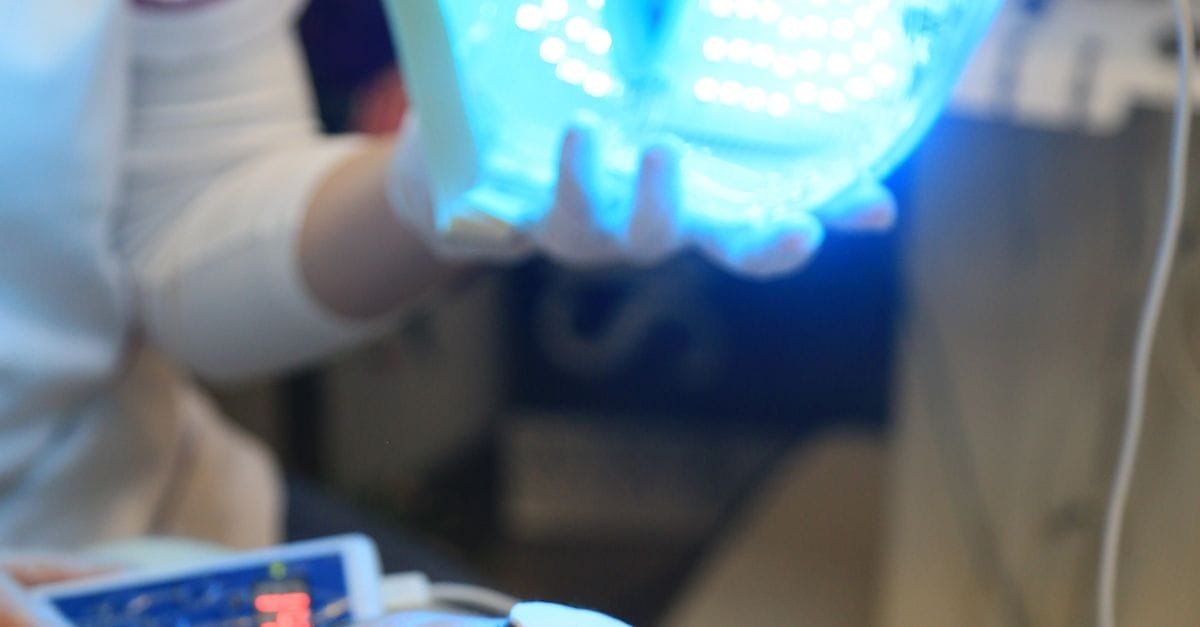
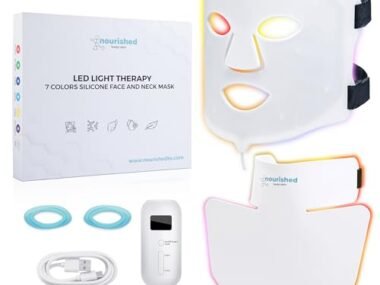
LED masks and panels use specific light wavelengths to target skin concerns: red light for collagen, fine lines, and inflammation; blue light for the bacteria behind acne; and often near-infrared for deeper repair. They’re painless, relaxing, and among the best-evidenced at-home treatments available. Used a few times a week for 10–20 minutes, they can visibly improve tone, calm breakouts, and soften early aging over a couple of months.
They suit almost every skin type and tone, which makes them a great low-risk entry point into beauty tech. The main downsides are the upfront cost of a good mask and the need for consistency. Explore the full breakdown in our guide to LED light therapy beauty devices, and browse popular options like an LED light therapy mask.
Microcurrent / EMS Facial Toning Devices
Microcurrent devices send gentle, low-level electrical currents that stimulate the facial muscles, producing a temporary “lifted,” toned, and more sculpted look — they’re often described as a workout for your face. Results build with regular use and need ongoing upkeep to maintain, much like exercise. They’re especially popular for jawline definition, cheek lift, and a more contoured appearance before an event.
You’ll need a conductive gel for the current to glide and work properly, and sessions take a few minutes several times a week. See our full guide to facial toning EMS devices for technique and routines, and compare a microcurrent facial toning device to get started.
Radiofrequency (RF) Skin Tightening Devices
RF devices gently heat the deeper layers of the skin to encourage collagen production and firmer-looking skin over time. They’re a favorite for early sagging, loss of firmness around the jaw and cheeks, and crepey texture. At-home versions are milder than the machines used in clinics, so think in terms of months of consistent use rather than instant change.
RF generally suits most skin tones, but it should be used with the recommended gel and never on broken or irritated skin. Learn more in our guide to radiofrequency skin firming devices, or look at a radiofrequency skin tightening device for at-home firming.
Ultrasonic Devices
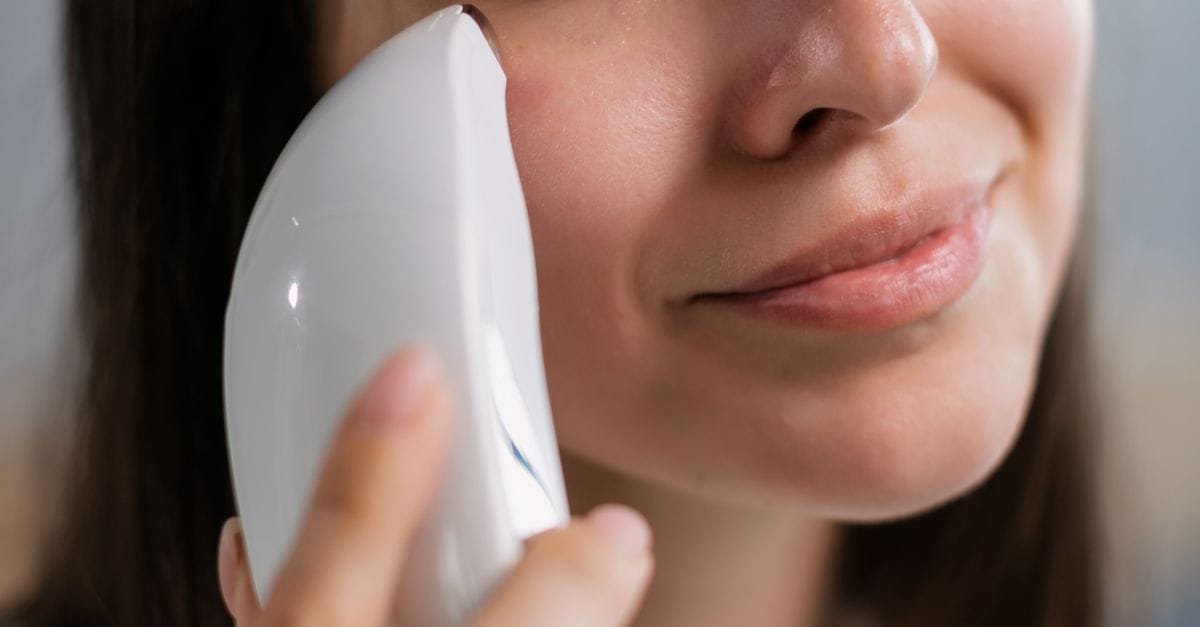
Ultrasonic tools use rapid sound-wave vibrations for gentle exfoliation, better product absorption, and a smoother feel. Ultrasonic skin spatulas are popular for that satisfying deep-clean sensation — they help lift away dead skin and debris — while other ultrasonic devices support firming and serum-infusing routines. They’re gentle, quick, and easy to add to a weekly routine, suiting most skin types. Read our guide to ultrasonic skin tightening gadgets to see whether it fits your skin and goals.
Gua Sha & Facial Massage Tools
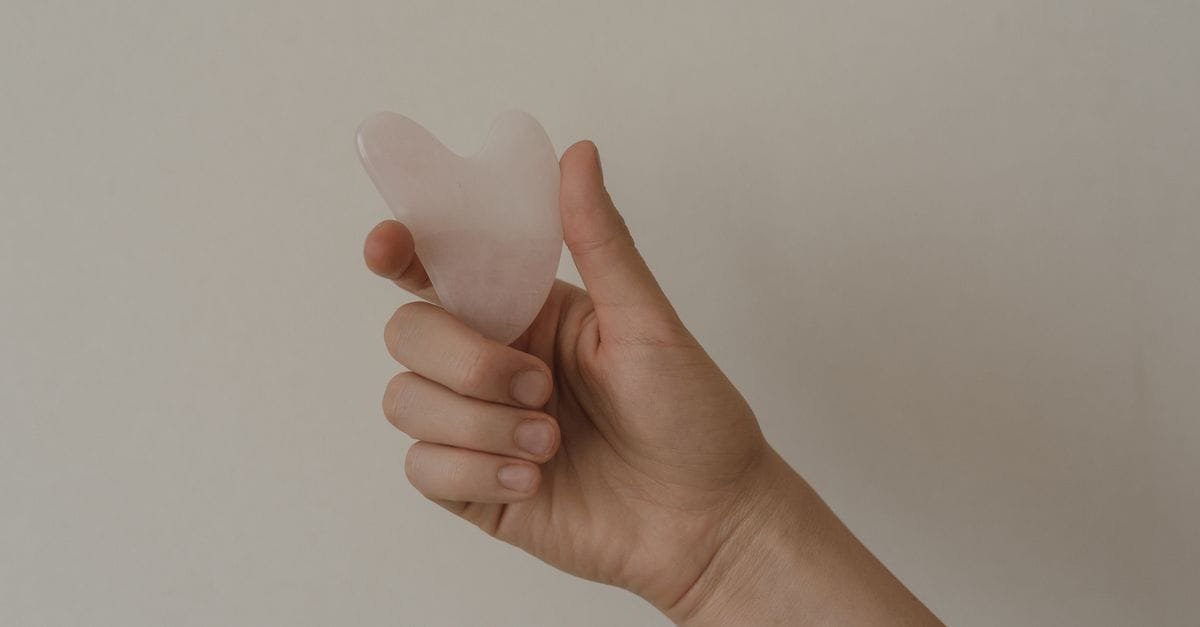
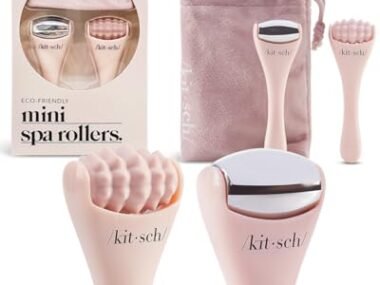
Not every effective tool is high-tech. Gua sha stones and facial rollers use manual massage to boost circulation, ease puffiness, relieve tension, and help you relax — a lovely, affordable, and very low-risk option. They won’t dramatically tighten skin, but they de-puff, add a healthy glow, and make a calming ritual out of your skincare. They pair beautifully with a facial oil so the tool glides smoothly. See our picks in the best gua sha tools, and a simple gua sha facial tool is an easy, inexpensive place to begin.
Facial Cleansing Brushes
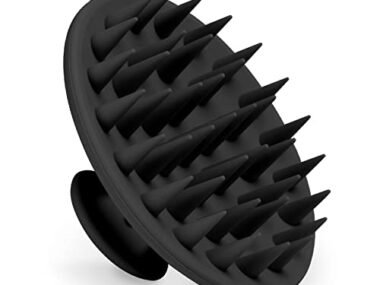
Cleansing brushes use soft vibrating bristles or silicone nubs to clean more thoroughly than hands alone, lifting away makeup, oil, and buildup. Silicone versions are especially gentle and hygienic — there are no bristles to harbor bacteria — and suit most skin types, including sensitive. Used correctly (gently, and not too often for reactive skin), they leave skin noticeably smoother and help the rest of your routine absorb better. A quality silicone facial cleansing brush is an affordable upgrade to almost any routine.
Derma Rollers & At-Home Microneedling
Derma rollers use tiny needles to create micro-channels in the skin, prompting a repair response that can improve texture, scars, and product absorption. At-home rollers use much shorter needles than professional microneedling for safety. They can be effective but carry a higher risk if used incorrectly or kept unclean, so strict hygiene and gentle technique are essential. If you’re sensitive or unsure, this is one to discuss with a professional first.
At-Home Laser & IPL Hair Removal
IPL and laser hair-removal devices target the hair follicle to reduce regrowth over a series of sessions. They can deliver real, lasting reduction, but they require commitment (typically weekly sessions for a couple of months, then top-ups) and aren’t suitable for every skin-and-hair combination. They work best on lighter skin with darker hair, and several aren’t safe for very dark skin tones — always check the compatibility chart and patch-test first. Our guide to at-home laser hair removal devices explains what to expect; compare options like an at-home IPL hair removal device.
Hair & Scalp Devices
Beauty tech isn’t only for your face. Scalp-massaging devices support circulation and relaxation (and may aid healthy hair growth), while ionic and ultrasonic hair tools help smooth frizz and seal the cuticle for shinier hair. Low-level laser caps and combs are also marketed for thinning hair. As with facial devices, evidence varies and consistency is key — treat them as supportive, not magic.
Smart Mirrors & Skin-Analysis Devices
The newest category uses cameras and AI to analyze your skin — hydration, pores, spots, fine lines — and track changes over time, helping you tailor your routine and measure progress. They don’t treat the skin themselves but guide smarter product and device choices. If you love data and want proof your routine is working, explore smart mirror beauty devices.
What Results to Expect (and When)
Managing expectations is the difference between loving a device and feeling let down. Most at-home devices need 8–12 weeks of regular use before you can fairly judge them. Microcurrent can give an immediate but temporary lift you’ll see the same day, while LED, RF, and microneedling work cumulatively — you’ll notice gradual improvements in tone, firmness, and texture over weeks. Hair-removal devices reduce regrowth over several sessions, not after one. If a product promises dramatic, permanent change overnight, be skeptical. Steady, realistic gains are the hallmark of devices that genuinely work.
Choosing a Device for Your Skin Type
Your skin type should steer your choice. Oily and acne-prone skin often benefits from blue-light LED and a gentle silicone cleansing brush. Dry or mature skin tends to love red-light LED, microcurrent, and RF for firmness and glow. Sensitive skin should lean toward low-risk options like LED and gua sha, introduce anything new slowly, and avoid aggressive microneedling. Combination skin can mix and match — just patch-test and watch how your skin responds. When a device irritates your skin, scale back frequency or stop; comfort is always the priority.
How to Use Beauty Devices Safely
At-home devices are generally safe when used correctly, but a few rules protect your skin:
- Always read the manual and patch-test before first use.
- Don’t overuse. More isn’t better — follow the recommended frequency, as overuse can irritate or sensitize skin.
- Use the right conductive gel or serum where required (especially microcurrent and RF).
- Avoid broken, irritated, or sunburned skin, and stay clear of the immediate eye area unless the device specifically allows it.
- Check contraindications. If you’re pregnant, have a pacemaker, epilepsy, certain skin conditions, metal implants, or recent procedures, some devices aren’t safe for you.
- Wear sunscreen. Many treatments make skin more sun-sensitive, so daily SPF matters more than ever.
When in doubt, check with a dermatologist before starting — especially for active devices like RF, microcurrent, microneedling, and lasers.
Keeping Your Devices Clean & Lasting
Hygiene matters more than people think: any tool that touches your face needs regular cleaning to avoid spreading bacteria and triggering breakouts. Wipe devices down after each use, follow the maker’s cleaning and charging guidance, and store them somewhere clean and dry. Good care also extends a device’s lifespan — important when you’ve invested real money. Our guide to beauty tool hygiene & sterilizers covers safe cleaning and sterilizing in detail. For professional-level options, see dermatologist-grade beauty tools, and if you travel often, travel-friendly beauty tools rounds up the best portable picks that won’t take up half your suitcase.
Building an At-Home Device Routine
You don’t need every device — start with one that targets your top concern, master it, then add another only if you want to. A simple, realistic weekly routine might look like: a cleansing brush 2–3 times a week, an LED mask 3–4 times a week, microcurrent 3–5 times a week, and gua sha whenever you want to de-puff and relax. Always apply devices to clean skin, use any required gel, and finish with your usual serums and moisturizer. Consistency beats intensity every single time — a few focused minutes regularly will always out-perform the occasional marathon session.
At-Home Devices vs. Professional Treatments
Are home devices a replacement for the dermatologist? Not exactly — and that’s okay. Professional treatments are stronger and faster because they use higher-powered equipment under expert supervision, which is why they cost more. At-home devices trade that power for convenience, affordability, privacy, and gentle ongoing maintenance. The smartest approach for many people is a blend: occasional professional treatments for bigger, faster results, with at-home devices to maintain and extend them between visits. Set your expectations accordingly and you’ll be genuinely happy with what your gadgets can do.
Common Mistakes to Avoid
A few predictable missteps stop people getting results. The biggest by far is inconsistency — buying a device, using it twice, and quietly giving up before it could ever work. Others include overusing devices (which can irritate or sensitize skin), skipping the conductive gel, ignoring the manual, expecting instant dramatic change, neglecting to clean tools, and buying cheap, unproven gadgets over well-reviewed ones. Avoid these, give any device a fair 8–12 weeks, and you’ll quickly know whether it earns a permanent place in your routine.
Are At-Home Beauty Devices Worth It?
For the right person and the right concern, absolutely. If you’ll use it consistently and choose a proven device — LED, microcurrent, a good cleansing brush, or quality gua sha — the value over months easily beats repeated salon visits, and the convenience is hard to overstate. If you want instant, dramatic change, or you know you won’t keep up with it, your money is better spent on great skincare basics and the occasional professional treatment. Match the device to a real concern, commit to the routine, and an at-home device becomes a genuinely worthwhile part of your beauty life.
At-Home Beauty Devices by Budget
You can start with beauty tech at almost any budget — it’s more about choosing wisely than spending big. On a small budget, a gua sha stone, a silicone cleansing brush, or a simple facial roller deliver real, low-risk benefits for very little. In the mid range, you’ll find quality LED masks, microcurrent devices, and ultrasonic tools that offer the best balance of evidence and value for most people. At the premium end sit advanced multi-function devices, professional-grade RF, and high-end LED panels with more power and features. Spend the most where the evidence is strongest and you’ll actually use it — an affordable, well-reviewed device used consistently beats an expensive one you bought on impulse.
Lip, Eye & Brow Devices
Beyond the big facial categories, a growing range of smaller tools target specific areas. Eye-area devices use gentle massage, vibration, or warmth to de-puff, ease dark circles, and smooth the delicate skin around the eyes. Lip-plumping devices use suction or stimulation for a temporary fuller look. There are also heated lash curling gadgets that lift and curl lashes with gentle heat, and precision eyebrow shaping devices for tidy, defined brows at home. These won’t transform your face, but they’re fun, targeted extras once your core routine is sorted — just use them gently and follow the instructions, since the eye and lip areas are especially delicate.
Why At-Home Beauty Tech Took Off
A decade ago, treatments like LED therapy and microcurrent meant booking a clinic appointment. Today, safer, smaller, and more affordable versions sit in millions of bathrooms. Several things drove this shift: rising salon costs, the convenience of treating skin on your own schedule, the privacy of doing it at home, and social media putting tools like gua sha and LED masks in front of huge audiences. Better, gentler technology made it possible to shrink professional concepts into safe home devices. The result is a booming category — which is exactly why it pays to cut through the hype and focus on what genuinely works, as this guide does.
Do You Need a Conductive Gel?
For some devices, yes — and skipping it is a common mistake. Microcurrent and radiofrequency devices need a water-based conductive gel so the energy glides across your skin evenly and works as intended; using them dry is both less effective and potentially uncomfortable. LED masks, gua sha, and cleansing brushes don’t need a special gel (though a facial oil helps gua sha glide). Always check what your device requires, use enough product so it moves smoothly, and reapply if your skin starts to drag. A good conductive gel is an inexpensive but essential companion to these devices.
Key Takeaways
- At-home beauty devices work gradually with consistent use — think maintenance, not miracles.
- LED light therapy and microcurrent have the strongest evidence; gua sha and silicone cleansing brushes are low-risk, affordable starters.
- Choose based on your top concern, proven results, safety for your skin and tone, and whether you’ll actually use it.
- Use safely: patch-test, don’t overuse, use the right gel, wear SPF, and check contraindications.
- Start with one device, stay consistent for 8–12 weeks, keep tools clean, and expect steady — not overnight — results.
Frequently Asked Questions
Do at-home beauty devices really work?
The well-made ones do, with consistent use over several weeks. LED light therapy and microcurrent have the most evidence behind them. Results are gentler and slower than professional treatments, so patience and regular use are essential.
Which at-home beauty device should a beginner start with?
An LED light therapy mask or a gua sha tool are great low-risk starting points, and a silicone cleansing brush is an easy, affordable upgrade. Pick the one that matches your main concern and that you’ll realistically use a few times a week.
Are at-home beauty devices safe?
Generally yes, when used as directed — patch-test, don’t overuse, and use any required gel. Some devices aren’t suitable during pregnancy, with certain medical conditions, or for some skin tones, so always check the manual and ask a dermatologist if you’re unsure.
Are at-home devices as good as professional treatments?
No — they’re deliberately gentler for safety, so results come more slowly. They’re best for maintenance and gradual improvement, ideally alongside occasional professional treatments for bigger results.
How long until I see results?
Most devices need 8–12 weeks of regular use before you can fairly judge them. Microcurrent gives a temporary same-day lift, but firming and texture benefits build gradually. Consistency several times a week matters far more than occasional long sessions.
Can I use more than one beauty device?
Yes, many people combine them — for example a cleansing brush, an LED mask, and microcurrent. Introduce one at a time, patch-test, and don’t overload your skin. Always apply to clean skin and finish with your usual serums and moisturizer.
Are at-home beauty devices worth the money?
For the right concern and consistent use, yes — proven devices like LED and microcurrent can save on repeat salon costs over time. If you won’t use it regularly, though, the money is better spent on solid skincare basics.
Do I need a conductive gel with my device?
Microcurrent and radiofrequency devices need a water-based conductive gel to work properly and comfortably. LED masks, gua sha, and cleansing brushes don’t — though a facial oil helps gua sha glide.
Health note: this guide is for general beauty and informational purposes and isn’t medical advice. If you have a skin condition or any concerns, please consult a dermatologist before using active devices.

 Adhorika Khan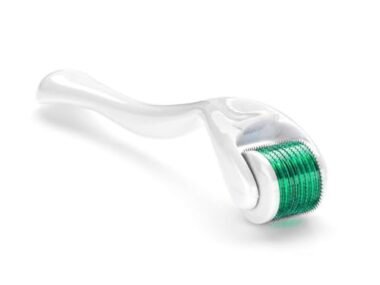


3 comments
People can all gain from discover even more regarding our self and our health and health.
Specific activities and movement levels can possess wonderful profit to all of us, and we need to master more information about them.
Your blog has supplied vital facts that is to be helpful to various
groups and individuals, and I enjoy your writing your competence
this way.
YL
Upon reflection, I felt like this blog is and not
keeping your head stuck in the phone the whole while, either)
and living free, living life with appreciation for the
randomness and patterns of nature, keeps people feeling sane and feeling joyous.
Considering vital topics is likewise some other sort of experience that
can assist us to make the discovery of self understanding.