 Adhorika Khan
Korean skincare (K-beauty) is a gentle, hydration-focused approach built around layering lightweight products in a set order — cleanse, treat, hydrate, protect — to achieve healthy, dewy, “glass skin.” You don’t need all ten famous steps; the real secret is consistency, gentle products, and daily sun protection. This complete guide walks you through the full routine, the key ingredients, how to build your own version for your skin, and our product picks.
K-beauty took the world by storm for good reason: instead of harsh, aggressive treatments, it focuses on prevention, deep hydration, and caring for your skin barrier so skin looks plump, even, and luminous. Below you’ll find everything you need to start — whether you want the full ritual or a simple, effective version that fits a busy life.
What Is Korean Skincare (K-Beauty)?
Korean skincare is a philosophy as much as a routine. Rather than chasing quick fixes, it treats healthy skin as a long-term project built on gentle, consistent care. The approach favors hydration over stripping, prevention over correction, and lightweight layering over a few heavy products. It’s famous for the multi-step routine, but at its heart it’s simple: clean your skin gently, hydrate it generously, treat your concerns, and protect it from the sun every single day. That balance of care and protection is what gives K-beauty fans their signature healthy glow.
The Glass-Skin Goal
“Glass skin” is the K-beauty ideal — skin so smooth, hydrated, and even that it looks almost translucent, like glass. It’s not about being shiny or oily; it’s the look of deeply healthy, well-hydrated skin. You get there through consistent hydration, gentle exfoliation, barrier care, and sun protection over time, not a single product. For a focused walkthrough, see our guide to Korean glass skin for beginners — this pillar gives you the full routine that supports it.
The Korean Skincare Routine, Step by Step
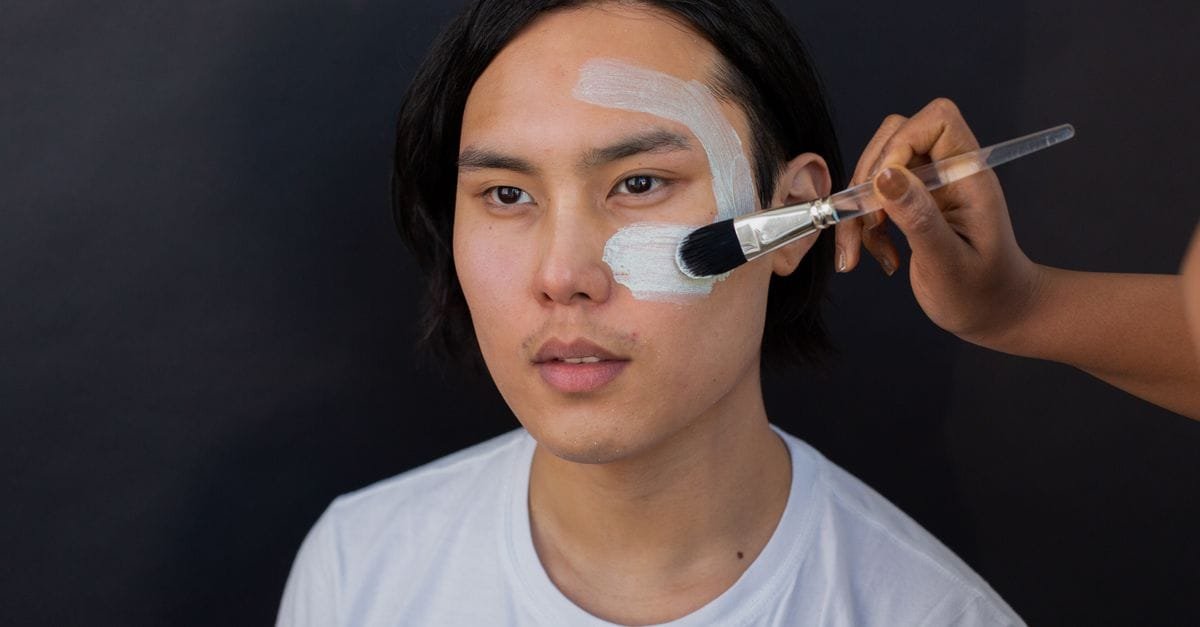
Here is the classic routine in order. Important: you do not need every step — think of this as a menu, not a checklist. Beginners can start with just cleanser, moisturizer, and sunscreen, then add steps over time.
1. Oil Cleanser (First Cleanse)
The routine begins with an oil-based cleanser to melt away makeup, sunscreen, and excess oil. Massaged onto dry skin and rinsed with warm water, it dissolves what water alone can’t. This is the first half of the famous “double cleanse.” A gentle Korean cleansing oil suits most skin types, even oily skin.
2. Water-Based Cleanser (Second Cleanse)
Next comes a gentle foaming or gel cleanser to remove any remaining residue, sweat, and impurities. Together with the oil cleanse, this leaves skin truly clean without stripping it. Look for a low-pH, non-drying formula — a Korean gel cleanser keeps your barrier happy. Double cleansing is mainly an evening step; in the morning, a single gentle cleanse (or just water) is usually enough.
3. Exfoliate (1–2 Times a Week)
Exfoliation clears dead skin cells so everything else absorbs better and skin looks brighter. K-beauty favors gentle chemical exfoliants (AHAs/BHAs) over harsh scrubs. Use it only once or twice a week to avoid irritation. A mild gentle exfoliating toner is a good starting point.
4. Toner
Unlike old-fashioned astringent toners, Korean toners are hydrating — they prep and balance your skin so the next steps absorb better. Pat a hydrating toner in with your hands rather than a cotton pad to minimize waste. A hydrating Korean toner is the foundation of the layering that follows.
5. Essence
Essence is the heart of K-beauty — a lightweight, watery layer of concentrated hydration and active ingredients that boosts radiance over time. It’s the step many credit for that glass-skin glow. Press a Korean essence gently into the skin. If you only add one “extra” step beyond the basics, make it this one.
6. Serum or Ampoule (Treatment)
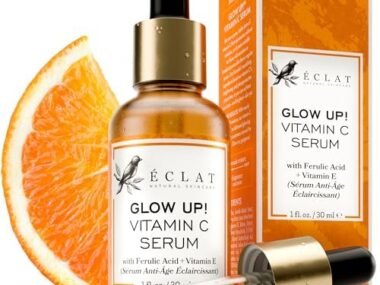
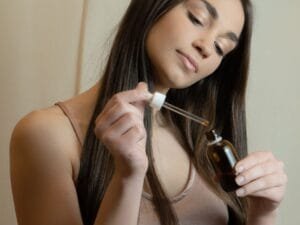
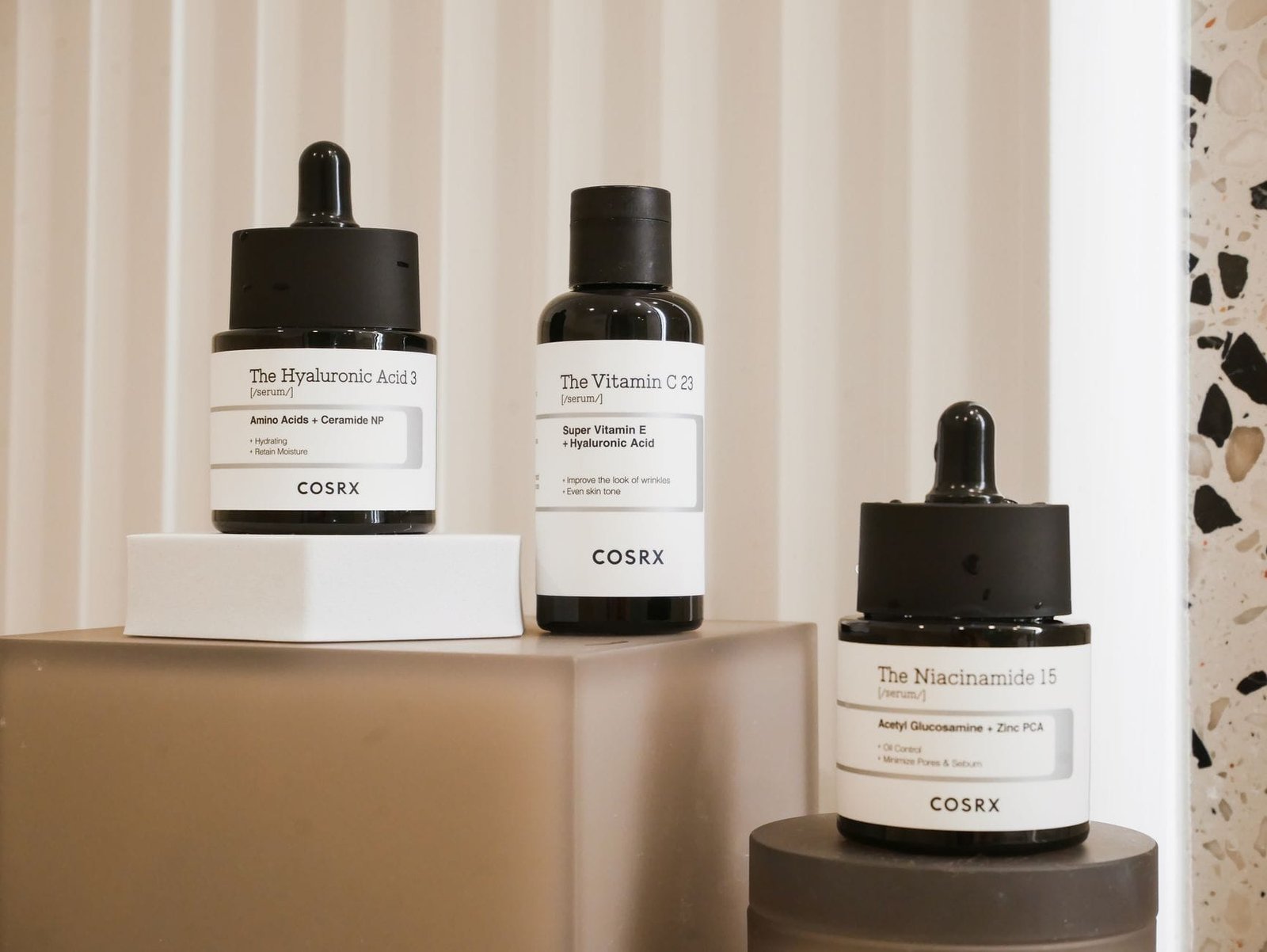
Serums and ampoules are concentrated treatments that target specific concerns — brightening, fine lines, dark spots, or hydration. This is where you address your personal goals. Popular choices include vitamin C for brightness and hyaluronic acid for hydration; see our guides to the best vitamin C serums and the best hyaluronic acid serum. Layer a Korean serum or ampoule after your essence.
7. Sheet Mask (A Few Times a Week)
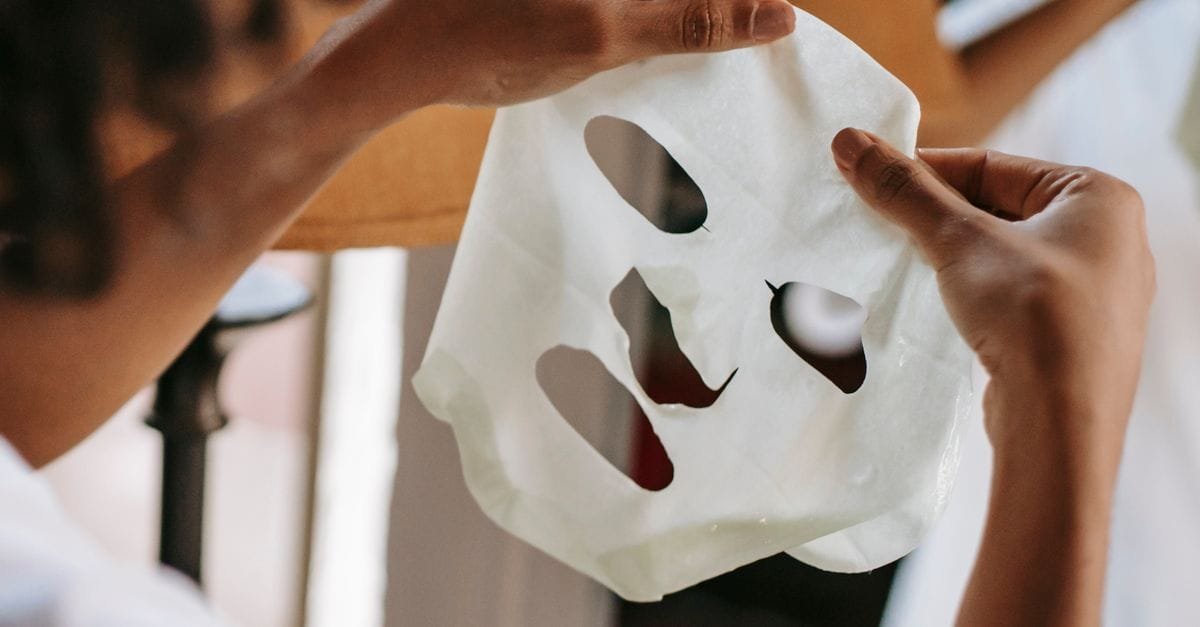
Sheet masks are an iconic K-beauty treat — a soaked cloth mask that floods skin with hydration and actives in 15–20 relaxing minutes. They’re perfect a few times a week or before a special occasion. Pat in the leftover essence rather than rinsing. Keep a stash of Korean sheet masks for an easy hydration boost.
8. Eye Cream
The delicate skin around the eyes benefits from a dedicated, gentle eye cream to hydrate and address puffiness or fine lines. Gently tap it in with your ring finger. It’s an optional but worthwhile step, especially as skin matures.
9. Moisturizer
Moisturizer seals in all the hydration from the previous steps and strengthens your skin barrier. Choose a texture that suits you — a light gel for oily skin, a richer cream for dry skin. A good Korean moisturizer locks everything in. This is a non-negotiable step morning and night.
10. Sunscreen (Morning) / Sleeping Mask (Night)
In the morning, the routine ends with the most important anti-aging step of all: sunscreen. Korean sunscreens are famously lightweight and elegant. Never skip it — see our dermatologist-informed picks in best sunscreens for your face. At night, you can finish with a sleeping mask a few times a week to seal in moisture while you sleep, waking up to plump, dewy skin.
Morning vs. Night Routine
You won’t do all ten steps twice a day. Mornings focus on protection: gentle cleanse, toner, essence, a hydrating serum, moisturizer, and sunscreen. Nights focus on repair and deeper care: double cleanse, (exfoliate if it’s that day), toner, essence, treatment serum, optional sheet mask or eye cream, moisturizer, and a sleeping mask now and then. Keeping it lighter in the morning and more nourishing at night is the simplest way to make the routine sustainable.
You Don’t Need All 10 Steps
This is the most important thing to understand: the famous “10-step routine” is a menu, not a requirement. Many Koreans don’t do all ten daily. A brilliant beginner routine is just four steps — gentle cleanser, hydrating toner or essence, moisturizer, and sunscreen — done consistently. Add an exfoliant, a treatment serum, and sheet masks as you go. Start simple, build slowly, and watch how your skin responds. For more on structuring it, see how to build a skincare routine.
Key K-Beauty Ingredients to Know
Korean skincare is known for some star ingredients:
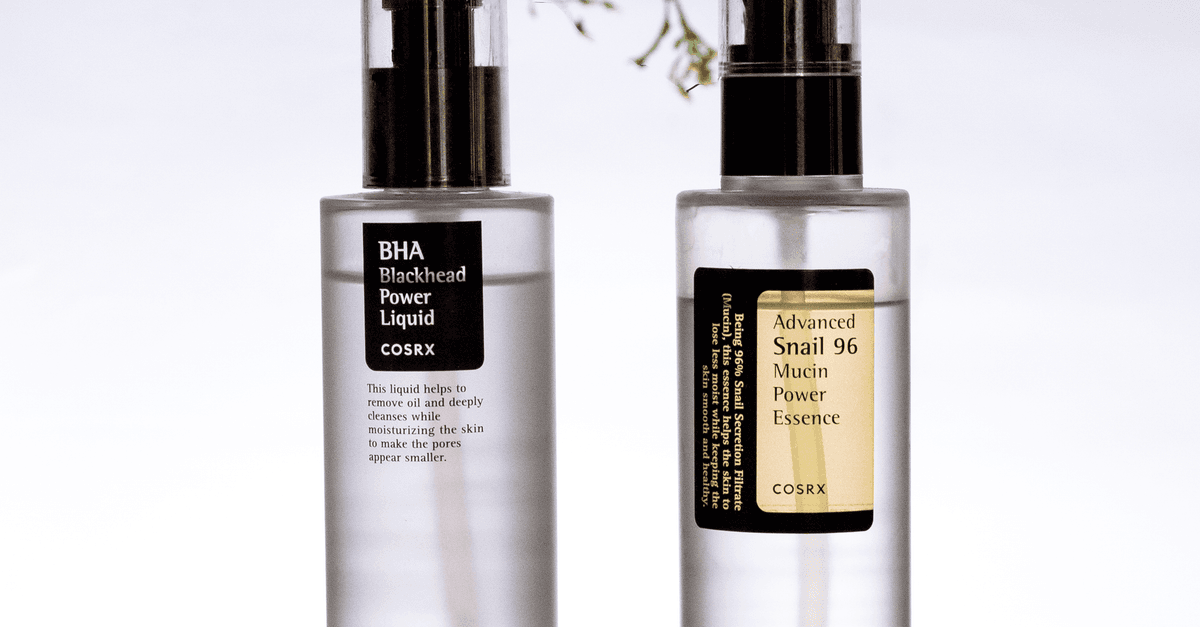
- Snail mucin — deeply hydrating and helps repair and soothe the skin barrier.
- Centella asiatica (cica) — calming and great for redness, sensitivity, and healing.
- Hyaluronic acid — a hydration powerhouse that plumps skin.
- Niacinamide — brightens, evens tone, and supports the barrier (see our best niacinamide serums).
- Ginseng & rice — traditional brightening and anti-aging ingredients.
- Propolis & honey — soothing, nourishing, and great for glow.
A popular starting point is a snail mucin essence or a centella (cica) cream for sensitive skin.
K-Beauty for Different Skin Types
The beauty of layering is how easily you can tailor it. Oily/acne-prone skin should favor lightweight, water-based layers, gel moisturizers, gentle BHA exfoliation, and ingredients like centella and salicylic acid. Dry skin thrives on richer essences, hyaluronic acid, ceramides, and a sleeping mask. Sensitive skin should keep it minimal and soothing — cica, snail mucin, fragrance-free formulas — and introduce actives slowly. Combination skin can mix textures, using lighter products on the T-zone. Always patch-test new products and add one at a time.
How to Get Glass Skin
Glass skin comes down to a handful of consistent habits: gentle double cleansing, regular but mild exfoliation, layering hydration (toner, essence, serum), sealing it with moisturizer, and protecting with daily SPF. Hydrating ingredients like hyaluronic acid and snail mucin help, as does a weekly sheet mask. There’s no overnight shortcut — it’s the steady routine that builds that luminous, healthy finish. Be patient and consistent, and your skin will gradually take on that signature dewy glow.
Is K-Beauty Worth It?
For most people, yes — especially if you value gentle, hydration-first skincare and enjoy a little ritual. K-beauty products are often well-formulated, elegant to use, and reasonably priced compared to many Western luxury brands. That said, you don’t need a cabinet full of products to benefit; the principles (gentle cleansing, layered hydration, daily SPF) matter more than the number of steps. Start with a few quality basics, see how your skin responds, and expand only if you enjoy it.
Common K-Beauty Mistakes to Avoid
A few pitfalls trip up beginners. The biggest is doing too much too soon — piling on ten new products at once, which can overwhelm and irritate skin. Others include over-exfoliating, skipping sunscreen (which undoes everything else), expecting overnight glass skin, and chasing trends instead of what your skin actually needs. Layer from thinnest to thickest texture, introduce new actives one at a time, and always give your skin a few weeks to adjust before judging results.
Building a Budget K-Beauty Routine
K-beauty is famously accessible. You can build a complete, effective routine affordably by sticking to the essentials — a gentle cleanser, a hydrating toner or essence, a good moisturizer, and a sunscreen — and adding sheet masks as inexpensive treats. Many beloved Korean products cost a fraction of Western equivalents. Focus your budget on a great sunscreen and moisturizer, use multitasking products, and skip the steps you won’t keep up with. Glowing skin doesn’t require an expensive shelf of products, just consistent care.
The Origins of K-Beauty
Korean skincare didn’t appear overnight — it grows out of a long cultural tradition that treats skincare as a daily act of self-respect and prevention rather than a quick fix. In Korea, caring for your skin from a young age, protecting it from the sun, and valuing a clear, healthy complexion are deeply ingrained. South Korea also became a global innovation hub for cosmetics, pioneering ingredients and textures (like essences, cushion compacts, and sheet masks) years before they reached Western shelves. That mix of cultural emphasis on prevention and relentless product innovation is exactly why K-beauty earned its worldwide following — it pairs genuine skin philosophy with genuinely clever products.
K-Beauty vs. Western Skincare
The biggest difference is mindset. Western skincare has traditionally leaned toward “correction” — strong actives that target a problem, sometimes at the cost of the skin barrier. K-beauty leans toward “prevention and nourishment” — gentle, layered hydration that keeps skin healthy so problems are less likely in the first place. Western routines tend to be shorter with higher concentrations; Korean routines are longer with lower, gentler concentrations layered together. Neither is “better,” and many people blend the two: using a Korean-style hydrating base with a few targeted Western actives. Understanding the difference helps you build a routine that genuinely suits your skin and lifestyle.
“Skip-Care”: The Minimalist Side of K-Beauty
If ten steps sounds exhausting, you’re in luck — even Korea has embraced “skip-care,” a minimalist trend that strips the routine back to a few high-quality, multitasking products. The idea is to do less but better: a great cleanser, one hydrating multitasker, a solid moisturizer, and sunscreen. Skip-care proves the point this guide keeps making — K-beauty is about smart, consistent care, not the number of bottles on your shelf. If you’re busy or just starting out, a skip-care approach gives you most of the benefit with a fraction of the effort.
How to Layer Products the Right Way
Layering is where K-beauty either works beautifully or goes wrong. The golden rule is to apply products from thinnest to thickest texture: watery toners and essences first, then serums, then creams, and finally sunscreen or sleeping mask. Give each layer a moment to absorb before the next so they don’t pill or roll off. Use gentle pressing and patting motions rather than rubbing, which is kinder to your skin and helps absorption. And don’t drown your skin — a few drops or a thin layer of each is plenty. Master this order and rhythm, and even a simple routine performs far better.
Glass Skin vs. Honey Skin vs. Dewy Skin
K-beauty has a few different “skin goals,” and they’re worth knowing. Glass skin is ultra-smooth, poreless-looking, and translucent. Honey skin is plump, bouncy, and glowing with a slightly more nourished, radiant finish — often the goal for drier or mature skin. Dewy skin is the everyday fresh, hydrated look that sits between matte and shiny. They’re all variations on the same theme: deeply healthy, hydrated skin. You don’t have to pick one; just aim for a strong, hydrated barrier and you’ll naturally land somewhere lovely on that spectrum.
Adjusting Your Routine by Season
Your skin’s needs change with the weather, and K-beauty adapts easily. In winter, when air is dry, lean into richer creams, facial oils, sleeping masks, and extra hydrating layers to protect the barrier. In summer, switch to lighter gel textures, water-based layers, and (always) a non-greasy sunscreen, and you may exfoliate slightly more as you sweat. Listen to your skin: if it feels tight, add hydration; if it feels congested, lighten up. This seasonal flexibility is one of the quiet advantages of a layered routine — you simply adjust which layers you reach for.
K-Beauty Tools & Devices
Tools can enhance a Korean routine, though they’re optional. Facial massage with gua sha tools or a jade roller boosts circulation, helps de-puff, and makes your skincare feel like a ritual. For those who want to go further, at-home beauty devices like LED masks and microcurrent devices pair naturally with the K-beauty emphasis on consistent, gentle care. As always, the products and consistency matter most — tools are the finishing touch, not the foundation.
How to Transition to a Korean Routine
You don’t need to overhaul everything at once — in fact, you shouldn’t. Start by swapping in a gentle double cleanse and a hydrating toner or essence, keeping your current moisturizer and sunscreen. Once your skin is comfortable, add an essence or a treatment serum, then sheet masks, then any extras you fancy. Introduce one new product at a time and wait a week or two before adding another, so you can spot what works (or what irritates). This slow, gentle transition is very much in the K-beauty spirit, and it sets you up for a routine you’ll actually keep.
What to Look for When Buying K-Beauty Products
With K-beauty’s popularity, the market is flooded — so shop smart. Buy from reputable retailers or the brand’s official store to avoid counterfeits, which are common with popular Korean products. Read the ingredient list for what your skin actually needs, and look for gentle, barrier-friendly formulas rather than chasing whatever’s viral. Check reviews from people with a similar skin type to yours. Pay attention to expiry dates and packaging (airless pumps and tubes protect actives better than jars). And start with travel or sample sizes when trying a new product, so an expensive full-size doesn’t go to waste if it doesn’t suit you.
Is K-Beauty Suitable for Men?
Absolutely — good skincare isn’t gendered, and K-beauty’s gentle, straightforward approach suits men beautifully. In fact, skincare is hugely popular among men in Korea. The same principles apply: cleanse gently, hydrate, and protect with sunscreen daily. Men with oily or acne-prone skin can lean on lightweight, water-based layers and gentle exfoliation, while those who shave benefit from soothing ingredients like centella to calm irritation. A simple four-step routine — cleanser, hydrating toner or essence, moisturizer, and SPF — is an easy, effective entry point for anyone, regardless of gender.
Key Takeaways
- K-beauty is a gentle, hydration-first philosophy — cleanse, hydrate, treat, and protect.
- The 10-step routine is a menu, not a rule; beginners can start with cleanser, toner/essence, moisturizer, and SPF.
- Layer products thinnest to thickest, and add new steps slowly.
- Star ingredients: snail mucin, centella (cica), hyaluronic acid, niacinamide, ginseng, propolis.
- Daily sunscreen and consistency are what create lasting “glass skin” — not any single product.
Frequently Asked Questions
What is the Korean skincare routine?
It’s a gentle, layered routine — classically up to ten steps — focused on hydration and protection: oil and water cleansing, exfoliation, toner, essence, serum, sheet mask, eye cream, moisturizer, and sunscreen. Most people use a simplified version daily.
Do I really need all 10 steps?
No. The ten steps are a menu, not a requirement. A great beginner routine is just gentle cleanser, hydrating toner or essence, moisturizer, and sunscreen, done consistently. Add more steps only if you want to.
What is glass skin?
Glass skin is the K-beauty ideal of smooth, deeply hydrated, even-toned skin that looks almost translucent. It comes from consistent hydration, gentle exfoliation, barrier care, and daily SPF — not a single product.
Is Korean skincare good for acne-prone skin?
Yes — its gentle, hydration-focused approach suits acne-prone skin well. Favor lightweight, water-based layers, gel moisturizers, gentle BHA exfoliation, and soothing ingredients like centella, and always use a non-comedogenic sunscreen.
What order do I apply Korean skincare products?
Apply from thinnest to thickest texture: cleanser, exfoliant (occasionally), toner, essence, serum, sheet mask, eye cream, moisturizer, then sunscreen in the morning or a sleeping mask at night.
Is K-beauty worth the money?
For most people, yes. Korean products are often well-formulated and affordable, and the core principles deliver real results. You don’t need many products, though — a few quality basics used consistently matter most.
Can I mix Korean and Western skincare products?
Absolutely — many people use a Korean-style hydrating base with a few targeted Western actives like retinol or vitamin C. Just introduce strong actives slowly and avoid over-layering irritating ingredients.
How long does it take to see results from K-beauty?
Hydration and glow can improve within a couple of weeks, but lasting changes in tone, texture, and “glass skin” build over 6–12 weeks of consistent use. Daily sunscreen is essential for long-term results.
Where should I buy Korean skincare products?
Buy from the brand’s official store or reputable retailers to avoid counterfeits, which are common with popular K-beauty products. Sample or travel sizes are a smart, low-risk way to try something new before committing to a full size.
Health note: this guide is for general beauty and informational purposes and isn’t medical advice. If you have a skin condition or persistent concerns, please consult a dermatologist.

 Adhorika Khan