 Adhorika Khan
You spent real money on a fragrance you love, and by lunch it’s gone — while somewhere, someone’s two-spray morning is still announcing them at dinner. The difference is rarely the perfume. Fragrance longevity is a system: WHERE you apply (warm pulse points, on moisturized skin), HOW you apply (spray, don’t rub — rubbing crushes the molecules’ structure), WHAT concentration you bought (eau de toilette evaporates by design), and how you store the bottle (heat and light murder perfume quietly). Fix the system and most fragrances double their wear time.
This is the complete longevity guide: the skin-prep secret, pulse-point strategy, the layering method perfumers actually use, concentration decoded (EDT vs EDP vs parfum), storage rules, and the honest note about why some scents are simply built to whisper.
Key Takeaways
- Moisturized skin is the #1 longevity hack: fragrance evaporates fastest off dry skin — unscented lotion first doubles wear for many people.
- Never rub your wrists together — friction heats and breaks down the delicate top and heart notes; spray and let dry.
- Concentration is the fine print: parfum > eau de parfum > eau de toilette > cologne — much of “my perfume doesn’t last” is “I bought the lightest version.”
- Note families set the ceiling: citrus and fresh scents are volatile by chemistry; woods, ambers, and musks are marathoners.
- Store cool, dark, capped: the bathroom shelf is where perfume goes to turn — a drawer adds years.
Why Fragrance Fades: The Two-Minute Chemistry
Perfume is aromatic molecules dissolved in alcohol, engineered to evaporate in sequence: top notes (citrus, herbs — the first fifteen minutes), heart notes (florals, spices — the next few hours), and base notes (woods, ambers, musks, vanilla — the long tail). “My perfume disappears” usually means one of four things: the skin surface let it evaporate too fast (dry skin has no lipid layer to hold molecules), the application damaged the sequence (rubbing), the concentration was light to begin with, or — the perception trap — nose blindness: your own receptors tune out a constant scent within the hour while everyone else still smells it. (Quick test before blaming the bottle: ask someone, or smell your wrist after ten minutes outdoors — olfactory fatigue resets with fresh air.)
The Skin Prep: Longevity’s Biggest Lever
Scent molecules cling to lipids — which dry skin lacks and moisturized skin offers. The protocol: apply fragrance right after your shower routine, onto skin still slightly warm and freshly moisturized with an unscented lotion (scented ones muddy the composition; the fragrance-free basics from our body routine are perfect). The enthusiast upgrade: a thin smear of plain petroleum jelly on pulse points before spraying — the occlusive holds aromatics like a slow-release reservoir; it’s the single most repeated trick among fragrance collectors because it visibly (nasally?) works. Oily-skinned readers already enjoy this advantage naturally — fragrance famously lasts longer on oilier skin; dry-skinned readers, the moisturizer step is practically mandatory.
Where to Apply: The Pulse-Point Strategy
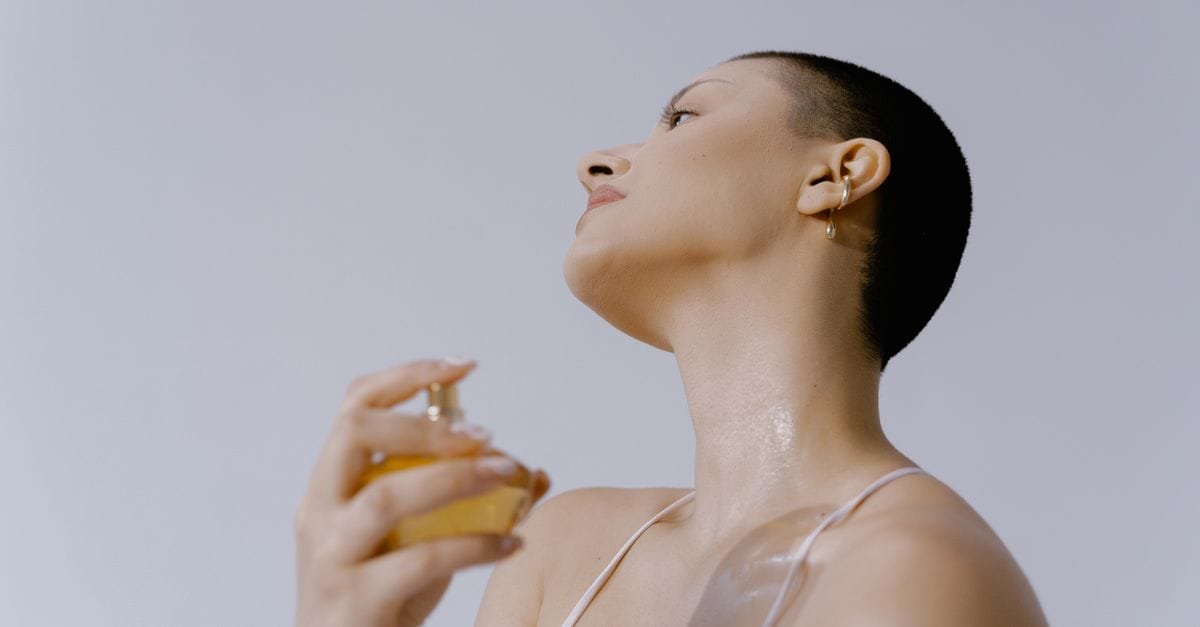
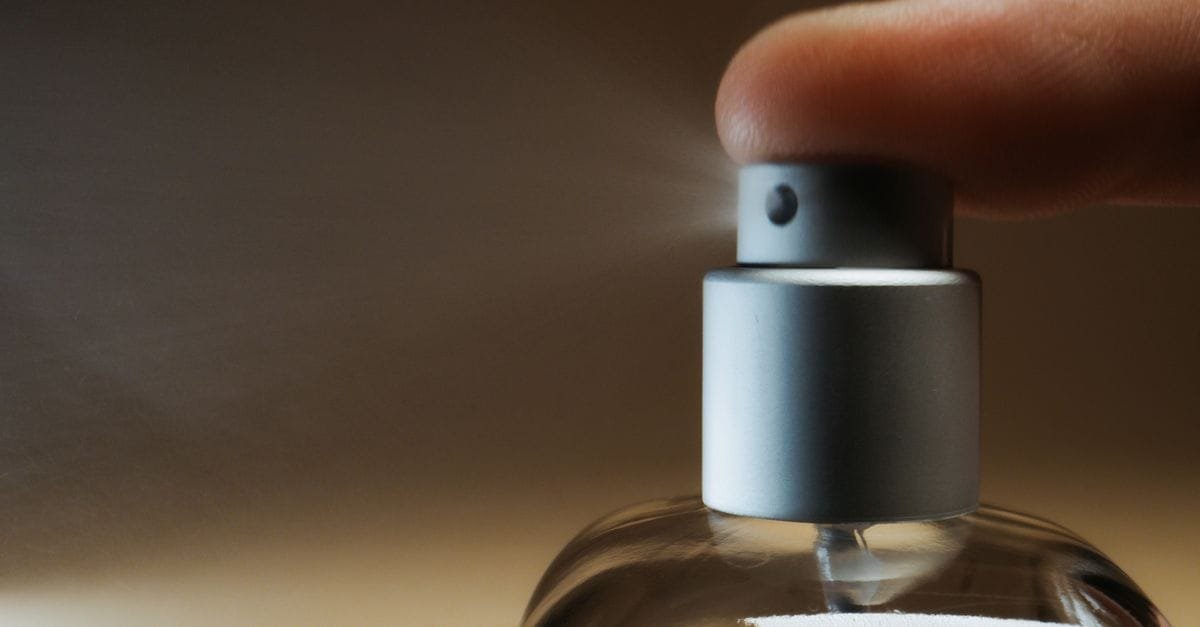
Warmth diffuses scent, so the classic targets are where blood runs close: wrists (sprayed, never rubbed — the rule earns its own section below), the neck sides and the hollow of the throat, behind the ears, and for longer sillage on warm days, the chest and — collector favorite — behind the knees (scent rises all day; genuinely clever for skirt-and-dress seasons).
The hair-and-clothes chapter: fabric holds fragrance far longer than skin (scarves famously carry a scent for weeks) — a spray through the air onto a jacket lining, scarf, or shirt hem extends any perfume, with two cautions: some deeper fragrances stain pale fabrics (test), and never spray alcohol-based perfume directly into hair (it’s drying — the cuticle objects); instead, mist your hairbrush lightly and pass it through, or buy the dedicated hair-mist version of a scent you love.
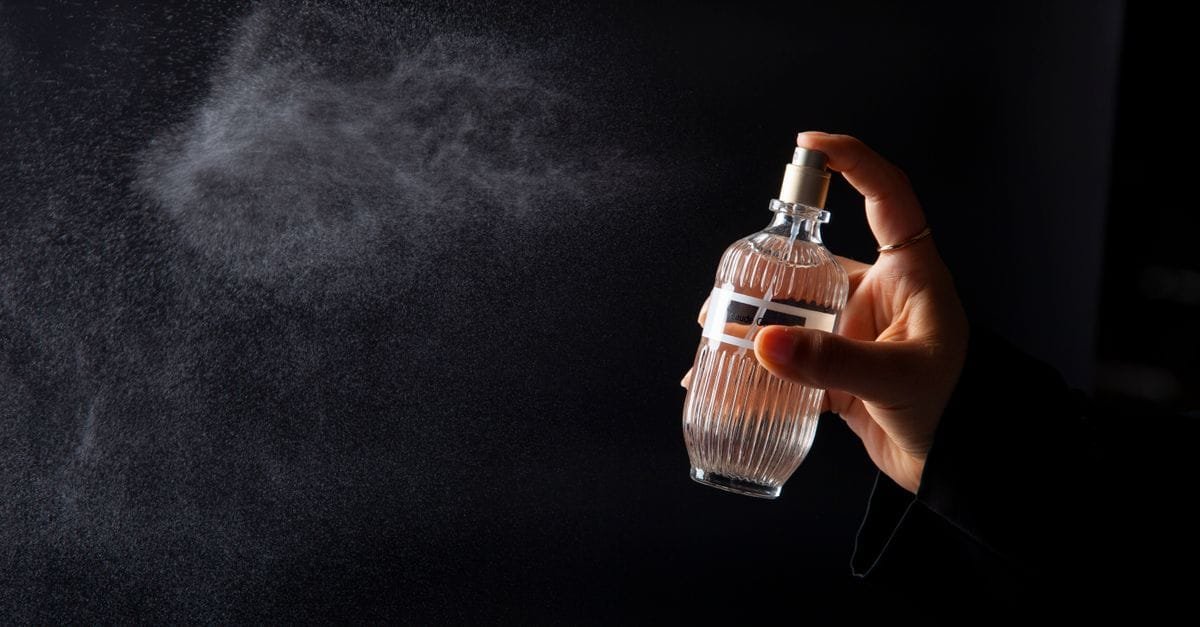
How many sprays: two to four for EDP, a couple more for EDT — applied at 10–15cm so the mist lands as droplets, not a puddle. The walk-through-a-cloud method is charming and wastes most of the bottle on your bathroom floor.
The Rubbing Rule (and Other Application Myths)
Don’t rub wrists together. The friction generates heat that flashes off the volatile top notes and — per perfumers — mechanically disrupts the intended evaporation sequence; you skip your fragrance’s opening act and bruise its heart. Spray, then let it dry untouched — thirty seconds of patience.
Companion myths, retired: “spray more for all-day wear” — over-application doesn’t extend the timeline, it just makes hour one antisocial; re-application beats front-loading. “Fragrance belongs on clothes only” — fabric extends but skin develops; the composition was designed to interact with warmth and skin chemistry. “Expensive lasts longer” — price buys composition and brand, not longevity; a $30 amber outlasts a $200 citrus every time, because chemistry outranks prestige. “Perfume never expires” — see storage below; the top notes sour first, and that vinegary opening on an old bottle is the tell.
Concentration Decoded: The Label Fine Print
The same scent name often exists at several strengths, and the strength IS the longevity spec: Parfum/extrait (20–40% aromatic oils) — the marathoner, 8–12+ hours, priced accordingly; Eau de Parfum (EDP) (15–20%) — the sweet spot, 5–8 hours; Eau de Toilette (EDT) (5–15%) — bright, lighter, 2–5 hours by design; Eau de Cologne and body mists (2–5%) — deliberately fleeting refreshers. If your beloved scent vanishes by noon and it’s an EDT, the fix might simply be its EDP sibling. Concentration also changes the scent itself slightly (more base-note weight in richer versions) — sample before committing to the upgrade.
Note Families: Some Scents Are Built to Whisper
Chemistry sets a ceiling no technique lifts: citrus, green, and aquatic notes are small, volatile molecules — brilliant and brief, the sprinters of perfumery (this is why summer colognes “don’t last” — they’re not supposed to). Florals occupy the middle. Woods, ambers, musks, vanilla, oud, patchouli are heavy molecules that cling for hours — the marathoners. The practical translations: if longevity is your priority, shop the warm/woody/amber families or check a scent’s base notes before buying; if you love a fleeting citrus, carry the travel spray and re-apply at lunch without guilt — that’s how they’re meant to be worn; and layering (next section) lets a sprinter ride a marathoner’s back.
Layering: The Perfumer’s Longevity Trick
Layering builds a scent wardrobe with staying power: the matched-line version — scented shower gel + lotion + fragrance from the same line compounds the composition (the expensive-but-effective route); the neutral-base version — unscented moisturizer or the petroleum-jelly primer under any perfume (the budget route with most of the benefit); the fragrance-stacking version — a long-lasting simple base scent (a vanilla or musk body spray) under your complex fragrance extends its tail; keep pairings simple — one base plus one hero. What not to layer: two complex perfumes at once (mud), and heavily scented deodorants/body sprays that fight the composition. The goal is a scent pyramid with a longer foundation — not a crowd.
Storage: Where Bottles Age Gracefully (or Don’t)
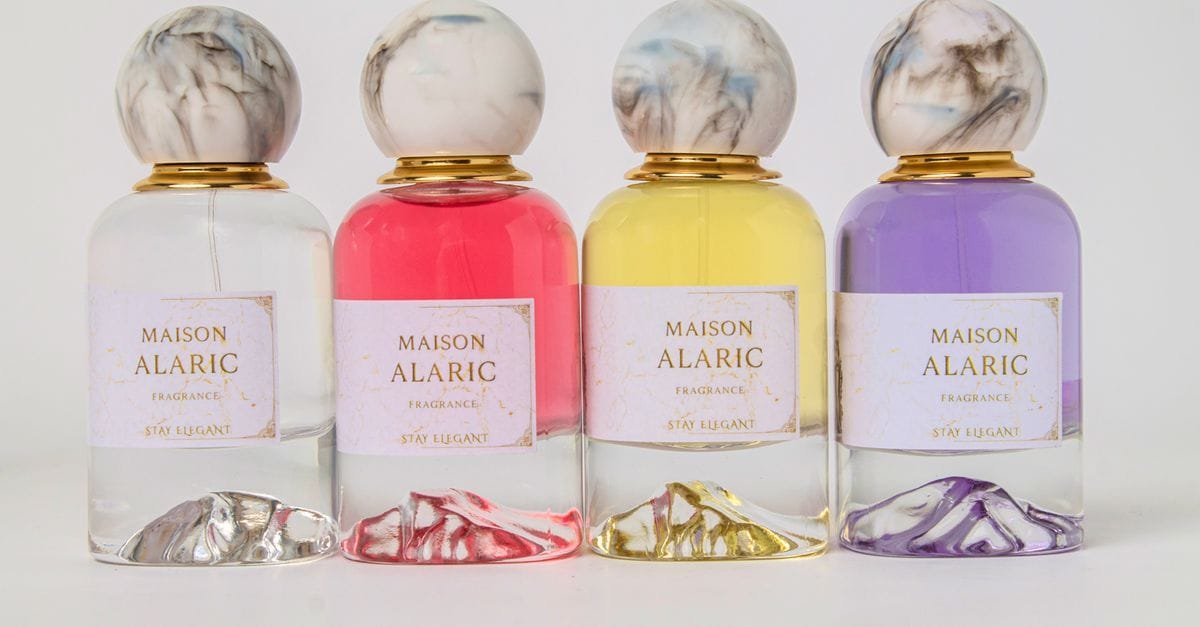
Perfume’s three enemies: heat, light, and air. The bathroom — humid, warm, bright — is the worst room in the house for the collection it usually hosts. The rules: a cool, dark drawer or cabinet (or the box the bottle came in — that packaging is functional); caps on, sprayers attached (air oxidizes the top notes first); no windowsill display, however pretty the light through the glass (that light is the problem); and for the serious collection, the classic advice holds — some enthusiasts refrigerate lighter scents. Lifespan honestly: an opened, well-stored bottle keeps 3–5 years; heat-abused bottles turn in one. The tells of a turned perfume: darkened juice, a sour or nail-polish opening note, and a changed drydown — the expiry senses test, fragrance edition.
The All-Day Wear Protocol, Assembled
Morning: shower, unscented lotion everywhere, petroleum-jelly dab on wrists and neck, 2–4 sprays at 15cm (wrists, throat, one to the chest), untouched drying, plus one spray through the hairbrush or onto the scarf. Midday: the travel atomizer refresh — one or two sprays, wrists and throat (decant your bottle into a pocket atomizer; it’s the re-application habit that actually makes “all-day” true, and it costs nothing). Evening check: ask someone before adding more — nose-blindness means you’re usually still scented when you think you’ve faded. Bottle care: back in the drawer, cap on. Total system cost: a lotion you own, a $8 atomizer, and thirty seconds of technique — for double the hours from every bottle you’ll ever buy.

Seasons and Skin Days: Why the Same Bottle Behaves Differently
Fragrance is performance chemistry, and the stage changes. Heat amplifies — summer skin projects scent further and burns through top notes faster (lighter application, more re-application); cold mutes — winter needs richer concentrations and benefits most from the fabric strategy (scarf season is sillage season); humidity carries scent beautifully; dry air (winter heating, flights) evaporates it — the moisturizer prep matters most exactly then. Skin-day variables too: post-shower skin projects more than end-of-day skin; hormone shifts subtly change skin chemistry and how compositions read (the same bottle smelling “different lately” is usually you, not it); and medications and diet can shift skin’s surface chemistry enough to notice. The practical translation: own a light-and-bright for heat, a rich-and-warm for cold, and re-judge any “broken” perfume across a few different days before sentencing it — the bottle is the constant; you’re the variable.
Building a Small Wardrobe That Always Lasts
The collector’s endgame is smaller than Instagram suggests: three bottles cover a life — a fresh daytime scent (accepting its honest shorter wear), a rich signature with real base notes (the marathoner doing daily duty), and an evening statement at EDP-or-higher concentration. Buy each with the longevity specs in mind: check the base notes (woods, ambers, musks, vanilla), prefer EDP concentrations, and sample on YOUR skin across a full day before committing — counter-paper tells you the opening; only skin tells you the drydown and the wear time. Decant each into a travel atomizer, store the bottles dark and cool, and the three-bottle wardrobe outperforms the twenty-bottle shelf where everything is half-turned and nothing is ever finished. Fragrance rewards curation exactly like skincare does: fewer, better, properly kept.
The Bottom Line
Perfume longevity was never about finding the magical bottle — it’s moisture under the scent, warmth beneath the pulse points, patience instead of rubbing, the right concentration on the label, fabric as your accomplice, and a drawer instead of a windowsill. Run the system and your signature scent finally behaves like one: present at breakfast, alive at dinner, and unmistakably yours in between.
The longevity kit:
The longevity kit:
Frequently Asked Questions
How do I make my perfume last all day?
Apply to moisturized skin (unscented lotion first — the biggest single upgrade), spray pulse points without rubbing, add one spray to fabric or a misted hairbrush, and carry a travel atomizer for a midday refresh. Concentration matters too: EDP outlasts EDT by hours.
Why does perfume last on other people but not me?
Usually skin type (fragrance clings to oils — dry skin sheds it fast; moisturize first), concentration choice, or nose-blindness: your receptors tune out your own scent within an hour while others still smell it. Ask before re-spraying.
Is it bad to rub perfume into your wrists?
Yes — friction heats and disrupts the top and heart notes, skipping your fragrance’s opening and dulling its development. Spray from 10–15cm and let it dry untouched.
What’s the difference between EDT and EDP?
Concentration of aromatic oils: eau de toilette runs 5–15% (2–5 hours by design), eau de parfum 15–20% (5–8 hours), parfum/extrait 20%+ (8–12+). Much of “my perfume doesn’t last” is simply owning the lightest version.
Where should you apply perfume to make it last?
Warm pulse points — wrists, neck, behind ears, chest — over moisturized skin, plus behind the knees for all-day rising scent. Fabric (scarf, jacket lining) holds fragrance longest of all; hair gets the misted-brush method, never direct sprays.
Does perfume expire?
Opened and well-stored: 3–5 good years. Heat, light, and air sour the top notes first — a darkened juice or vinegary opening means the bottle turned. Store cool, dark, and capped; never the bathroom shelf.
Which perfumes last the longest?
Chemistry decides: woods, ambers, musks, vanilla, and oud are heavy, clingy molecules (the marathoners); citrus and aquatics are volatile by nature (brilliant sprinters). Check the base notes and the concentration before expecting all-day wear.
Why can’t I smell my own perfume anymore?
Olfactory fatigue — your receptors tune out constant scents within the hour while everyone else still smells you clearly. Fresh outdoor air resets it; asking a friend beats re-spraying blind.
Is it better to spray perfume on skin or clothes?
Both, strategically: skin develops the composition as designed (moisturized pulse points), while fabric holds scent longest — a spray to a scarf or jacket lining extends any fragrance. Test dark fabrics for staining first.

 Adhorika Khan