 Adhorika Khan
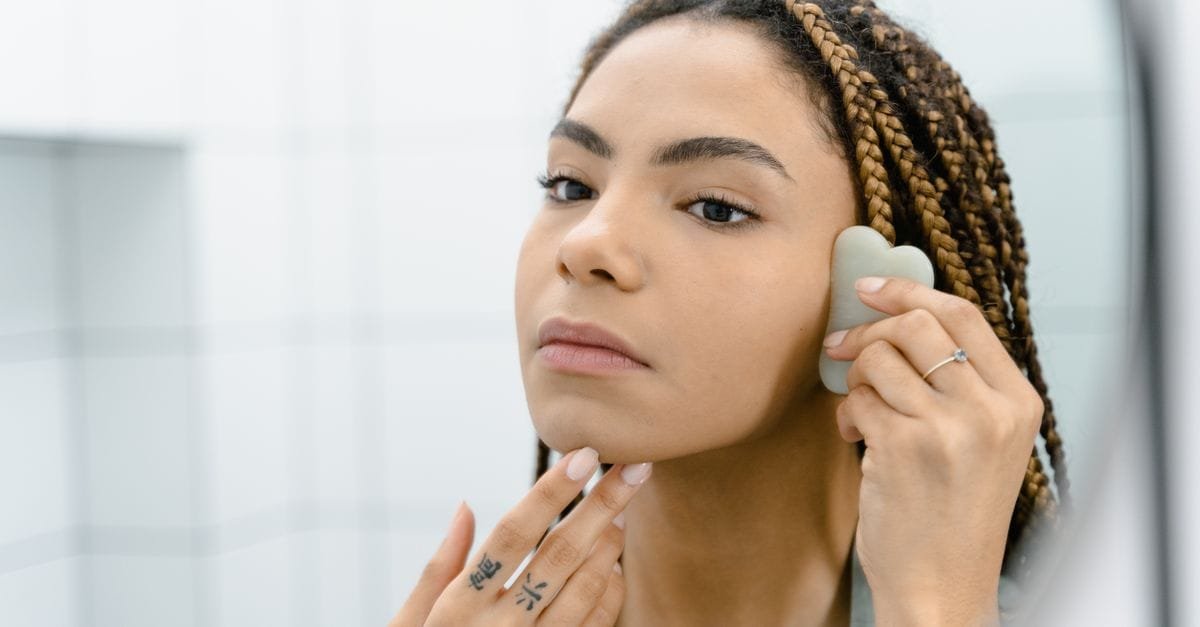
Gua sha has completed the full internet cycle: ancient practice → viral sensation → miracle claims → backlash → confusion. Time for the honest middle. Facial gua sha is a massage technique using a smooth stone tool to sweep along the face and neck. What it genuinely does: reduces fluid puffiness (sometimes dramatically), releases jaw and brow tension, boosts short-term circulation and glow, and feels wonderful. What it doesn’t do: reshape bone, dissolve fat, replace retinoids, or “lift” anything permanently.
Within those honest limits lives a genuinely worthwhile ritual. This guide covers the real benefits, the correct technique step by step, the mistakes that leave marks, and who should skip it entirely.
Key Takeaways
- Gua sha is lymphatic massage with a tool — its superpower is draining fluid puffiness and releasing muscle tension.
- Results are real but temporary: de-puffed contours for hours-to-a-day; the “sculpting” resets overnight.
- Technique rules: oil first, light pressure, upward-outward strokes, always toward the lymph drains.
- The face is not the body: traditional body gua sha uses firm pressure and expects redness; facial gua sha should never leave marks.
- Skip it over active acne, rashes, sunburn, or fresh cosmetic treatments.
What Is Gua Sha, and Where Does It Come From?
Gua sha (“scraping sha”) is a traditional East Asian therapy centuries old, classically performed on the body with firm strokes intended to raise transient redness as part of the treatment philosophy. The facial version that conquered social media is a much gentler modern adaptation — same smooth tools, a fraction of the pressure, and entirely different goals: drainage, tension release, and glow rather than the traditional practice’s aims.
Respecting that lineage means being honest about the fork: what this guide teaches is contemporary facial gua sha — a massage ritual — not traditional medicine, and the claims we make for it will stay inside what massage can actually deliver.
What Does Facial Gua Sha Actually Do?
The Real Benefits
De-puffing: the headline act. The face accumulates lymphatic fluid overnight (the full physiology is in our puffy eyes guide), and directional massage toward the drainage points genuinely moves it along — cheekbones and jawline emerge, eyes open up, and the effect is visible in the mirror within minutes on a puffy morning.
Muscle tension release: jaw clenchers, teeth grinders, and screen-frowners carry real tension in the masseter and brow — gua sha works these like a foam roller works calves, and the relief is the reason many people stay hooked long after the trend moved on.
Circulation and glow: massage brings blood to the surface — the immediate post-session radiance is real, pleasant, and temporary.
The ritual itself: five slow minutes of self-care measurably beats five minutes of doomscrolling for stress — and stress shows on skin.
The Honest Limits
No permanent lifting (fluid returns; muscles reattach to nothing), no fat dissolution, no wrinkle removal (collagen doesn’t respond to sweeping — that’s retinoid and SPF work), no jawline “sculpting” beyond the day’s de-puffing. Anyone promising permanent structural change is selling stones, not science.
Choosing a Tool (Spoiler: The Stone Barely Matters)
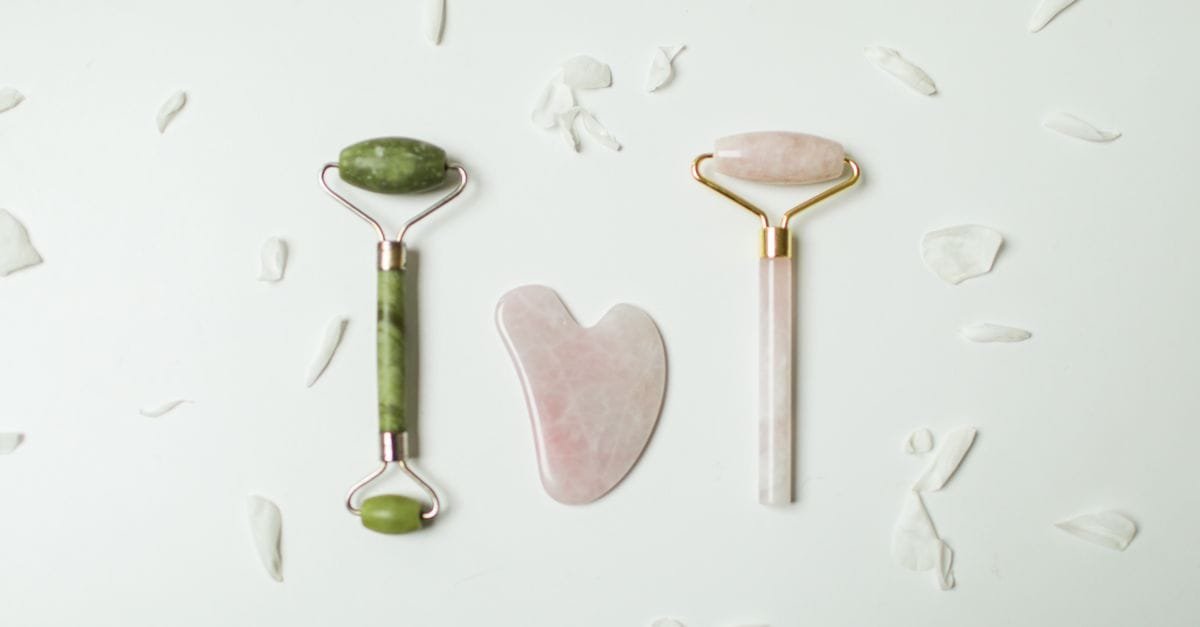
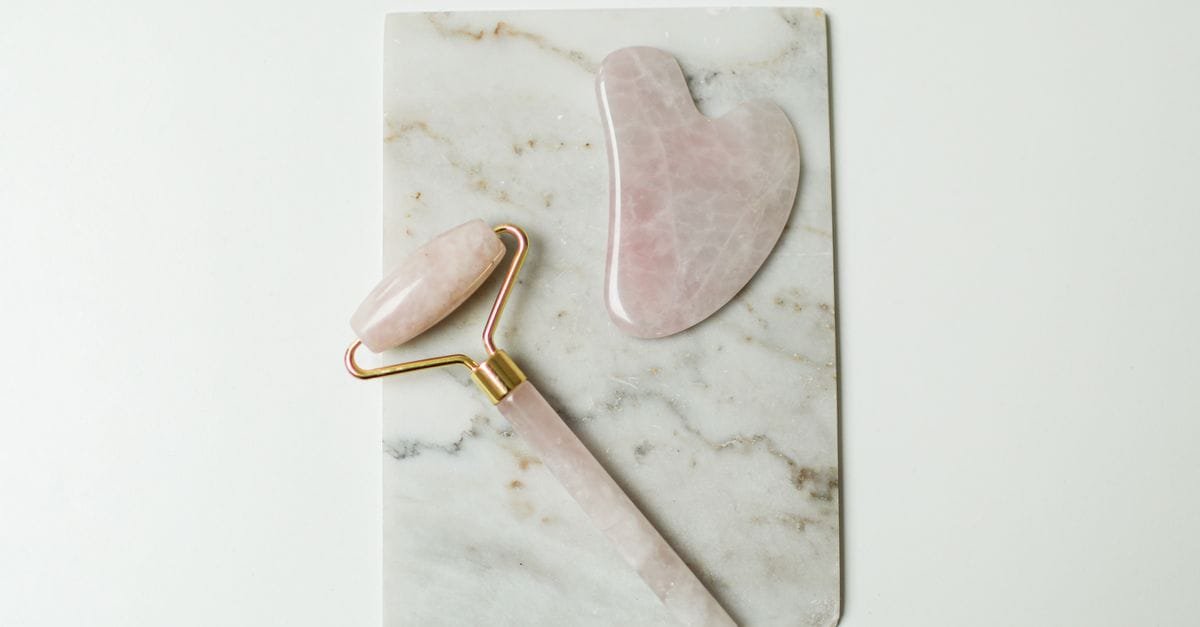
Jade, rose quartz, bian stone, stainless steel — the internet assigns each mystical properties; your lymphatic system cannot tell them apart. What actually matters: smooth edges (run a finger around the whole perimeter — any roughness disqualifies), a comfortable shape (the classic heart/wing shape fits most faces; the notched edge hugs the jawline), solid feel (very cheap tools can chip — inspect regularly, a chipped edge scratches), and a material that holds cold if you love the chilled version (stone and steel both do; keep it in the fridge, not freezer).
Our gua sha tool roundup compares the worthwhile options — but honestly, a well-made $12 stone performs identically to a $60 one. Spend the difference on the facial oil.
The Setup: Oil Is Not Optional
Gua sha on dry skin drags, and dragging thin facial skin is exactly the damage we’re avoiding. Cleanse first, then apply enough facial oil or rich serum that the stone glides without pulling — squalane and jojoba are ideal slip (our face oils guide matches oils to skin types; clog-prone faces pick light and non-comedogenic since it’s getting massaged in). Water-based serums absorb too fast; creams work in a pinch. Evening is the traditional slot; puffy-morning people get more visible payoff before breakfast.
The Technique, Step by Step
The grammar of every stroke: light pressure (the tool’s own weight plus a whisper — lymph vessels sit just under the skin and collapse under force; harder is not deeper, it’s just harder), the tool nearly flat at 15–45 degrees (not perpendicular like a scraper), slow strokes (three seconds each, three to five repeats per zone), and one direction only — no back-and-forth sawing.
1. Open the drains (neck first): gentle downward strokes on the sides of the neck toward the collarbone — you’re clearing the exit route before sending traffic to it. Five strokes each side.
2. Jawline: notched edge hugging the jaw, sweep from chin along the jawbone to below the ear, then down the neck. The clencher’s favorite zone — linger on the masseter with tiny slow circles if it’s tender.
3. Cheeks: flat edge from the nose outward across the cheekbone toward the top of the ear, lifting slightly. This is the de-puffing money stroke.
4. Under-eyes (extreme gentleness): the smoothest curved edge, feather-light, inner corner outward to the temple. Thinnest skin on the body — half the pressure you think is gentle.
5. Brow and forehead: from brow bone upward to hairline, then from center outward to temples — the frown-line tension zone.
6. Close the loop: finish with the neck-down strokes again, escorting everything you mobilized to the exits. Total time: five to ten unhurried minutes.
How Often — and When Will You See Results?
Two to four sessions weekly is the sustainable sweet spot; daily is fine if pressure stays honest. Immediately: post-session glow and (on puffy days) visible de-puffing. Two to four weeks of consistency: less morning puffiness overall, softer jaw tension, and the ritual’s stress benefits compounding. What never arrives: the permanent lift — and knowing that upfront is what separates a satisfied user from a disappointed one. Photograph a puffy morning before/after once; the honest delta is genuinely impressive and genuinely temporary.
Mistakes That Leave Marks (Literally)
Too much pressure — the #1 error; facial gua sha should never leave redness lasting beyond minutes, let alone the bruise-like “sha” of body practice. Dry-skin dragging — always oil. Sawing back and forth — one direction, lift, return, repeat. Skipping the neck — sending fluid toward closed exits. Vertical tool angle — scraping instead of sweeping. Sharing an uncleaned tool — wash with soap and warm water after each use like the skin-touching instrument it is. Rushing — ninety frantic seconds delivers neither drainage nor calm.
Who Should Skip Gua Sha (or Ask First)?
Hold off over active inflamed acne (massaging inflammation spreads and worsens it — treat first, sweep later), rosacea flares, eczema patches, rashes, sunburn, or broken skin, fresh cosmetic work (filler, Botox, microneedling, peels — ask your provider for the all-clear timeline; typically at least two weeks), and anywhere it hurts — discomfort is data. Medical questions — blood thinners, clotting disorders, lymphatic conditions, pregnancy — deserve a quick professional conversation before starting; massage is gentle, but “gentle” and “medically cleared” are different words.
Gua Sha vs Jade Roller vs Your Hands
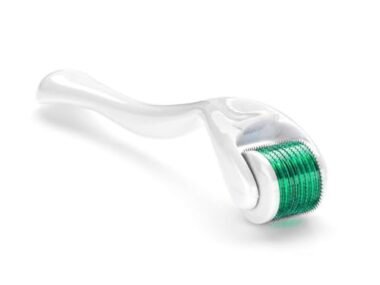
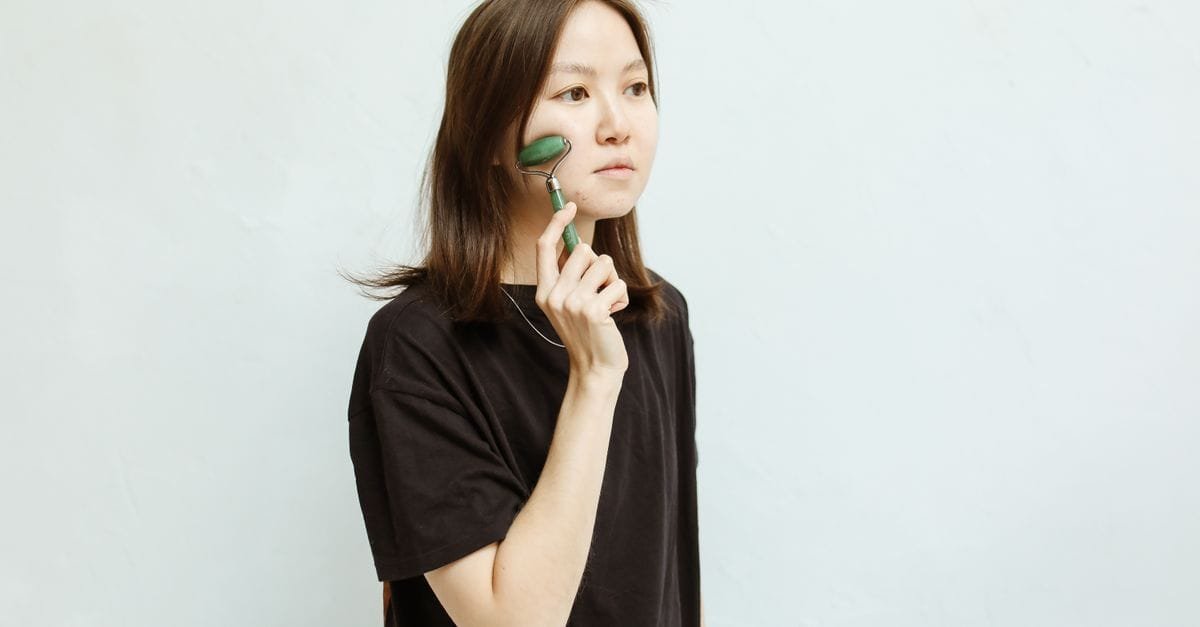
The roller is gua sha’s simpler sibling — easier to learn, colder-feeling, better for lazy evenings; less precise on jaw tension and drainage pathways. Bare hands do real lymphatic work too (knuckles along the jaw, fingertips at the temples) — free, always available, slightly less glide. Gua sha wins on precision, tension release, and ritual weight. Own all three moods; there’s no wrong entrance to the same modest, pleasant benefits. The chilled version of any of them doubles as the cold therapy from our dark circles and puffy-eyes playbooks.
The 3-Minute Morning Express Version
The full ritual is for evenings; puffy mornings need triage. The condensed sequence, fridge-cold tool, over your morning oil or serum: ten seconds of neck-down strokes each side to open the drains; thirty seconds per side sweeping cheekbone from nose to ear (the de-puff money stroke); twenty seconds per eye of feather-light inner-to-outer under-eye passes; fifteen seconds up the brow; finish with ten seconds of neck-down escorts. Three minutes, visibly less pillow-face, and you’re at the coffee machine before it finishes brewing. Keep the tool in the fridge next to the eye cream, and the routine assembles itself on autopilot — the same habit-stacking logic that makes any skincare stick.
Pairing Gua Sha With the Rest of Your Routine
Gua sha slots into a routine as the massage layer, not a treatment replacement: actives first on their own schedule, oil as slip, stone over the top. Two pleasant pairings earn a mention — doing it while a hydrating sheet mask sits (the stone presses the serum in and the mask provides slip), and using it on retinoid recovery nights when the skin wants comfort rather than chemistry. One pairing to avoid: gua sha immediately after strong acids or retinoids, when the barrier is busiest — massage waits for calm skin, same as everything else worth doing gently.
The Bottom Line
Facial gua sha is a lovely, legitimate massage ritual wearing an overhyped costume. Strip the miracle claims and what remains is worth keeping: real de-puffing, real tension relief, real glow, real calm — five slow minutes at a time, light as a whisper, always with oil, always toward the drains. Enjoy it for what it is, and let your retinoid and sunscreen handle what it isn’t.
Beyond the Face: Neck, Shoulders, and Scalp
The tool’s best-kept secret is everything below the jaw. The neck and shoulder sweep — long strokes from under the ear down the side of the neck, then from neck-base outward along the top of the shoulder — addresses the exact tension deposit that desk work builds; use body-level pressure here (firmer than face, still short of discomfort). The scalp needs no oil: the comb-edge of many tools raked gently from hairline to crown is a head massage with structure — wonderful for tension headaches at the temples. Screen-neck stiffness responds to the same slow, repeated, downward-and-outward logic as facial drainage. Five extra minutes on the infrastructure often does more for how your face looks than five more minutes on the face — tension travels upward.
Caring for the Tool Itself
A gua sha stone touches oiled skin several times a week — it needs the same hygiene as any applicator. After each use: warm water and a drop of gentle soap, dry with a soft cloth (oil left on stone goes rancid quietly). Weekly-ish: a pass with rubbing alcohol if you’ve been using it over any blemish-adjacent territory. Storage: a pouch or drawer — not loose in a makeup bag collecting powder and grit that becomes tomorrow’s exfoliant-by-accident. Inspect monthly: run a fingertip around the full edge; chips and rough patches retire a stone immediately (a cracked edge is a scratch dispenser). Stones don’t expire, but they do chip — the $12 replacement is cheaper than the scratched cheek.
The small honest setup:
The small honest setup:
Frequently Asked Questions
Does gua sha actually work?
For fluid puffiness, jaw tension, and temporary glow — yes, genuinely. For permanent lifting, fat loss, or wrinkle removal — no. It’s effective massage, not restructuring.
How often should you do gua sha?
Two to four times weekly is the sweet spot; daily is fine with honest, light pressure. Five to ten unhurried minutes per session beats a rushed daily scrape.
Do you need oil for gua sha?
Yes — always. The stone must glide, never drag; dragging thin facial skin causes the exact damage you’re trying to avoid. Squalane or jojoba oil are ideal slip layers.
Should gua sha leave red marks?
Facial gua sha, no — brief flushing that fades in minutes is the maximum. Lasting redness means too much pressure. (Traditional body gua sha intentionally raises redness, but that’s a different practice with different rules.)
Can gua sha slim your face?
It de-puffs — which on a fluid-retaining morning can look dramatically “slimmer” for hours. It cannot remove fat or change bone structure, and the contours reset as fluid naturally returns.
Which is better: gua sha or jade roller?
Gua sha offers more precision for jaw tension and drainage pathways; rollers are easier and great chilled. The benefits overlap heavily — pick the one you’ll actually use consistently.
When should you not use gua sha?
Over active inflamed acne, rashes, sunburn, eczema flares, or broken skin; after recent filler, Botox, or other procedures (ask your provider); and anywhere it causes pain rather than relief.
Should gua sha be done morning or night?
Both work — evening suits the full tension-release ritual, while morning delivers the visible de-puffing payoff before the day starts. Puffy-morning people get the most dramatic mirror results before breakfast, with a fridge-chilled tool.
Does the gua sha stone material matter?
Functionally, no — jade, rose quartz, and steel all sweep identically; your lymphatic system can’t read crystals. What matters is smooth edges, a comfortable shape, and a material that holds cold if you like it chilled.


 Adhorika Khan