 Adhorika Khan
The shave was perfect. Two days later, the skin is a constellation of red, itchy, sometimes painful bumps — and the next shave over them makes everything worse. Razor bumps are ingrown hairs: shaved hairs that curl back and pierce the skin (or grow sideways under it), triggering inflammation around a hair your body now treats as a splinter. They’re most common with coarse and curly hair, they concentrate wherever shaving is closest, and they’re highly preventable — with technique, chemistry, and sometimes the honest decision to stop shaving so close.
This is the complete guide: bumps vs burn vs folliculitis (three different problems), the prevention technique that solves most cases, the treatment protocol for active bumps, the special rules for coarse and curly hair, and when bumps deserve a prescription.
Key Takeaways
- Razor bumps = ingrown hairs: sharp-cut hair tips re-entering skin — an inflammation around a “splinter” your own razor made.
- Coarse, curly hair is most prone: the tighter the curl, the easier the re-entry — which is why beard zones and bikini lines suffer most.
- The closest shave is the most ingrown shave: with-the-grain, single-blade-friendly technique prevents what aftershave can’t fix.
- Never dig or tweeze under skin — warm compresses and BHA coax hairs out; excavation trades bumps for scars.
- Chronic cases have real solutions: trimming instead of shaving, prescription options, and laser — the definitive fix for the recurrence-prone.
Bumps, Burn, or Folliculitis? Diagnose First
Three conditions share the post-shave territory and want different fixes. Razor burn: immediate — diffuse redness, stinging, and irritation within minutes-to-hours of shaving; it’s friction-and-barrier damage, not bumps, and heals in a day or two with soothing care. Razor bumps (pseudofolliculitis barbae, the ingrown-hair condition): delayed — discrete papules appearing one to several days after shaving as cut hairs re-enter; sometimes with visible hair loops trapped under the surface; concentrated in the coarse-hair zones. Folliculitis: infected follicles — pus-tipped, sometimes itchy bumps that can appear without shaving at all (hot tubs, sweat, occlusion — the strawberry legs guide’s impostor section). Burn wants soothing; bumps want the ingrown protocol below; spreading or pus-heavy folliculitis wants a doctor. Most chronic sufferers have the middle one — and it’s the most preventable.
Why Hairs Grow Back Into Skin
A razor cuts hair at an angle, leaving a sharpened tip. Straight hair mostly grows up and out past it. Curly and coarse hair — whose follicles are themselves curved — exits at an angle, curls, and that sharpened tip either re-enters the skin surface (extrafollicular) or pierces the follicle wall before ever exiting (transfollicular, the deeper, angrier version). The immune system attacks the “foreign” hair: redness, papule, sometimes pustule, sometimes a pigmented mark that outlasts everything (the PIH story again, and why deeper skin tones — who also more often have the curl patterns — carry the double burden of bumps AND their marks). Close shaving makes everything worse by sharpening the tip below skin level, giving it a head start on re-entry. This mechanism explains every rule that follows.
Prevention: The Technique Overhaul
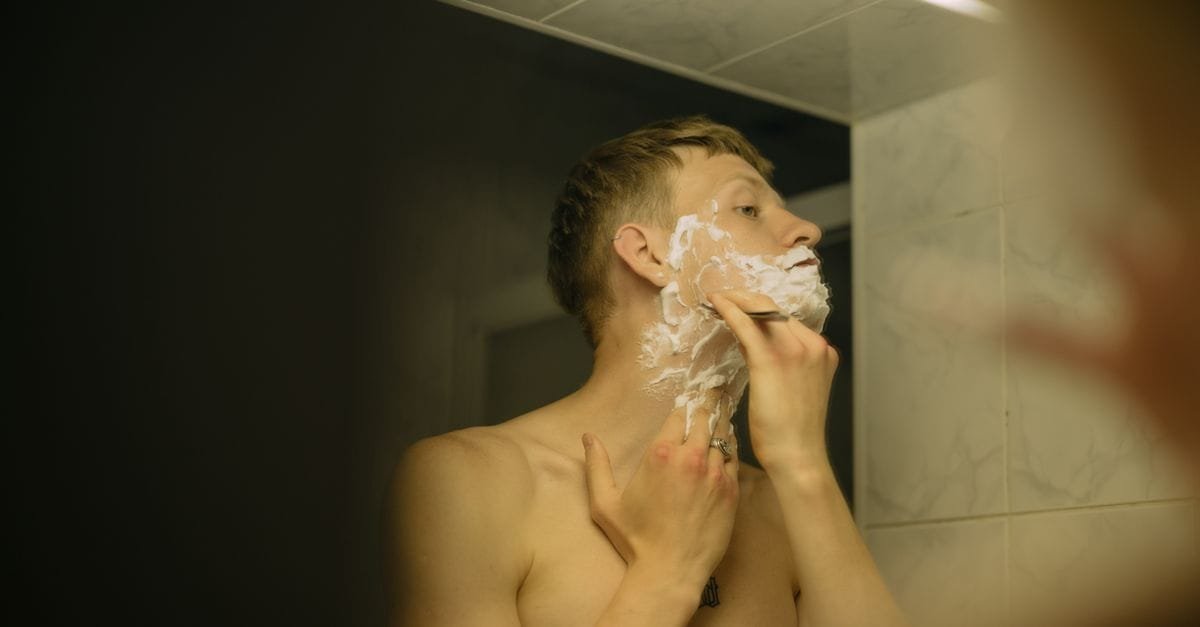
Prep like it matters: shave at the end of a warm shower — softened hair cuts cleaner and blunter; a gentle chemical-exfoliation habit between shaves clears the dead-cell lids ingrowns push against.
Real slip: shave gel or cream, never dry, never bar-soap foam.
WITH the grain, always, in bump-prone zones — the closeness you sacrifice is exactly the re-entry depth you deny. Map your grain first (it swirls on necks and bikini lines — grow it a few days and look).
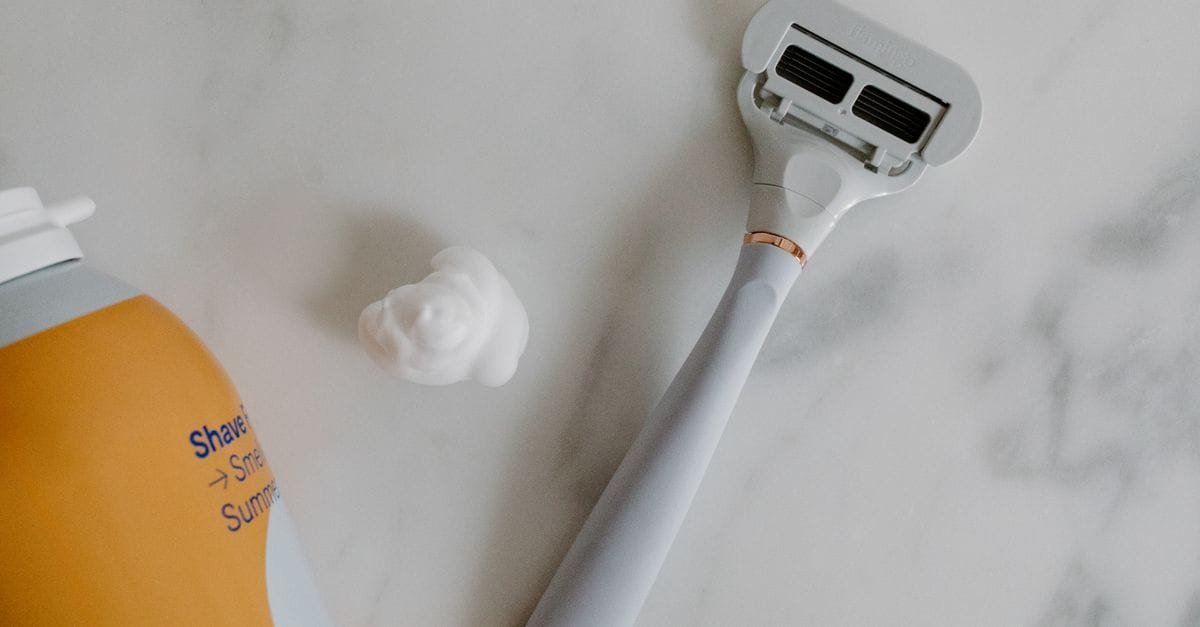
Fewer, lighter passes: each stroke re-cuts; light pressure with a sharp blade beats pressure with a dull one. Fewer blades often beats more: multi-blade cartridges lift-and-cut below skin level (engineered closeness = engineered ingrowns for the curl-prone); single-blade and guard razors are the bump-prone shaver’s friend.
Blade hygiene and retirement: rinse between strokes, replace after 5–8 shaves — dull blades tug, and tugging inflames.
After: cool rinse, pat, fragrance-free moisturizer — and skip the alcohol splash (fire on micro-cuts, zero prevention value).
The scheduling secret: shave less often if you can — every added day between shaves lets hairs clear the surface before the next cut. And the nuclear prevention option that works: trim instead of shave — clippers with a guard leave hair too long to re-enter; stubble-length is the zero-bump length.
Treating Active Bumps: The Protocol
Stop shaving the zone — one to three weeks of growth lets trapped hairs release; this is the step everyone resists and the step that works (trim for tidiness meanwhile).
Warm compresses — several minutes, twice daily — soften skin and coax tips out.
Chemical exfoliation: salicylic acid (the follicle-diver) or glycolic — leave-on products a few times weekly dissolve the dead-cell roof over trapped hairs; the same acid logic as everywhere, deployed at the bump zone. Benzoyl peroxide helps the inflamed, pustular ones.
The visible-loop rule: if a hair loop sits at the surface, a sterile point may gently lift the LOOP free — but never dig, never tweeze the hair out entirely (the empty follicle re-grows a sharper recruit and you’ve added a wound), and never squeeze.
Soothing support: fragrance-free moisturizer, a low-strength hydrocortisone for a genuinely angry short-term flare (short-term — not a maintenance habit), and hands off otherwise. The aftermath: bumps fade, marks linger — azelaic acid and SPF run the fading protocol on the leftovers.
Zone Notes: Face, Bikini, Legs, and Underarms
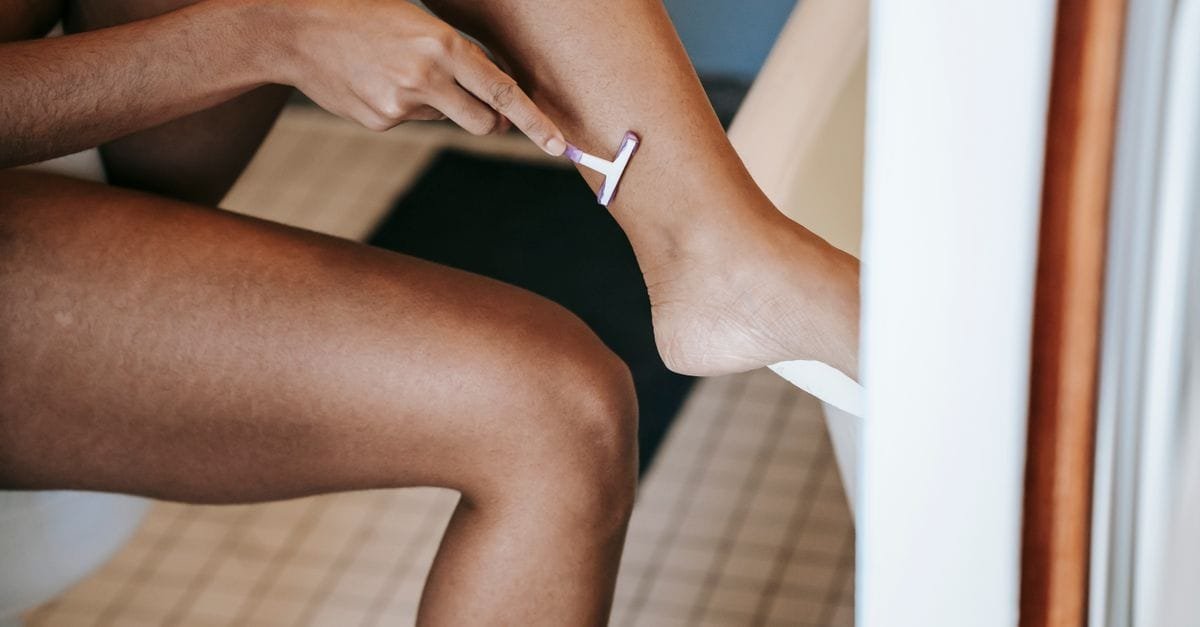
Beard zone (PFB proper): the classic and often severest territory — the full technique overhaul plus serious consideration of the trimmed-stubble life; electric trimmers with a zero-gap guard are the daily compromise most chronic sufferers land on. Bikini line: maximum curl, maximum friction, maximum occlusion — with-the-grain only, consider trimming over shaving entirely, loose breathable underwear post-grooming, and BHA as standing maintenance; waxing sometimes trades razor bumps for wax ingrowns (aftercare decides). Legs: usually the mildest zone — the strawberry legs protocol covers the overlap. Underarms: swirling grain and thin skin — map the growth directions, shave in multiple gentle directions with slip, and switch to trimming during flares.
Coarse and Curly Hair: The Structural Reality
Worth its own honest section: pseudofolliculitis barbae disproportionately affects Black men and anyone with tightly curled hair — up to the majority of Black men who shave closely experience it, because the curl geometry makes re-entry nearly mechanical. The implications: the trimmed-beard option is a medical strategy, not a style compromise (and workplaces requiring clean shaves have faced this as an accommodation issue for exactly this reason); single-blade and guarded tools aren’t optional upgrades but the correct equipment; chemical depilatories (used carefully, patch-tested) cut hair with a blunt tip that resists re-entry — an old-school option that genuinely works for some; and laser hair removal is the closest thing to a cure — modern devices treat deeper skin tones safely in experienced hands, and permanently reducing the hair ends the ingrown supply chain. Chronic PFB deserves a dermatologist visit, not a lifetime subscription to bump treatments.
When to See a Doctor
Escalate when: bumps are widespread, pus-filled, or spreading (infection needs treatment); keloid-type scars are forming (the jawline and neck are keloid-prone — early treatment matters enormously); the marks are accumulating faster than they fade on deeper skin; or honest technique changes over two months haven’t moved a chronic case. The prescription menu is real: topical antibiotics, prescription-strength retinoids (they remodel the follicle keratinization driving re-entry), eflornithine for slowing regrowth, short steroid courses for severe inflammation, and the laser referral. Razor bumps sit in that frustrating category of “everyone has them, nobody treats them properly” — be the exception.
The Bump-Free Shaving Ritual, Scripted
Evening, post-shower: map done, gel on, sharp blade. The shave: with-the-grain passes, light pressure, rinse the blade each stroke, no re-shaving the same strip twice. After: cool rinse, pat dry, fragrance-free moisturizer; BHA on the historic bump zones twice weekly on non-shave days. Between: as many rest days as your grooming standards allow; trim when possible. Monthly: blade stock check, and an honest look at whether the zone is winning or losing — losing zones get the trim-or-laser conversation. Total added time versus the old routine: three minutes. Total bumps prevented: most of them.
Alternatives Ranked: Beyond the Razor Entirely
When technique changes aren’t enough, the hair-removal menu ranked by bump-friendliness: trimming/stubble clippers — zero bumps by design (hair never gets short enough to re-enter); the chronic sufferer’s daily driver. Chemical depilatories — dissolve hair leaving a blunt, rounded tip that resists re-entry; genuinely bump-friendly, but patch-test religiously (the chemistry is harsh on sensitive skin) and never on broken skin. Waxing/sugaring — removes the root, buying weeks bump-free, but regrowing tips can still ingrow without between-session exfoliation; sugaring’s with-the-grain removal is marginally kinder. Epilation — waxing’s mechanical cousin, same profile. Laser/IPL — the endgame: permanent reduction removes the supply; several sessions, real cost, and for dark hair on any skin tone (with tone-appropriate devices and experienced providers) the closest thing to a cure PFB has. Electrolysis — the slow, permanent, hair-by-hair option for small stubborn zones. The honest ladder: try technique, then trimming, then consider laser — most chronic sufferers who reach the laser step report only wishing they’d done it sooner.
The First-Aid Kit for a Bad Bump Week
When a zone flares hard despite everything: days 1–3 — full shave moratorium, warm compresses twice daily, fragrance-free moisturizer, and a BHA product each evening on the zone; days 4–7 — inflammation should visibly retreat; loops that surface get the sterile lift (never the dig), and a low-strength hydrocortisone handles any genuinely angry stragglers for a day or two; week 2 — trim (don’t shave) for tidiness, continue BHA maintenance, and photograph the calm baseline for comparison; the return to shaving — with-the-grain, fresh single blade, every-other-day at most, and the first sign of new bumps triggers another rest cycle. A zone that can’t complete this cycle without re-flaring is a zone telling you its shaving era is over — trimmed stubble or the laser consult, with no shame in either.
The Bottom Line
Razor bumps are a mechanical problem — sharpened hair tips re-entering skin — with a mechanical solution: blunter cuts (with-the-grain, single-blade, or trimmed), clearer exits (BHA maintenance), and patience during flares instead of excavation. The curl-prone get the structural honesty: trimming and laser are legitimate medical strategies, and chronic cases deserve prescriptions, not permanent discomfort. Smooth skin was never worth scarred skin — and with the right technique, you rarely have to choose.
The bump-prevention kit:
The bump-prevention kit:
Frequently Asked Questions
How do you get rid of razor bumps fast?
Stop shaving the zone, apply warm compresses twice daily, and use a salicylic acid product to clear the trapped hairs’ exit path. Most bumps settle within one to two weeks — and never dig or squeeze; that trades bumps for scars.
What’s the difference between razor burn and razor bumps?
Burn is immediate diffuse redness from friction — it heals in a day or two with soothing care. Bumps appear one to several days later as cut hairs re-enter the skin (ingrowns) — they need the prevention-and-exfoliation protocol.
Why do I get razor bumps on my neck and bikini line?
Both zones combine swirling growth directions with curly, coarse hair — the geometry most prone to re-entry — plus friction from collars and underwear. With-the-grain shaving, fewer passes, and trimming during flares matter most exactly there.
Should I pop or tweeze an ingrown hair?
No — digging trades a bump for a wound and often a scar. If a hair loop is visible at the surface, gently lifting the loop free with a sterile point is acceptable; removing the hair entirely just recruits a sharper replacement.
Do multi-blade razors cause more razor bumps?
For the bump-prone, often yes — the lift-and-cut engineering shaves below skin level, giving sharpened tips a head start on re-entry. Single-blade, safety, and guarded razors trade a little closeness for a lot fewer bumps.
Does laser hair removal fix razor bumps permanently?
It’s the closest thing to a cure — permanently reducing the hair removes the ingrown supply. Modern devices treat deeper skin tones safely with experienced providers; chronic sufferers should genuinely consider the consult.
How do I prevent razor bumps if I have to shave daily?
Warm prep, real gel, sharp blade, with-the-grain only, light single passes, cool rinse, moisturizer — plus BHA maintenance between shaves. If daily bumps persist anyway, a guarded trimmer at stubble length is the medically-honest compromise.
How long do razor bumps take to go away?
With a shave moratorium, warm compresses, and BHA — most settle in one to two weeks. Continuing to shave over them resets the clock every pass; the rest period IS the treatment.
Does exfoliating prevent ingrown hairs?
Genuinely — regular salicylic or glycolic use keeps the dead-cell lid off follicle exits so regrowing tips escape instead of curling under. Two to three applications weekly on prone zones is standing prevention.

 Adhorika Khan