 Adhorika Khan
Every skincare enthusiast knows retinol, vitamin C, and the acids. Almost nobody can name the active that treats acne and rosacea and dark marks, plays nicely with nearly everything, and is pregnancy-compatible where retinoids aren’t. Azelaic acid is dermatology’s quiet multitasker: a gentle, well-proven active that fights breakouts, calms redness, and fades post-inflammatory pigmentation — with an irritation profile mild enough for sensitive skin that fails every other acid.
This is the complete guide to the ingredient your routine is probably missing: what it actually does, who benefits most, how to layer it, and the honest expectations nobody sets.
Key Takeaways
- Azelaic acid is a rare triple-threat: anti-bacterial (acne), anti-inflammatory (redness/rosacea), and pigment-fading (dark marks) in one molecule.
- It’s the gentle option: most skin tolerates it far better than retinoids or strong exfoliating acids.
- Strengths: 10% over the counter, 15–20% by prescription — both have real evidence behind them.
- It layers with almost everything — niacinamide, retinoids, vitamin C — and is a pregnancy-friendly standby (confirm with your doctor).
- Timeline honesty: 8–12 weeks for visible results; the tingle and temporary itch in week one is normal and fades.
What Is Azelaic Acid, Exactly?
Azelaic acid is a dicarboxylic acid produced naturally by a yeast that lives on everyone’s skin (Malassezia — yes, the same character from our fungal acne guide, here in a helpful role). It also occurs in grains like wheat, rye, and barley. The versions in skincare are lab-made for purity and stability.
Despite the name, it is not an exfoliating acid like glycolic or salicylic. It doesn’t work by dissolving dead-cell bonds — it works through three separate, better mechanisms, which is precisely why it earned its own chapter in our ingredient dictionary rather than a footnote in the acids section.
The Three Jobs Azelaic Acid Does at Once
Job 1: It Fights Acne Bacteria
Azelaic acid is genuinely anti-microbial against C. acnes, the bacterium that turns clogged pores into inflamed pimples — and unlike antibiotics, bacteria don’t develop resistance to it. It also normalizes the keratin production inside follicles, which means fewer clogs forming in the first place. Two acne mechanisms, no antibiotic downside.
Job 2: It Calms Inflammation and Redness
This is where azelaic acid stands alone among the actives: it has documented anti-inflammatory effects strong enough that prescription strengths are a first-line rosacea treatment. For the redness-prone, the flush-prone, and the “every product stings” crowd, it’s often the first active their skin actually accepts.
Job 3: It Fades Dark Marks
Azelaic acid inhibits tyrosinase — the enzyme melanin production runs on — but with a clever selectivity: it preferentially slows down overactive pigment cells while largely leaving normal ones alone. That makes it a specialist for post-inflammatory hyperpigmentation (the brown marks acne leaves behind — the full fading playbook is in our acne scars guide) and a respected player against melasma.
Who Benefits Most From Azelaic Acid?
The acne-plus-marks combination: if every pimple leaves a souvenir, azelaic attacks both ends of the problem simultaneously — fewer new spots, faster-fading old ones. Rosacea and redness-prone skin: the anti-inflammatory job, working at prescription strength or patiently over-the-counter. Sensitive skin that failed retinoids: azelaic delivers real results at a fraction of the irritation cost. Pregnant and nursing routines: when the retinoid family pauses, azelaic acid is one of the standard doctor-approved substitutes (always confirm with your OB). Deeper skin tones fighting PIH: the selective pigment mechanism plus low irritation makes it particularly valuable where inflammation itself triggers new pigment.
Who can skip it: skin with no breakouts, no redness, and no marks has no job to hire it for — azelaic is a specialist, not a mandatory layer.
10% vs 15% vs 20%: Which Strength Do You Need?
10% (over the counter): the accessible entry point — suspensions, serums, and creams available everywhere. Real results for mild-to-moderate acne, general redness, and mark-fading, with the gentlest profile. This is where nearly everyone should start.
15% gel and 20% cream (prescription): the clinical heavyweights with the strongest evidence for rosacea and stubborn acne. If three months of 10% helps-but-not-enough, this is the conversation to have with a dermatologist — the step up is meaningful.
Texture note worth knowing: some popular 10% suspensions have a slightly gritty, silicone-y feel. It’s cosmetic, not a defect — but if texture bothers you, cream and gel formats exist at the same strength.
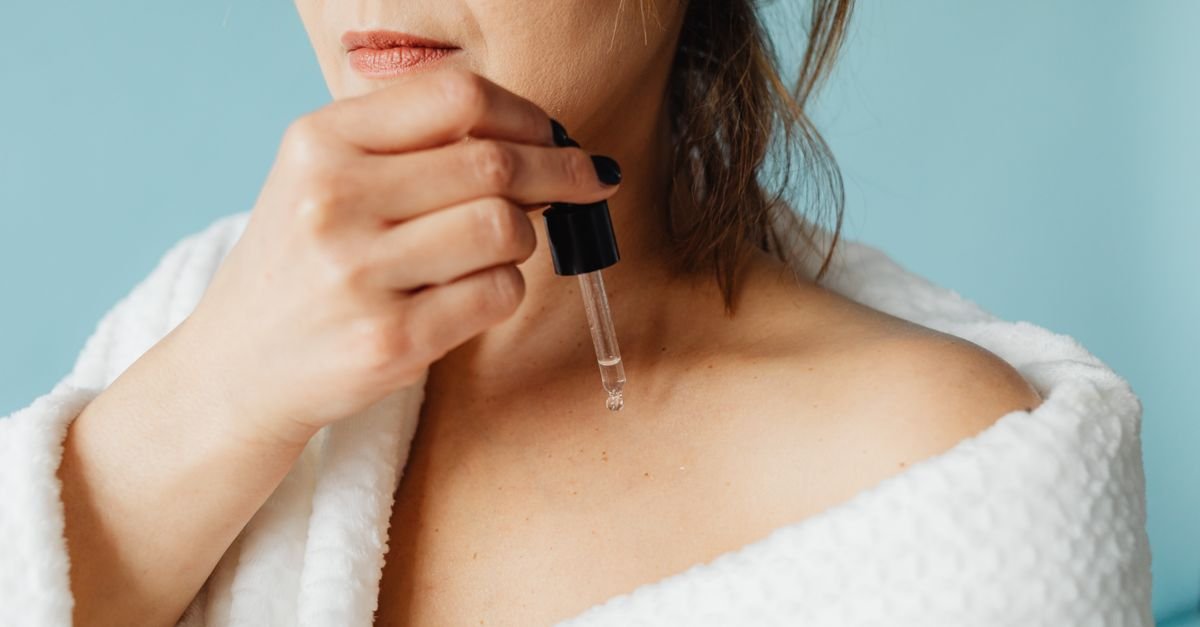
How to Add Azelaic Acid to Your Routine
Where it goes: after cleansing (and any water-based serum), before moisturizer — the standard actives slot in the layering order. Morning or night both work; it doesn’t increase sun sensitivity the way exfoliating acids do, though daily SPF remains non-negotiable for the mark-fading mission (see our SPF guide — UV un-fades marks faster than azelaic fades them).
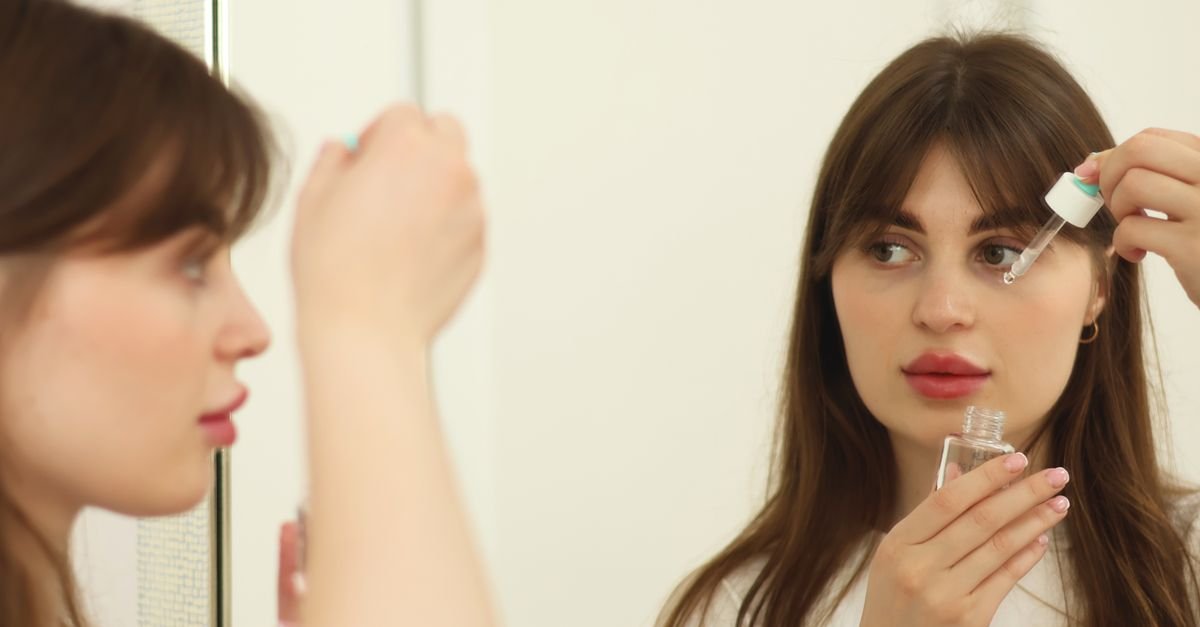
The on-ramp: start three to four nights a week for two weeks, then build to daily or twice daily as tolerated. A pea-to-nickel amount covers the face — more isn’t faster.
The week-one tingle: mild tingling, itching, or warmth for a few minutes after application is azelaic’s signature hello and typically fades within a couple of weeks of regular use. Burning that persists or worsening redness is a different message — scale back frequency or stop.
What Can You Layer It With?
This is azelaic’s social superpower — it gets along with nearly everyone:
Niacinamide: a natural teammate — both calm and fade; our niacinamide guide covers the pairing. Retinoids: compatible and complementary (alternate application times or layer with moisturizer between if you’re sensitive); azelaic even blunts some retinoid irritation for many users — the combination logic lives in our retinol guide. Vitamin C: fine — C in the morning, azelaic at night is the tidy arrangement. Benzoyl peroxide: compatible for acne-focused routines. Exfoliating acids: allowed but additive on the irritation meter — alternate nights rather than stacking, per the conflict chart in the dictionary.
The realistic caution: azelaic plays nicely, but a routine of five actives is still five actives. Add it alone, give it two weeks, then reassess.
Azelaic Acid vs the Other Actives: Honest Comparisons
vs Niacinamide: not rivals — niacinamide is the gentle everyday supporter; azelaic is the targeted treatment. Sensitive skin often runs both. vs Retinoids: retinoids remain the anti-aging and turnover king; azelaic wins on gentleness, redness, and pregnancy-compatibility. Many strong routines use both. vs Salicylic acid: BHA physically de-clogs pores (see AHA vs BHA); azelaic fights the bacteria and inflammation around them — complementary, not interchangeable. vs Vitamin C: C brightens overall tone and antioxidizes; azelaic targets specific overproducing spots. Different jobs, friendly coexistence.
Azelaic Acid for Rosacea: What to Expect
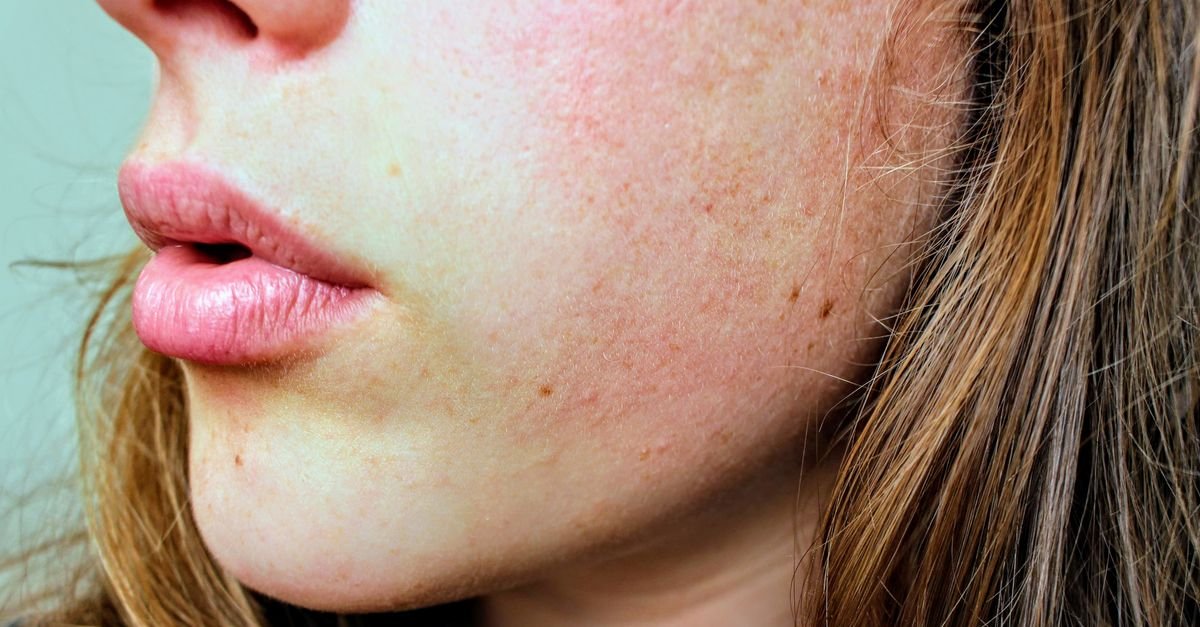
For the persistent-redness, bumps-and-flushing pattern, azelaic acid (especially at prescription 15%) reduces inflammatory lesions and calms background redness over two to three months. Two honest notes: the initial tingle is more noticeable on rosacea-reactive skin (it settles — but introduce extra slowly), and azelaic treats the inflammation, not the visible broken capillaries — those are laser territory. If you suspect rosacea but have never had it named, a dermatologist visit beats self-diagnosis; several conditions impersonate it — and our rosacea routine notes cover the gentle-supporting-cast side.
The Timeline: When Will You Actually See Results?
Weeks 1–2: the tingle era; possibly slightly calmer inflamed spots. Weeks 4–6: fewer new inflamed breakouts; early softening of redness. Weeks 8–12: the real report card — visibly fewer breakouts, meaningfully faded marks, calmer baseline. Months 4+: continued mark-fading (pigment is the slowest passenger).
Take a same-light photo at day zero and every two weeks. Azelaic’s progress is steady but too gradual for daily mirrors — and it’s the active people most often quit at week five, three weeks before it would have convinced them.
Side Effects and the Honest Fine Print
Azelaic’s safety record is one of the best in the actives aisle. The common effects — tingling, mild itch, temporary dryness — are front-loaded in the first weeks and fade. Uncommon but real: persistent stinging or contact irritation in very reactive skin (patch-test behind the ear for three nights first, like any new active). One tone-specific note: at high strengths, extremely rare reports of lightening in normal skin exist — the practical translation is simply to apply it where the problem is rather than painting healthy skin unnecessarily, and to work with a dermatologist at prescription strengths. And the purging question: azelaic is not a classic purger like retinoids, but any acne-active can stir things briefly — our purging vs breakout guide settles week-three doubts.
A Sample Routine Featuring Azelaic Acid
Morning: gentle cleanse → vitamin C (optional) → moisturizer → SPF 30+. Night (daily once tolerated): cleanse → azelaic acid 10% → moisturizer. If you also run a retinoid: azelaic in the morning under moisturizer and SPF, retinoid at night — or alternate nights; both arrangements work, pick the one you’ll actually sustain.
That’s the entire operational manual. No cycling calendar required, no special neutralizers, no drama — azelaic’s whole personality is showing up daily and quietly doing three jobs.
The Bottom Line
Azelaic acid is what happens when an active is genuinely good but terrible at marketing: no glamour, no trend cycles, just three proven mechanisms in one well-tolerated molecule. If your skin runs breakouts with leftover marks, redness that resents stronger acids, or a pregnancy that paused your retinoid — this is the shelf gap worth filling. Start at 10%, give it twelve honest weeks, and let the before/after photos do the convincing.
Azelaic Acid for Melasma: The Specialist Assignment
Melasma — the hormonally-driven patches on cheeks, forehead, and upper lip that pregnancy and sun conspire on — is one of pigmentation’s hardest problems, and azelaic acid has real clinical standing here: studies at prescription strength put it in the conversation with hydroquinone for some patients, without the rebound concerns.
The honest frame: melasma is a marathon condition that recurs with sun and hormones, so azelaic works as part of a system — fanatical daily SPF (melasma re-darkens through a car window), azelaic or other pigment actives, and a dermatologist steering for anything beyond mild cases. Expect management, not cure; azelaic’s gentleness is what makes it sustainable for the years-long game.
Buying Azelaic Acid: Suspension vs Cream vs Gel
The 10% suspension (the affordable classic) delivers full strength with that slightly gritty silicone feel — shake-adjacent formulas settle, so massage well. Creams trade a touch of elegance for easier layering under moisturizer — the sensitive-skin pick. Gels suit oily skin and layer weightlessly under SPF for morning use. Boosted formulas pair azelaic with niacinamide or BHA — convenient if the pairing matches your goals, harder to troubleshoot if skin objects.
Label-reading note: “azelaic acid derivative” (potassium azeloyl diglycinate) is a gentler, better-textured cousin with thinner evidence — fine as a supporting player, but for the three-job resume in this guide, the real molecule at 10% is the one the studies used.
The short honest shopping list:
The short honest shopping list:
Frequently Asked Questions
What does azelaic acid do for your skin?
Three things at once: it fights acne bacteria without resistance issues, calms inflammation and redness (it’s a first-line rosacea treatment at prescription strength), and fades dark marks by slowing overactive pigment cells selectively.
Is azelaic acid better than niacinamide?
They’re teammates, not rivals. Niacinamide is a gentle everyday supporter for barrier and tone; azelaic acid is a targeted treatment for breakouts, redness, and marks. Sensitive skin routines often benefit from both.
Can I use azelaic acid every day?
Yes — once tolerated, daily or even twice daily is standard. Start three to four nights a week for the first two weeks, and expect a mild tingle early on that fades with regular use.
Can I use azelaic acid with retinol?
Yes — they’re compatible and complementary. Use azelaic in the morning and retinol at night, or alternate nights if your skin is sensitive. Azelaic even softens retinoid irritation for many people.
Is azelaic acid safe during pregnancy?
It’s one of the standard pregnancy-compatible actives dermatologists reach for when retinoids pause — but always confirm your specific routine with your OB or dermatologist, product list in hand.
Does azelaic acid cause purging?
Not typically — it isn’t a classic purging active like retinoids. A brief stir-up is possible with any acne treatment, but persistent worsening beyond a few weeks means reassess rather than push through.
How long does azelaic acid take to work?
Expect calmer breakouts around weeks four to six and visible mark-fading and redness reduction by weeks eight to twelve. It’s a steady performer, not a fast one — photograph progress every two weeks.

 Adhorika Khan