 Adhorika Khan
You’ve thrown everything at the tiny bumps on your forehead: salicylic acid, benzoyl peroxide, the strictest routine of your life. Months later — identical bumps, mocking you in the mirror.
Here’s a plot twist your acne products can’t handle: those bumps might not be acne at all. They might be fungal — and fungal “acne” laughs at acne treatments, because you’ve been fighting the wrong organism entirely.
Quick answer: “Fungal acne” — properly called Malassezia folliculitis — isn’t true acne. It’s an overgrowth of a yeast that lives on everyone’s skin, inflaming hair follicles into crops of small, uniform, often itchy bumps — classically on the forehead, hairline, chest, and back, and often after sweating. Because it’s yeast, bacteria-targeting acne treatments don’t work; antifungals do. The tell-tale signs: bumps that are all the same size, itchiness, sweat-triggered flares, and total resistance to normal acne care. Confirmation and prescription-strength help come from a dermatologist.
Key Takeaways
- Fungal acne = yeast (Malassezia) overgrowth in hair follicles — not bacteria, not true acne.
- The signature: small, uniform, itchy bumps in crops — forehead, hairline, chest, back — worse with sweat and heat.
- Acne treatments failing is itself a clue — benzoyl peroxide and antibiotics don’t touch yeast (antibiotics can worsen it).
- The classic derm-endorsed home approach: antifungal (ketoconazole) shampoo used as a short-contact wash on affected skin.
- Prevention is lifestyle-shaped: shower after sweating, breathable fabrics, lighter skincare on affected zones.
- See a dermatologist to confirm — several conditions mimic it, and persistent cases often need prescription antifungals.
What Is Fungal Acne, Really?
The name is a double misnomer — it’s neither fungus-in-the-mushroom-sense nor acne.
Malassezia is a yeast that lives on virtually every human’s skin, usually minding its manners as part of the normal microbiome. It feeds on skin oils — which is why it favors the oiliest real estate: scalp, forehead, chest, back.
When conditions swing its way — heat, sweat, occlusion, oil abundance, sometimes a course of antibiotics clearing out its bacterial neighbors — the yeast population booms inside hair follicles. The follicles inflame, and you get Malassezia (Pityrosporum) folliculitis: crops of small red or skin-colored bumps and tiny whiteheads.
Same yeast family, different party venues: Malassezia overgrowth on the scalp contributes to dandruff — a connection that becomes very practical when we reach treatment.
Fungal Acne vs. Regular Acne: How Do You Tell?
The two get confused constantly — here’s the side-by-side that dermatologists use:
Uniformity. Fungal bumps are clones: same size (usually 1–2mm), same stage, arranged in crops. True acne is a mixed bag — blackheads, whiteheads, papules, the occasional deep one, all at different stages. (Meet the true-acne cast in our whiteheads and blackheads guides.)
Itch. Fungal folliculitis commonly itches — sometimes maddeningly. Regular acne rarely does.
Location. Fungal favors forehead, hairline, temples, chest, shoulders, and back — oil-rich, sweat-prone zones. Acne loves the face broadly, especially the lower face in adults.
Triggers. Fungal flares follow sweat: workouts, humid weather, tight synthetic clothing, helmets and hats. Acne follows hormones, comedogenic products, and stress more than sweat.
Treatment response — the big reveal. Months of proper acne care doing nothing (or antibiotics making things worse) is the classic fungal-acne origin story — antibacterial weapons can’t hit yeast.
One more lookalike to rule out: tiny hard bumps that never inflame and never itch may be milia — a different beast entirely. And bumps that appeared right after starting a retinoid may be purging, not fungus.
What Makes Malassezia Overgrow?
The yeast doesn’t bloom randomly — it responds to conditions:
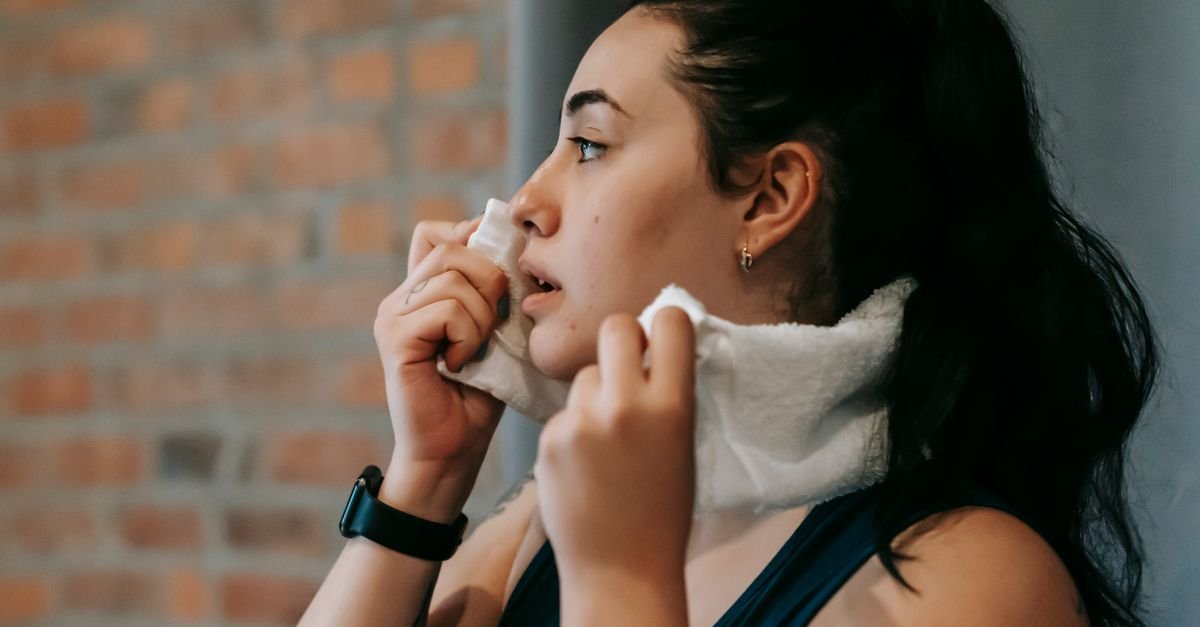
Sweat and heat. The number-one trigger: workouts without a prompt shower, humid climates, summer generally. Yeast thrives in warm, moist follicles.
Occlusion. Tight synthetic activewear, sports bras worn for hours post-gym, helmets, headbands, backpack straps — anything trapping heat and moisture against skin maps suspiciously well onto bump locations.
Oil abundance. Malassezia eats certain skin oils and fatty acids — naturally oily skin and heavy, oil-rich skincare/haircare both set the table. (Hair products migrating onto the forehead are a classic hairline-bump culprit.)
Antibiotics. Long courses can suppress the skin’s bacterial population, handing the vacated territory to yeast — part of why “acne that worsened on antibiotics” is a red flag for the fungal version.
Immunity and circumstance. Anything that dampens immune oversight — illness, certain medications, major stress — can give the yeast its window.
How Do You Treat Fungal Acne at Home?
Here’s where the dandruff connection pays off — because the best-known OTC approach borrows from the shampoo aisle:
The antifungal shampoo method
Dermatologists — including Dr. Dray in the video above — commonly point to anti-dandruff shampoos with ketoconazole (or zinc pyrithione / selenium sulfide) used as a short-contact wash on the affected skin: lather onto the bumpy zones, let it sit a few minutes while you finish showering, rinse thoroughly.
Used several times weekly, this puts a real antifungal where the yeast lives — and improvement within two to four weeks is itself diagnostic evidence you were fighting fungus all along.
Strip the yeast buffet from your routine
During treatment, lighten up: pause heavy oils, rich butters, and fatty-acid-dense creams on affected zones (the yeast’s menu), favor lighter gel textures, and keep hair products off the forehead. “Fungal-acne-safe” ingredient lists circulating online can be over-strict — the practical version is simply: lighter, fewer, less oily.
Keep the barrier and the rest of the face normal
Gentle cleanser, light moisturizer, daily SPF — treating one zone doesn’t mean punishing the whole face (the barrier rules still apply).
What NOT to reach for
Benzoyl peroxide, acne antibiotics, and aggressive exfoliation — wrong organism, extra irritation. (Salicylic acid can mildly help keep follicles clear but won’t fix the overgrowth alone.)
The fungal-fighting basics — honest Amazon searches:
Ketoconazole shampoos →Zinc pyrithione washes →Gel moisturizers →
How Do You Prevent It Coming Back?
Fungal acne is famously recurrence-prone — the yeast never leaves; only the overgrowth does. The maintenance playbook:
- Shower promptly after sweating — the single highest-value habit. Can’t shower? At minimum, change out of damp clothes and wipe down affected zones.
- Choose breathable fabrics for workouts and hot days; rotate helmets/hats and wash their linings.
- Keep a maintenance rhythm with the antifungal wash — once weekly or so during hot, sweaty seasons, more if flares threaten.
- Audit leave-ons seasonally: the rich cream that’s fine in dry winter may feed a summer flare on the same forehead.
- Wash pillowcases and headwear regularly — oil-saturated fabric is a standing invitation.
Think of it like dandruff management on a different map: controlled, not cured — and easily controlled once you know the opponent.
When Should You See a Dermatologist?
Earlier than most people do, honestly — because the whole problem is misidentification:
- To confirm the diagnosis. Several conditions mimic these bumps (bacterial folliculitis, closed comedones, keratosis pilaris, even rosacea variants), and a dermatologist can often tell at a glance — or with a quick skin scraping.
- If the shampoo method plateaus after 3–4 weeks — persistent cases commonly need prescription oral or topical antifungals, which work faster and more completely.
- If it’s widespread, angry, or scarring — body-wide crops deserve professional firepower from the start.
- If you’re immunocompromised or the flare followed a medication change — that context matters medically.
- If nothing about the picture is clean — itchy AND comedones AND hormonal timing? Mixed cases exist, and treating both arms needs a professional map.
The honest standing note: this guide is education, not diagnosis. “Fungal acne” is precisely the condition people misdiagnose from internet photos — a board-certified dermatologist’s two minutes beats two years of guessing.
Fungal Acne Myths, Corrected
“It means you’re dirty.” Malassezia lives on everyone — overgrowth is about conditions (sweat, oil, occlusion), not hygiene failure. Over-scrubbing actually irritates follicles further.
“It’s contagious.” No — everyone already carries the yeast. You can’t give someone your overgrowth.
“All small bumps are fungal.” The internet’s current over-correction. Uniform + itchy + sweat-linked + acne-treatment-resistant is the fungal profile; miss those markers and you’re probably looking at something else.
“You must throw out every product containing any oil.” The ultra-strict “fungal-safe” lists online outrun the evidence — lighter and less occlusive on affected zones is the practical standard, not pantry-purging your entire shelf.
“Once cleared, it’s cured.” The yeast is permanent staff; the overgrowth is the event. Maintenance habits are what keep the event from rebooking.
“Diet cures it.” Despite the yeast-diet internet lore, skin Malassezia eats skin oils, not your dessert. Save the guilt.
How Long Does Fungal Acne Take to Clear?
Realistic timelines keep you from quitting the right treatment too early:
With the antifungal-shampoo method: many people see itch relief within the first week and visible bump reduction by weeks two to four. If four weeks of consistent short-contact washes change nothing, escalate to a dermatologist rather than doubling down.
With prescription antifungals: oral courses typically work faster and more completely — often within a few weeks — which is why stubborn or widespread cases shouldn’t linger in DIY territory.
Recurrence is normal, not failure. Hot months, heavy training blocks, and helmet seasons invite encores; the maintenance wash and sweat-shower habit are what keep the sequel cancelled.
Can You Wear Makeup Over Fungal Acne?
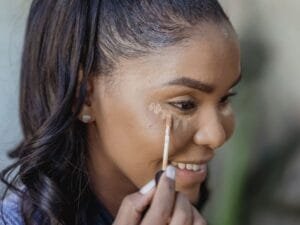
Yes, carefully: lighter, water-based formulas beat rich, oil-heavy bases (remember what the yeast eats), and thorough-but-gentle nightly removal is non-negotiable — sleeping in makeup hands the follicles exactly the occlusion they love.
Skip heavy primers on affected zones during flares, wash brushes and sponges weekly (they hold both oils and organisms), and let concealer handle spot duty rather than full-coverage layers on the whole forehead.
Is It Fungal Acne or Just Heat Rash?
One more summer lookalike worth naming: heat rash (miliaria) also blooms in sweaty weather — but it arrives fast (hours, not weeks), stings or prickles more than itches, and fades within days once skin cools and dries.
Fungal folliculitis is the slower tenant: it builds over weeks, parks in the same follicle-dotted pattern, and outlasts the heat wave that started it.
Quick sorting rule: days and prickly = heat rash; weeks and itchy-uniform = think yeast. Persistent either way — and especially anything spreading or painful — goes to the dermatologist for real eyes.
Frequently Asked Questions
What does fungal acne look like?
Crops of small, remarkably uniform red or skin-colored bumps and tiny whiteheads — typically 1–2mm, often itchy — clustered on the forehead, hairline, chest, shoulders, or back. The uniformity and itch are the giveaways versus regular acne’s mixed lineup.
How do I know if my acne is fungal or bacterial?
Check four markers: same-size bumps in crops (fungal) vs. mixed types (regular), itchiness (fungal), sweat/heat-triggered flares (fungal), and response — if months of acne treatment did nothing or antibiotics made it worse, fungus jumps up the suspect list. A dermatologist can confirm quickly.
Does ketoconazole shampoo really work on fungal acne?
It’s the classic dermatologist-endorsed OTC approach: antifungal shampoo lathered onto affected skin as a short-contact wash, several times weekly. Visible improvement within two to four weeks both treats the problem and confirms the diagnosis. Persistent cases graduate to prescription antifungals.
Why did my acne treatment make fungal acne worse?
Because the weapons were aimed at bacteria: benzoyl peroxide and antibiotics don’t harm yeast, and antibiotics can suppress the skin’s bacteria enough to hand yeast more territory. Treatment resistance is one of fungal acne’s loudest clues.
Can fungal acne go away on its own?
Mild flares sometimes settle when conditions change (cooler weather, better shower habits) — but established overgrowth usually persists or recurs until treated with antifungals and managed with sweat-and-fabric habits.
Is fungal acne caused by poor hygiene?
No — the yeast lives on everyone. Overgrowth is driven by heat, sweat, occlusion, and oil abundance. That said, one hygiene habit matters enormously: showering promptly after sweating.
What skincare should I avoid with fungal acne?
On affected zones during flares: heavy oils, rich butters, and thick occlusive creams (the yeast’s food supply), plus aggressive scrubs. Favor lighter gel textures, keep hair products off the forehead, and continue gentle cleansing, light moisture, and daily SPF.
The bottom line
If your “acne” is uniform, itchy, sweat-loving, and immune to acne treatment — stop fighting bacteria that were never guilty. Borrow the dandruff aisle’s antifungal shampoo, lighten the oil buffet, shower after every sweat — and let a dermatologist confirm the culprit and finish the job. Right organism, right weapon: that’s the whole cure.

 Adhorika Khan