 Adhorika Khan
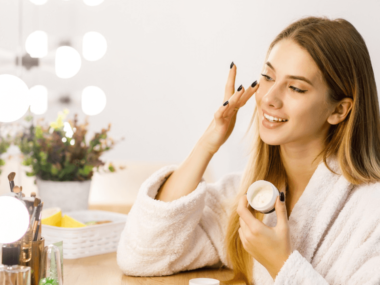
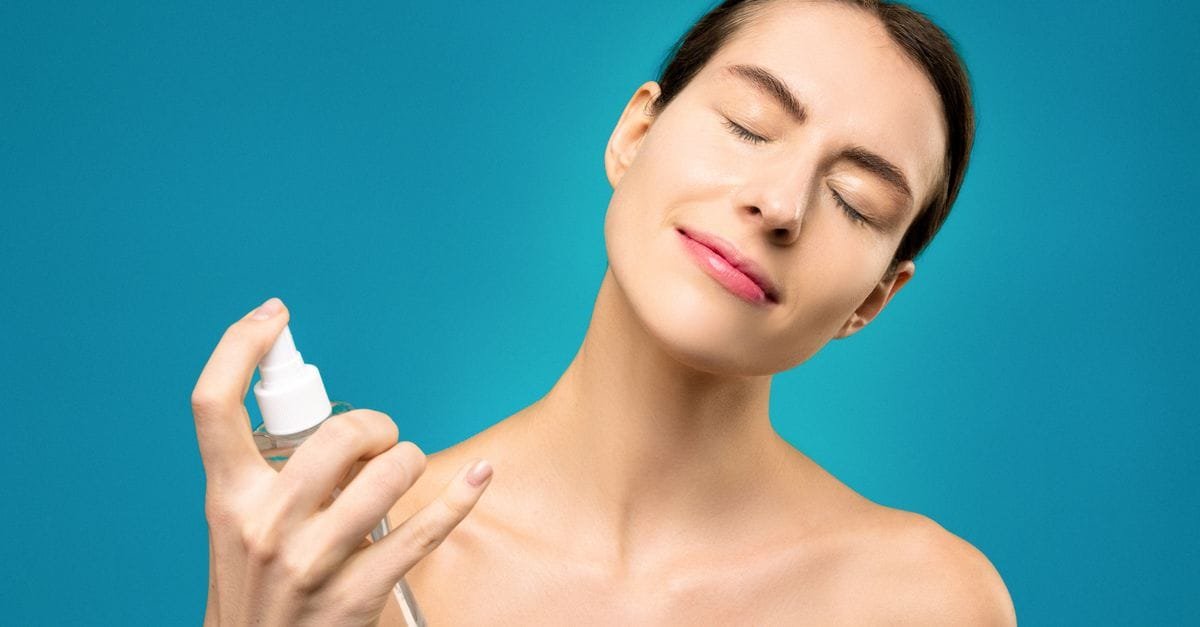
The trend name sounds like a bathroom accident; the technique underneath is the most legitimate thing to go viral in years. Skin flooding means layering several lightweight hydrating products — mist or hydrating toner, then a humectant serum like hyaluronic acid, then moisturizer — onto skin that stays damp between every layer. It “floods” the skin with water and traps it, and for dry, dehydrated, or winter-stressed skin it delivers genuinely visible plumping. It’s also just classic Korean-style hydration layering with a TikTok name — and oily, breakout-prone skin should mostly wave it past.
Here’s the honest complete guide: the damp-skin science that makes it work, the exact four-step method, who genuinely benefits, the congestion trap for oily skin, and how to fold it into a real routine without buying anything new.
Key Takeaways
- Damp skin is the whole trick: humectants grab the water already sitting on your face and pull it in — every layer applied wet-on-wet.
- The sequence: mist/toner → humectant serum → (optional second hydrator) → moisturizer seal — three to four products, no more.
- Best for: dry, dehydrated, winter, post-flight, and retinoid-stressed skin — the plumping is real and same-day.
- Oily and fungal-acne-prone skin should mostly skip it — stacked humectants and films under moisturizer invite congestion.
- It’s technique, not shopping: you likely own every product this trend requires.
What Exactly Is Skin Flooding?
Strip the trend packaging and skin flooding is a damp-layering protocol: instead of applying products to a dry face with pauses between, you keep skin visibly damp from cleanse to seal, layering thin hydrators wet-on-wet and finishing with a moisturizer before any of it evaporates. The name is new; the method is the K-beauty hydration philosophy our Korean skincare guide describes (and the 7-skin method took to its extreme), repackaged for the algorithm. That’s not a criticism — the repackaging got millions of people to finally use their hyaluronic acid correctly.
The Science: Why Damp Changes Everything
Humectants — hyaluronic acid, glycerin, panthenol — are water magnets that don’t care where the water comes from. Applied to dry skin in a dry room, a strong humectant can pull moisture up from deeper skin and lose it to the air — the notorious “my HA serum makes me drier” paradox (explained fully in our HA guide). Applied to damp skin, the same molecule grabs the surface water instead — free raw material — and the moisturizer sealed on top traps the whole arrangement against the barrier. Flooding is simply engineering that second scenario deliberately, layer after layer. The physics also explains the technique’s limits: it’s water management, not treatment — nothing about flooding fades marks, clears pores, or builds collagen. It makes skin comfortable and plump today; the actives still handle tomorrow.
The Method, Step by Step
Step 0 — cleanse lukewarm and stop drying at damp. Pat once; the canvas should glisten, not drip (the face-washing guide’s pat-to-damp finish is the on-ramp).
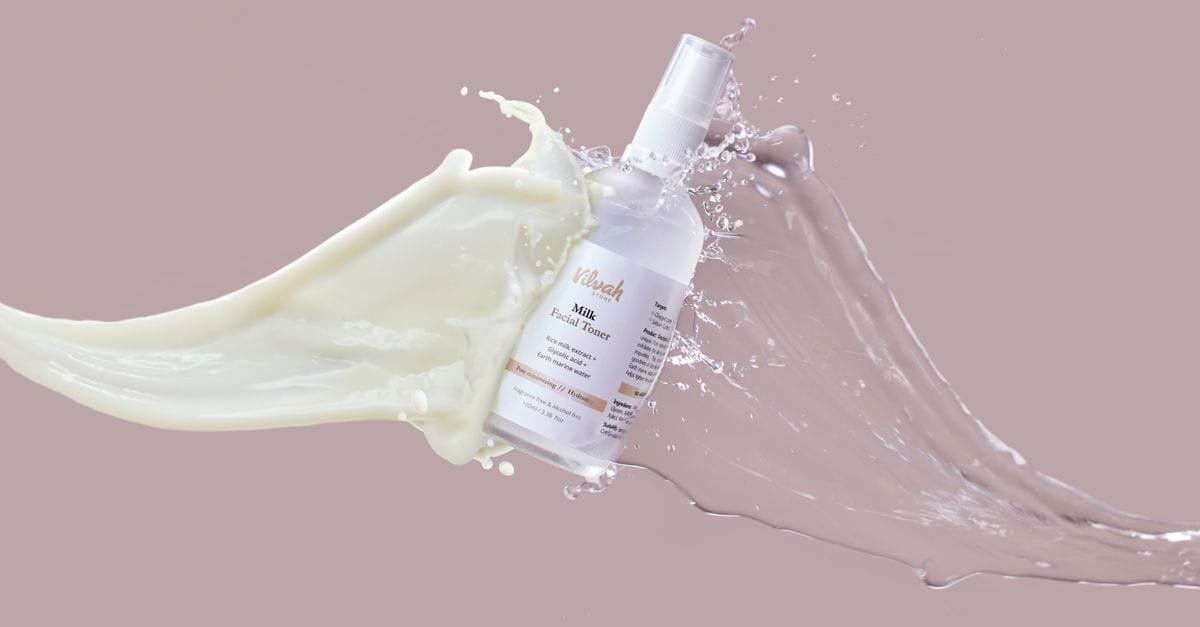
Step 1 — the water layer: a hydrating mist or watery toner (or honestly, a splash of lukewarm water re-applied) — the flood’s reservoir. Fragrance-free; “hydrating” not “exfoliating” (acid toners have no seat at this table).
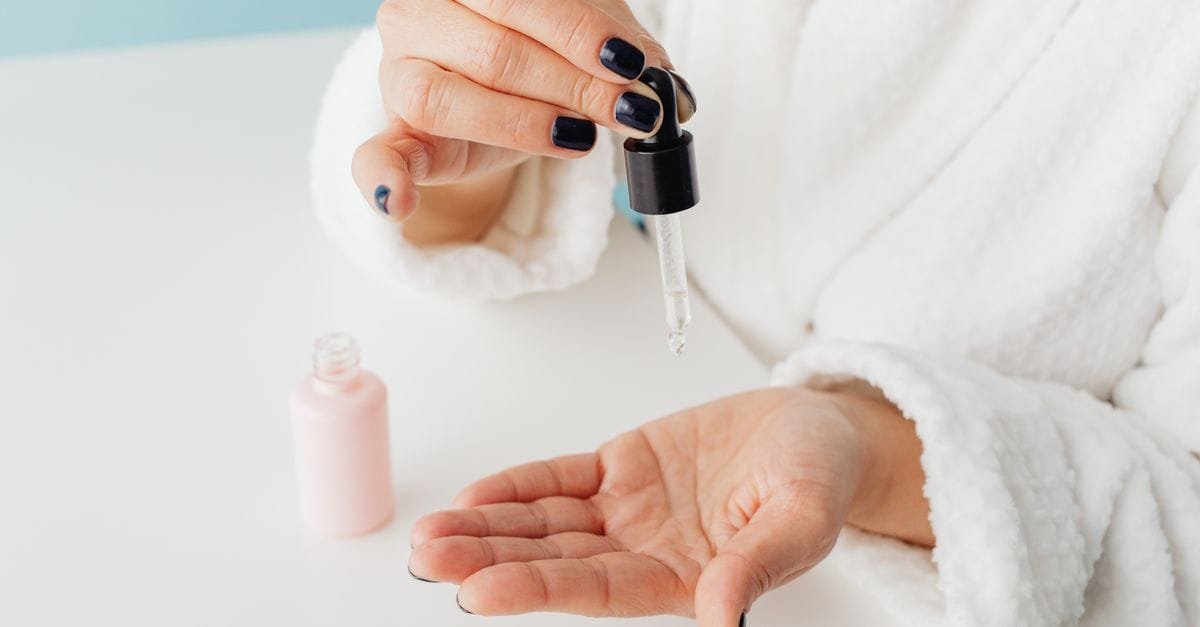
Step 2 — the humectant serum: hyaluronic acid, glycerin-based, or panthenol serum pressed — not rubbed — into the still-damp face. This is the flood’s pump.
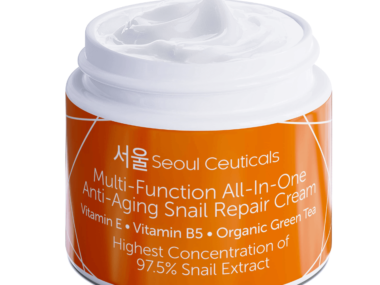
Step 3 (optional) — a second thin hydrator: another watery layer if skin is severely parched (a snail mucin essence slots here perfectly). Two humectant layers is the sensible ceiling — this is where the trend’s maximalists go wrong.
Step 4 — the seal, immediately: moisturizer (ceramide-forward per the mortar chapter) over the damp stack, trapping everything. Dry or winter skin can add a final drop of face oil as the storm door. Total elapsed time: under three minutes — speed is part of the technique; evaporation is the opponent.
Timing: evenings after cleansing, and mornings before SPF if skin runs dry (let the stack settle two minutes before sunscreen so the film forms properly).
Who Genuinely Benefits
Dehydrated skin (tight, dull, fine crinkle-lines that vanish with moisture — the dry-vs-dehydrated test tells you): flooding is practically designed for you, and results show the first evening. Dry skin in winter: the seasonal version — flood through the heating months, relax in humid summer. Retinoid and acid users: flooding on recovery nights (cycle vocabulary) buffers the dryness tax of actives without adding a single conflict — everything in the flood is treatment-compatible. Post-flight, post-illness, post-sun faces: the acute-rescue use case. Mature skin: declining oil production makes the seal step especially rewarding.
Who Should Skip or Modify It
Oily skin: your sebum is already a seal; stacking humectants under moisturizer mostly buys shine and film. Modified version if dehydrated-oily (it happens): one thin humectant layer on damp skin, gel-cream seal, done. Breakout-prone and fungal-acne-prone skin: multiple layers of rich hydrators are occlusion stacking — a congestion recipe; flood only if a minimal version proves innocent over two weeks. Very humid climates: the air is doing the flooding; the technique adds little beyond film. Reactive skin mid-flare: fewer layers, not more — flare weeks want the two-product bland routine, not a four-layer protocol, however gentle each layer is. The universal modifier: flooding is a dial, not a doctrine — two layers on damp skin is already 80% of the benefit.

Flooding vs Slugging vs the 7-Skin Method
The hydration-trend family tree, sorted: Flooding = layering water-based hydrators wet-on-wet, sealed with moisturizer — the balanced middle child. Slugging (full guide) = sealing the night’s routine under petroleum jelly — maximum occlusion, best for barrier-crashed and very dry skin, too heavy for most others. 7-skin = seven thin toner layers — flooding’s ceremonial grandmother; lovely ritual, diminishing returns after layer two or three. Combinations exist (flood then slug = winter emergency protocol for desert-dry skin), but the honest guidance is pick the one matching your skin’s deficit: missing water → flood; losing water overnight → slug; missing nothing → moisturizer and a good night’s sleep.
Common Flooding Mistakes
Layering onto dry skin (the whole technique is the dampness); using exfoliating toners in the stack (acids amplify under layered occlusion — treatment nights and flood nights are different nights); five-plus layers (past two humectant layers you’re building film, not hydration — the diminishing-returns science is clear); skipping the seal (unsealed humectants evaporate, taking their winnings with them); fragrant everything (four fragranced layers = four irritation lottery tickets — flood with the blandest products you own); and expecting treatment results (flooding plumps and comforts; it does not fade, firm, or clear — judge it on the right scorecard).
A Flooded Evening, Minute by Minute
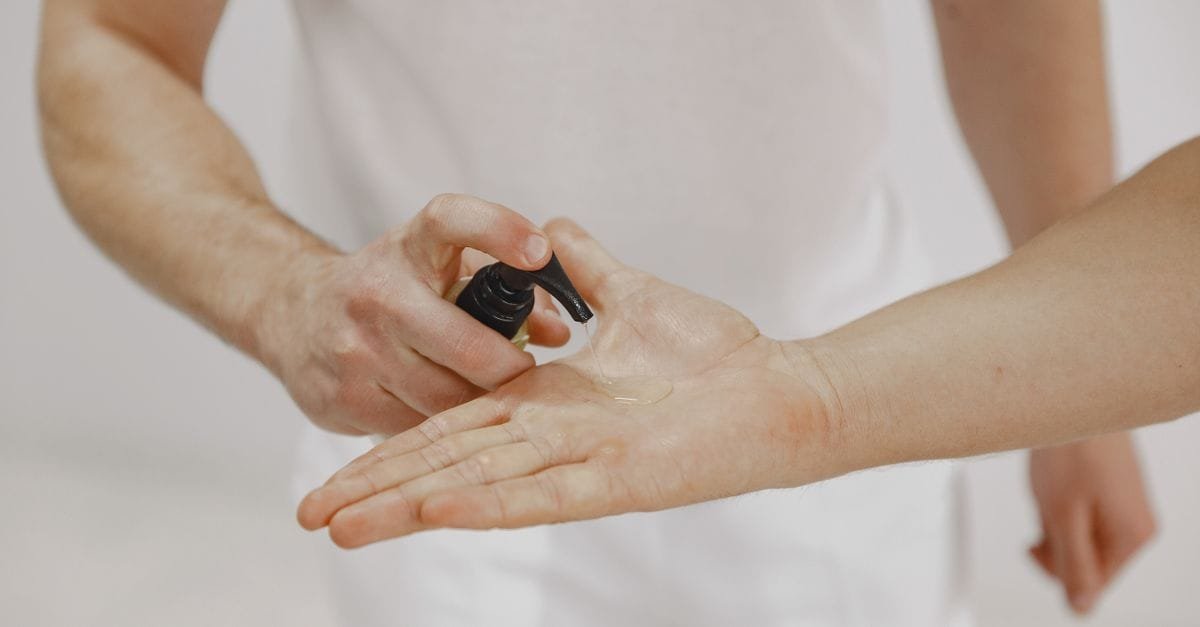
The whole protocol, clocked. 0:00 — lukewarm cleanse, sixty seconds, pat once to glistening-damp. 1:00 — three spritzes of hydrating mist (or a palmful of toner pressed on). 1:20 — four drops of hyaluronic serum pressed over the damp face, neck included. 1:50 — optional second hydrator on the tight zones only (cheeks usually; the T-zone rarely asks). 2:20 — moisturizer sealed over everything, slightly more generously than a normal night. 2:50 — dry-skin bonus: two drops of oil pressed on top. Done before the kettle boils, and the morning-after face is the advertisement. The clock matters because evaporation is the whole opponent: a flooded routine performed slowly is just a normal routine with extra steps — keep the bottles lined up in order and the pace brisk.
Flooding Before Makeup: The Morning Version
Flooded skin is the best canvas dry-skinned makeup wearers will ever work on — with two timing adjustments. Run the flood compressed (one mist layer, one serum, moisturizer — skip the optional extras), then give the stack a genuine five-minute settle before SPF, and two more before foundation — layering makeup onto a still-wet flood is how pilling happens, and pilling is the only real risk in the whole technique. The payoff chain: hydrated skin grips foundation evenly, flake-cake disappears (the connection our cakey makeup guide maps in full), and the lit-from-within finish means less highlighter doing more work. Oily-skinned mornings skip all of this and mist once after moisturizer instead. As with the evening version: the technique costs minutes, not money — the settle time is the only price that matters.
Troubleshooting the Flood
The technique’s failure modes are few and fixable. Skin feels tight an hour later: the seal was too light or too late — richer moisturizer, applied faster. Morning congestion along the jaw: too many layers or too-rich products for your skin — compress to the two-layer minimal version or retire the technique to winter-only. Stinging on the mist or serum step: fragrance in the stack or a compromised barrier — swap to the blandest products you own, and if stinging persists, run barrier repair before any layering protocol. No visible difference at all: your skin may simply not be dehydrated — flooding fixes a water deficit, and skin without the deficit has nothing to fix. The technique diagnoses itself within a week; listen to the verdict.
The Cost of the Trend: Zero
Worth stating plainly in a trend economy: skin flooding requires no purchase. The mist can be water, the humectant is the hyaluronic or glycerin serum already on your shelf, the seal is your moisturizer. Every “flooding kit” sold is a bundle of things you own with a trend name on the box — the rare viral technique whose entire price is three minutes and a little speed.
The Bottom Line
Skin flooding is that rare trend that survives the honesty audit: real mechanism, same-day results, zero required purchases, and clear boundaries — brilliant for dry, dehydrated, and active-stressed skin; skippable for the oily and the humid. Keep it to three or four bland layers on genuinely damp skin, seal fast, and let the plumpest version of your own skin be the before-and-after. The flood is free; you already own the water.
The already-in-your-bathroom kit (if you’re missing a piece):
The likely-already-owned kit:
Frequently Asked Questions
What is skin flooding?
A layering technique: hydrating mist or toner, then a humectant serum like hyaluronic acid, then moisturizer — all applied to skin kept damp between layers. The dampness lets humectants trap surface water instead of pulling it from deeper skin.
Does skin flooding actually work?
For dry, dehydrated, winter, and retinoid-stressed skin — yes, with visible plumping the same day. It’s hydration management, not treatment: it won’t fade marks, clear pores, or firm skin.
How often should you do skin flooding?
Dry and dehydrated skin can flood nightly (and mornings before SPF in winter); most others benefit from it situationally — after flights, sun, illness, or strong actives. In humid summers it often becomes unnecessary.
Can oily or acne-prone skin do skin flooding?
Mostly skip it — stacked humectants and films under moisturizer invite shine and congestion, and fungal-acne-prone skin should be especially wary. If dehydrated-oily, try the minimal version: one thin layer, gel-cream seal.
What products do you need for skin flooding?
Three you likely own: a hydrating (not exfoliating) mist or toner, a hyaluronic acid or glycerin serum, and your moisturizer. Fragrance-free everything; a face oil on top is the optional winter fourth.
Is skin flooding the same as slugging?
No — flooding layers water-based hydrators and seals with moisturizer; slugging seals an entire routine under petroleum jelly. Flooding adds water; slugging prevents its escape. Very dry skin sometimes uses both together in winter.
Can I use retinol with skin flooding?
Yes, carefully: flood on recovery nights to buffer retinoid dryness, or apply retinoid to fully dry skin first, then a modest flood over it. Never sandwich exfoliating acids into a flood — layered occlusion amplifies them.
Why does my skin pill when I try skin flooding?
Too many layers, too much product, or not enough settle time — especially before makeup. Compress to three thin layers, press rather than rub, and give the stack five minutes before SPF or foundation.
Is skin flooding good for mature skin?
Yes — declining oil production makes the seal step especially rewarding, and the plumping visibly softens dehydration lines. Mature dry skin is arguably the technique’s best audience after dehydrated skin.
Can I skin flood in the morning?
Yes, in compressed form — one mist, one serum, moisturizer — with a five-minute settle before sunscreen. It’s the best base dry skin can give its makeup; oily skin should skip the morning version.
What’s the difference between skin flooding and just moisturizing?
The dampness and the layering: flooding gives humectants surface water to trap and seals it in stages, delivering visibly more plumpness than one cream on dry skin. Same products, better physics.
How long does skin flooding take to show results?
The plumping is same-evening and peaks by morning — flooding is the rare technique with instant feedback. If two weeks of nightly floods show nothing, your skin likely isn’t dehydrated and doesn’t need it.
Can I flood my neck and chest too?
Yes, and it’s worth the extra thirty seconds — the neck and chest dehydrate visibly and respond to the same mist-serum-seal stack. Sweep every layer downward as you go.

 Adhorika Khan