 Adhorika Khan
Skin slugging is the practice of sealing your nighttime routine with a thin layer of an occlusive – usually petroleum jelly – to lock in moisture while you sleep. Done right, it leaves you waking up with softer, plumper, more hydrated skin. Here’s exactly how to do it and who should skip it.
Key Takeaways
- What it is: sealing your routine with an occlusive (like petroleum jelly) overnight.
- What it does: locks in moisture, so skin wakes up soft, plump and hydrated.
- Best for: dry, dehydrated or flaky skin, and cold, dry weather.
- Be careful if: your skin is oily or acne-prone – it can trigger breakouts.
- Golden rule: never slug over strong actives like retinol or exfoliating acids.
What is skin slugging?
Skin slugging is a simple overnight technique that went viral for good reason.
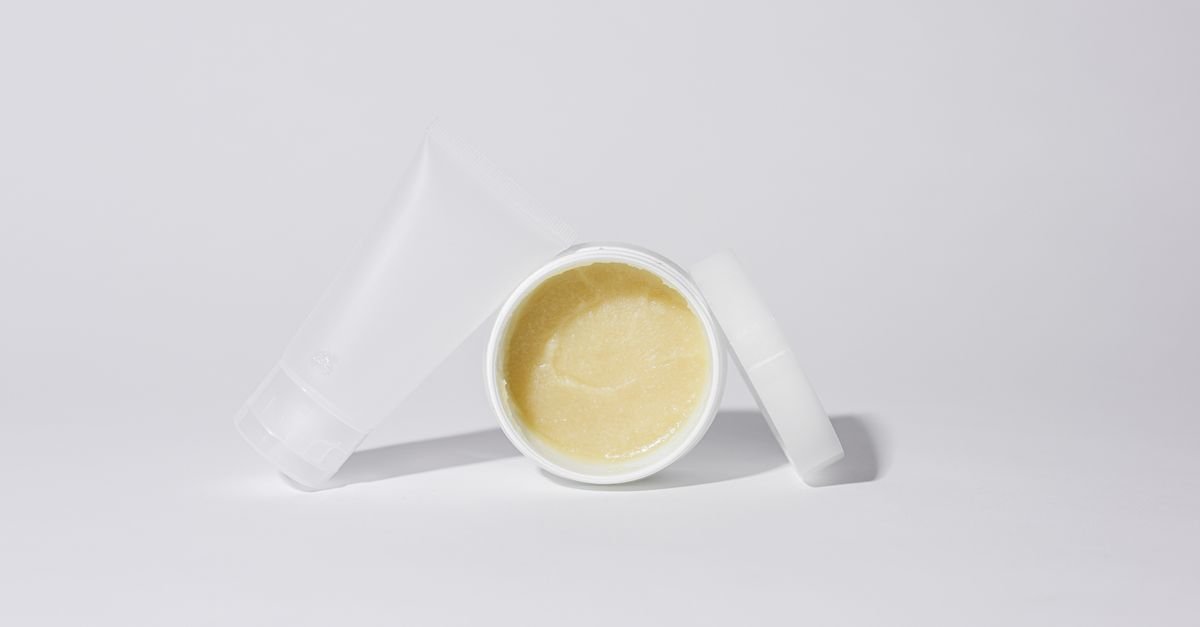
The idea is to finish your evening routine with a thin layer of an occlusive product – most often plain petroleum jelly – as the very last step. The nickname comes from the shiny, slug-like sheen it leaves on your skin.
That layer acts like a seal, trapping everything underneath and slowing water loss overnight.
What does slugging do for your skin?
Slugging doesn’t add moisture on its own – it locks in the moisture that’s already there.
Its main benefits include:
- Reduced overnight water loss, so skin stays hydrated until morning.
- Softer, plumper skin that feels comfortable and smooth on waking.
- Relief for flaky, tight patches, which is a win in winter.
- Better use of your serums, as the seal helps hold them against the skin.
- Barrier support, giving compromised skin a calm, protected environment to recover.
It’s essentially a low-cost way to supercharge hydration while you sleep.
Who should try slugging (and who shouldn’t)?
Slugging isn’t for everyone, and matching it to your skin matters.
It’s ideal for dry, dehydrated, flaky or mature skin, and for anyone dealing with cold, dry winter air. If your skin often feels tight, you’re a great candidate.
Be cautious if your skin is oily, congested or acne-prone. Sealing in oil and bacteria can trigger breakouts, so this group should slug rarely, if at all.
How to do skin slugging step by step
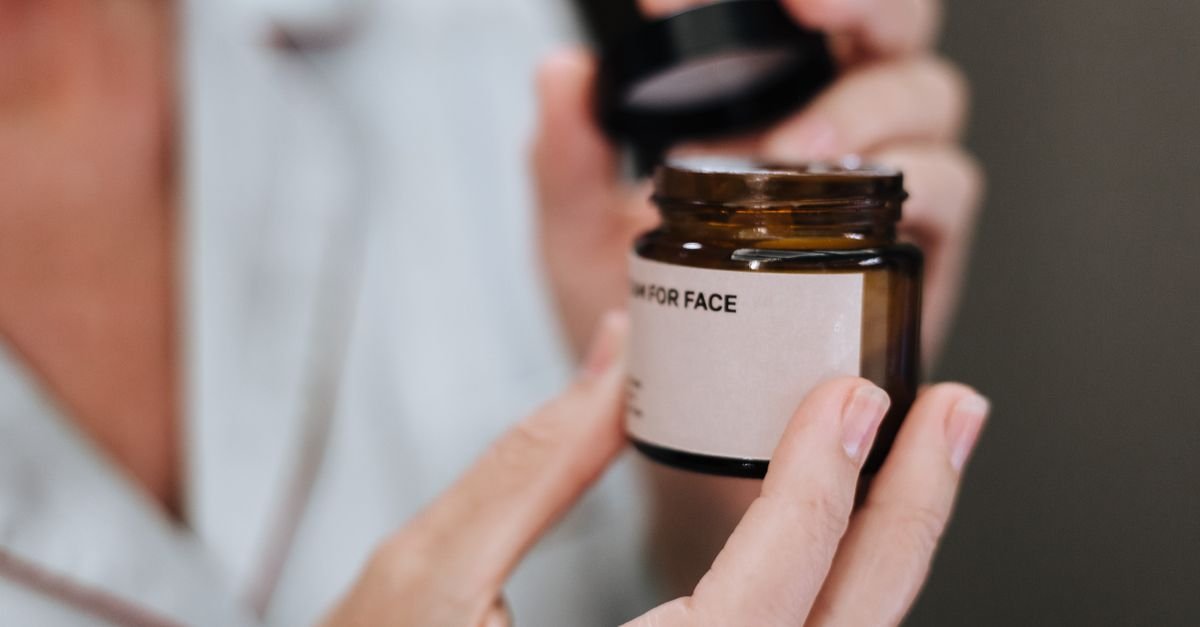
Slugging is easy once you know the order.
- Cleanse gently to remove the day’s makeup and grime.
- Hydrate with your usual serums – a hydrating hyaluronic acid serum is perfect here.
- Moisturize with your normal night cream.
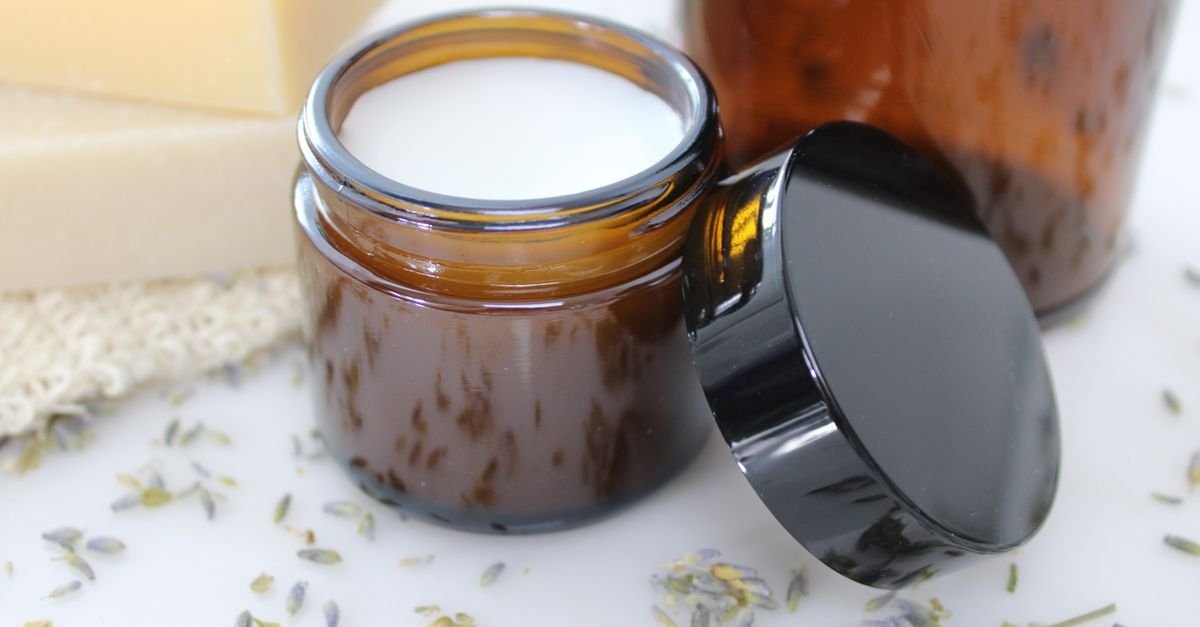
- Seal with a thin layer of petroleum jelly as the final step.
In the morning, cleanse thoroughly to remove the residue. For the full product order, see our skincare order guide.
What products can you use for slugging?
The classic slugging product is plain petroleum jelly, but you have options.
Any occlusive works, including petrolatum-based ointments and balms designed to seal the skin. Some people prefer lighter occlusives if pure petroleum jelly feels too heavy.
Look for a simple, fragrance-free formula. You can browse occlusive slugging balms on Amazon to find one that suits you.
How often should you slug?
More isn’t better with slugging.
For very dry skin, a few nights a week is plenty, and some people slug nightly in harsh winter weather. For normal or combination skin, once or twice a week is usually enough.
Listen to your skin – if it feels congested or you notice breakouts, cut back.
Can slugging cause breakouts?
Yes, it can, which is the biggest thing to be aware of.
Because an occlusive seals everything in, it can also trap oil and bacteria against the skin. For oily and acne-prone skin, that can lead to clogged pores and breakouts.
If you’re prone to acne, slug sparingly, keep the layer thin, and always start with clean skin. Stop if you see congestion.
What should you never slug over?
This is a safety rule worth remembering.
Avoid slugging over strong actives like retinol or exfoliating acids (AHAs and BHAs). The occlusive seal can boost how deeply they penetrate, which may cause irritation.
Save slugging for nights when your last treatment steps are gentle and hydrating.
Slugging and your skin barrier
Slugging can be a real friend to a stressed skin barrier.
By locking in moisture and shielding the skin overnight, it gives a damaged or irritated barrier a calm space to recover. Pairing it with soothing ingredients like niacinamide can help even more.
If your barrier feels compromised, see our guide on how to repair a damaged skin barrier.

Slugging for different skin types
How you slug should depend on your skin.
Dry and mature skin can enjoy it often, over a rich night cream. Combination skin can slug just on drier areas like the cheeks, avoiding the oily T-zone.
Oily and acne-prone skin should be the most cautious, reserving it for occasional use on especially dry, tight nights.
Common slugging mistakes to avoid
- Slugging over actives. Skip retinol and acid nights to avoid irritation.
- Using too much. A thin layer is all you need – more is messy, not better.
- Slugging dirty skin. Always start clean, or you’ll trap grime and oil.
- Doing it too often. Oily skin especially should keep it occasional.
- Skipping hydration first. An occlusive seals moisture in – so put moisture there first.
Are there alternatives to slugging?
If full slugging feels too heavy, gentler versions exist.
“Skin flooding” layers several lightweight hydrating products for a plumping effect without a heavy seal. A “moisturizer sandwich” applies moisturizer, a hydrating mist, then more moisturizer.
You can also try slugging only on your driest patches rather than your whole face.
Can you slug your lips and body too?
Slugging is not just for your face.
Lip slugging – sealing a hydrating balm over your lips overnight – is a great fix for chronically dry, flaky lips. You can also seal an occlusive over very dry hands, elbows, heels or cuticles.
Anywhere your skin loses moisture and gets rough, a thin occlusive layer overnight can help it recover.
Should you slug differently in summer and winter?
The season really changes how useful slugging is.
In cold, dry winter air, slugging shines – it locks in moisture when your skin loses it fastest. Many people slug far more often in the colder months.
In hot, humid summers, or if you sweat a lot, heavy occlusives can feel greasy and trap sweat, so slug less often or only on dry patches.
What results can you expect from slugging?
It helps to know what slugging can and cannot do.
Most people wake up to noticeably softer, plumper, more comfortable skin, and dry flaky patches often look better after a few nights. That instant morning softness is the main payoff.
It will not treat acne, fade dark spots or replace active ingredients – it is purely a moisture-sealing step, so keep your expectations realistic.
Is slugging good for beginners?
Slugging is one of the most beginner-friendly skincare techniques out there.
It uses just one extra product, has no complicated steps, and the occlusive itself is inexpensive and gentle. That makes it an easy, low-risk way to boost hydration.
If you are new to it, start with one night a week on clean skin, keep the layer thin, and see how your skin responds before doing it more often.
Slugging vs a rich night cream: which is better?
These two do related but different jobs, and you can use both.
A rich night cream adds moisturizing and often nourishing ingredients to your skin. Slugging seals whatever is underneath so almost no water escapes overnight.
For most people, the best approach is to apply your night cream first and then seal it with a thin occlusive on very dry nights – the cream nourishes, the occlusive locks it in.
Does slugging work on its own?
Slugging is a sealing step, not a source of hydration, so it works best as a finishing move.
An occlusive like petroleum jelly mainly locks in what is already on your skin – it does not add much moisture by itself. Applied to bare, dry skin, it will feel greasy without doing a great deal.
For real results, always slug over a hydrating serum and a moisturizer. Think of it as the lid on the jar: essential for keeping everything in, but not the contents themselves.
Can you slug during the day or over sunscreen?
Slugging is really designed as a nighttime step.
A thick occlusive layer feels heavy and greasy under makeup, and it is not meant to go over sunscreen during the day. It also has no SPF of its own.
Keep slugging for your evening routine, and stick with your normal moisturizer and sunscreen in the morning.
How do you remove slugging residue in the morning?
Cleaning off the occlusive properly is part of doing slugging right.
In the morning, use a gentle cleanser – a creamy or oil-based one works well – to fully remove the greasy layer. Lukewarm water helps it lift away.
Leaving residue on all day can feel heavy and, on some skin, contribute to congestion, so do not skip this step.
Is slugging safe for fungal acne or congestion-prone skin?
This is an important caution for some people.
If you are prone to fungal acne (small, itchy, uniform bumps) or heavy congestion, sealing everything in overnight can make it worse. The warm, occluded environment is not ideal for that skin.
If this sounds like you, slug rarely if at all, and focus on lighter hydration instead.
Should you patch test before slugging?
A quick patch test is always a smart move with something new.
Try slugging on a small area, like one cheek, for a couple of nights before committing to your whole face. Watch for congestion, bumps or irritation.
If your skin looks happy after a few nights, you can slug more confidently. If not, scale back or stop.
Does slugging help with texture and dullness?
Slugging can noticeably improve how smooth and fresh your skin looks.
By deeply hydrating and reducing overnight water loss, it plumps the surface, which softens rough, flaky texture and adds a healthy morning glow.
It will not resurface skin the way exfoliating acids do, but for dryness-related dullness, the difference can be real.
Is slugging suitable for teenagers and younger skin?
Younger skin can slug, but usually needs it less.
Teenage skin is often oilier and more breakout-prone, so full-face slugging may not be the best fit. It can trap oil and worsen congestion.
If a teen has genuinely dry patches or is using drying acne treatments, occasional targeted slugging on those areas can help.
Can you slug too often?
Yes – even dry skin can be over-slugged.
Sealing your skin every single night, especially in warm weather or on oilier skin, can lead to congestion and clogged pores. Your skin also benefits from some nights to breathe.
Match the frequency to your skin and the season, and cut back at the first sign of bumps.
Practical tips for a better slugging experience
A few small habits make slugging cleaner and more effective.
Use a genuinely thin layer, applied with clean hands, so it is not messy or wasteful. Protect your bedding with an older or dedicated pillowcase, since occlusives can transfer.
Give your serums a moment to absorb before you seal, and always start on freshly cleansed skin.
Frequently Asked Questions
What is skin slugging?
Skin slugging is the practice of applying a thin layer of an occlusive – usually petroleum jelly – as the final step of your nighttime routine. It seals in the moisture and products underneath so your skin loses less water overnight, leaving it softer and more hydrated by morning.
How do you slug your skin?
Cleanse, apply your hydrating serums, then your moisturizer, and finish with a thin layer of petroleum jelly. Leave it on overnight and cleanse it off in the morning. Always slug on clean skin, and keep the final layer thin.
Is slugging good for acne-prone skin?
Not usually. Sealing in oil and bacteria can trigger clogged pores and breakouts on oily or acne-prone skin. If you still want to try it, slug rarely, keep the layer thin, and stop at the first sign of congestion.
How often should you slug?
A few nights a week suits very dry skin, while once or twice a week is enough for normal or combination skin. In harsh winter weather some people slug nightly. Reduce the frequency if your skin feels congested.
Can you slug over retinol?
It’s best not to. An occlusive seal can increase how deeply retinol and exfoliating acids penetrate, which may cause irritation. Save slugging for nights when your last steps are gentle and hydrating rather than active.
What can I use for slugging besides Vaseline?
Any occlusive works, including petrolatum-based ointments and balms made to seal the skin. Some people prefer lighter occlusive balms if plain petroleum jelly feels too heavy. Choose a simple, fragrance-free formula.
Does slugging actually work?
For dry and dehydrated skin, yes – it noticeably reduces overnight water loss and leaves skin softer and plumper. It doesn’t add moisture itself, so it works best sealed over hydrating serums and a moisturizer.
The bottom line
Skin slugging is a cheap, effective way to lock in overnight hydration – especially for dry, flaky or winter-stressed skin.
Layer your hydrating products first, seal with a thin occlusive, skip it on active nights, and go easy if your skin is oily.
To keep building healthy skin, see our niacinamide guide and hyaluronic acid picks.

 Adhorika Khan