 Adhorika Khan
Face oils inspire two equally wrong reactions: “oil on my face? instant breakouts!” and “oils are ancient natural magic that replaces everything.” The truth is more useful than either. A face oil is an occlusive-emollient layer — it softens skin and slows moisture escape, making it a genuinely great final step for dry, mature, and barrier-stressed skin. It is not a moisturizer replacement, not a treatment, and not automatically pore-clogging — the right oil matched to the right skin type is the entire game.
This guide sorts the oil aisle honestly: which oils suit which skin, where oil goes in a routine, the comedogenic question answered properly, and the marketing claims that deserve a polite smile and a pass.
Key Takeaways
- Oils seal, they don’t hydrate: they slow water loss but contain no water — apply them over moisturizer, not instead of it.
- Match oil to skin type: squalane and jojoba for nearly everyone; rosehip for marks and aging; heavier butters and coconut stay away from clog-prone faces.
- Oil goes LAST at night — it blocks whatever tries to pass through it.
- “Non-comedogenic” is a spectrum, not a certificate — and your skin’s vote is the only one that counts.
- Oils are supporting actors: real treatment (retinoids, acids, SPF) still does the heavy lifting.
What Does a Face Oil Actually Do?
Two legitimate jobs. Emollience: oils fill the microscopic gaps between skin cells, instantly smoothing texture and softening flaky patches — the immediate “my skin feels expensive” effect. Occlusion: a light oil film slows transepidermal water loss, keeping the hydration your other products delivered from evaporating into the bedroom air — the same principle as slugging, dialed to elegant instead of Vaseline.
What oils do not do: hydrate (no water content — the distinction our dry vs dehydrated guide explains), treat acne or pigment at meaningful levels, or replace sunscreen (no oil has meaningful SPF, whatever the internet says about coconut).
Does Your Skin Even Want an Oil?
Strong yes: dry skin (missing its own oil — this is literal replacement therapy), mature skin (sebum production declines steadily with age), barrier-stressed skin in recovery (see the barrier guide), and anyone in a dry-winter climate. Maybe: normal and combination skin as an occasional night treat or winter add-on. Proceed carefully: oily and acne-prone skin — not forbidden, but the oil choice matters enormously and the “my skin is oily because it’s dehydrated, so I’ll add oil” internet logic sends many people sideways. Oily skin usually needs hydration (water) and treatment, not more lipid.
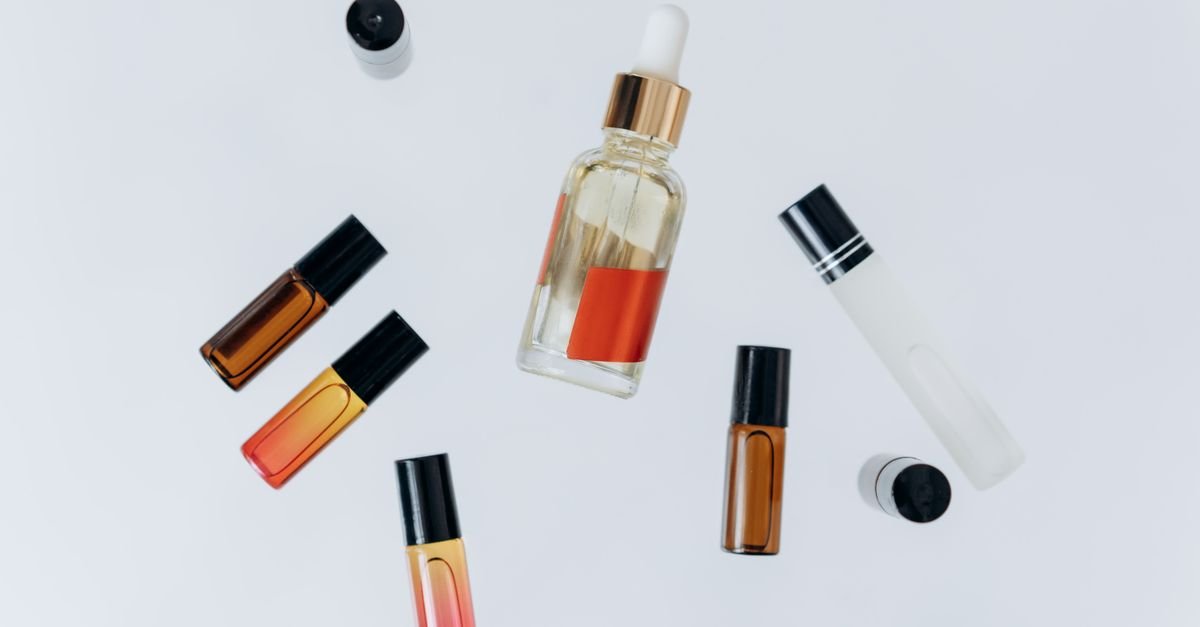
The Face Oil Dictionary: Which Oil for Which Skin
Squalane: The Universal Answer
If this guide had to be one sentence, it would be “when in doubt, squalane.” It mimics the squalene your skin already produces (the “a” version is the shelf-stable form), feels weightless, absorbs cleanly, ranks near-zero on the clogging scale, and suits virtually every skin type including many acne-prone faces. Boring, brilliant, and usually affordable.
Jojoba: The Skin Impersonator
Technically a liquid wax whose structure closely resembles human sebum — skin recognizes it, absorbs it well, and rarely objects. A classic first oil, gentle enough for most, with a slightly richer feel than squalane.
Rosehip Seed: The Treatment-Adjacent One
Naturally rich in linoleic acid plus trace provitamin A, with modest evidence for mark-fading and texture over months — the closest thing in the oil aisle to an active. Suits normal-to-dry and mark-prone skin; store it cool and dark (it oxidizes faster than most).
Marula and Argan: The Rich Comforters
Heavier, cushiony oils for genuinely dry and mature skin — superb in winter, over-rich for clog-prone faces. Argan doubles for hair ends; marula wears the luxury pricing its texture half-earns.
Grapeseed and Safflower: The Light Budget Picks
High-linoleic, lightweight, inexpensive — reasonable options for combination skin exploring oils without commitment.
The Caution List
Coconut oil is wonderful on body and hair and notoriously clogging on acne-prone faces — the single most common face-oil mistake. Heavily fragranced “luxury blends” stack essential oils that sensitive skin reads as a declaration of war. Citrus and certain botanical oils can be phototoxic or sensitizing — the natural-equals-gentle assumption fails hardest right here.
Where Does Oil Go in the Routine?
One rule handles ninety percent of confusion: oil goes last at night (before only heavy occlusive balms, if you use them). Oil blocks water-based products from penetrating, so everything with actives and humectants goes underneath — cleanse, treat, moisturize, then two to four drops of oil pressed over the top as the seal. The full sequencing logic lives in our layering order guide.
Morning? Generally skip it — oil under sunscreen can interfere with SPF film formation and makeup grip. If your skin demands morning richness, one drop mixed into moisturizer is the compromise, with SPF applied carefully after it settles.
The mixing trick: a drop of oil massaged into your night cream upgrades an ordinary moisturizer into a winter one — the cheapest “rich cream” on the market.
How Much, How Often, and the Application Method
Two to four drops for the whole face — warmed between palms, pressed into skin rather than rubbed, thirty seconds of gentle work. Pressing wastes less on your hands and treats the skin more kindly.
Frequency follows your skin’s season: nightly for dry types in winter, a few nights weekly for normal skin, occasional-experiment status for oily types (one drop over moisturizer on a recovery night is a fair trial — the vocabulary from our skin cycling guide). Judge by morning skin: comfortable and calm means continue; congested or filmed means scale back or switch lighter.

The Comedogenic Question, Answered Honestly
Those comedogenic ratings (0–5 scales) floating around the internet come largely from decades-old rabbit-ear studies of raw ingredients at high concentrations — directionally useful, individually unreliable. A “2” that clogs your friend may love your face, and vice versa.
The practical protocol beats the chart: choose from the historically safe end (squalane, jojoba, rosehip), patch-test on one side of the face for two weeks, and watch the clog-prone zones (jawline, hairline, around the nose). New small bumps arriving in week two are your answer — no chart required. And clog-prone readers fighting existing congestion should visit our blackheads guide before adding any oil to the scene.
Oil Myths That Deserve Retirement
“Oil dissolves oil, so oils treat acne” — cleansing oils rinse away sebum, yes; a leave-on oil layer does not treat acne, and several worsen it. “Natural oils are chemical-free” — everything is chemicals; poison ivy is natural. Judge molecules, not marketing categories. “Oils replace moisturizer” — oils seal but bring no water; dry skin under oil-only routines stays quietly dehydrated (the classic “my skin drinks oil and still feels tight” complaint). “Expensive rare oils work better” — price tracks rarity and story, not performance; squalane outperforms most $90 elixirs for most faces. “Oils have SPF” — no. Our SPF guide covers what actually protects.

Choosing Your First (or Next) Oil: The Decision Path
Acne-prone or oily: squalane only, one drop, over moisturizer, twice weekly trial — and honestly, you may conclude you don’t need an oil at all. Combination: squalane or grapeseed, T-zone optional. Normal: jojoba or squalane nightly-in-winter, less in summer. Dry: rosehip or argan nightly over moisturizer; marula in deep winter. Mature and dry: the rich end (marula, argan) plus rosehip’s treatment-adjacent bonus. Sensitive: single-ingredient, fragrance-free squalane — the shortest ingredient list in the store — patch-tested first, per the one-at-a-time doctrine in our ingredient dictionary.
Buying notes: dark glass bottles beat clear plastic (oils oxidize), single oils beat mystery blends for troubleshooting, and “cold-pressed/unrefined” matters more for rosehip than for squalane (which is processed by definition and better for it).
When Oils Go Wrong: Troubleshooting
Morning film or shine: too many drops or too heavy an oil — halve the dose or lighten the pick. New congestion at week two: the oil, the amount, or the placement (some faces take oil on cheeks but not the T-zone) — retreat and re-trial one variable. Stinging on application: fragrance or essential-oil content, or a compromised barrier that needs repair before richness — bland recovery first. Pilling under other products: you’ve layered oil too early — move it to the final slot. No visible difference after a month: fair verdict; oils are comfort-and-seal players, and if your moisturizer already finishes the job, the oil is optional garnish — spend the money on sunscreen you love instead.
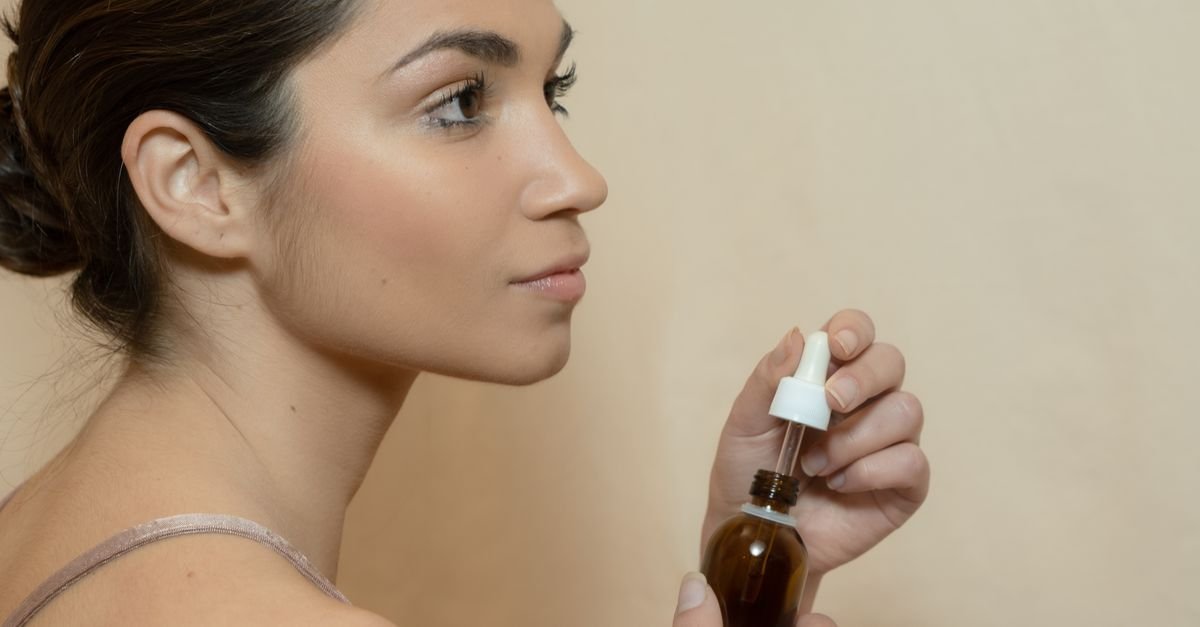
Storing Oils So They Don’t Quietly Go Rancid
Oils are fresh goods wearing luxury packaging. Oxygen, light, and heat turn them rancid — and rancid oil on skin is an irritant, not a treatment. The storage rules: dark glass, tightly capped, in a cool drawer (not the sunny shelf, not the steamy shower caddy); buy sizes you’ll finish in six to twelve months; fragile oils (rosehip especially) can live in the fridge. The freshness test is your nose: skincare oil should smell neutral-to-pleasantly-nutty — a sharp, crayon-like, or “old cooking oil” note means the bottle is done, whatever the PAO icon claims. Squalane, characteristically, is also the most oxidation-resistant of the bunch — one more argument for the boring champion.
The Bottom Line
Face oils are neither villains nor miracles — they’re a texture-and-seal tool that certain skins (dry, mature, winter-stressed) genuinely flourish under and others simply don’t need. Pick from the proven shortlist, press it on as the final night step, judge by your own morning skin, and keep the treatment heavy-lifting where it belongs: actives underneath, SPF every morning, and honest expectations throughout.
Cleansing Oils vs Leave-On Oils: Same Aisle, Different Species
A frequent confusion worth untangling: cleansing oils are wash-off products — oil plus emulsifiers that grab sebum, sunscreen, and makeup, then rinse away milky. They’re how “oil dissolves oil” is actually true in practice, and they suit even oily skin beautifully as the first step of a double cleanse.
Leave-on face oils — this guide’s subject — stay on as a seal. Different job, different rules, different shopping list. The practical takeaway: loving a cleansing oil says nothing about whether your skin wants a leave-on oil, and vice versa. Judge each on its own audition.
The Overflow Uses: Where Leftover Oil Never Goes to Waste
If your face votes no, the bottle still earns its keep: cuticles and nails (jojoba and squalane are professional-grade cuticle oil at a third the price), hair ends (a drop smoothed over dry lengths — argan’s original claim to fame), elbows, knees, and heels (the body zones that laugh at lotion), as gua sha or massage slip (the exact right texture — see our gua sha guide), and mixed into body lotion for a winter upgrade. A face oil that fails the face audition almost never needs to be thrown away — which takes the risk out of experimenting.
The proven-shortlist shopping list:
The proven-shortlist shopping list:
Frequently Asked Questions
Are face oils good for your skin?
For dry, mature, and barrier-stressed skin, genuinely yes — they soften texture and seal in hydration. For oily and acne-prone skin they’re optional at best, and only the lightest oils (like squalane) are worth trialing.
Do face oils replace moisturizer?
No. Oils contain no water — they seal hydration in but can’t supply it. Apply oil as the final step over moisturizer; oil-only routines leave skin soft-feeling but quietly dehydrated.
Which face oil is best for acne-prone skin?
Squalane, if any — it’s the lightest, least clogging option with skin-identical structure. Avoid coconut oil and rich blends on breakout-prone faces, and patch-test any oil for two weeks before committing.
When should I apply face oil in my routine?
Last at night, after moisturizer — two to four drops pressed over everything as a seal. Skip it in the morning, where it can interfere with sunscreen film and makeup.
Can face oils clog pores?
Some can — coconut and heavy butters are the classic offenders, while squalane and jojoba rarely clog. Comedogenic charts are rough guides at best; your own two-week patch trial is the real test.
Is rosehip oil actually anti-aging?
Modestly — its linoleic acid and trace provitamin A give it mild evidence for texture and mark-fading over months. It’s the most treatment-adjacent oil, but it doesn’t replace a real retinoid.
Do I need a face oil in summer?
Most skin doesn’t — oils earn their keep in dry winters and dry climates. Many people run oils seasonally: nightly in January, retired by June. Let your morning skin comfort make the call.


 Adhorika Khan