 Adhorika Khan
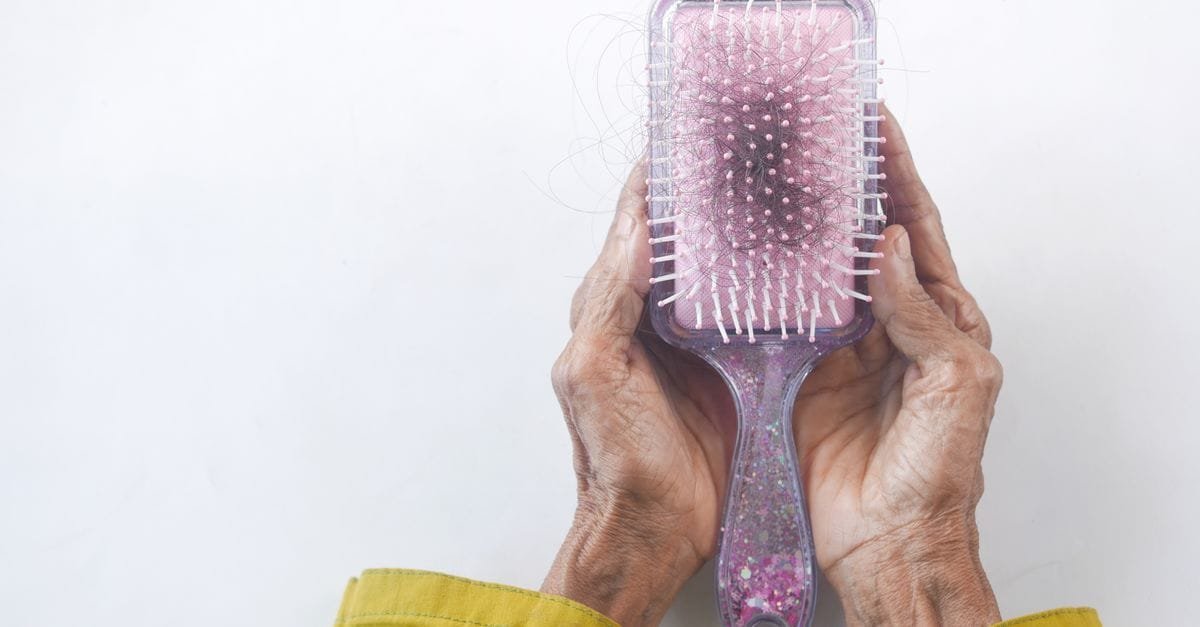
Flip your hairbrush over. That gray felt woven through the bristles isn’t just hair — it’s lint, dust, scalp oil, dead skin, and every product you’ve used since you last cleaned it (which, statistically, may be never). A dirty brush re-applies that archive to clean hair with every stroke — greasing roots faster, dulling shine, and irritating scalps. The fix is a monthly ten-minute wash: strip the hair, soak in shampoo water, scrub the base, dry bristles-down. Your brush — and your wash-day results — will behave like new.
This is the complete guide: what’s actually living in the bristles, the deep-clean method for every brush type (paddle, round, boar, wet-brush), the lint mystery solved, drying rules that prevent mildew, and when a brush is simply done.
Key Takeaways
- The gray fuzz is lint + oil + skin + product — a felt of everything your hair and bathroom shed, re-applied daily.
- Weekly hair removal + monthly wash is the honest schedule (bi-weekly wash for heavy product users and oily scalps).
- Shampoo is the right soap — it’s engineered for exactly this residue; a drop in warm water handles everything.
- Wooden and boar brushes get dipped, never soaked — water in wood and natural bristle pads ruins both.
- Dry bristles-down always — water pooled in the cushion base is where mildew (and that musty smell) is born.
What’s Actually in a Dirty Brush?
Every stroke deposits: shed hair (50–100 strands a day are normal — many land in the brush), sebum transferred from roots, dead skin cells from the scalp’s normal shedding, product residue (dry shampoo is the great brush-felter of our era — the powder that saved wash day collects in bristles as gray paste), dust and textile lint from the air and towels (the “lint mystery” is mostly airborne fiber snagging on oiled bristles), and the microbial life that enjoys all of the above.
The daily consequence isn’t drama — it’s the quiet sabotage of everything else you do: freshly washed hair brushed with an oily brush is instantly less fresh (the “my hair gets greasy so fast” mystery, frequently), styles fall faster on residue-coated strands, and irritation-prone scalps get yesterday’s allergens re-delivered. Same hygiene logic as our makeup brush guide — a tool that touches skin and oil daily needs washing like one.
The Deep Clean, Step by Step
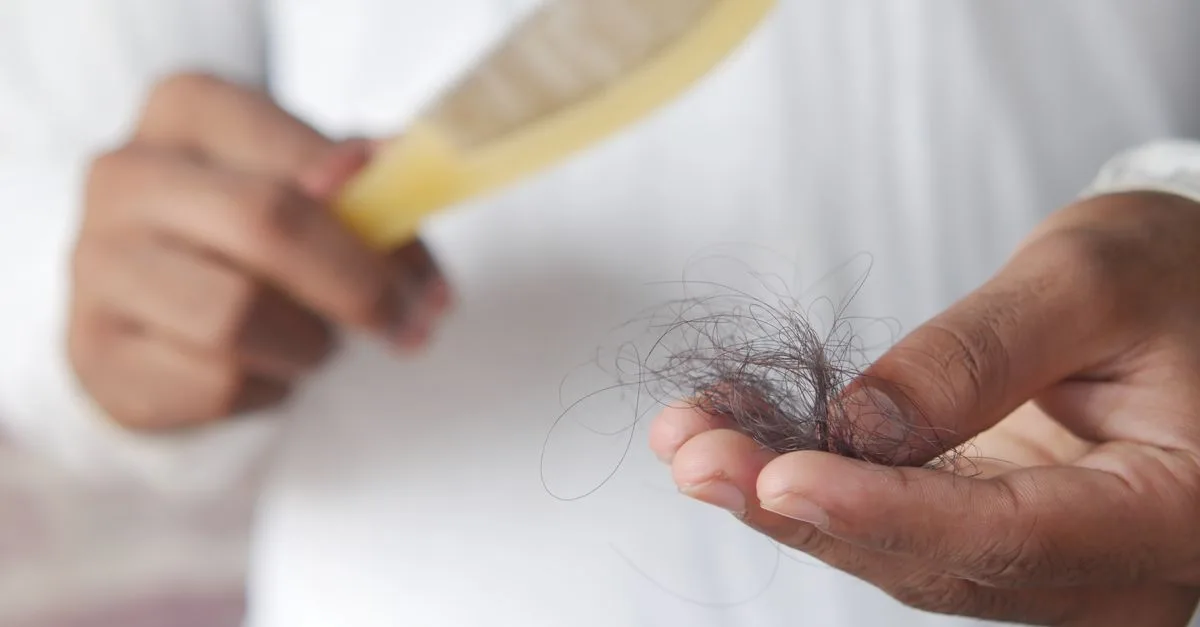
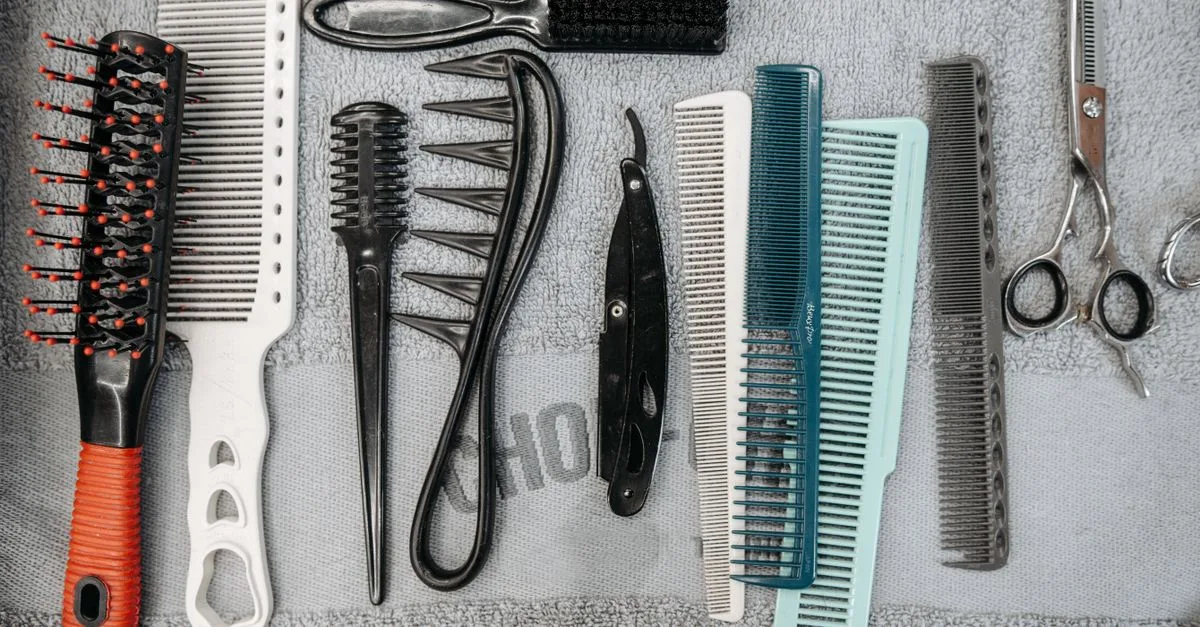
Step 1 — Strip the hair: use a rat-tail comb, a pen, or scissors to lift and pull the hair mat out; for woven-in mats, slide scissors carefully along the cushion and snip the mat into liftable sections. Do this over the bin, not the sink drain.
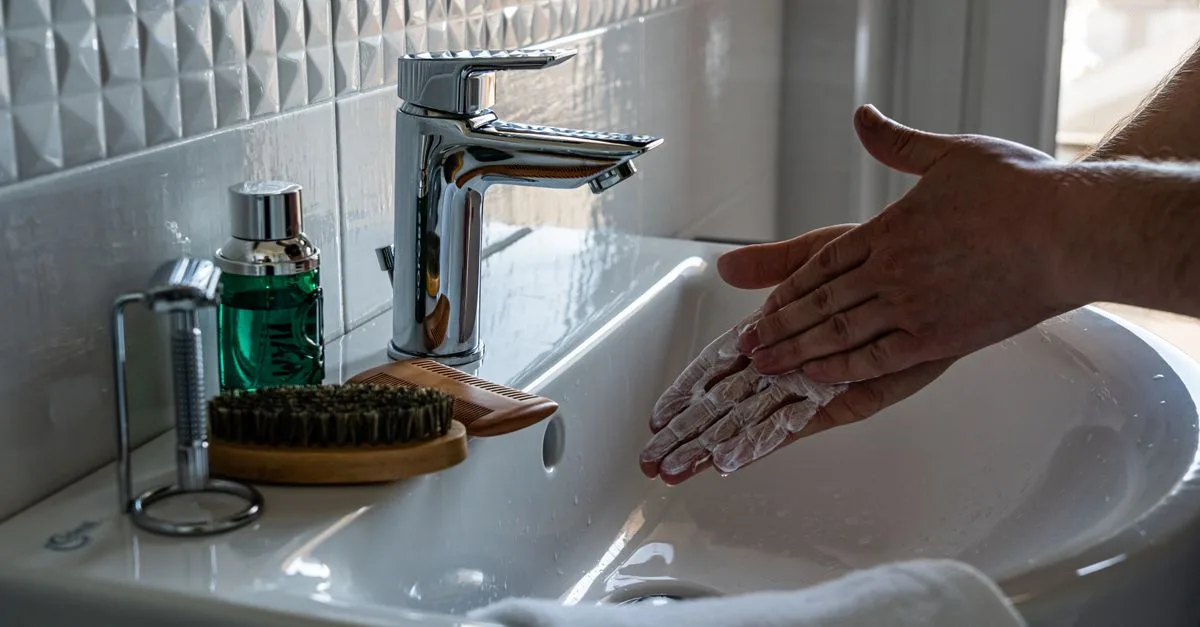
Step 2 — Make the bath: warm (not hot) water in the sink, a small squeeze of shampoo or gentle clarifying shampoo — the surfactant engineered for scalp oil is the right chemistry here. A teaspoon of baking soda is the optional booster for the truly historic.
Step 3 — Wash by brush type (the fork in the road): plastic/synthetic paddle and vent brushes — full five-minute soak, then swish; wooden-handled, boar/natural bristle, and cushioned brushes — NO soaking (water swells wood, degrades natural bristle, and floods cushion pads): dip only the bristles, keeping base and handle dry, several dips and swishes.
Step 4 — Scrub the base: an old toothbrush (or a cheap nail brush) along the cushion base and between bristle rows — this is where the felt actually lives; thirty seconds of scrubbing does what an hour of soaking can’t.
Step 5 — Rinse and shake: cool running water, bristles down, until it runs clear; shake firmly.
Step 6 — Dry bristles-DOWN on a towel — overnight, cushion holes facing down so trapped water escapes. Upright drying pools water in the cushion: the mildew recipe, and the musty brush everyone has owned once.
Special Cases: Round Brushes, Wet Brushes, Combs, and Heated Tools
Round brushes collect wound hair like a spindle — slide scissors along the barrel parallel to it, snip the wrap in one or two places, and unwind; then standard bristle-dip wash. Vented wet-brushes are the easiest wash in the house (fully synthetic, open construction — soak and swish) and need it often, since they meet conditioner-loaded wet hair daily. Combs — soak, then floss between teeth with the toothbrush; the gunk-line at the teeth base is dry shampoo’s memoir. Heated brushes and dryer-brushes — NEVER submerged: unplugged, cooled, bristles wiped with a barely-damp shampoo-water cloth, then dry cloth; treat like the electrical appliance it is. Bonus honesty: the hair-dryer itself has a lint filter (the removable back grille) — a monthly brush-off protects both the motor and your airflow.
How Often, Really?
The honest schedule table: hair removal — weekly, ten seconds, while watching anything; full wash — monthly for average use; bi-weekly for daily dry-shampoo users, heavy stylers, and oily scalps; after every illness — same rule as toothbrushes and pillowcases; immediately upon musty smell, visible felt, or gray residue transferring to hair. And one rule with no exceptions: brushes are single-person items — sharing brushes shares scalp flora, and (the unglamorous truth) it’s the classic transmission route for lice in households; every family member gets their own.
The Scalp Connection: Why This Is Skincare
Your scalp is skin (the founding thesis of our scalp guide), and the brush touches it dozens of times daily. A residue-loaded brush re-deposits oil onto the scalp you just washed (accelerating the greasy-roots cycle from our wash-frequency guide), drags old allergens across sensitive skin, and — for the flake-prone — redistributes the oil that Malassezia feeds on. Clean-brush weeks measurably stretch time between washes for many people; it’s the cheapest “my hair stays fresh longer” upgrade available, and it costs a monthly ten minutes.
When to Retire a Brush
Cleaning extends life; it doesn’t grant immortality. Replace when: bristles are bent, melted, or balding (a paddle brush missing rows drags unevenly and snags); the cushion has cracked or lost bounce (torn cushions harbor unwashable grime and pinch hair); ball-tips have worn off plastic bristles (exposed rough tips scratch scalps — run the brush over your palm; if it feels sharp, it’s scratching your head too); mustiness survives a proper wash (colonized cushion — non-negotiable); or the handle’s cracked into a pinch hazard. Quality brushes washed monthly last years — the boar-bristle heirloom tier genuinely earns its price across a decade (our natural bristle picks) — while the drugstore paddle is honest about its two-year lifespan.
The Ten-Minute Monthly Ritual (Attach It to Something)
Habit-stack it with the other monthly hygiene chores this site keeps assigning: first Sunday of the month = makeup brushes (the full method), hairbrushes and combs, the makeup drawer wipe-down, and the pillowcase-and-towel laundry check. One podcast episode covers the entire hygiene block — and every tool that touches your face, scalp, and hair enters the month clean. The compound effect across a year is quietly enormous: fewer mystery breakouts, fresher hair days, longer-lived tools, and a bathroom that stops accumulating archaeological brushes.
Brush-Cleaning Myths and Shortcuts, Judged
“Just pick the hair out — that’s cleaning” — hair removal is step one of six; the oil-and-lint felt is the actual dirt. “Run it through the dishwasher” — melts bristles, swells wood, floods cushions; no. “Vinegar soaks disinfect best” — diluted vinegar is a fine booster for funky synthetic brushes, but shampoo remains the right primary chemistry, and vinegar won’t rescue a mildewed cushion. “Dryer sheets in the bristles keep it fresh” — fragrance-coating the residue is perfume on the problem. “Boar bristles are self-cleaning” — boar brushes are the most oil-hungry of all (that’s their job — distributing sebum) and need the most faithful washing. The unglamorous truth across all of them: warm water, shampoo, toothbrush, gravity. Ten minutes. Monthly.
Choosing Brushes That Stay Cleanable
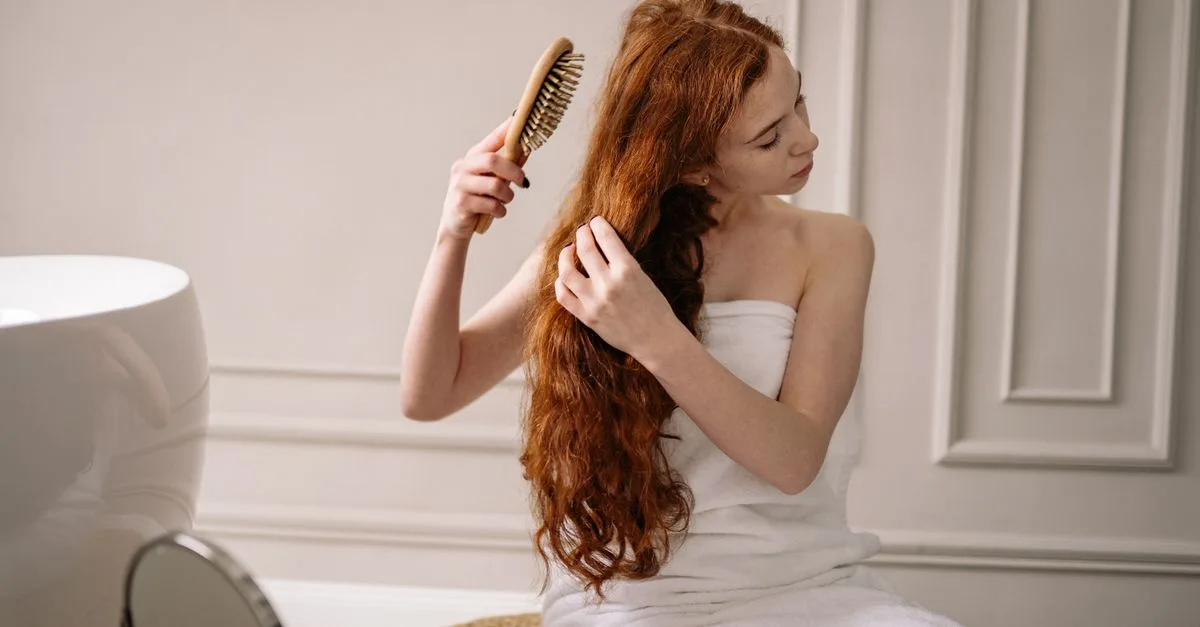
Some brushes are born washable; some are born landfill. The cleanability audit before buying: open construction beats closed — vented and open-back brushes rinse through and dry fast; sealed cushion pads with tiny air holes are mildew architecture. Synthetic all-in-one molds (the shower-detangler style) are the dishwasher-simple end of the spectrum — soak, swish, done. Removable-cushion and replaceable-pad designs (common in quality paddle brushes) let you deep-clean or renew the exact part that ages. Wood-and-boar heirlooms demand the careful dip protocol but repay it in decades of service. And the anti-pattern: glitter-filled, fabric-wrapped, or crevice-rich novelty brushes — charming for a season, unwashable forever. The same buying logic as every tool on this site: maintenance you’ll actually do beats features you’ll never clean.
The Whole-Family Version
Household brush hygiene scales simply: one brush per head (the lice-and-flora rule, non-negotiable with school-age children), a labeled cup or hook per person so brushes stop wandering, kids’ brushes washed monthly alongside yours (small heads produce impressive felt), and the guest brush retired — visitors get a fresh cheap brush or their own bag’s contents, not the family archive. Pet owners get one bonus rule: pet grooming brushes live in a different room entirely, washed with the same shampoo method but never the same sink session. Ten extra minutes monthly covers a family of four — and removes an entire category of “mystery scalp itch” house calls.
The Bottom Line
A hairbrush is a skincare tool wearing a haircare costume — and the dirtiest object in most beauty routines. Strip the hair weekly, wash it monthly with the shampoo it was born to meet, protect wood and cushions from soaking, dry it bristles-down, and retire it when the bristles or the smell say so. Clean tools, cleaner scalp, fresher hair, longer wash gaps — the entire upgrade costs one podcast episode a month.
The brush-care kit:
The brush-care kit:
Frequently Asked Questions
How do you clean a hairbrush properly?
Strip out the hair, swish in warm water with a squeeze of shampoo (soak synthetics; dip-only for wood and natural bristle), scrub the base with an old toothbrush, rinse cool, and dry bristles-down overnight. Ten minutes, monthly.
What is the gray lint in my hairbrush?
A felt of airborne dust and textile fibers bound together by scalp oil, dead skin, and product residue — especially dry shampoo. It re-applies to your hair with every stroke until washed out.
How often should you clean your hairbrush?
Pull the hair out weekly; deep-wash monthly — every two weeks if you use dry shampoo daily, style heavily, or run an oily scalp. Also after any illness, and immediately if it smells musty.
Can I soak a wooden or boar bristle brush?
No — soaking swells and cracks wood and degrades natural bristle and cushion pads. Dip only the bristles into the wash water, keep the base dry, scrub with a toothbrush, and dry bristles-down.
Why does my hairbrush smell musty?
Water trapped in the cushion base grew mildew — usually from upright drying or brushing very wet hair daily. Rewash thoroughly and dry bristles-down; if the smell survives a proper wash, replace the brush.
Can a dirty hairbrush cause greasy hair or dandruff?
It accelerates both problems: residue-loaded bristles re-oil clean roots (shortening your wash cycle) and redistribute the scalp oil that dandruff’s yeast feeds on. A clean brush measurably stretches fresh-hair days.
When should I replace my hairbrush?
When bristles are bent or balding, ball-tips have worn off (palm test: if it scratches your hand, it scratches your scalp), the cushion cracks, or mustiness survives washing. Cleaned monthly, good brushes last years.
Can I use vinegar to clean my hairbrush?
As a booster for funky synthetic brushes, diluted vinegar helps — but shampoo remains the right primary chemistry for scalp-oil residue, and no soak rescues a mildewed cushion. Vinegar also shouldn’t soak wooden handles.
How do I clean a brush after lice or an infection?
Soak synthetic brushes in hot (60°C+) water for ten minutes after removing all hair, or bag them for two weeks (lice can’t survive off-scalp that long). During active treatment, dedicated-per-person brushes are non-negotiable.
Should I brush my hair when it’s wet?
Only with a wet-specific flexible brush or wide-tooth comb, ends first — wet hair stretches and snaps under regular brushing. And clean that wet-brush often; it meets conditioner-loaded hair daily.
How do I get dry shampoo buildup out of a brush?
Dry shampoo felt responds to the standard wash plus extra base-scrubbing with the toothbrush — and a teaspoon of baking soda in the shampoo water for the historic cases. Bi-weekly washing prevents the felt entirely for daily users.
Can I blow-dry my hairbrush to speed drying?
Skip it — heat warps synthetic bristles and cushions. Shake firmly, towel-press, and let gravity work overnight, bristles down. A brush washed in the evening is ready by morning.
Final thought: the brush you clean monthly will outlast three you never clean — and every one of its strokes will leave your hair better than it found it, which was always the entire job description.


 Adhorika Khan