 Adhorika Khan
You can’t permanently shrink your pores — their size is set by genetics — but you can make them look dramatically smaller by keeping them clear, controlling oil, and supporting the collagen around them. The honest heroes are salicylic acid, niacinamide, retinol and daily sunscreen. Here’s what actually works, and what’s just marketing.
Key Takeaways
- Pore size is genetic — no product permanently shrinks them.
- But appearance is controllable: empty, clean pores look far smaller.
- The proven helpers: salicylic acid (BHA), niacinamide, retinol, sunscreen.
- Oil and lost firmness are what stretch pores visibly — target both.
- Skip the myths: pores don’t open and close, and toothpaste isn’t skincare.
Can you actually shrink pores?
Let’s start with the honest answer most articles bury: no, not permanently.
Pore size is largely determined by genetics — how big your oil glands are and how your skin is built.
What you can change is how visible they are. A clear, unclogged, well-supported pore can look half the size of a congested one.
The video below from dermatologist Dr Dray sets realistic expectations and real solutions.
What are pores, and what are they for?
Pores are the tiny openings where hair follicles and oil glands reach the surface.
They deliver sebum — your skin’s natural oil — which keeps it protected and moisturized.
You need them, they never fully “close,” and everyone has roughly the same number. What varies is how noticeable they are.
Why do pores look bigger?
Four main culprits make pores stand out.
- Excess oil: big oil production stretches and highlights pores.
- Clogging: a pore packed with oil and dead skin looks wider and darker.
- Lost elasticity: as collagen declines with age and sun damage, pores lose their firm frame and appear stretched.
- Genetics: some skin simply has larger, more visible pores — especially oilier skin types.
Why are pores bigger on your nose and T-zone?
Your nose, forehead and chin have the highest density of oil glands.
More oil means more stretch and more visible openings — which is why the T-zone is pore central for almost everyone.
Those little dark dots on the nose are usually sebaceous filaments, not blackheads — more on that below.
Sebaceous filaments vs blackheads: know the difference
This distinction saves a lot of frustration.
Sebaceous filaments are the normal, grayish oil channels in every pore — they refill within weeks no matter what you do.
Blackheads are actual clogs: dark, raised plugs of oxidized oil and dead skin. Those you can genuinely clear — see our guide on how to get rid of blackheads.
Chasing “empty” sebaceous filaments is a losing game; managing them is the win.
The proven ingredient #1: salicylic acid (BHA)
Salicylic acid is the pore-clearing workhorse.
Because it’s oil-soluble, it gets inside pores and dissolves the buildup that makes them look wide and dark.
Used consistently (1–2% a few nights a week), it keeps pores emptier — and empty pores look smaller. Our AHA vs BHA guide explains how to fit it in.
The proven ingredient #2: niacinamide
Niacinamide is the pore-refiner with receipts.
It helps regulate oil production and supports the skin barrier, and consistent use is associated with a visible reduction in pore appearance.
It’s gentle, layers with almost everything, and works for every skin type. Read our full niacinamide guide, or see the best niacinamide serums.
The proven ingredient #3: retinol
Retinol plays the long game.
By speeding cell turnover it keeps pores from clogging, and by stimulating collagen it firms the skin that frames each pore — tightening that stretched look over months.
It’s the closest thing to a genuine long-term pore treatment in a bottle.
The unsung hero: daily sunscreen
Sun damage is a pore enlarger nobody talks about.
UV breaks down the collagen and elastin that hold pores taut, so unprotected sun exposure literally loosens the skin around them over time.
Daily SPF protects the structural support that keeps pores looking tight.
Does cleansing matter for pore size?
Enormously — it’s the daily foundation.
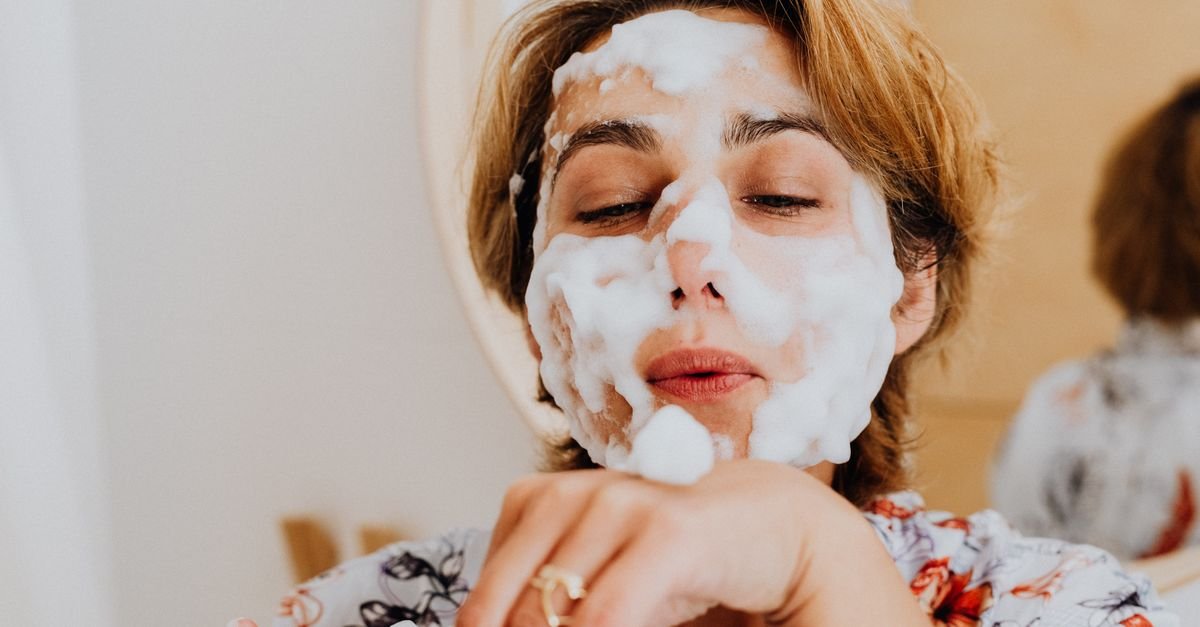
Gentle, thorough cleansing removes the oil, sunscreen and makeup that would otherwise sit in pores and stretch them.
If you wear makeup or SPF daily (you should!), an evening double cleanse makes a visible difference to congestion.
Do clay masks help?
Yes — as a supporting act.
A weekly clay mask absorbs excess oil and can temporarily make the T-zone look more refined.
The effect is short-lived, but as part of an oil-control routine it earns its spot.
Can moisturizer make pores look smaller?
Counterintuitively, yes.
Dehydrated skin often over-produces oil, and flaky patches make pores more obvious. A light, non-comedogenic moisturizer keeps skin balanced and smooth.
Skipping moisturizer to “dry out” pores usually backfires.
What about pore strips?
Satisfying, but overrated.
Pore strips rip out the top of some clogs and filaments — a brief cosmetic win that refills within weeks, with a risk of irritation on sensitive skin.
An occasional strip is fine; they’re not a strategy.
Do pore vacuums work?
Approach with caution.
At-home suction devices can bruise skin and break capillaries when used aggressively, and the pores refill just like with strips.
Consistent chemical exfoliation beats mechanical suction for both safety and results.
Makeup tricks to blur pores instantly
While skincare works in the background, makeup can help today.
A smoothing primer fills and blurs pores temporarily, and lightweight foundations settle into them far less than heavy, cakey layers.
Always remove it thoroughly at night, or the trick becomes tomorrow’s clog.
A simple pore-minimizing routine
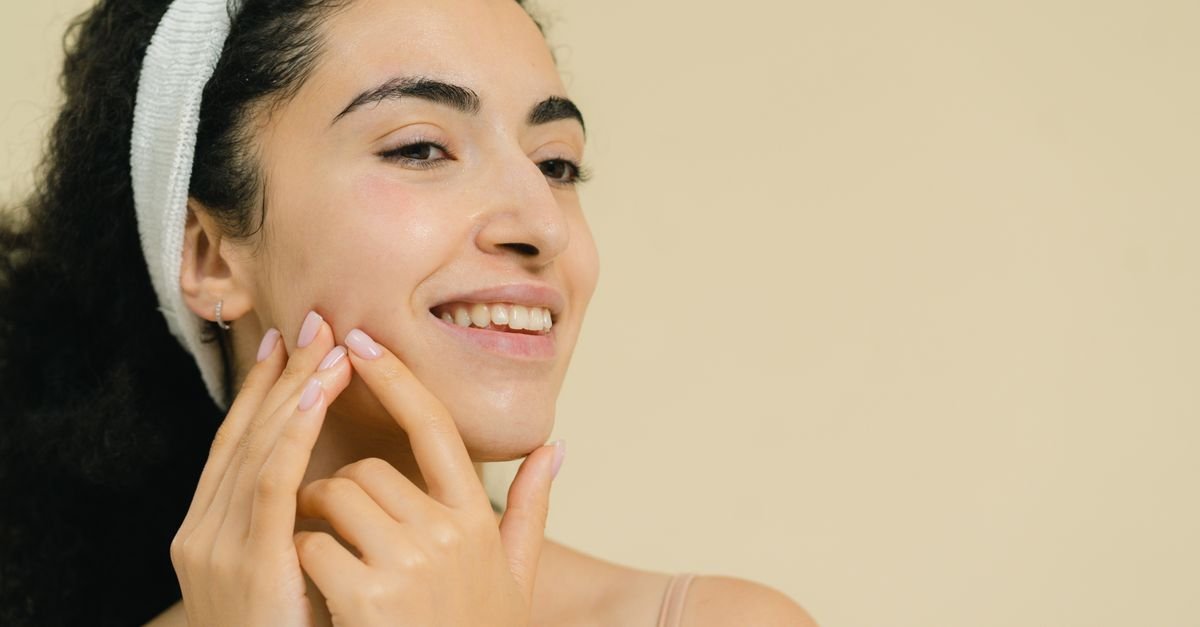
Here’s the whole strategy in one routine.
Morning: gentle cleanse → niacinamide serum → light moisturizer → sunscreen.
Evening: (double) cleanse → salicylic acid 2–3 nights a week OR retinol on alternate nights → moisturizer.
Weekly: optional clay mask on the T-zone.
How long until you see results?
Set a realistic clock.
Clearing congestion shows in 2–4 weeks of consistent BHA use. Niacinamide’s refining effect builds over 4–8 weeks. Retinol’s firming benefits take months.
Pores respond to consistency, not intensity — a calm routine done daily beats an aggressive one done in bursts.
Pore myths to stop believing
- “Pores open and close.” They have no muscles — steam softens clogs, cold tightens skin temporarily, but nothing opens or shuts.
- “You can scrub pores away.” Harsh scrubbing irritates skin and often makes pores look worse.
- “Toothpaste/lemon/baking soda helps.” All barrier-damaging irritants. Please don’t.
- “Expensive means effective.” The proven ingredients are affordable.
Habits that quietly enlarge pores
A few everyday habits work against you.
Sleeping in makeup, skipping sunscreen, over-scrubbing, picking and squeezing, and heavy occlusive products on oily skin all stretch, clog or loosen pores over time.
Squeezing is the sneakiest one — it can damage the pore wall and make the enlargement permanent.
When your skin barrier is the real problem
Ironically, attacking pores too hard makes them look worse.
An over-exfoliated, damaged barrier gets red, flaky and oilier in rebound — highlighting every pore.
If your skin stings and flakes, pause the actives and follow our guide to repairing your skin barrier first.
Professional treatments that go further
When skincare plateaus, dermatologists have stronger tools.
Chemical peels, microneedling and certain laser treatments stimulate collagen and can meaningfully refine pore appearance beyond what home care achieves.
They cost more and need a qualified provider, but they’re the genuine next level.
When to see a dermatologist
Some pore concerns deserve professional eyes.
If enlarged pores come with persistent acne, scarring, or nothing improves after months of consistent care, a dermatologist can offer prescription retinoids and in-office treatments.
This article is general information, not medical advice — consult a professional for persistent skin concerns.
Does diet affect pore size?
Indirectly, at most.
No food changes the pores you were born with, but for some people high-glycemic diets can push oil production and breakouts, which make pores more visible.
A balanced diet, hydration and decent sleep support the skin doing its best work — helpful, but no substitute for the topical routine.
Do primers and “pore fillers” damage skin?
Not inherently — the risk is in the removal, not the wearing.
Silicone-based blurring primers sit on the surface and wash away; they only cause trouble when they’re not fully cleansed off at night.
Wear them freely for events; double cleanse afterward, and your pores stay clear.
Why do pores look worse in some light and mirrors?
A sanity check worth having.
Magnifying mirrors and harsh overhead lighting exaggerate pores far beyond what anyone else ever sees — nobody views your skin at 10x.
Judge progress in normal light at arm’s length, and consider retiring the magnifying mirror altogether; it fuels picking and frustration.
Are pore sizes different across skin tones and ages?
Pores vary widely and naturally.
Oilier skin types tend to have more visible pores at any age, and everyone’s pores appear larger over time as collagen support declines.
That’s normal, universal and manageable — the routine in this guide slows and softens the change rather than fighting biology.
Can you combine niacinamide, BHA and retinol?
Yes — this trio is the classic pore stack, used wisely.
A simple schedule: niacinamide every morning, BHA two or three evenings a week, retinol on alternate evenings. Never BHA and retinol on the same night while building tolerance.
Add one product at a time, two weeks apart, so your skin adapts and you know what’s working.
The 4-week pore reset plan
Here’s the whole guide as a starting month.
Week 1: gentle cleansing morning and night + moisturizer + SPF. Week 2: add niacinamide each morning. Week 3: add BHA two evenings. Week 4: assess — comfortable skin can add a third BHA night or begin retinol.
Photograph your skin in the same light each Sunday; the timeline makes progress visible.
Blackheads on the nose: a special case
The nose deserves its own strategy.
Because its pores are the densest and oiliest, the nose responds best to consistent BHA plus patience — and it’s where people are most tempted to squeeze, which enlarges pores permanently.
Treat the nose like a marathon zone: steady chemical care, hands off, and realistic expectations about those sebaceous filaments.
Sunscreen without clogging: choosing wisely
Some people skip SPF fearing clogged pores — solve the formula, not the habit.
Look for lightweight, non-comedogenic sunscreens (gel and fluid textures suit oily skin beautifully) and cleanse them off thoroughly at night.
The collagen protection is non-negotiable for pore appearance long-term; the right texture makes it effortless.
Managing expectations: what “success” looks like
Define the win honestly before you start.
Success with pores isn’t poreless, filtered-photo skin — it’s pores that are clean, calm and unremarkable at conversation distance, with smoother makeup application and fewer clogged bumps.
Most people who follow a consistent routine reach exactly that within two to three months, and maintaining it becomes nearly effortless.
The people who stay frustrated are usually chasing an airbrushed standard no real skin meets — including the skin in the ads.
Frequently Asked Questions
Can you permanently shrink your pores?
No — pore size is set by genetics and can’t be permanently changed by skincare. What you can do is make pores look much smaller by keeping them clear with salicylic acid, regulating oil with niacinamide, supporting collagen with retinol and sunscreen, and cleansing well daily.
What is the best ingredient for large pores?
The strongest evidence supports salicylic acid (clears the clogs that widen pores), niacinamide (regulates oil and visibly refines pore appearance), and retinol (boosts collagen and keeps pores from clogging). Daily sunscreen protects the collagen that keeps pores looking tight.
Why are my pores so big on my nose?
The nose has the highest concentration of oil glands, and more oil means more visible, stretched pores. The gray dots in them are usually sebaceous filaments — normal oil channels that refill within weeks — rather than blackheads, so the goal is managing them, not erasing them.
Do pore strips actually work?
Only briefly. Strips pull out the tops of some clogs and filaments, which looks satisfying, but pores refill within a few weeks and strips can irritate sensitive skin. Consistent chemical exfoliation with salicylic acid gives better, longer-lasting results.
Does ice or cold water close pores?
No. Pores have no muscles, so they can’t open or close. Cold temporarily tightens skin, which can make pores look slightly smaller for a short while, and steam softens clogs for easier cleansing — but neither changes the pore itself.
Can makeup make pores look smaller?
Yes, temporarily. A smoothing primer fills and blurs pores, and lightweight foundations emphasize them far less than heavy layers. Just remove makeup thoroughly every night — leftover product is exactly what clogs and stretches pores over time.
How long does it take to minimize pores?
With a consistent routine, expect clearer, less congested pores in two to four weeks, visible refinement from niacinamide over four to eight weeks, and firming benefits from retinol over several months. Consistency matters far more than product strength.
The bottom line
You can’t change the pores you were born with — but you can absolutely change how visible they are.
Keep them clear with BHA, calm the oil with niacinamide, firm their frame with retinol and sunscreen, and skip the myths and gadgets.
Build it into a full routine with our niacinamide guide and glowing-skin routine pillar.

 Adhorika Khan