 Adhorika Khan
Somewhere between the first breakout and the first paycheck, everyone inherits a skincare philosophy — usually from an algorithm selling them a 10-step routine designed for 35-year-olds. Let’s fix that. Teen skin needs exactly three things done consistently: a gentle cleanser twice a day, an oil-free moisturizer, and sunscreen every morning — plus one acne treatment (benzoyl peroxide or salicylic acid) if breakouts show up. That’s the whole routine. Everything else on the teenager’s For You page is optional at best and harmful at worst.
This guide builds the starter routine step by step, explains what’s actually happening to skin during the hormone years, names the trending products teens should skip (retinol grafted onto 14-year-old skin, we’re looking at you), and covers when acne deserves a doctor instead of a haul.
Key Takeaways
- Three products build the whole routine: gentle cleanser, oil-free moisturizer, SPF — consistency beats complexity by miles.
- Teen oiliness is hormonal and normal — stripping it with harsh products backfires into more oil and more breakouts.
- For acne: benzoyl peroxide or salicylic acid, introduced one at a time, given eight weeks — not a 12-product arsenal.
- Teens do NOT need: retinol, anti-aging serums, exfoliating acid layering, or jade rollers — the viral routine is a marketing artifact.
- The sunscreen started at 15 is the best skin investment of the next 40 years.
What’s Actually Happening to Teen Skin?
Puberty hormones (androgens) switch the skin’s oil glands from idle to industrial. More sebum means shinier skin, more visible pores — and more raw material for clogs, which is why acne chooses adolescence for its debut. Roughly 85% of teenagers experience some acne; it is developmentally standard equipment, not a hygiene failure or a personal flaw.
Two more teen-skin facts that shape the routine: young skin repairs fast (an advantage — marks fade quicker than adult marks), and its barrier is healthy by default (which the wrong routine can wreck faster than any breakout would). The starter routine’s whole philosophy: support the skin, treat the acne, and stay out of the way of an organ that’s mostly doing fine.
The Core Routine: Three Products, Two Minutes
Morning: Cleanse → Moisturize → SPF
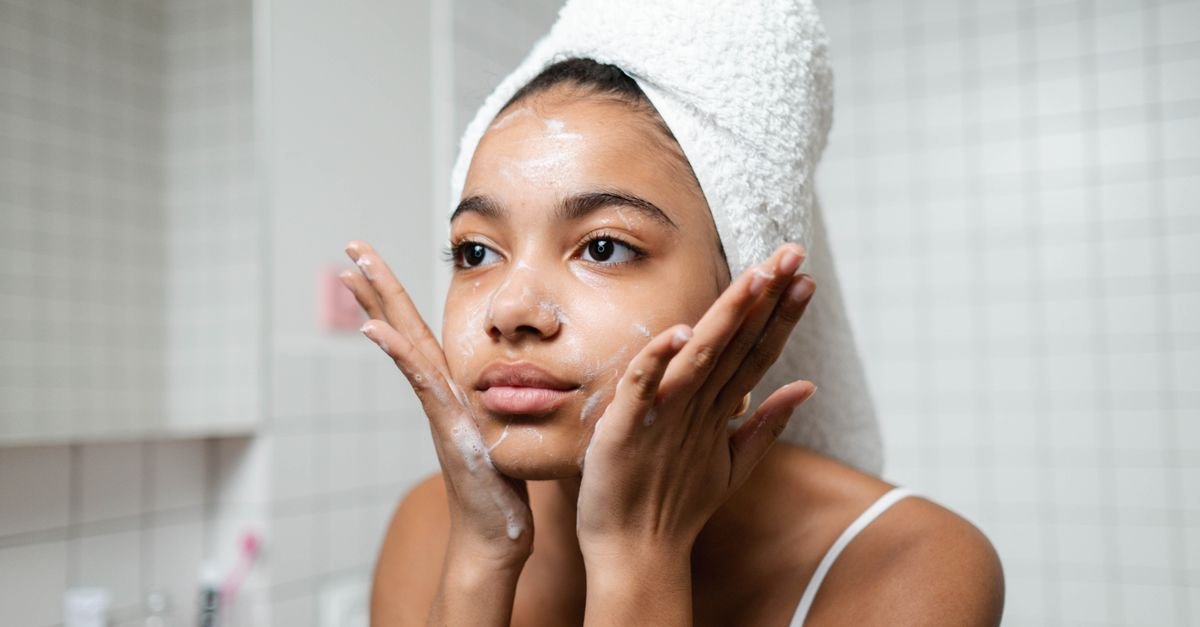
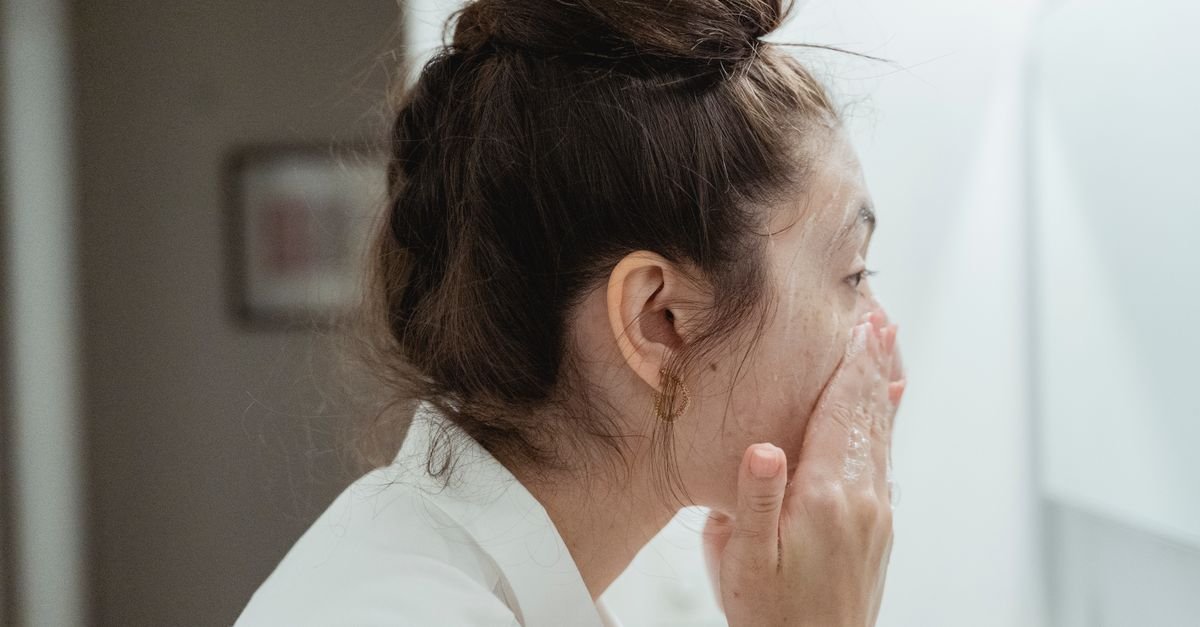
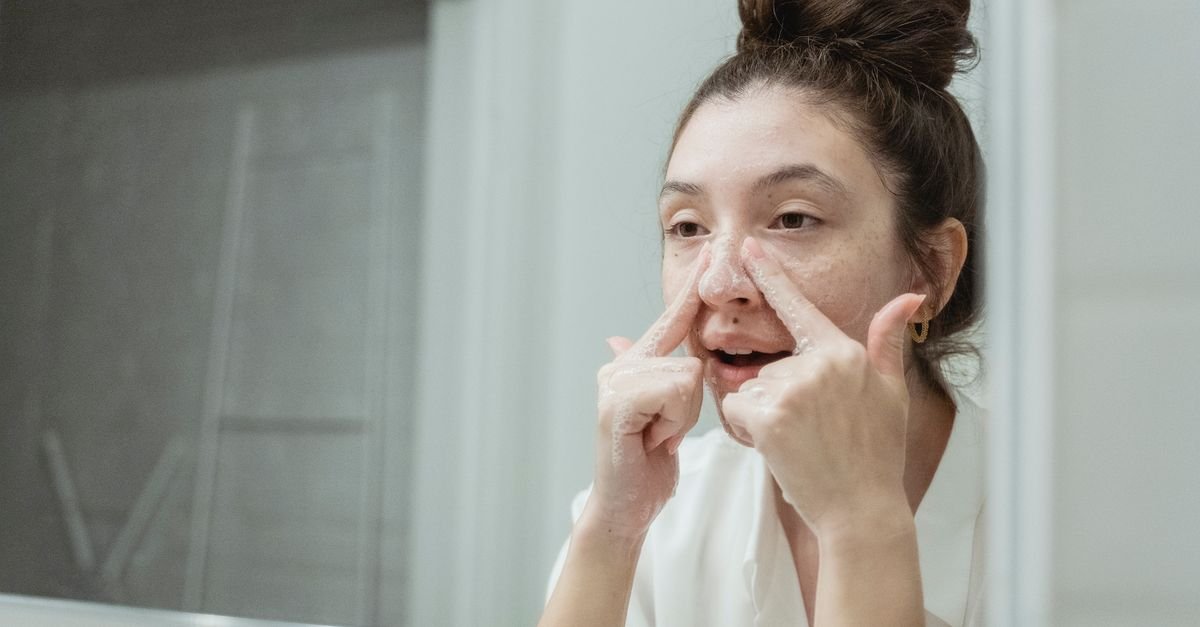
Cleanser: a gentle foaming or gel formula, lukewarm water, fingertips only — ten seconds of massage, rinse, pat dry. “Gentle” means skin feels clean but not tight after. Squeaky-tight is the sound of a stripped barrier ordering more oil.
Moisturizer: oil-free, non-comedogenic, lightweight gel or lotion — yes, even oily skin; especially skin using acne treatments, which all dry. Skipping moisturizer is the #1 teen mistake and the reason acne products “don’t work” (they got abandoned at the peeling stage).
Sunscreen SPF 30+: the step every dermatologist wishes they’d started at 15. It prevents the sunburns, the mark-darkening after breakouts, and the slow damage that becomes every adult skincare bill. Modern gel and fluid sunscreens feel like nothing — finding one you don’t hate is the actual assignment (our SPF guide helps).
Night: Cleanse → Treat (If Needed) → Moisturize
Same cleanser, then acne treatment if breakouts are part of your story (next section), then the same moisturizer. Total routine time: about two minutes. Total products: three to four. That’s not the beginner version of a real routine — for most teens, it is the real routine.
Adding Acne Treatment: The One-at-a-Time Rule
Benzoyl peroxide (2.5–5%) kills acne bacteria — the pick for red, inflamed pimples. Start with 2.5% (studies show it works nearly as well as 10% with far less irritation), a thin layer on breakout zones at night, two to three nights a week building to nightly. It bleaches fabric — white pillowcases or dedicated towels.
Salicylic acid (0.5–2%) dissolves the plugs inside pores — the pick for blackheads and little bumps (the full clog story is in our blackheads guide). A wash or a leave-on spot treatment both work.
The rules that make either work: one new product at a time; treat the whole breakout-prone zone (not just the visible pimple — treatment prevents, not just extinguishes); give it eight weeks before any verdict; and expect a mild adjustment period (slight dryness, maybe a brief stir-up — our purging vs breakout guide explains which is which). If skin gets angry, drop frequency rather than quitting.
What Teens Should NOT Use (The Viral List)
The “Sephora tween” phenomenon has dermatologists genuinely alarmed, so let’s be specific:
Retinol and anti-aging serums: teen skin has nothing for retinol’s anti-aging half to fix, its acne half is better served by treatments designed for teens (and by dermatologist-prescribed retinoids when appropriate), and the irritation cost lands on a face that didn’t need the trade. Peptides, growth factors, firming creams — solutions to problems that live twenty years away.
Acid layering: one salicylic product is a treatment; a glycolic toner over an exfoliating serum under a peel pad is a barrier demolition on skin that repairs so fast it never needed the help. (The general rules in our exfoliation guide apply doubly to teens: less, gentler, rarely.)
Fragrance-heavy “aesthetic” products: the prettiest packaging in the store is often the most sensitizing formula in it — and sensitized-at-15 skin remembers.
The 10-step routine itself: more products mean more irritation variables, more clog candidates, and more ways to quit. Complexity is the enemy of the only thing that works: consistency.
The Habits That Matter More Than Products
Hands off the face — picking and popping converts two-week pimples into two-year marks (and the phone pressed to the cheek is a bacteria delivery system; clean it weekly). Pillowcases weekly, more often during flares. Wash after sweat — sports practice followed by hours in a sweaty state is a breakout recipe; even a rinse or cleansing wipe helps (the body version of this rule lives in our back acne guide — very relevant for athletes). Remove makeup before bed, every time — and wash the brushes (here’s how); a dirty sponge undoes a clean routine. Sleep and stress are skin inputs — exam-week breakouts are real physiology, not coincidence.
Does Diet Cause Teen Acne?
The honest version: chocolate and pizza do not cause acne by touching your lips — that folklore deserves retirement. What research does suggest: high-glycemic eating patterns (constant sugary drinks and refined snacks) and, in some people, large amounts of skim milk show modest associations with acne severity. The practical translation for a teenager: no forbidden foods, no guilt — but if you personally notice a pattern, a two-month experiment is free. And whey protein shakes deserve a special mention for gym-going teens: a consistently reported trigger for chest and back breakouts; plant protein is the easy test.
Makeup and Teen Skin: The Peace Treaty
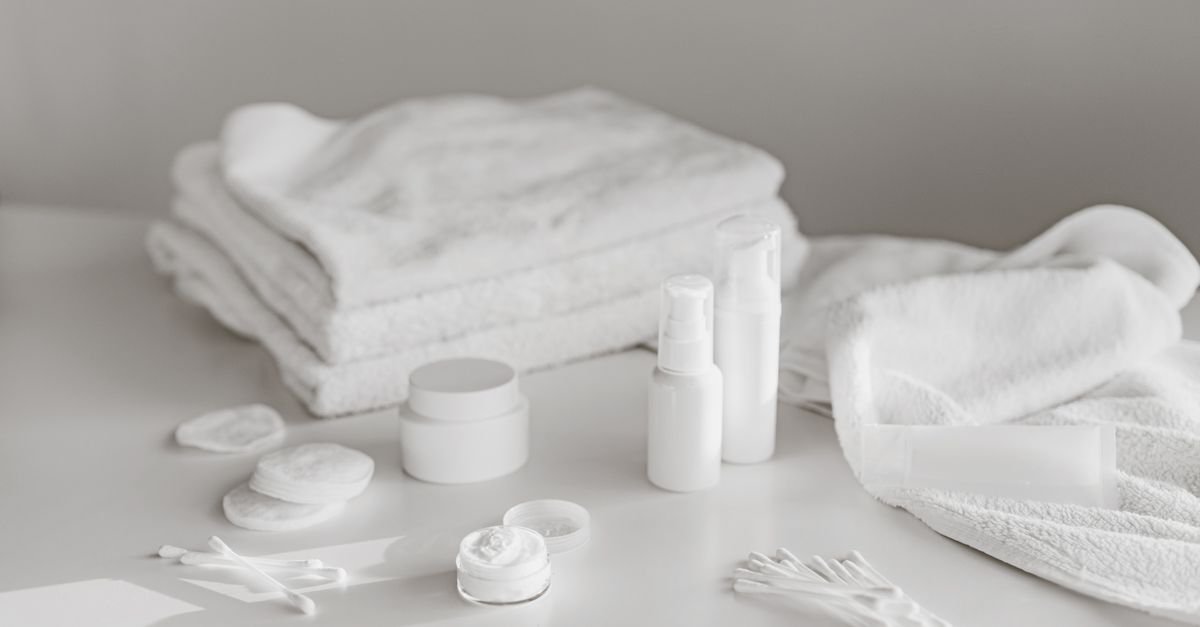
Makeup and acne coexist fine under three rules: non-comedogenic base products (the label to look for on foundation and concealer), full removal every night (cleanser doing real work, not a wipe-and-hope), and clean applicators (weekly brush wash; replace sponges regularly — and never share eye makeup). Concealing a pimple with a clean finger and a dab of non-comedogenic concealer harms nothing; sleeping in Friday’s foundation harms plenty. Our beginner makeup guide and teen makeup picks build the kit properly.
Skincare for Teen Athletes, Swimmers, and Outdoor Kids
Sport adds three variables: sweat (shower or at least rinse within an hour of practice; keep a gentle cleansing wipe in the gym bag for the impossible days), gear friction (helmet straps, shoulder pads, and headbands map breakouts precisely — wash the gear, pad the contact points), and sun (outdoor training is a daily UV dose; sport sunscreens exist because sweat defeats regular ones — and reapplication at halftime is a real move, see our reapplication guide for the no-mirror methods). Swimmers: chlorine is drying — rinse after, moisturize more.
When Teen Acne Needs a Doctor, Not a Haul
See a dermatologist (or start with the family doctor) when: acne is deep, painful, and cystic (these scar while you experiment — prescription treatment early prevents permanent marks); eight weeks of consistent OTC treatment changed nothing; breakouts are leaving scars or dark marks already; acne covers chest and back extensively; or — this one matters — skin is affecting mood, confidence, or school life. Acne is the most treatable common condition in dermatology; prescription options (topical retinoids, short antibiotic courses, hormonal treatments, isotretinoin for severe cases) exist precisely for the cases the drugstore can’t solve. Suffering through it is not a rite of passage — it’s just untreated acne.
The Budget Reality: This Routine Costs Almost Nothing
A genuine teen routine is drugstore territory: gentle cleanser, oil-free moisturizer, sunscreen, and a benzoyl peroxide or salicylic treatment — the full kit for the price of one viral serum. Beauty marketing works hard to convince teenagers otherwise, because teenagers are the most valuable customers a brand can recruit. The truth the industry won’t print: at 15, the expensive stuff has nothing to offer that the basics don’t already deliver. Save the money, keep the consistency, and let compound interest work on both.
The Starter Kit, Spelled Out
Everyone: gentle cleanser + oil-free non-comedogenic moisturizer + SPF 30+ you don’t hate. Add for breakouts: benzoyl peroxide 2.5% (inflamed pimples) or salicylic acid (blackheads and bumps) — one, not both at once. Add only if genuinely needed later: a second treatment on the other acne type, introduced after the first is established. Total: 3–5 products. Write the routine on a sticky note, do it every single day for eight weeks, photograph before and after — and watch consistency embarrass every haul video on the algorithm.
Yes, This Guide Is for Teen Boys Too
Skincare marketing paints itself pink, but androgen-driven oil and acne hit boys at least as hard — often harder and longer. The identical routine applies: gentle cleanse, oil-free moisturize, SPF, treatment if breakouts arrive. The boy-specific notes: sports hygiene carries extra weight (helmets, pads, and infrequent gear-washing are a breakout trifecta), the 3-in-1 body-hair-face wash is not skincare (it’s detergent with confidence — a $6 facial cleanser changes everything), and nobody needs to know — though the stigma is dissolving fast, and clear skin argues for itself.

Shaving and Teen Skin: The Collision Zone
First razors meet acne-prone skin at the worst possible time, and technique prevents most of the carnage: shave after the shower (softened hair cuts cleaner), real shave gel, never dry or soap-foam, with the grain while skin is breakout-prone (closeness costs less than razor acne), light pressure with a sharp blade (dull blades drag and inflame — change them more often than feels thrifty), and never shave directly over an inflamed pimple — steer around, or spot-trim with scissors until it settles. Aftershave splashes with alcohol sting for a reason; a plain fragrance-free moisturizer is the modern aftershave. Razor bumps that persist despite good technique (common with coarse or curly hair) have real solutions — a dermatologist question worth asking early.
A Note for Parents Reading Along
Two things worth knowing. First: if your teen is asking for skincare, the three-product starter kit is a reasonable, cheap yes — and quietly redirecting them from the $70 viral serum to the basics is a favor their skin will cash for decades. Second: acne that’s deep, scarring, or visibly weighing on them is a medical appointment, not a phase to wait out — treatment works, works best early, and the confidence dividend is enormous. The best skincare gift a parent gives isn’t a product; it’s normalizing both the basics and the doctor visit.
The honest starter list:
The honest starter list:
Frequently Asked Questions
What skincare routine should a teenager have?
Three steps: gentle cleanser morning and night, oil-free moisturizer, and SPF 30+ every morning — plus one acne treatment (benzoyl peroxide or salicylic acid) at night if breakouts appear. Consistency for eight weeks beats any product count.
Should teens use retinol?
For anti-aging, no — teen skin has nothing for it to fix, and the irritation isn’t a fair trade. For significant acne, retinoids belong in the conversation with a dermatologist, who can prescribe the right one properly.
Why is my face so oily as a teenager?
Puberty hormones put oil glands into overdrive — it’s standard equipment, not a flaw. Stripping the oil with harsh products backfires; gentle cleansing plus an oil-free moisturizer manages it best, and production calms with age.
How do teenagers get rid of acne fast?
“Fast” is acne’s least favorite word: benzoyl peroxide or salicylic acid used consistently shows results in four to eight weeks. Deep, painful, or scarring acne deserves a dermatologist early — prescription treatment prevents permanent marks.
Do teenagers need moisturizer if they have oily skin?
Yes — especially when using acne treatments, which all dry the skin. Skipping moisturizer is the top reason teens abandon treatments during the adjustment phase. Oil-free gel formulas add hydration without grease.
Is a 10-step skincare routine good for teens?
No — it multiplies irritation risks, clog candidates, and quitting points. The viral multi-step routines are marketing artifacts; dermatologists consistently recommend three to five products for teen skin.
When should a teenager see a dermatologist for acne?
For cystic or painful acne, acne that’s scarring, no improvement after eight weeks of consistent drugstore treatment, extensive body acne — or whenever skin is genuinely hurting confidence. Effective prescription options exist and work best started early.

 Adhorika Khan