 Adhorika Khan
You shave, you moisturize, you do everything right — and your legs still look dotted like a strawberry the moment the light hits them. “Strawberry legs” isn’t one condition — it’s a nickname for visible dark pores and dots on the legs with four different causes: oil-and-debris-filled pores, razor irritation, keratosis pilaris, or folliculitis. The fix depends entirely on which one you have — and the good news is that all four respond to home care, mostly through smarter shaving and chemical exfoliation.
This guide identifies your version, then fixes it: the shaving upgrade that solves most cases, the lotion ingredients that dissolve the dots, and the signs your strawberry is actually something a doctor should see.
Key Takeaways
- Strawberry legs = visible follicles, four causes: clogged pores, razor damage, KP, or folliculitis — identify first, treat second.
- Shaving technique is the #1 culprit and fix: sharp blade, shave gel, with-the-grain-first, moisture after.
- Chemical exfoliation beats scrubbing: salicylic or glycolic body washes and lactic/urea lotions dissolve what loofahs can’t reach.
- Moisture is half the cure — dry skin makes every version of the dots more visible.
- It’s cosmetic, common, and normal — and darker skin tones show it more prominently through no fault of routine.
What Are Strawberry Legs, Exactly?
The “seeds” on a strawberry-leg are enlarged or darkened hair follicles and pores — each dot is a follicle opening made visible by something inside it or irritation around it. Nothing about the skin is diseased in the common versions; it’s an optics problem at the follicle level, which is why treatments all aim at the same two goals: empty the follicle and calm its rim.
Who sees it most: anyone who shaves regularly, people with naturally larger follicles or darker body hair (the dot is often just the hair’s shadow under the surface), dry-skinned legs, and — prominently — deeper skin tones, where any follicle-level inflammation pigments more visibly (the same PIH mechanics from our marks guide, on legs).
The Four Causes — Which Strawberry Are You?
1. Clogged Pores (Comedones on Legs)
Oil, dead cells, and product residue oxidize in the follicle opening and darken — literally blackhead logic below the knee (the facial version: our blackheads guide). Tell: dots persist whether or not you shave; skin may feel faintly rough.
2. Razor Irritation and Post-Shave Dots
The most common version: a dull blade, dry shaving, or against-the-grain enthusiasm inflames each follicle rim and leaves the sheared hair’s dark tip visible in the opening. Tell: dots and redness bloom within a day of shaving and improve between shaves.
3. Keratosis Pilaris (the Rough Bumpy Version)
If your dots are raised, rough, sandpapery, and cluster on thighs — that’s KP, the keratin-plug condition with its own complete playbook in our keratosis pilaris guide. Tell: texture you can feel with closed eyes.
4. Folliculitis (the Inflamed Impostor)
Red or pus-tipped bumps, itchy or tender, often after hot tubs, sweaty leggings, or waxing — that’s infected/inflamed follicles, a different animal. Tell: discomfort. Strawberry legs never hurt; folliculitis does. Mild cases settle with hygiene and time; spreading or painful cases see a doctor.
The Shaving Overhaul (Fixes Most Cases by Itself)
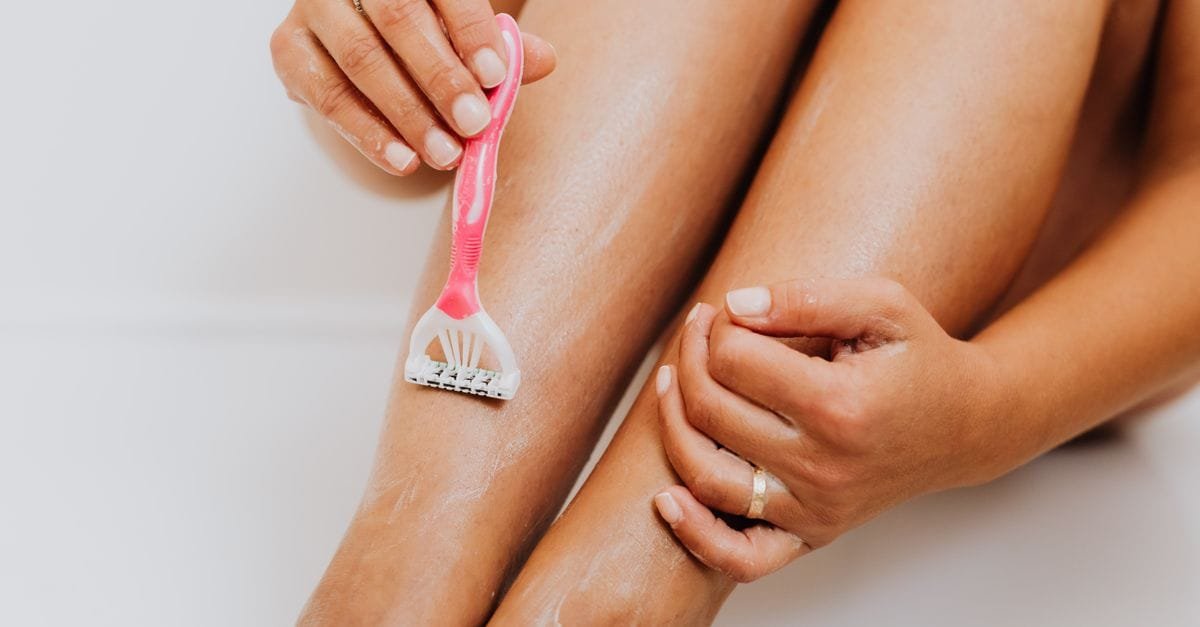
Blade: sharp, always. Dull razors tug hairs and rough the follicle rim — replace after 5–8 shaves; the subscription-razor era made this affordable. Prep: shave late in a warm shower, hair softened, skin hydrated. Slip: real shave gel or cream — never dry, never bar-soap foam (it strips as it lubricates; the same logic as our teen guide’s shaving section). Direction: with the grain first; only go against on a second lubricated pass if your skin proves it tolerates it. Pressure: light — sharp blades don’t need force. After: rinse cool, pat, moisturize immediately while damp — this single post-shave habit halves the dot-visibility for most people. Weekly: exfoliate the night before shave day, never right before or after.
Honest alternative: if razors and your follicles simply feud, electric trimmers (cutting slightly above skin) end razor-version strawberry legs entirely at the cost of ultra-closeness — a trade many happily make.
The Exfoliation Program: Dissolve, Don’t Scrub
The instinct is to scrub the dots off; the physics says the plug is inside the follicle, below friction’s reach — the same lesson from every guide on this site: chemistry beats force.
Salicylic acid (BHA) body wash: oil-soluble, follicle-diving — the pick for the clogged-pore version; use 3–5 times weekly, let it sit a minute before rinsing (the contact-time trick from our back acne guide). Glycolic body washes/lotions: surface-renewing for dull, rough legs. Lactic acid or urea lotions: the leave-on workhorses — exfoliate and moisturize in one step, nightly on damp post-shower skin; non-negotiable for the KP version. Gentle physical assist: a soft washcloth or konjac sponge in circles — fine as a supplement; crushed-shell scrubs and aggressive loofahs — retired, permanently.
Moisture: The Unsexy Multiplier
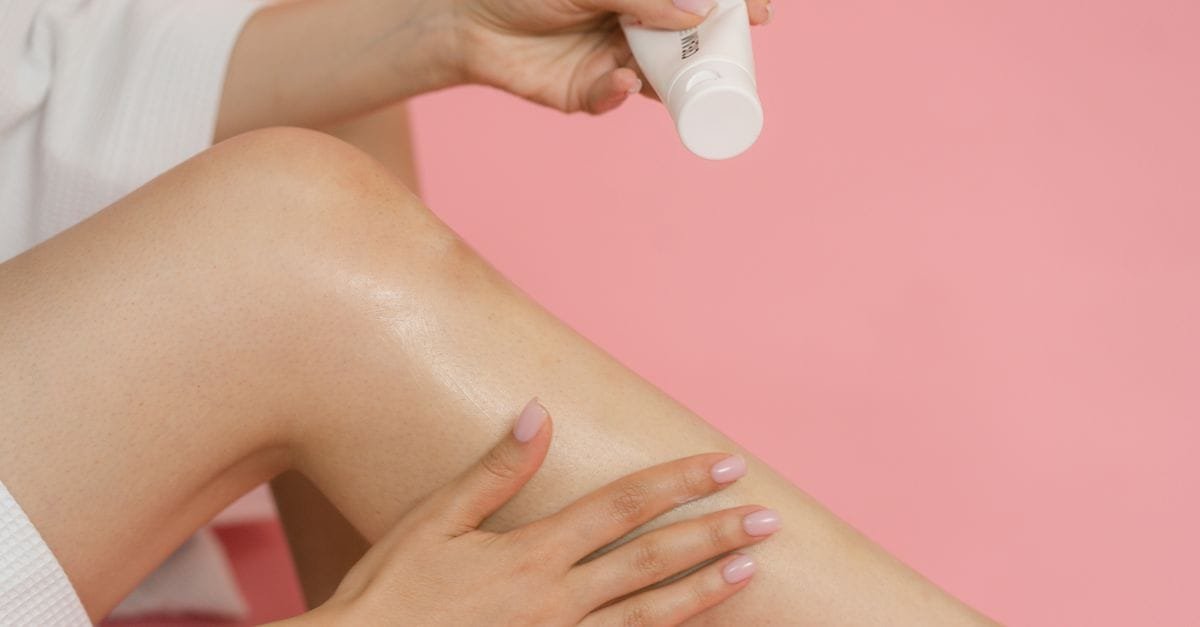
Dry skin shrinks and dulls around follicles, making every dot read darker — which is why winter legs look more strawberried in the exact season nobody moisturizes them. The program: lotion on damp skin within two minutes of every shower (the ninety-second rule), a richer cream in winter, and lukewarm showers over hot (heat strips the lipids that keep follicle rims smooth — the barrier logic from our ceramides chapter applies from the neck down). Two weeks of disciplined damp-skin moisturizing visibly softens most mild cases before any acid even enters the conversation.
What About Waxing, Epilating, and Laser?
Waxing/epilating: removing hair at the root eliminates the “dark tip visible in the follicle” component — some people’s strawberry legs vanish with the switch. The trade: ingrown-hair risk replaces razor-dot risk, and technique/aftercare (exfoliate between sessions, moisturize) decides which problem you’d rather manage. Laser hair removal: the closest thing to a permanent fix for hair-shadow-driven dots — with dark hair on any skin tone (modern devices handle deeper tones well in experienced hands), several sessions genuinely shrink both hair and the follicle’s visible footprint. It’s the premium option: real money, real results, and worth naming honestly as the endgame for stubborn cases that home care only manages.
The Two-Week Reset Plan
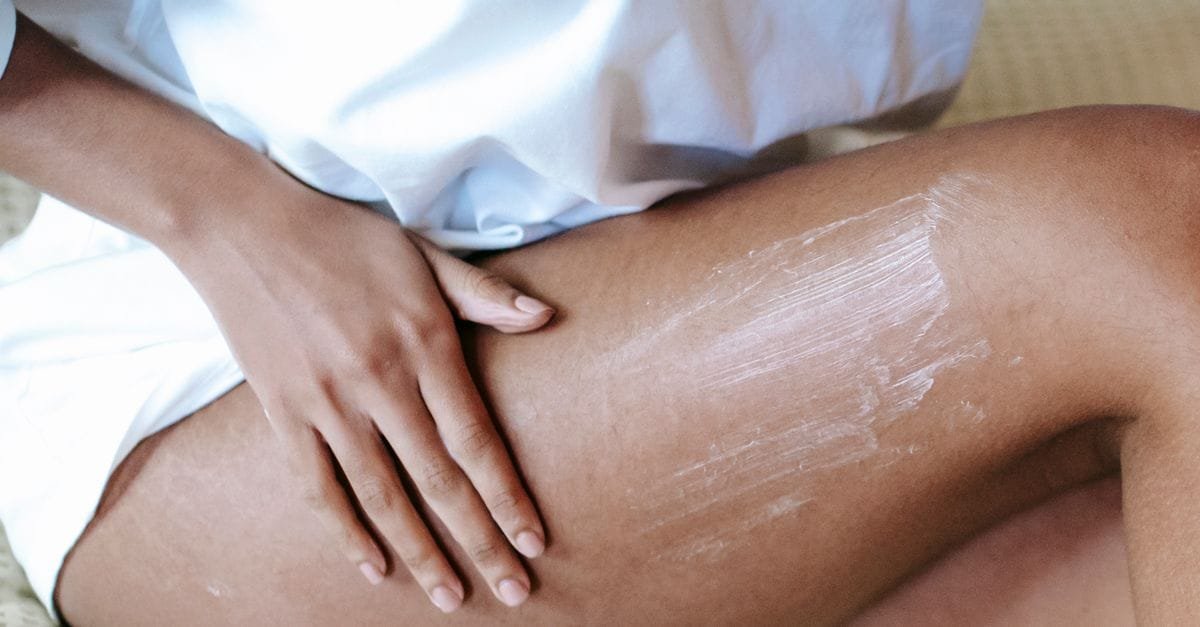
Days 1–3: retire the old razor; moisturize damp legs twice daily; lukewarm showers. Day 4 (shave day): the full overhaul — warm shower, gel, fresh blade, with the grain, cool rinse, immediate lotion. Days 5–14: BHA or glycolic wash on alternate days; lactic/urea lotion nightly; shave every 3–4 days max with full protocol; photo on day 1 and day 14 in the same light. Most razor- and clog-version cases improve visibly inside the fortnight; the KP version improves on KP’s slower 4–8 week clock; anything red, painful, or spreading during the fortnight exits the cosmetic lane — see below.
When Strawberry Legs Deserve a Doctor
See a professional when: bumps are painful, pus-filled, or spreading (folliculitis needing treatment — sometimes antibacterial, sometimes antifungal, and hot-tub cases have their own story); ingrown hairs keep scarring (chronic razor bumps, especially with coarse/curly hair, have prescription-grade solutions and laser is legitimately therapeutic here); dots darken and spread despite two months of honest care (rule-outs exist); or anything itches ferociously (eczema and fungal conditions impersonate). The dermatologist visit for legs feels extravagant until you remember: skin is skin, it’s all their department, and leg follicles are no less legitimate than face ones.
Managing Expectations (and the Photo-Legs Myth)
Two honest paragraphs to finish. First: completely invisible pores are not a human feature — every leg has follicles, most photos you compare yours against are lit, smoothed, or filtered, and “glass legs” is a rendering style, not a dermatological outcome. The realistic goal is dots faded to unremarkable — which the program above delivers.
Second: deeper skin tones playing on hard mode deserve saying plainly — more visible follicle contrast and easier post-inflammatory pigmentation mean the gentle-everything rule (sharp blades, chemistry over scrubbing, religious moisture) matters double, and results measure in months, not weeks. Gentle and consistent wins; aggressive and sporadic pigments. Same physics as everywhere else on this site — melanin just keeps better records.
Ingrown Hairs: The Close Cousin Worth Its Own Paragraphs
Where strawberry dots are follicles showing, ingrowns are hairs trapped — curling back under the surface into tender, sometimes pigmented bumps, most common with coarse or curly hair and closest shaves. The prevention stack overlaps heavily with everything above: with-the-grain shaving (the closest shave is the ingrown-est shave), chemical exfoliation keeping the follicle exit clear, and moisture keeping the surface supple enough for hairs to pierce. The treatment additions: don’t dig (tweezers-under-the-skin excavations trade one bump for a scar), warm compress + BHA to coax the hair out over days, and for chronic sufferers, trimming instead of shaving or laser as the structural fix. A single hot, growing, or pus-filled ingrown that won’t settle is an infection candidate — that one gets professional draining, not patience.

Camouflage Honesty: Fake Tan, Makeup, and the Meantime
While the program does its weeks of work, the cosmetic bridge options deserve honest notes. Self-tanner: a double-edged tool — it evens overall tone (dots blend into the tan) but DHA also clings to keratin plugs and rough follicles, sometimes making dots darker; the fix is the same prep our KP guide prescribes — exfoliate the day before, moisturize the night before, apply with a mitt in thin passes. Body makeup and leg tints: genuinely effective for events, transfer-prone onto hems and seats — set with powder and accept the dry-clean risk. The gradual-tan moisturizers: the gentlest option — buildable, self-correcting, and doubling as the daily lotion the program wanted anyway. And the honest final option: bare legs with visible follicles, worn anyway — the dots are normal skin doing normal things, and the confidence timeline is allowed to run faster than the exfoliation one.
The Hot Tub Footnote
One folliculitis variant earns its own paragraph: “hot tub folliculitis” — itchy red bumps blooming a day or two after a soak, caused by a bacterium that thrives in under-chlorinated warm water and loves the leg-and-swimsuit zone. It usually resolves on its own within a week or two with clean dry skin and patience; widespread, painful, or feverish cases see a doctor. The prevention is boringly effective: shower with soap after every hot tub or shared pool, wash the swimsuit, and side-eye any tub whose water smells wrong. If your “strawberry legs” date precisely to a spa weekend, this footnote was your diagnosis.
The Bottom Line
Strawberry legs are follicles doing follicle things under four different circumstances — identify yours (persistent dots? post-shave bloom? rough bumps? tender redness?), fix the shave, switch the scrubbing for chemistry, and moisturize like it’s treatment, because it is. Two weeks for the razor version, two months for the KP version, a doctor for the painful version — and a grain of salt for every poreless leg on your feed.
The honest toolkit:
The honest toolkit:
Frequently Asked Questions
How do I get rid of strawberry legs fast?
Fastest visible wins: a fresh sharp razor with real shave gel (with the grain), immediate post-shave moisturizer on damp skin, and a salicylic acid body wash on alternate days. Most razor-related cases improve within two weeks.
What causes strawberry legs?
Four things, often mixed: oil-and-debris clogged pores, razor irritation with visible hair tips in the follicle, keratosis pilaris (rough raised bumps), or folliculitis (inflamed, sometimes painful bumps). The tell-tale details decide the treatment.
Does shaving cause strawberry legs?
Bad shaving does: dull blades, dry shaving, and against-the-grain passes inflame follicle rims and leave dark sheared tips visible. Upgraded technique — or switching to trimming, waxing, or laser — resolves that version.
Do strawberry legs go away on their own?
The razor version fades between shaves; the clog and KP versions persist until treated with chemical exfoliation and moisture. None are harmful — the timeline for visible improvement runs two weeks to two months by cause.
Is scrubbing good for strawberry legs?
Gentle washcloth-level friction helps a little; aggressive scrubbing backfires by inflaming the follicles you’re trying to calm. The plugs sit inside pores — salicylic, glycolic, lactic, and urea products dissolve them where scrubs can’t reach.
Why are my strawberry legs worse in winter?
Dry skin makes follicle dots read darker, and winter delivers dry air, hot showers, and abandoned leg moisturizing all at once. Damp-skin lotion twice daily and cooler showers reverse the seasonal effect.
Does laser hair removal fix strawberry legs?
For dot patterns driven by visible dark hair in the follicles, it’s the closest thing to a permanent fix — several sessions shrink both the hair and its shadow. It’s the premium option after home care has proven the diagnosis.
Can I use my face products on strawberry legs?
The ingredients transfer perfectly — salicylic, glycolic, lactic — but body-format products deliver them cheaper per square inch and in richer bases legs prefer. Save the face serum; buy the body lotion version.
Are strawberry legs a sign of poor hygiene?
Not at all — they’re follicles made visible by oil, hair tips, keratin, or shaving irritation, all of which happen on perfectly clean skin. Over-washing and aggressive scrubbing actually make them worse.

 Adhorika Khan