 Adhorika Khan
Exfoliation is skincare’s most misused good idea. Done right, it’s the difference between dull and luminous; done the way most people do it — more, harder, oftener — it’s the express lane to the tight, shiny, angry skin dermatologists spend half their week repairing. The complete method: choose chemical over physical for most goals, match the acid to your skin type (salicylic for oily and clog-prone, glycolic or lactic for dull and dry), start once or twice a week, and let your skin’s comfort — not the calendar — set the ceiling.
This is the full how-to: face technique, frequency by skin type, the products worth using, the over-exfoliation warning signs, and the honest answer to whether you need to exfoliate at all.
Key Takeaways
- Skin exfoliates itself — you’re assisting a natural process, not performing a mandatory chore.
- Chemical beats physical for most faces: acids work evenly; scrubs work wherever your fingers pressed hardest.
- Match the acid: BHA (salicylic) dives into oily, clog-prone pores; AHA (glycolic/lactic) polishes dull, dry surfaces.
- Start low, go slow: 1–2× weekly, building only if skin stays comfortable — daily exfoliation is rarely the goal.
- Tight, shiny, stinging skin = over-exfoliated — stop everything and repair the barrier.
What Is Exfoliation, Really?
Your skin runs a constant conveyor belt: new cells form at the bottom, mature as they rise, and shed invisibly from the surface — roughly a month per trip in young skin, slower with age. Exfoliation is simply helping the top of that conveyor when it gets sticky: dissolving or lifting the dead cells that cling past their welcome, which is what makes skin look dull, feel rough, and clog more easily.
That framing matters because it sets honest limits. Exfoliation reveals the fresh skin that already exists — it cannot create better skin than your conveyor produces (that’s retinoid territory), and doing it harder doesn’t speed the belt; it just wounds the surface.
Chemical vs Physical: The Real Difference
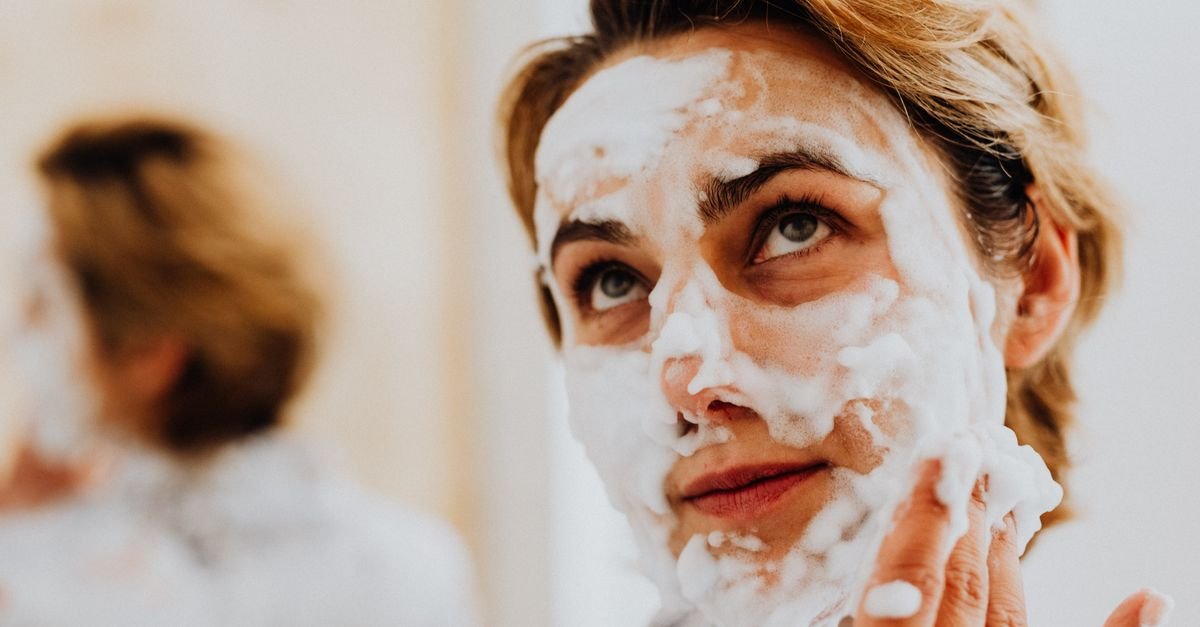
Chemical exfoliants (acids and enzymes) loosen the glue between dead cells so they release evenly across every treated millimeter — controllable by concentration and contact time, no pressure variable, no scratches. This is why dermatologists overwhelmingly favor them for faces.
Physical exfoliants (scrubs, brushes, cloths) remove cells by friction. Their weakness is the operator: pressure is uneven, enthusiasm is universal, and jagged particles (the infamous crushed-shell scrubs) create micro-scratches. Their legitimate uses: a soft washcloth’s gentle pass, a konjac sponge’s mild polish, and body-skin work where skin is thicker.
The full acid taxonomy lives in our AHA vs BHA guide — the two-line version follows.
Choosing Your Acid by Skin Type
Oily, Clog-Prone, Blackhead-Collecting Skin: BHA
Salicylic acid is oil-soluble — the only common exfoliant that gets inside the pore and dissolves the sebum-and-dead-cell plugs where blackheads are manufactured. A 1–2% leave-on liquid or serum, one to three times weekly, is the workhorse.
Dull, Dry, Rough-Textured Skin: AHA
Glycolic (smallest, strongest, most tingly) and lactic (larger, gentler, mildly hydrating) acids work the surface, dissolving the dull dead layer for that lit-from-within finish. Lactic 5–10% is the beginner’s sweet spot; glycolic rewards experienced, resilient skin.
Sensitive Skin: PHA or Enzymes
Polyhydroxy acids (gluconolactone, lactobionic) are the acids’ gentlest cousins — larger molecules that stay near the surface. Fruit enzymes (papaya, pumpkin) are milder still. Slower results, kinder journey.
Combination Skin: Zone It
BHA through the T-zone, AHA (or nothing) on the cheeks — skin doesn’t require uniform treatment, and zoning beats compromising.
How to Exfoliate Your Face: The Step-by-Step
1. Cleanse and pat dry — acids on damp skin penetrate faster and sting more; dry application is the calmer default. 2. Apply the exfoliant — leave-on liquids with a cotton pad or palms (a thin, even pass; avoid lids and lip corners), masks and rinse-off treatments per their clock. 3. Don’t stack push-steps — no scrubbing before, no retinoid on top the same night; one stressor per evening (the whole philosophy of skin cycling). 4. Moisturize — acids plus bare skin equals unnecessary tightness. 5. SPF tomorrow, non-negotiable — AHAs measurably increase sun sensitivity for days; exfoliating without daily sunscreen trades glow for damage at a losing exchange rate (our SPF guide if you need one you’ll love).
Expected sensation: brief, mild tingling that settles within minutes. Burning, hot redness, or sting that builds is skin declining the treatment — rinse and downgrade.
How Often Should You Exfoliate?
The honest table: beginners, all types — once weekly for a month before any increase. Oily and resilient — up to three times weekly BHA if comfort holds. Normal — one to two times weekly. Dry — once weekly lactic, often less in winter. Sensitive — once weekly PHA, or none. Mature — once or twice weekly AHA, with extra moisturizer after.
Two overrides beat every schedule: skin already using a retinoid needs less exfoliation than it thinks (retinoids accelerate the conveyor themselves — many nightly-retinoid users need acid only occasionally, if at all), and any week featuring irritation, sunburn, waxing, or a strong new active is a week the acid stays capped.
The Over-Exfoliation Epidemic (Read Before You Scale Up)
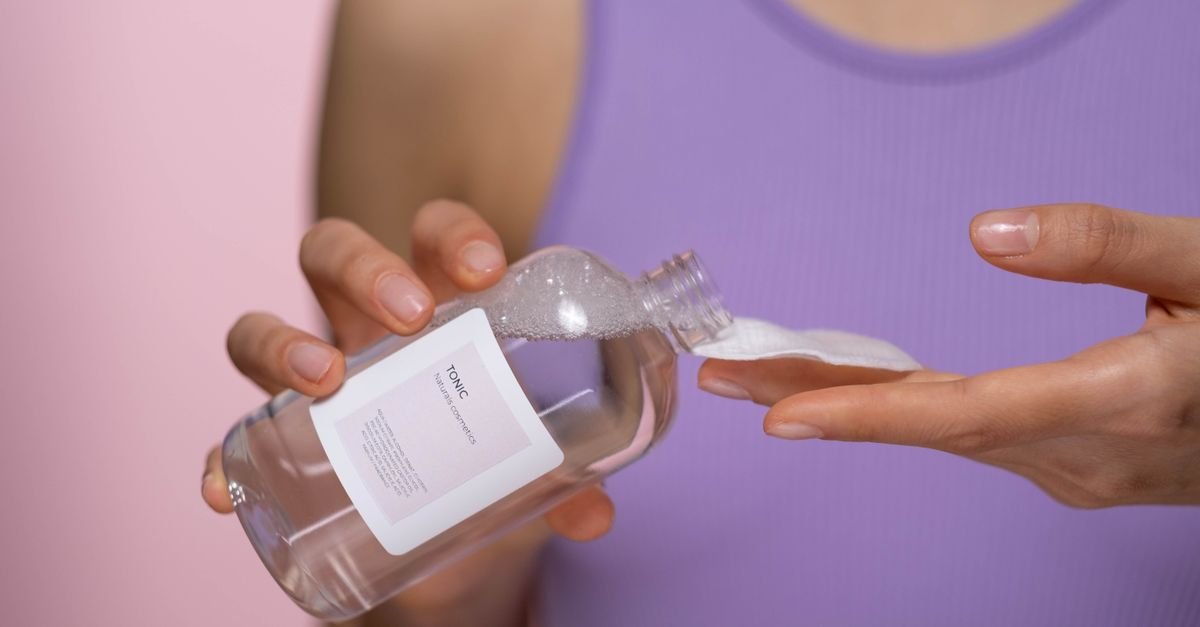
Over-exfoliation is now among the most common self-inflicted skin problems, and it wears a disguise: stripped skin often looks temporarily glassy and tight-poreless, rewarding exactly the behavior that’s destroying it. Days later the bill arrives — and it looks like this:
The warning signs: persistent tightness even after moisturizer; a waxy, plastic-like shine (not glow — shine); stinging when ordinary products touch the face; sudden sensitivity to everything; flaking that tempts more exfoliation (the trap loop); redness that lingers; and paradoxical breakouts as the damaged barrier lets bacteria party.
The repair: stop all acids, scrubs, retinoids, and vitamin C immediately; run two to four weeks of bland basics — gentle cleanser, ceramide moisturizer, SPF — exactly per our barrier repair guide. Skin forgives, but on its own schedule; re-introduce acids afterward at half the old frequency.
Do You Even Need to Exfoliate?
A question the exfoliation industry never asks. Skin that’s smooth, clear, and comfortable is running its conveyor perfectly and requires zero assistance — exfoliation is a treatment for specific complaints (dullness, roughness, clogs, flaky patches), not a hygiene obligation. Under-20 skin rarely needs any; retinoid users often need none; and “everyone should exfoliate weekly” is marketing wearing a lab coat. If you can’t name the problem your acid is solving, your routine just found a step to delete — minimalism is a legitimate school of skincare.

Exfoliating Around Other Actives: The Traffic Rules
Retinoids: never the same night while building tolerance; alternate nights or separate by days — the exact scheduling problem skin cycling was invented to solve. Vitamin C: different time slots (C mornings, acid nights) keeps both happy. Azelaic acid and niacinamide: compatible, calming teammates. Benzoyl peroxide: alternate with BHA rather than stacking. Fresh actives, peels, waxing, sunburn: acids wait until skin is boring again. The complete conflict chart lives in our ingredient dictionary.
Face vs Body: Different Rules
Body skin is thicker and more forgiving — which is why body exfoliation tolerates (and sometimes needs) more: salicylic washes for back acne, urea and lactic lotions for keratosis pilaris, and yes, even reasonable physical scrubbing on rough heels and elbows. The face rules in this guide are face rules; don’t export facial caution to your feet or body enthusiasm to your cheeks. (The scalp, meanwhile, has its own chapter in our scalp care guide.)
What Results Should You Expect?
Next morning: smoother feel, better product absorption, makeup sitting noticeably better — exfoliation’s instant gratification is real. Two to four weeks: steadier glow, fewer new clogs, softening texture. What it won’t do: shrink pore size (structure, not debris), erase wrinkles (collagen territory — see retinoids), or fade deep pigment alone (a supporting player there, not the lead). Exfoliation is maintenance polish — brilliant at its actual job, chronically oversold beyond it.
A Note for Deeper Skin Tones: The Gentler Imperative
Melanin-rich skin raises the stakes on everything this guide preaches, for one mechanistic reason: irritation and micro-injury readily trigger post-inflammatory hyperpigmentation — meaning an over-aggressive scrub or too-strong peel doesn’t just redden, it can leave brown patches that outstay the original problem by months. The playbook tilts accordingly: chemical over physical without exception, the gentler acids first (lactic, mandelic — a large-molecule AHA with a particularly good reputation on deeper tones — and PHAs), conservative frequency, and patch-testing treated as doctrine rather than suggestion. Done gently, exfoliation serves deeper skin beautifully — the glow payoff is real; it’s only the aggression that discriminates.
The Bottom Line
Exfoliate like a minimalist with good tools: one well-chosen acid, once or twice a week, on dry cleansed skin, moisturizer after, sunscreen always — and the discipline to stay at the frequency where your skin stays comfortable. The glow everyone chases lives at “just enough”; the dermatology appointments live at “a little more.”
Pads, Toners, Masks, Peels: Reading the Strength Ladder
The same acids arrive in escalating vehicles, and knowing the ladder prevents accidental over-buying: exfoliating toners (mild, daily-marketed — treat as your once-or-twice-weekly step anyway), pre-soaked pads (convenient, dose-controlled, easy to overuse precisely because they’re pleasant), leave-on serums and liquids (the workhorse tier this guide assumes), wash-off masks (stronger percentages, weekly ceilings, clock-obedient), and at-home “peel” kits (the top of consumer strength — monthly-at-most territory, never on a week that included any other acid). One product from one rung is a routine; one from each rung is an incident report.
Professional peels sit above the entire consumer ladder — genuinely stronger, genuinely effective for texture and marks, and worth doing with a dermatologist or licensed esthetician rather than a marketplace kit of anonymous percentage.
Exfoliation by Season
Skin’s tolerance is seasonal even when your schedule isn’t. Winter: dry air plus indoor heating already stress the barrier — most people should halve their acid frequency and double their moisturizer from December to March (flaky winter skin is usually dehydrated, not under-exfoliated — treating it with more acid deepens the hole). Summer: tolerance improves in humidity, but sun exposure raises the stakes on the SPF discipline that AHAs demand — beach-holiday weeks are acid-vacation weeks. The transitions are when skin gets weird; hold frequency steady and let it adjust before changing anything. The skill, as ever, is reading the skin in front of you rather than the routine you wrote in another season.
The short honest toolkit:
The short honest toolkit:
Frequently Asked Questions
How often should you exfoliate your face?
Start once weekly for a month. Oily, resilient skin can build to two or three times weekly with BHA; dry and sensitive types often stay at once weekly or less. Comfort — not the calendar — sets the ceiling.
Is chemical or physical exfoliation better for your face?
Chemical, for most people — acids work evenly at a controlled strength, while scrubs depend on unpredictable pressure and can micro-scratch. Physical methods belong to soft washcloths and body skin.
Should I exfoliate before or after cleansing?
After. Cleanse, pat fully dry, then apply your exfoliant so it works on clean skin at a calmer penetration rate. Follow with moisturizer, and sunscreen the next morning.
Can I exfoliate every day?
Rarely wisely. Daily exfoliation suits only very oily, very resilient skin with mild products — for everyone else it’s the road to a stripped barrier. If you use a retinoid, you need even less exfoliation than you think.
What does over-exfoliated skin look like?
Tight, waxy-shiny, stinging under ordinary products, flaky yet somehow oily, with lingering redness and surprise breakouts. The fix: stop all actives and run gentle cleanser, ceramide moisturizer, and SPF for two to four weeks.
Does exfoliating help acne?
Salicylic acid genuinely helps clogged pores and blackheads by dissolving plugs inside the follicle. But over-scrubbing inflamed acne worsens it — chemical, gentle, and consistent beats aggressive every time.
Do I need to exfoliate if I use retinol?
Often not — retinoids already accelerate cell turnover. Many retinoid users need acid only occasionally for specific texture moments, scheduled on separate nights, and some need none at all.
Can I exfoliate with active breakouts?
Gently and chemically, yes — salicylic acid is itself an acne treatment. But never scrub inflamed skin, keep frequency low during flares, and skip acids entirely over broken or freshly picked spots until they close.
What should I do right after exfoliating?
Moisturize while skin is calm, skip other actives that night, and be extra faithful with sunscreen the next morning — AHAs measurably raise sun sensitivity for days afterward. That’s the whole aftercare.

 Adhorika Khan