 Adhorika Khan
To get rid of dark circles, you first need to know their cause – pigmentation, visible blood vessels, or shadows from hollowing – because each type responds to a different fix. The right ingredients, habits and, when needed, in-office treatments can all help. Here’s how to figure out your type and treat it.
Key Takeaways
- There’s no single cause. Dark circles come in a few different types.
- Pigment circles respond to brighteners like vitamin C and niacinamide.
- Blue/purple circles come from blood vessels – caffeine and sleep help.
- Hollow circles are shadows from lost volume – skincare helps least here.
- Habits matter: sleep, sun protection, and managing allergies make a real difference.
What causes dark circles under your eyes?
Dark circles are incredibly common, and they rarely come from just being tired.
The skin under your eyes is the thinnest on your body, so anything beneath it – pigment, blood vessels or shadows – shows through easily.
Genetics, aging, sun exposure, allergies, lack of sleep and dehydration can all play a part. Understanding the cause is the key to actually treating them.
What are the main types of dark circles?
Dermatologists usually sort dark circles into a few types, and knowing yours changes everything.
- Pigmented: a brown or tan tone from excess melanin, common in deeper skin tones.
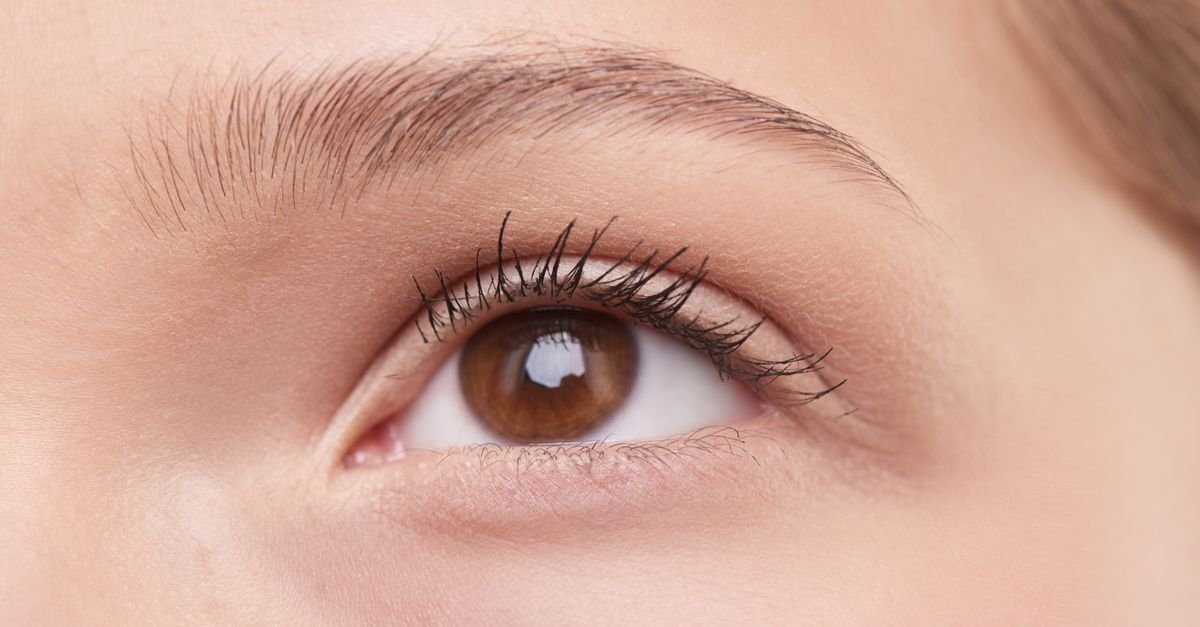
- Vascular: a blue, purple or pink look from blood vessels under thin skin.
- Structural: shadows cast by under-eye hollows or puffiness, not true darkness.
- Mixed: a combination of the above, which is very common.
Most treatments fail because they don’t match the type – so let’s identify yours.
How can you tell which type of dark circle you have?
A couple of quick at-home checks can point you in the right direction.
Gently stretch the skin under your eye. If the darkness fades, it’s likely vascular or structural; if the color stays, it’s more likely pigmentation.
Tilt your head back toward a mirror. If the darkness lightens, it’s probably shadow from hollowing rather than true pigment.
How do you treat pigmented dark circles?
Pigmented circles respond to the same brighteners that fade dark spots elsewhere.
Look for vitamin C, niacinamide and gentle brightening agents in an eye product. Consistency over several weeks is essential.
Most importantly, wear sunscreen daily – UV exposure deepens pigmentation, undoing your progress.
How do you reduce vascular (blue or purple) dark circles?
Vascular circles are about blood vessels showing through thin skin.
Caffeine-based eye products can temporarily constrict vessels and reduce the look, while good sleep and hydration prevent them from worsening. A cool compress in the morning helps too.
Ingredients that gently thicken and strengthen the skin over time, like retinol and peptides, can also make vessels less visible.
What about structural dark circles and hollows?
Structural circles are really shadows, not color, which makes them the trickiest.
Hydrating eye products can plump the area slightly and soften shadows, but skincare has real limits here. This type is caused by the shape of the under-eye area.
For significant hollowing, in-office treatments like dermal filler are the most effective option – more on that below.

Which ingredients work best for dark circles?
A few well-chosen ingredients do most of the heavy lifting.
- Vitamin C brightens pigment and supports collagen.
- Niacinamide evens tone and strengthens thin under-eye skin.
- Caffeine temporarily reduces the look of puffiness and vascular darkness.
- Retinol (in gentle eye formulas) thickens skin over time.
- Peptides and hyaluronic acid hydrate and plump the area.
See our roundups of the best eye creams for dark circles and best eye serums for dark circles, or browse eye creams on Amazon.
Which lifestyle habits help with dark circles?
Skincare works better when your habits support it.
Prioritize sleep, since poor sleep makes circles look worse. Manage allergies, as rubbing itchy eyes darkens the area, and cut back on salt to reduce fluid retention and puffiness.
Stay hydrated and wear sunglasses and sunscreen outdoors – sun protection is one of the most underrated fixes.

Do home remedies for dark circles actually work?
Some popular home remedies help a little; others are mostly myth.
A cold compress or chilled spoons genuinely reduce morning puffiness and vascular darkness for a while. Staying hydrated and sleeping well also make a visible difference.
Cucumber slices and tea bags feel soothing and add cool, gentle pressure, but their effect is mild and temporary – don’t expect them to erase pigment.
When should you see a professional?
If home care isn’t enough, a professional can offer stronger options.
For deep hollows, dermal fillers can restore volume and remove shadows. For stubborn pigment or vascular circles, dermatologists may suggest specific lasers or peels.
These are medical procedures, so consult a board-certified dermatologist to find what’s safe and suitable for you. This is general information, not medical advice.

How do you cover dark circles with makeup?
Makeup is the fastest fix while your skincare works in the background.
Hydrate the area first, then use a color-correcting shade (peach or orange tones counteract blue) before a concealer matched to your skin.
Technique matters more than product – our guide to the best concealer techniques for dark circles walks you through it.
Common dark circle mistakes to avoid
- Treating the wrong type. Brighteners won’t fix shadows from hollows.
- Skipping sunscreen. UV deepens pigment and undoes your effort.
- Rubbing your eyes. Friction darkens and thins the delicate skin.
- Expecting overnight results. Pigment and skin-thickening take weeks.
- Ignoring sleep and allergies. Habits often matter as much as products.
Are dark circles genetic?
For many people, dark circles do run in the family.
Genetics strongly influence pigmented circles (common in deeper skin tones) and the natural shape of the under-eye area that creates shadows. If your parents have them, you are more likely to as well.
Genetic dark circles can still be improved and managed – they are just less likely to disappear completely with skincare alone.
Do dark circles get worse with age?
Dark circles often become more noticeable over time.
As we age, the skin under the eyes thins and we naturally lose some volume and fat in the area. Both changes make underlying blood vessels and shadows more visible.
Good sun protection, hydration and collagen-supporting ingredients can slow this, while treatments like filler address volume loss directly.
Can dehydration and lifestyle cause dark circles?
Everyday habits have a bigger impact than people realize.
Dehydration can make the under-eye area look dull and sunken, while poor sleep, stress, smoking and too much salt or alcohol all tend to make circles look worse.
Drinking enough water, sleeping well and easing these habits will not erase genetic circles, but they visibly reduce the day-to-day darkness.
Do eye rollers and massage help dark circles?
Gentle massage can offer a temporary improvement, especially for puffiness.
Lightly rolling or tapping the under-eye area encourages lymphatic drainage, which can reduce fluid build-up and the look of vascular darkness in the morning. A cool metal applicator adds a de-puffing effect.
Always be gentle – the skin here is delicate, and rough rubbing can actually worsen darkness over time.
How long does it take to fade dark circles?
Patience matters, and the timeline depends on the type.
Puffiness and vascular darkness can improve within days with sleep, hydration and cool compresses. Pigmented circles take longer – usually several weeks to a few months of consistent brightening ingredients and daily sunscreen.
Structural, shadow-based circles will not fade with skincare and need in-office treatment to change significantly.
Does caffeine really help dark circles?
Caffeine is one of the most common ingredients in eye products, and it does have a genuine, if modest, effect.
Applied topically, caffeine temporarily constricts blood vessels and helps reduce fluid, which can make puffiness and vascular (blue-purple) darkness look better – especially in the morning.
The effect is short-term rather than a permanent fix, so caffeine works best as part of a consistent routine alongside sleep, hydration and sun protection. Keeping your eye product in the fridge can boost that cooling, de-puffing benefit.
What is the difference between dark circles and under-eye bags?
These two get lumped together, but they are different issues.
Dark circles are about color – pigment, blood vessels or shadow. Under-eye bags are about puffiness and mild swelling that create a raised, tired look.
You can have one, the other, or both, and they need different fixes – so it helps to know which you are dealing with.
Can allergies cause dark circles?
Yes – allergies are a surprisingly common cause, sometimes called “allergic shiners.”
Allergic congestion can dilate the blood vessels under the eyes, and rubbing itchy eyes darkens and irritates the delicate skin further.
If your dark circles flare with hay fever or dust, managing the allergy itself often improves them more than any eye cream.
Do diet and iron levels affect dark circles?
Your overall health shows up under your eyes.
Low iron can make skin look pale and dark circles more obvious, and dehydration adds a dull, sunken look. A balanced diet with enough iron, vitamin C and water supports the area.
If circles appear suddenly or with fatigue, it is worth checking in with a doctor about iron and general health.
Do under-eye patches and eye masks work?
Under-eye patches are a nice quick fix, with realistic limits.
They flood the area with hydration and cooling ingredients, which temporarily de-puffs and brightens – great before an event. Chilled patches feel especially good.
The effect is short-lived, so treat them as a boost rather than a long-term treatment for dark circles.
Can you use retinol under your eyes for dark circles?
Retinol can help, but the under-eye area needs care.
Over time retinol can thicken thin skin and improve tone, which helps vascular and pigmented circles. However, this skin is delicate and can get irritated.
Use a gentle eye-specific retinol, start slowly (a couple of nights a week), and stop if you see irritation. This is general information, not medical advice.
How do you prevent dark circles from coming back?
Prevention keeps your results from slipping.
Protect the area with daily sunscreen and sunglasses, get consistent sleep, stay hydrated, and manage allergies so you are not rubbing your eyes.
Keep up your brightening and hydrating eye routine even once circles improve – the causes do not disappear, so gentle maintenance matters.
Can concealer make dark circles look worse?
Concealer helps when used well, but the wrong approach can backfire.
Too much product, or a shade that is too light or too dry, can settle into fine lines and emphasize the area. Skipping hydration first makes this worse.
Prep with an eye cream, use a small amount of a well-matched concealer, and set it lightly for a natural finish.
Can poor sleep cause permanent dark circles?
Occasional bad nights cause temporary, not permanent, dark circles.
Lack of sleep makes skin paler and blood vessels more visible, but this usually improves once you rest and recover. It is a short-term effect.
Chronic poor sleep over years can contribute to lasting changes, so consistent rest is worth prioritizing for your eyes and your health.
Frequently Asked Questions
How do you get rid of dark circles under your eyes?
Start by identifying the type. Pigmented circles respond to brighteners like vitamin C and niacinamide plus daily sunscreen; vascular circles improve with caffeine, sleep and hydration; and structural (hollow) circles often need in-office treatments like filler. Matching the treatment to the cause is the key.
Can dark circles be removed permanently?
It depends on the cause. Pigment and vascular circles can be greatly improved but may need ongoing care, while structural hollows can be corrected more lastingly with treatments like fillers. Genetics means some people are simply more prone to them.
What is the best ingredient for dark circles?
There’s no single winner – it depends on your type. Vitamin C and niacinamide help pigment, caffeine helps vascular darkness and puffiness, and retinol and peptides thicken thin skin over time. Many good eye products combine several of these.
Do dark circles go away with sleep?
Sleep helps, especially with vascular circles and puffiness, but it won’t erase pigmented or structural circles on its own. Think of good sleep as an important supporting habit rather than a complete cure.
Why do I have dark circles even when I’m not tired?
Because tiredness is only one cause. Genetics, pigmentation, visible blood vessels, thin skin, sun exposure, allergies and natural under-eye hollowing can all create dark circles regardless of how much you sleep.
Does vitamin C help with dark circles?
Yes, particularly for pigmented circles. Vitamin C brightens excess pigment and supports collagen, which can strengthen thin under-eye skin over time. Use it consistently and pair it with daily sunscreen for the best results.
Do eye creams really work for dark circles?
The right eye cream can genuinely help, especially for pigment and vascular types, by delivering targeted ingredients like caffeine, niacinamide and vitamin C. They’re less effective for deep structural hollows, which usually need professional treatment.
The bottom line
Dark circles aren’t one problem with one fix – they’re a few different issues that each need a different approach.
Identify your type, choose ingredients that match, protect the area with sunscreen, support it with good sleep, and see a pro for stubborn hollows.
To build the right routine, see our skincare routine for dark circles and niacinamide guide.


 Adhorika Khan