 Adhorika Khan
Everyone has a self-tan horror story: the orange palms, the zebra shins, the ankles of a swamp creature. None of them were the bottle’s fault. Self-tanner is a chemistry appointment — DHA reacting with your skin’s dead surface cells — and streaks are simply uneven canvas or uneven application. Prep with exfoliation and strategic moisturizing, apply with a mitt in sections, and manage the tricky zones (hands, feet, joints) with the dilution tricks below, and a bottle of drugstore tanner delivers vacation skin, streak-free, on demand.
This is the complete method: how DHA actually works (it explains every rule), the 24-hours-before prep, the section-by-section application order, the hands-feet-face protocols, maintenance and removal, and the fixes for every classic mistake.
Key Takeaways
- DHA tans dead cells: the reaction happens in your skin’s outermost layer — which is why exfoliation BEFORE (even canvas) and moisture AFTER (slow, even fade) decide everything.
- Prep is 24 hours before, not 5 minutes before: exfoliate and shave the day prior; tan on dry, product-free skin.
- The mitt is non-negotiable — palms grab DHA hungrily; the mitt is the difference between tanned and “caught orange-handed.”
- Dilute at the joints: wrists, ankles, knees, elbows get the leftover-only pass — thirsty thick skin over-darkens.
- Self-tan contains ZERO sun protection — the color is cosmetic; the SPF habit continues in full.
How Self-Tanner Actually Works (The Rule-Maker)
Dihydroxyacetone (DHA) — a simple sugar — reacts with amino acids in the dead cells of your stratum corneum (the Maillard reaction: chemically adjacent to bread crust browning, which is why development smells faintly biscuity). The color develops over 2–8 hours, darkens fully by 24, and fades as those dead cells naturally shed — 5–10 days.
Every rule follows from this: uneven dead-cell thickness = uneven color (hence exfoliation first — and why KP bumps and dry patches grab dark dots); thick-skinned zones over-absorb (knees, elbows, ankles, palms — hence dilution); faster shedding = faster fading (hence moisturizing after, and why the tan vanishes first wherever friction lives); and the color is dead-cell-deep only — no melanin involved, no protection conferred, SPF still mandatory (the guide).
The 24-Hour Prep (Where Streak-Free Is Decided)
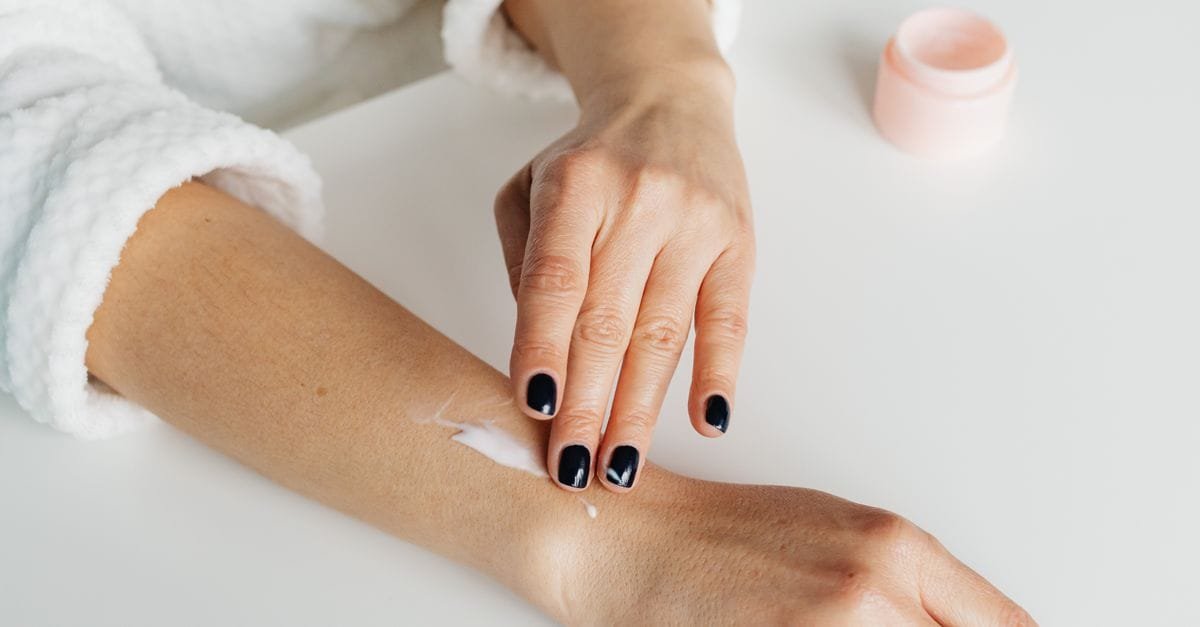
The day before: exfoliate everything — chemical (the body acid routine) or a gentle physical polish, with extra attention to knees, elbows, ankles, and heels; shave or wax (doing it day-of leaves open follicles that grab DHA as dark pinpricks — the strawberry-leg speckle); moisturize normally that night.
Day of: shower, pat completely dry, and apply NOTHING before the tan except one strategic exception — a thin smear of plain moisturizer on the thirsty zones only (knuckles, wrists, elbows, knees, ankles, heels) as a DHA-diluting barrier. No deodorant (it turns green with DHA — really), no perfume, no body oil. Cool, dry skin in a cool room: sweat beads print spots.
The Application Method, Section by Section
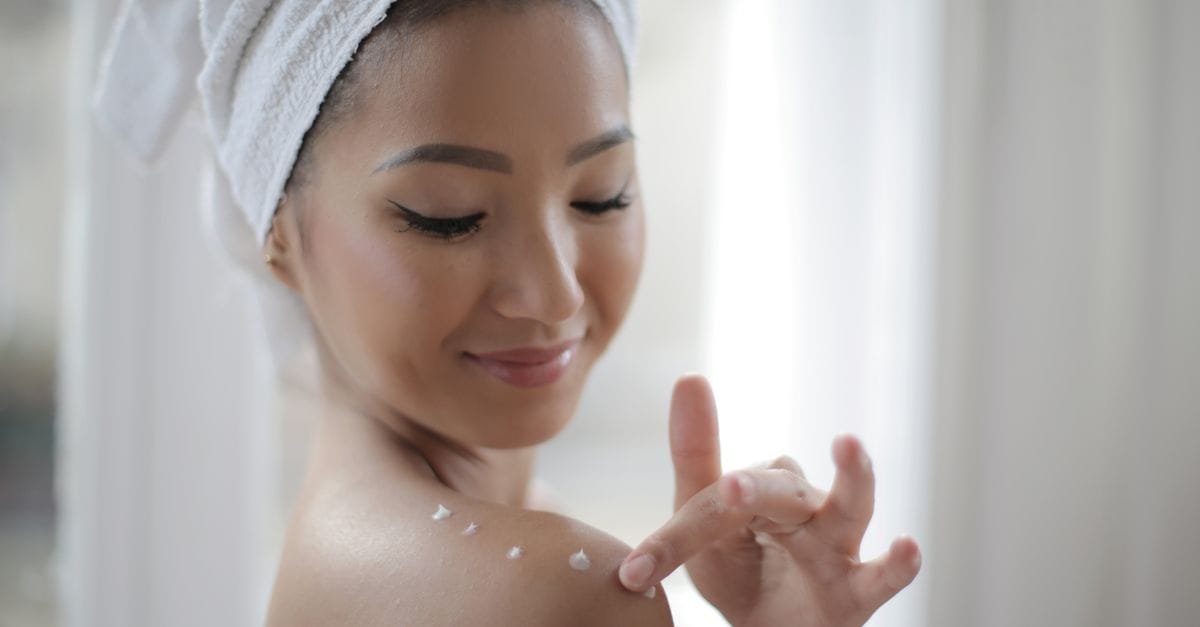
Gear: the mitt (velvety applicator mitts are cheap and transformative), an old dark towel to stand on, and a mirror.
Order — bottom up: legs first (front, back, sides in long strokes), then torso, then arms, then the extremities-and-face finale. Bottom-up avoids the folding-crease lines that bending over a just-tanned stomach prints.
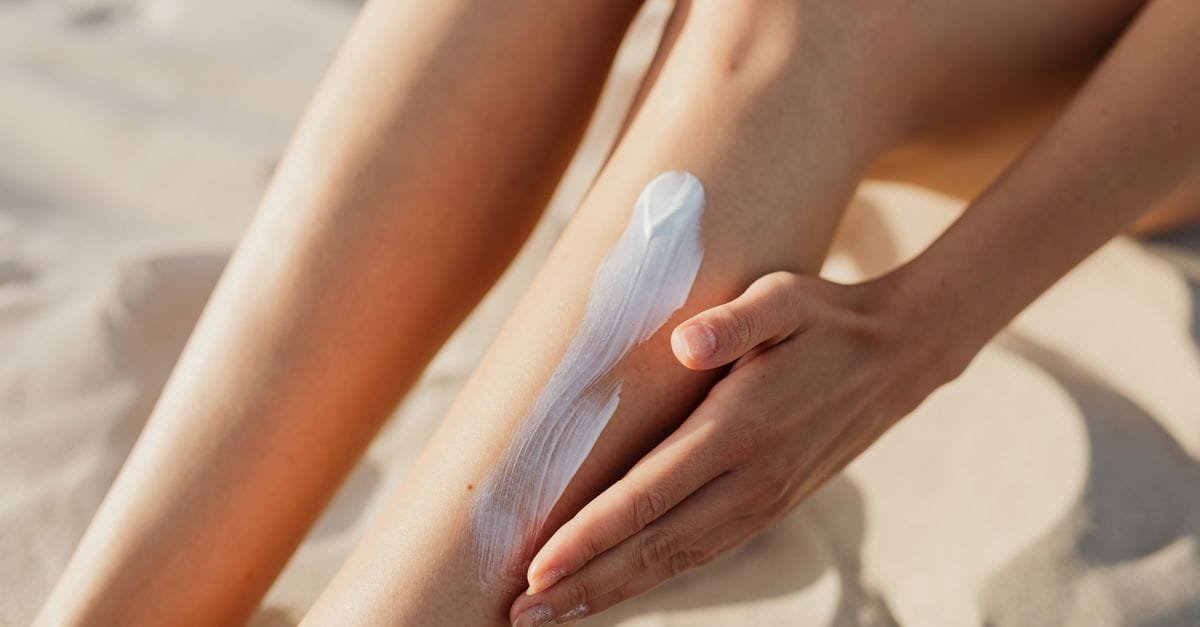
Technique: generous product on the mitt (a light hand causes MORE streaks than a confident one — starved passes drag), applied in long sweeping strokes then buffed in circles; each section fully blended before the next; and a body-turn in the mirror before moving on — what looks even from the front can stripe from the side.
The joints protocol: when a section is done, whatever remains ON the mitt — no fresh product — sweeps over the pre-moisturized knees/elbows/ankles/wrists. Leftovers-only is the entire trick for natural joints.
Hands and feet: the leftover-mitt pass over the backs only, fingers slightly spread, a barely-there graze over toes — then wash your palms immediately even with the mitt (strap-line drips happen), and swipe a makeup wipe between fingers, around nails, and across palm edges.
The face (optional): use a face-specific formula or dilute body product 1:1 with moisturizer; apply like the gradual-tan logic — sheer, avoiding brows and hairline (they grab), blended past the jaw into the neck. Many prefer drops mixed into their night moisturizer — buildable and goof-proof.
Then: dry, loose, dark. Ten minutes of air-dry minimum before loose dark clothing; no bras/waistbands printing lines for an hour; no sweating or water until the development window passes (check your bottle — usually 4–8 hours, and the “sleep in it” formulas mean old sheets).
Maintenance: Making It Last (and Fade With Dignity)
Moisturize daily, religiously — hydrated dead cells shed slowly and evenly; dry skin sheds in patches (the leopard-fade everyone fears is just dryness). Shower cool-ish and pat dry — hot water and towel-scrubbing are tan-removal activities. Skip acids and exfoliation on tanned zones (they eat the color layer — save them for pre-tan prep). Top up every 3–5 days with gradual-tan lotion, or fresh application weekly after a full-body exfoliation reset — never layer full-strength tanner over a half-faded patchy base (that’s how the patch becomes permanent-looking). Chlorine and long soaks strip color — pre-swim moisturizer helps marginally; acceptance helps more.
Fixing the Classics: The Mistake Repair Manual
Streaks or a missed strip: gradual-tan lotion on the pale zone only, built over two evenings — never full-strength spot-repair (it overshoots). Too dark overall: a long warm bath plus gentle exfoliation the next day lifts the top layer; the fade accelerates from there. Orange palms: immediate — lemon-and-sugar or a BHA-soaked pad plus patience; prevention was the mitt-and-wash routine. Dark knees/elbows/ankles: a damp exfoliating cloth on the zone, then moisturizer — and next time, the dilution barrier. Green tinge: the deodorant reaction or an oxidized old bottle — wash, and check the expiry logic; DHA formulas age within a year. Spots and speckles: open follicles (shaved same-day) or KP grabbing — the prep chapter was the fix. Full restart: dedicated tan-remover products, or the DIY version — a bath, oil massage, then exfoliating mitt — takes most of a botch off in one session.

Choosing Your Weapon: Formats Compared
Mousses — fast-drying, tinted guides (you see where you’ve been), the enthusiast default. Lotions — slower, more forgiving blend-time, better for beginners and dry skin. Gradual tanners — moisturizer-tanner hybrids; the lowest-stakes entry and the maintenance workhorse. Sprays/mists — good for backs (the unreachable zone: spray, then buff with the mitt on a long-handled paddle… or recruit a partner), high overspray-on-bathroom cost. Drops — mix-your-own intensity into any moisturizer; face favorite. Tinted vs clear: tinted shows your work (fewer misses), clear can’t stain clothes mid-development. Shade honesty: choose one or two levels above your natural tone, not the deepest bottle — the “natural glow” verdict from our tanner roundup holds: believable beats dramatic. And whatever the format: patch-test a new formula behind the knee 24 hours ahead — DHA sensitivity is uncommon but real.
Self-Tan Safety, Honestly
The good news first: topical DHA has decades of cosmetic use and is considered safe on intact skin. The honest notes: it offers zero UV protection (worth repeating — a tan-looking skin with no melanin behind it burns exactly as fast); spray-booth inhalation is the one context regulators flag — hold breath/use nose plugs in booths, and home sprays in ventilated rooms; DHA raises skin’s free-radical response to sun slightly during development — one more reason the SPF habit is non-negotiable; and broken, freshly-waxed, or eczema-flared skin sits out the session. Pregnant readers: topical use is generally regarded as low-concern, but it’s a fair doctor question, and booths are a skip.
The Sunday-Evening Tan Ritual, Scripted
Saturday: exfoliate + shave + moisturize at night. Sunday 7 pm: cool shower, full dry, barrier moisturizer on joints and hands/feet. 7:10: mitt loaded — legs, torso, arms, leftover passes on joints and extremities, mirror turn per section. 7:25: palms washed, between-fingers wiped, ten-minute air-dry with a podcast. 7:35: loose dark clothes, old sheets if it’s an overnight formula. Monday morning: cool shower rinse of the guide tint — and vacation skin for the week, maintained with the daily moisturizer you already own. Twenty-five active minutes, no sun damage, fully reversible: the only tan dermatologists actually endorse.

The Face-Tan Deep Dive (Because Faces Are Different)
Facial skin turns over faster, wears actives, and meets the world first — so the face tan has its own rules. Formula: face-specific tanners or drops mixed into moisturizer — body formulas run too strong and clog-prone for many faces (non-comedogenic matters here; the breakout-prone patch-test first). Actives coordination: retinoids and exfoliating acids eat tan — they accelerate exactly the cell turnover the color lives in; either accept a faster face-fade, pause acids for a few days post-tan, or run the drops-in-moisturizer method nightly as maintenance instead of weekly events. Application: after skincare absorbs, sheer layer, blended into hairline and ears and DOWN the neck (the floating-head line is the classic tell), brows avoided, and a damp swab around the nostril creases where product pools. The fade: faces fade in 3–5 days versus the body’s 7 — the drops method exists precisely to make that a feature (constant subtle glow) rather than a bug (weekend face-swap).
Occasion Timing: Working Backward From the Event
Tans have a schedule; events have a date — the countdown: T-minus 3 days — exfoliate and patch-test any new formula; T-minus 2 — full application (this timing lets the color settle, the guide-tint wash away, and any small miss get its gradual-tanner correction); T-minus 1 — assess in daylight, correct patches with gradual tanner, moisturize generously; event day — moisturize, glow, and apply SPF as usual. Never tan the night before a big event as your FIRST application of a formula — the settled result differs from the just-applied one, and event-eve is no time for surprises. Beach holidays get the same countdown plus realism: pool chlorine and sand friction will eat the tan faster than home life; pack the gradual tanner for mid-trip maintenance and accept the graceful fade.
The Bottom Line
Streak-free self-tanning is a prep-and-technique craft wearing a product costume: even canvas (exfoliate yesterday), even application (mitt, sections, mirror), diluted joints (leftovers only), protected palms, and a moisturized fade. Master the ritual once and every bottle in the aisle works — because it was never the bottle. And keep the SPF: the glow is cosmetic; the sun never got the memo.
The streak-free kit:
The streak-free kit:
Frequently Asked Questions
How do you apply self-tanner without streaks?
Exfoliate and shave the day BEFORE, apply to completely dry skin with a mitt in long buffed strokes — section by section, bottom-up — and use only mitt-leftovers on knees, elbows, ankles, and hands. Streaks are uneven canvas or starved passes, not bad bottles.
Should I moisturize before self-tanner?
Only on the thirsty zones — a thin barrier on knuckles, wrists, elbows, knees, ankles, and heels prevents over-darkening. Everywhere else, tanner goes on bare, dry skin; full-body pre-moisturizing dilutes and streaks the color.
How long does self-tanner last?
Five to ten days, fading as your dead surface cells naturally shed. Daily moisturizing makes the fade slow and even; hot showers, friction, acids, and chlorine speed it into patchiness.
How do I fix orange hands from self-tanner?
Exfoliate the palms with a BHA-soaked pad or a sugar-lemon scrub and give it a day — then prevent it forever: use a mitt, wash palms immediately after, and wipe between fingers and around nails.
Why did my self-tan go patchy?
Usually dry skin shedding unevenly (moisturize daily), skipped prep (exfoliate before, not after), or layering fresh tanner over a half-faded base. Reset with a full exfoliation, then reapply to clean canvas.
Does self-tanner protect against sunburn?
Not at all — DHA colors dead cells cosmetically with zero UV protection, and skin during development is slightly more sun-reactive. Wear your normal SPF over any self-tan, every day.
Can I shave after applying self-tanner?
Yes, but gently and not daily — every shave exfoliates away some color. Shave the day before each application, then as sparingly as possible with light pressure and sharp blades between tans.
Should I apply self-tanner at night or in the morning?
Evening wins: the development window passes while you sleep (old sheets advised), and the morning shower rinses the guide tint to reveal the settled color. Morning applications spend the day fragile — no sweat, no water, no tight clothes.
Can I put self-tanner on my face if I have acne?
Carefully: face-specific or drops-in-moisturizer formulas, non-comedogenic, patch-tested — and never over active inflamed breakouts, where DHA can settle into spots and edges. Treat first, glow after.
How do I make self-tanner last longer?
Moisturize daily (even shedding is the whole game), shower cool-ish and pat dry, skip acids and exfoliation on tanned zones, and top up with gradual tanner every three to five days. Dryness is the leopard-fade’s author.
Why does self-tanner smell like that?
The DHA reaction itself produces the biscuity development smell — formulation masks it, nothing eliminates it. Modern formulas are dramatically better; applying in the evening and showering at the development window’s end minimizes the public phase.

 Adhorika Khan