 Adhorika Khan
Somewhere in your collection right now lives a mascara from two apartments ago, a “special occasion” lipstick older than your phone, and a foundation you’re saving because it was expensive. This guide is their eviction notice. Makeup expires — not as a marketing trick, but as microbiology: preservatives deplete, formulas break down, and anything repeatedly touched to eyes, lips, and skin becomes a culture dish. The rules that matter most: mascara lasts 3 months, liquid products 6–12, powders 1–2 years — and anything used during an infection goes immediately.
Here’s the full shelf-life table, the little jar symbol that’s been telling you the answer all along, the five signs a product has turned, and the storage habits that stretch every date honestly.
Key Takeaways
- The clock starts at opening, not purchase — air and use begin the countdown, and the little “12M” jar icon on the label is the official timer.
- Mascara is the strictest: 3 months. A wet tube pumped daily next to your eyeball is the highest-risk item you own.
- Liquids expire before powders: water content feeds growth — liquid liner and foundation go months before pressed powder goes years.
- Expired makeup causes real problems: breakouts, irritation, styes, and eye infections — dermatologists see it weekly.
- When in doubt — smell, texture, separation — throw it out. No product is cheaper than an eye infection.
Does Makeup Really Expire?
Genuinely, yes — through two separate processes. Formula breakdown: emulsions separate, oils oxidize and smell like crayons, pigments shift, and textures clump — the product simply stops performing. Microbial growth: every use ferries skin bacteria, oil, and (for eye products) tear-film microbes into the container, where preservatives fight them off — until the preservative system depletes. After that, you’re incubating.
Studies culturing used cosmetics reliably find contamination in a majority of older products — most infamously in mascara, where research has found staph bacteria in a large share of tubes past the three-month mark. This is why the dates aren’t suggestions.
The Little Jar Icon You’ve Been Ignoring
Flip any product over and find the small open-jar symbol with a number inside — “6M,” “12M,” “24M.” That’s the Period After Opening (PAO): how many months the product stays good once opened. It’s the manufacturer’s own answer to this entire article, printed on the box you threw away.
The honest workflow: when you open a product, write the month on it with a fine marker (or a dot sticker). Thirty seconds of labeling ends every future “how old is this?” debate. Unopened, sealed products last longer — roughly two to three years for most, less for “clean” formulas with lighter preservative systems — but they are not immortal either.
The Complete Shelf-Life Table, Product by Product
Mascara & Liquid Eyeliner: 3 Months
The strictest rule in the book, for good reason: a dark, moist tube, pumped full of air and eyelash bacteria daily, applied millimeters from your eye. Three months, then gone — regardless of how much remains. Never add water or saliva to revive a drying tube (you’re diluting the preservative exactly when it’s needed most), and never share. Pencil eyeliner earns 1–2 years because sharpening literally shaves off the used surface — sharpen regularly; it’s built-in hygiene.
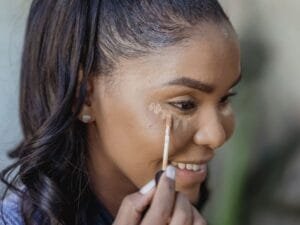
Liquid Foundation & Concealer: 6–12 Months
Water-based formulas sit at the shorter end, oil-based slightly longer. Pumps and droppers protect (product never meets fingers); open-mouth bottles you dip into age faster. Signs of the end: separation that shaking can’t fix, a sour or metallic smell, oxidized orange shift, or a new tendency to break out zones that were fine — if your skin suddenly protests a longtime favorite, check the birthday before blaming your skin type.
Cream Products (Blush, Bronzer, Eyeshadow): 6–12 Months
Cream plus finger-dipping equals the shorter end; cream with a clean brush stretches toward a year. Any jar product used with fingers deserves the six-month suspicion.
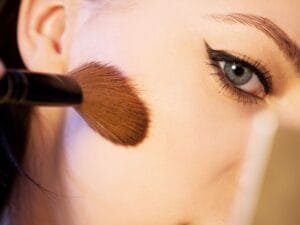
Powders (Pressed & Loose): 1–2 Years
The longest-lived category — almost no water for microbes to drink. Their aging is physical: a gray, waxy film on pressed powders (skin oil transferred by the brush — scrape gently to refresh once; retire on return), hardening, and fading payoff. The real hygiene lever for powders is the applicator: a weekly-washed brush keeps the pan clean; a never-washed one re-seeds it daily.
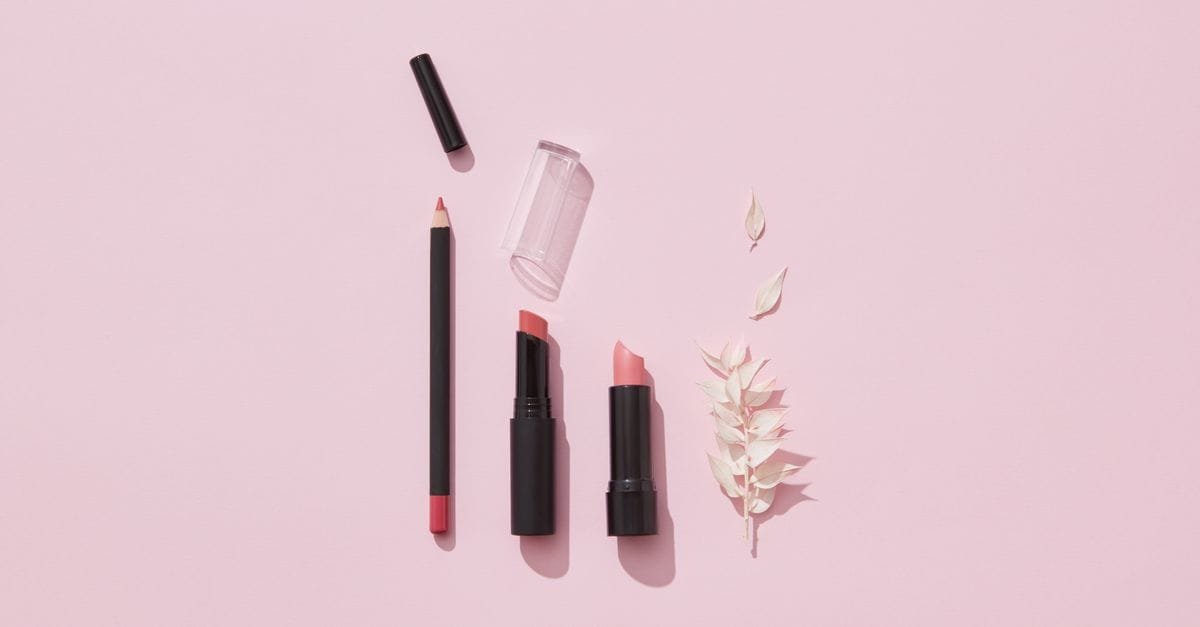
Lipstick & Gloss: 1–2 Years / 6–12 Months
Bullets last longer than wands (glosses are dip-and-reapply ecosystems). The tell is smell — old lipstick develops a crayon-box or playdough note as oils oxidize — plus dew-like beading on the bullet. Retire immediately after any cold sore, and don’t share lip products; that rule needs no elaboration. (Your lip care deserves the same audit — our chapped lips guide covers why old flavored balms cause the problem they claim to fix.)
Nail Polish: 18–24 Months
Separation that stirring fixes is fine; stringy, gluey texture that thinner can’t rescue is the end.
The One Everyone Forgets: Sunscreen & SPF Makeup
Sunscreen carries a real expiration date and means it — degraded filters fail silently at an invisible job. Expired SPF (including old tinted moisturizers and SPF cushions) is a genuine safety issue, not a texture issue; check dates every spring per our SPF guide.
The Five Signs a Product Has Turned
No date? Run the senses: 1. Smell — sour, metallic, crayon, or “off” in any direction is the most reliable single tell. 2. Separation that shaking can’t recombine. 3. Texture change — clumping mascara, stringy gloss, hardened cream, gritty foundation. 4. Color shift — oxidation darkening or graying. 5. Your skin’s reaction — new stinging, itching, or breakouts from an old faithful. Any single sign is a verdict; you don’t need a committee.
What Actually Happens If You Use Expired Makeup?
Usually nothing — until it’s something. The realistic risk ladder: poor performance (the guaranteed one — patchy, separated, sad); irritation and contact dermatitis as breakdown products meet skin; breakouts from bacterially-enriched liquids massaged into pores (a chronically underdiagnosed cause of “mystery” jawline acne — audit the foundation before overhauling the skincare); and at the serious end, eye infections — conjunctivitis and styes from expired mascara and liner are a routine story in every eye clinic. The math never works: the product cost twenty dollars; the doctor visit costs more, and the week of red eyes costs the most.
Storage: How to Get Every Honest Month
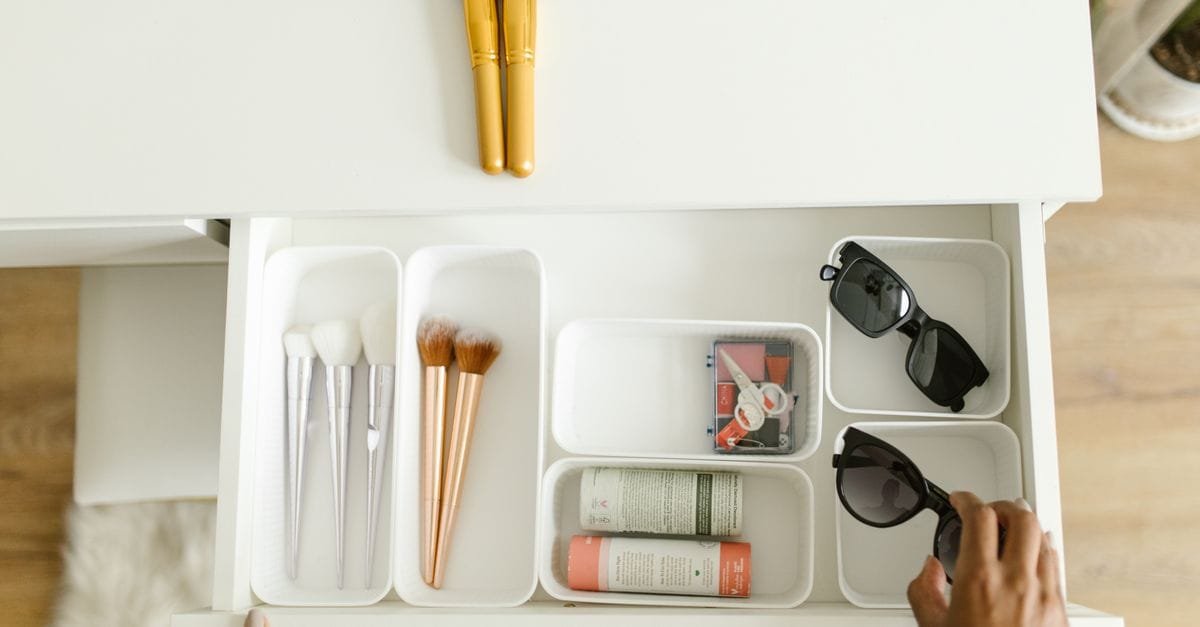
Where your makeup lives changes how fast it dies. Cool, dry, dark wins — which indicts the two most popular storage spots: the steamy bathroom (humidity is microbe fuel) and the sunny vanity by the window (heat splits emulsions and degrades pigment). A bedroom drawer beats both. Caps on, tightly, immediately — air is the other enemy. Hands off the jar: use a small spatula for potted products; fingers are the express contamination route. Don’t pump the mascara wand — that’s a bellows forcing air (and dry-out) into the tube; swirl instead. The car is a no: summer dashboards cook formulas in an afternoon. None of this makes products immortal — it just means they reach their PAO in fighting shape.
The Seasonal Declutter: A 15-Minute System
Twice a year (new year and mid-summer are natural anchors), empty the collection onto a towel and run three passes: 1. The automatic outs — anything past its marked date, any mascara older than a season, anything used during an eye infection or cold sore, anything that fails the smell test. 2. The honesty pass — products you haven’t touched in a year are expiring unused; admit it, and let the twinge of waste inform the next purchase instead of the next shelf. 3. The label pass — date everything that survives. Wipe the drawer, wash the brushes (the full method here), and re-home the keepers somewhere cool and dark.
What you’ll notice after two cycles: you buy less, use what you own, and your “collection” quietly becomes a working kit.
Buying Smarter: Expiry Starts at the Store
A few purchase habits prevent most future waste: size down on liquids — the giant foundation only saves money if you finish it inside a year; prefer pumps and squeeze tubes over open jars for anything wet; skip the checkout-line mascara multipacks unless you genuinely rotate tubes quarterly; be aware that “preservative-free” and some “clean” formulas trade shelf life for marketing — nothing wrong with that trade as long as you know you’re making it and date the product accordingly; and check that sealed backups in the drawer still have runway — buying a “spare” that expires before its debut is donating money to the bin. Quality over quantity is a hygiene strategy, not just a style one — a tight kit of fresh products beats a museum of turning ones (our beginner makeup guide builds exactly that kind of kit).
The Sharing Rules (Including Store Testers)
Expiry’s cousin is cross-contamination, and it has three short rules. Eye and lip products are never shared — not with sisters, not with best friends; conjunctivitis and cold sores travel exactly this route. Store testers are communal property in every sense: if you must trial in person, use disposable applicators on the back of the hand, never the mouth-and-eye products directly — studies swabbing testers find contamination rates that would end appetites. Makeup artists’ kits are the professional exception because disposables-and-sanitizing IS the professional standard — which tells you what the standard should be at home too.
The Bottom Line
Makeup expiration isn’t fussiness — it’s the reasonable lifespan of products designed to be touched, pumped, and pressed against living skin. Learn the tiers (3 months for mascara, months for liquids, years for powders), date things when you open them, trust your nose over your sentimentality, and run the fifteen-minute declutter twice a year. Your skin, your eyes, and honestly your makeup application will all thank you.
And Your Skincare Shelf? The Same Rules, Different Speeds
The PAO icon governs skincare too, with its own hot spots: vitamin C serums are the divas — oxidation turns them amber-to-brown and largely spent within months of opening (small bottles, dark storage); retinoids fear light and air, which is why serious formulas ship in aluminum tubes and airless pumps; jar moisturizers you finger-dip age fastest of all (the spatula habit again); and anything natural-preservative-based runs on yogurt rules, not pantry rules. The full ingredient-stability story lives in our ingredient dictionary — but the household summary is one line: if it changed color, smell, or texture, its chemistry already told you the answer.
The Guilt-Free Goodbye: Letting Go of Expensive Mistakes
The psychology deserves one honest paragraph, because it’s the real reason old makeup survives: throwing away a $48 foundation feels like throwing away $48. But the money left when the product stopped being usable — keeping the container only stores the regret, plus a bacteria colony. Reframe the bin bag as tuition: the lesson (“I don’t actually wear liquid liner” / “giant sizes outlive my interest”) is the value, and it discounts every future purchase. One more honesty check: if you’re “saving it for special occasions,” count the special occasions since you bought it. Products are for using — the ones you love should be finished, not preserved.
The tiny toolkit for the system:
The tiny toolkit for the system:
Frequently Asked Questions
How long does makeup last after opening?
Mascara and liquid liner: 3 months. Liquid foundation and concealer: 6–12 months. Cream products: 6–12 months. Powders and pencils: 1–2 years. Lipstick: 1–2 years. The little open-jar “PAO” icon on each product states its specific number.
Can I use unopened expired makeup?
Sealed products last longer (roughly 2–3 years) but not forever — preservatives and emulsions degrade in the container. If an unopened product smells off, has separated, or is many years old, retire it. Sunscreen dates are firm either way.
What happens if I use expired mascara?
You’re rolling dice with the highest-risk product in the kit: cultured old tubes routinely grow bacteria including staph, and expired mascara is a classic cause of styes and conjunctivitis. Three months, then bin it — no exceptions.
Can expired makeup cause acne?
Yes — old liquid foundations and concealers accumulate bacteria and breakdown products that clog and irritate. Sudden breakouts from a longtime product are a reason to check its age before overhauling your skincare.
How do I know if my foundation has gone bad?
Separation that shaking can’t fix, a sour or metallic smell, an orange oxidized shift, gritty texture, or new skin irritation. Any one sign is enough.
Does powder makeup really expire?
Yes, just slower — powders lack the water microbes need, so they last 1–2 years. Watch for the gray waxy surface film, hardening, and fading payoff; and wash your brushes weekly, since the applicator is how powders get contaminated.
Where should I store makeup to make it last?
Cool, dry, and dark — a bedroom drawer, not the humid bathroom or a sunny vanity. Keep caps tight, never store products in a car, and use a spatula instead of fingers for anything in a jar.

 Adhorika Khan