
 Adhorika Khan
It’s hard to grow healthy, fast hair. Common issues like breakage, thinning, and slow growth make it tougher.
This guide offers tips to grow hair longer, thicker, and healthier. They are practical and effective. You’ll find solutions tailored to your needs. They include home tips for natural hair growth. Also, key products and nutrients for stronger, longer hair.
To build an effective hair care routine, you must know two things. First, how fast hair grows. Second, what affects hair health? Each tip for hair growth in this guide answers common questions. To need hair extensions, click here.
For example, “What are the best tips for hair growth?” and “Which oil is best for hair growth and thickness?” This guide covers all aspects of hair growth. It has tips for growing facial hair. It also advises women on slowing unwanted growth.
Let’s dive in and explore the best tips for healthy hair growth that you can start implementing today. These tips and products will help you reach your hair goals.
Understanding the Hair Growth Cycle
To fully benefit from hair growth tips, it’s essential to understand the natural process behind how hair grows. The hair growth cycle consists of four phases: anagen, catagen, telogen, and exogen. Each phase plays a role in the life of a hair strand, determining its growth rate, shedding pattern, and overall health.
1. Anagen Phase: The Growth Phase
The anagen phase is the most critical phase for hair growth. This is when the hair actively grows, lasting anywhere from 2 to 7 years, depending on factors like genetics, age, and health. How fast hair grows largely depends on the length of this phase, with longer anagen phases resulting in longer hair. To need hair extensions, click here.
- Quick Tip: Supporting the anagen phase with healthy hair growth tips and nutrient-rich hair care routines can maximize growth potential during this period.
2. Catagen Phase: The Transition Phase
The catagen phase is a short, transitional stage that lasts about 2-3 weeks. During this phase, the hair follicle shrinks and detaches from the blood supply, preparing for the shedding stage. Though brief, this phase is crucial, as it ends the growth of that specific hair strand.
3. Telogen Phase: The Resting Phase
In the telogen phase, the hair strand is inactive, resting in the follicle while new hair begins to form beneath it. This phase typically lasts around 3 months. At any given time, roughly 10-15% of all hairs are in the telogen phase.
- Fact: Stress or hormonal changes can push more hair into this phase, causing temporary hair thinning or shedding.

4. Exogen Phase: The Shedding Phase
The exogen phase is the final stage, where the old hair sheds and makes way for new growth. Shedding is a normal part of the cycle, with most people losing 50-100 hairs daily. Excessive shedding, however, can signal underlying issues that need attention.
Factors Affecting Hair Growth
Several factors can influence the hair growth cycle, including genetics, age, health, and lifestyle choices. Implementing natural hair growth tips—like using hair growth oil or adjusting your diet—can enhance hair health and prolong the anagen phase.
Responsive Table: Hair Growth Cycle Phases
| Phase | Duration | Role in Hair Growth |
|---|---|---|
| Anagen | 2-7 years | Active growth phase |
| Catagen | 2-3 weeks | Transition phase where hair stops growing |
| Telogen | 3 months | Resting phase, new hair forms underneath |
| Exogen | Few days | Shedding phase, old hair is released |
Understanding the hair growth cycle empowers you to make informed choices in your hair care routine for growth. With this foundation, let’s move on to practical tips and daily habits that can help enhance the growth and health of your hair.
Essential Nutrients for Hair Growth
Good nutrition is a cornerstone of healthy hair. Certain nutrients are essential to support hair strength, elasticity, and growth rate, and a well-balanced diet can significantly impact how fast your hair grows. This section explores the best nutrients for hair growth and the foods that provide these benefits.
1. Protein: The Building Block for Hair
Hair is primarily made of a protein called keratin. Without enough protein, hair can become weak, brittle, and prone to breakage, slowing down growth. Foods rich in protein help stimulate natural hair growth by supporting the structure and strength of each hair strand.
- Best Sources: Eggs, lean meats, tofu, beans, and Greek yogurt.
- Tip: A diet rich in protein can support healthy hair growth by strengthening the hair shaft.
2. B Vitamins: Boosting Scalp Health
B vitamins, particularly biotin, play a vital role in hair growth. Biotin enhances keratin production, which contributes to hair thickness and strength. A deficiency in B vitamins can lead to hair thinning and slow growth.
- Best Sources: Whole grains, almonds, meat, fish, and leafy greens.
- Tip: Supplements like biotin for hair growth are also popular; however, consult a healthcare provider before adding them to your routine.
3. Vitamin D: Supports Follicle Health
Vitamin D helps activate hair follicles, promoting new growth. Studies show that vitamin D deficiency may be linked to hair loss, making it an essential nutrient for maintaining hair health.
- Best Sources: Sunlight exposure, fatty fish (salmon, mackerel), egg yolks, and fortified foods.
- Tip: Aim for 10-15 minutes of sun exposure daily or consider supplements for an extra boost.
4. Iron: Preventing Hair Loss
Iron deficiency is a common cause of hair loss, as it impacts the blood’s ability to carry oxygen to hair follicles. Ensuring an adequate iron intake supports hair growth by keeping hair follicles healthy and active.
- Best Sources: Red meat, spinach, legumes, and pumpkin seeds.
- Tip: Iron from animal sources is more easily absorbed, but plant-based sources are also effective when combined with vitamin C-rich foods.
5. Vitamin C: Enhances Iron Absorption and Collagen Production
Vitamin C is essential for collagen production, a protein that strengthens hair strands and improves scalp health. It also aids in iron absorption, making it a crucial nutrient for preventing hair thinning.
- Best Sources: Citrus fruits, strawberries, bell peppers, and broccoli.
- Tip: A daily vitamin C intake can improve overall hair growth and support hair resilience.
6. Zinc: For Scalp Health and Hair Repair
Zinc is crucial for repairing damaged hair and supporting the oil glands around hair follicles, which contributes to scalp health. Deficiency in zinc can lead to hair shedding, so maintaining balanced levels is essential for healthy hair growth.
- Best Sources: Oysters, beef, pumpkin seeds, and lentils.
- Tip: Small amounts of zinc can significantly impact hair health, so incorporate zinc-rich foods regularly.
Responsive Table: Key Nutrients for Hair Growth
| Nutrient | Role in Hair Growth | Best Sources |
|---|---|---|
| Protein | Strengthens hair structure | Eggs, meat, beans, Greek yogurt |
| Biotin (B7) | Boosts keratin production | Whole grains, meat, leafy greens |
| Vitamin D | Activates hair follicles | Sunlight, fatty fish, egg yolks |
| Iron | Supports oxygen supply to follicles | Red meat, spinach, pumpkin seeds |
| Vitamin C | Enhances collagen and iron absorption | Citrus fruits, strawberries, bell peppers |
| Zinc | Repairs and maintains scalp health | Oysters, beef, lentils, pumpkin seeds |
Incorporating these nutrients into your diet can boost your hair growth efforts. Adding these foods regularly can make a noticeable difference in your hair’s strength, length, and shine, especially when combined with other natural hair growth tips.

Hair Care Routine for Optimal Growth
Building a consistent hair care routine is essential for supporting healthy hair growth. By using the right products and techniques, you can help maximize your hair’s growth potential while preventing breakage and thinning. This routine is designed to be effective for all hair types and addresses common concerns like dryness, frizz, and hair loss.
1. Gentle Cleansing: Start with the Right Shampoo
Using a gentle, sulfate-free shampoo helps cleanse your scalp without stripping away natural oils. The right shampoo keeps your scalp healthy, which is crucial for hair growth.
- How Often to Wash: Aim to wash your hair 2-3 times per week. Washing too frequently can dry out your scalp, while washing too infrequently can lead to buildup.
- Choosing the Right Shampoo: Look for shampoos formulated for growth, like those with biotin or caffeine. Which shampoo is best for hair growth and thickness? Consider options that include natural extracts, like rosemary, or products labeled “fortifying” or “strengthening.”
2. Conditioning: Lock in Moisture for Healthier Hair
A hydrating conditioner is essential to keep hair soft, smooth, and manageable. Conditioning after each wash helps reduce tangling and protects hair from breakage.
- Focus on the Ends: Apply conditioner primarily to the lengths and ends of your hair, where it’s most prone to dryness.
- Leave-In Conditioners: Consider adding a leave-in conditioner or detangler to your routine if you struggle with dryness or frizz.
3. Weekly Treatments: Deep Conditioning and Hair Masks
Incorporating deep conditioning and hair masks once a week can significantly improve hair strength and elasticity. These treatments nourish the scalp and strengthen each strand, promoting hair growth.
- Top Choices: Look for natural hair growth masks with ingredients like keratin, avocado oil, or honey.
- DIY Options: For a natural boost, use a DIY mask with coconut oil or yogurt. These ingredients hydrate the scalp and prevent breakage.
4. Hair Oils: Moisturize and Strengthen
Hair oils are a vital part of any growth-focused routine. Applying the right hair growth oil can stimulate the scalp, moisturize, and add shine.
- How to Use Oils: Apply oils directly to your scalp, massage gently, and leave in for 30 minutes to several hours. How to use rosemary oil for hair growth? Mix a few drops of rosemary oil with a carrier oil, like coconut or jojoba, and massage it into the scalp.
- Best Hair Growth Oils: Castor oil, argan oil, and rosemary oil are known for their hair growth benefits.
5. Avoid Heat Damage: Protect Hair from Styling Tools
Heat can weaken the hair shaft, making it more prone to breakage. Limiting heat styling or using heat protectants can help preserve your hair’s strength.
- Air Dry When Possible: Let your hair air dry whenever you can. If you need to use heat, keep tools on the lowest setting.
- Use Heat Protectant Sprays: Always apply a heat protectant spray before using straighteners or curling irons to reduce damage.
6. Scalp Care: Exfoliation and Stimulation
Healthy hair starts with a healthy scalp. Exfoliating your scalp removes dead skin cells and product buildup, while regular massages boost blood circulation.
- Scalp Exfoliation: Use a scalp scrub or gentle exfoliating shampoo once a week.
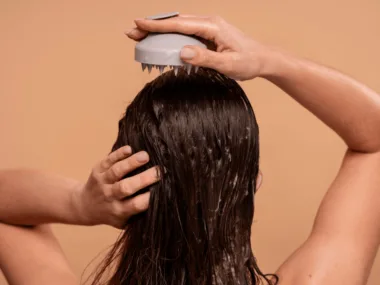
- Scalp Massage: Try a 5-minute scalp massage before bed to stimulate blood flow. Scalp massages can enhance hair growth by increasing oxygen supply to hair follicles.
Responsive Table: Daily and Weekly Hair Care Routine
| Routine Step | Frequency | Benefits for Hair Growth |
|---|---|---|
| Gentle Cleansing | 2-3 times per week | Keeps scalp clean and supports healthy hair follicles |
| Conditioning | Every wash | Reduces breakage, locks in moisture |
| Deep Conditioning Mask | Weekly | Strengthens and hydrates hair, improves elasticity |
| Hair Oils | Weekly or as needed | Stimulates scalp, adds moisture, promotes growth |
| Avoid Heat Damage | As needed | Protects hair from breakage, preserves strand integrity |
| Scalp Care | Weekly exfoliation, daily massage | Enhances blood flow, removes buildup |
Quick Tips for a Growth-Focused Hair Care Routine
- Avoid Tight Hairstyles: High-tension hairstyles, like tight ponytails, can strain hair follicles, leading to breakage and thinning.
- Use Silk Pillowcases: Silk pillowcases reduce friction on hair, which can prevent breakage and frizz.
- Trim Regularly: Although trimming doesn’t speed up growth, it prevents split ends from traveling up the hair shaft, helping hair stay healthy.
Following a consistent hair care routine for growth can significantly impact how fast and healthy your hair grows. With these steps, you can build a routine that nourishes your hair from root to tip, enhancing its strength and length over time.

Recommended Hair Growth Products and Ingredients
Selecting the right products and ingredients can make a significant difference in your hair growth journey. While many factors affect hair health, using targeted products with proven ingredients can support stronger, thicker hair. Here’s a list of best hair growth products and key ingredients to consider, including popular oils and serums that enhance growth and add shine.
1. Top Hair Growth Oils
Hair oils are known for their nourishing properties and ability to support scalp health, making them a favorite among those seeking natural hair growth tips.
- Castor Oil: Rich in ricinoleic acid, castor oil deeply hydrates and strengthens hair. It’s especially beneficial for those experiencing hair thinning.
- Rosemary Oil: Known for stimulating blood circulation, rosemary oil for hair growth is a natural remedy that helps improve follicle health. How to use rosemary oil for hair growth? Mix a few drops with a carrier oil, massage it into the scalp, and leave it on for at least 30 minutes before rinsing.
- Argan Oil: Lightweight and rich in antioxidants, argan oil provides moisture and helps control frizz. It’s ideal for protecting and strengthening hair without weighing it down.
2. Essential Serums for Hair Growth
Hair growth serums deliver concentrated active ingredients to the scalp, targeting hair follicles and promoting growth. They’re effective for those wanting to address thinning or boost overall hair density.
- Minoxidil (Rogaine): Minoxidil is an FDA-approved ingredient proven to help regrow hair. It’s available as an over-the-counter serum and is especially effective for treating thinning on the crown and hairline.
- Biotin Serums: Biotin, or vitamin B7, supports keratin production, which strengthens hair. Biotin serums are a popular choice for promoting thicker, fuller hair over time.
- Peptide-Based Serums: Peptides stimulate collagen production around hair follicles, improving strength and resilience. They’re particularly useful for those with fine or weak hair.
3. Shampoos and Conditioners for Growth and Thickness
Choosing the right shampoo and conditioner is essential for keeping your scalp clean and your hair strong. Look for products specifically formulated to support hair growth and thickness.
- Which Shampoo is Best for Hair Growth and Thickness? Look for shampoos with ingredients like caffeine, biotin, and saw palmetto. These ingredients help invigorate the scalp and prevent thinning.
- Conditioners with Keratin: Conditioners that contain keratin or amino acids help reinforce the hair shaft, reducing breakage and improving elasticity.
4. DIY-Friendly Ingredients for Hair Growth
If you prefer a more natural approach, certain DIY ingredients are ideal for natural hair growth solutions. These ingredients are accessible and offer benefits for hair health and growth.
- Aloe Vera: Aloe vera gel soothes the scalp, reduces inflammation, and promotes a healthy environment for hair to grow.
- Coconut Oil: Known for its penetrating properties, coconut oil provides deep hydration and is particularly useful for preventing protein loss in the hair shaft.
- Honey: Honey acts as a humectant, drawing moisture to the scalp and hair. It can be added to DIY hair masks to enhance hydration and shine.
Responsive Table: Recommended Products and Ingredients for Hair Growth
| Product/Ingredient | Benefits for Hair Growth | Best For |
|---|---|---|
| Castor Oil | Strengthens hair, prevents thinning | Dry, brittle, or thinning hair |
| Rosemary Oil | Improves blood circulation to scalp | Stimulating growth in all hair types |
| Argan Oil | Moisturizes and smooths | Lightweight moisture for all hair types |
| Minoxidil (Rogaine) | FDA-approved, treats thinning hair | Targeted growth for crown and hairline |
| Biotin Serums | Boosts keratin production | Fine or thinning hair |
| Peptide-Based Serums | Strengthens and thickens hair shaft | Weak, fine, or aging hair |
| Caffeine Shampoo | Invigorates scalp, prevents shedding | Thinning or limp hair |
| Aloe Vera | Soothes scalp, reduces inflammation | Sensitive or irritated scalp |
| Coconut Oil | Hydrates, reduces protein loss | Deep conditioning for dry or damaged hair |
| Honey | Moisturizes, adds shine | Hydration for all hair types |
How to Choose the Right Hair Growth Products for Your Needs
When selecting hair growth products, consider your hair type, specific growth goals, and any issues you’re experiencing, like dryness or thinning. Here’s a quick guide to help you choose:
- For Thinning or Weak Hair: Look for products containing biotin, peptides, and caffeine to strengthen and stimulate follicles.
- For Dry or Damaged Hair: Choose oils like argan or coconut oil, which add moisture and prevent breakage.
- For Natural and DIY Enthusiasts: Aloe vera, honey, and essential oils are great for DIY hair masks that promote natural hair growth.
Using a combination of these hair growth products and DIY ingredients can significantly improve the health and thickness of your hair. Remember that consistency is key, so incorporate these products into your regular routine for the best results.

Proven Natural Remedies and DIY Hair Masks
For those interested in natural hair growth tips, at-home remedies and DIY masks offer effective, affordable solutions. Using simple ingredients like aloe vera, coconut oil, and honey, these masks can improve scalp health, strengthen hair, and add moisture—all essential for promoting growth.
1. Egg and Yogurt Mask: Protein Boost for Stronger Hair
Eggs are rich in protein and biotin, essential nutrients that support hair growth. Combined with yogurt, which has moisturizing properties, this mask nourishes the scalp and strengthens hair from root to tip.
- Ingredients:
- 1 egg
- 2 tablespoons plain yogurt
- Instructions:
- Beat the egg and mix it with yogurt until smooth.
- Apply the mixture to your scalp and hair, focusing on the ends.
- Leave on for 20-30 minutes, then rinse thoroughly with cool water.
- Benefits: This mask provides protein for stronger hair, making it less prone to breakage.
2. Aloe Vera and Coconut Oil Mask: Scalp Hydration and Soothing
Aloe vera and coconut oil are two powerhouse ingredients for natural hair growth. Aloe vera soothes the scalp, reducing inflammation, while coconut oil hydrates and strengthens hair.
- Ingredients:
- 2 tablespoons aloe vera gel
- 1 tablespoon coconut oil
- Instructions:
- Mix aloe vera gel and coconut oil in a small bowl.
- Massage into your scalp and distribute through your hair.
- Leave on for 30 minutes, then rinse with a mild shampoo.
- Benefits: This mask hydrates the scalp, creating an ideal environment for hair growth and reducing dryness.
3. Avocado and Honey Mask: Deep Conditioning and Shine
Avocado is packed with vitamins, fatty acids, and antioxidants that nourish hair, while honey acts as a natural humectant, drawing moisture to the hair. Together, these ingredients make an excellent mask for dry or frizzy hair.
- Ingredients:
- ½ ripe avocado
- 1 tablespoon honey
- Instructions:
- Mash the avocado until smooth and mix with honey.
- Apply the mixture evenly to damp hair.
- Leave on for 20 minutes, then rinse with lukewarm water.
- Benefits: This mask deeply conditions, adding shine and reducing frizz, which helps maintain healthy, strong hair.
4. Rosemary Oil and Olive Oil Scalp Treatment
Rosemary oil is known for stimulating hair growth by improving blood circulation to the scalp. Olive oil adds moisture, making it an ideal treatment for those looking to support hair thickness and length.
- Ingredients:
- 5 drops rosemary essential oil
- 2 tablespoons olive oil
- Instructions:
- Mix rosemary oil with olive oil and warm it slightly.
- Massage the oil blend into your scalp for 5-10 minutes.
- Leave on for at least 30 minutes before washing out with shampoo.
- Benefits: This treatment promotes circulation, strengthens hair follicles, and helps prevent thinning.
5. Banana and Almond Oil Mask: Moisture and Elasticity
Bananas are rich in silica, which helps make hair more elastic and resilient. Almond oil provides vitamins A, B, and E, making this mask perfect for damaged or frizzy hair.
- Ingredients:
- 1 ripe banana
- 1 tablespoon almond oil
- Instructions:
- Mash the banana thoroughly and mix with almond oil.
- Apply to damp hair, focusing on the ends.
- Leave on for 20 minutes, then rinse with cool water.
- Benefits: This mask adds moisture and elasticity, reducing breakage and supporting healthy growth.
Responsive Table: DIY Hair Masks for Hair Growth
| Mask Type | Key Ingredients | Benefits for Hair Growth |
|---|---|---|
| Egg and Yogurt Mask | Egg, yogurt | Strengthens hair, reduces breakage |
| Aloe Vera and Coconut Oil | Aloe vera, coconut oil | Soothes scalp, hydrates hair |
| Avocado and Honey Mask | Avocado, honey | Deep conditioning, adds shine |
| Rosemary and Olive Oil | Rosemary oil, olive oil | Stimulates scalp circulation, supports hair thickness |
| Banana and Almond Oil Mask | Banana, almond oil | Adds elasticity, reduces frizz |
How to Choose the Right DIY Mask for Your Hair Type
Choosing a DIY mask that suits your hair type can maximize the benefits for natural hair growth.
- For Fine or Thinning Hair: Try the rosemary oil and olive oil scalp treatment to stimulate growth.
- For Dry or Damaged Hair: The avocado and honey mask adds intense hydration and shine.
- For Curly or Frizzy Hair: The banana and almond oil mask adds moisture and elasticity, reducing frizz and promoting growth.
Incorporating these DIY hair masks into your routine can complement other hair growth tips and help you achieve healthier, stronger hair. Regular treatments with these natural ingredients can lead to visible improvements over time.

Hair Growth Supplements and Vitamins: Do They Work?
Alongside a balanced diet and effective hair care routine, hair growth supplements can play a significant role in supporting healthy hair. Key vitamins and minerals contribute to hair strength, thickness, and growth rate. Here’s a look at popular supplements, their benefits, and when they might be worth considering.
1. Biotin (Vitamin B7)
Biotin, a B vitamin, is one of the most popular vitamins for hair growth. It helps stimulate keratin production, which strengthens hair and promotes thickness. Biotin deficiency, although rare, can lead to thinning and brittle hair.
- Dosage: Most hair growth supplements contain biotin, with daily dosages ranging from 1,000 to 5,000 mcg. How much biotin to take daily for hair growth can depend on individual needs; consulting a healthcare provider is always advisable.
- Affiliate Link: Find Biotin Hair Growth Supplements on Amazon
2. Collagen Supplements
Collagen is another popular supplement for hair health, as it provides amino acids necessary for building keratin. Collagen supports hair elasticity and helps prevent breakage.
- Benefits: Taking collagen may improve hair thickness and strength, particularly for those with fine or thinning hair.
- Usage: Collagen supplements are available as powders, capsules, and gummies, making them easy to incorporate into daily routines.
3. Vitamin D
Vitamin D is crucial for healthy hair follicles, as it aids in the creation of new ones. Low levels of vitamin D can lead to hair shedding, which is why it’s included in many hair growth supplements.
- Sources: While supplements are effective, you can also increase vitamin D by getting daily sunlight or eating fatty fish.
- Affiliate Link: Find Vitamin D Hair Growth Supplements on Amazon
4. Iron
Iron deficiency is a common cause of hair loss, especially in women. Iron helps transport oxygen to hair follicles, supporting overall scalp health and encouraging growth.
- Dosage: It’s best to test your iron levels with a healthcare provider before supplementing, as excessive iron can be harmful.
- Best Sources: Iron supplements, lean red meats, and leafy greens can help boost your iron intake.
5. Zinc
Zinc supports the oil glands around hair follicles, helping to balance natural oils and keep the scalp healthy. Zinc also aids in the repair of hair follicles, which can be beneficial for those experiencing hair thinning.
- Dosage: While zinc is available as a standalone supplement, it’s also often included in hair growth supplements.
- Affiliate Link: Find Zinc Hair Growth Supplements on Amazon
Quick Comparison Table: Hair Growth Supplements
| Supplement | Benefits for Hair Growth | Usage Tips |
|---|---|---|
| Biotin | Strengthens hair, promotes thickness | Daily dosage 1,000-5,000 mcg |
| Collagen | Increases elasticity, reduces breakage | Available in powder, capsule, and gummy forms |
| Vitamin D | Supports healthy follicles, reduces shedding | Sunlight, fatty fish, or supplements |
| Iron | Boosts oxygen to follicles, prevents loss | Consult with a doctor before supplementing |
| Zinc | Balances scalp oils, supports follicle health | Often included in hair growth formulations |
Do You Need Hair Growth Supplements?
Adding hair growth supplements to your routine can be effective, especially if you have nutrient deficiencies or specific hair concerns. However, it’s essential to consider your unique needs and consult a healthcare provider before starting any new supplement. Nutrients like biotin, collagen, and vitamin D are particularly useful, but they’re most effective when combined with a balanced diet and a consistent hair care routine.
For convenient options, explore these Hair Growth Supplements on Amazon to find the right fit for your needs.

Lifestyle Changes and Daily Habits That Support Hair Growth
Healthy hair starts with a healthy lifestyle. Daily habits and lifestyle changes can significantly impact hair growth, from managing stress to getting quality sleep. Here are simple yet effective adjustments to your routine that can support and enhance natural hair growth.
1. Manage Stress Levels
High stress levels can contribute to hair shedding and thinning by triggering the telogen (resting) phase of the hair growth cycle. Chronic stress increases cortisol, a hormone that can lead to hair loss if elevated for extended periods.
- Stress-Relief Practices: Engage in relaxation techniques like yoga, meditation, or deep breathing exercises. Even a few minutes of stress management each day can support a healthy scalp and promote hair growth.
2. Prioritize Quality Sleep
During sleep, your body repairs and regenerates, including your hair follicles. Poor sleep quality or lack of sleep can disrupt this repair process, leading to weak, brittle hair.
- Sleep Tips for Hair Health: Aim for 7-9 hours of quality sleep per night. Consider creating a relaxing bedtime routine by avoiding screens and winding down with a warm shower or calming activity.
- Silk Pillowcases: Silk pillowcases reduce friction on hair, minimizing breakage and helping you maintain healthy strands.
3. Exercise Regularly for Better Circulation
Regular exercise improves blood flow, which enhances oxygen supply to the scalp and supports hair follicle health. Increased circulation strengthens the hair follicles, promoting healthy growth and reducing shedding.
- Exercise Tips: Aim for 30 minutes of moderate activity most days of the week, like brisk walking, cycling, or yoga.
- Scalp Massage Post-Workout: After exercising, massage your scalp for a few minutes. This boosts circulation further and stimulates follicles for natural hair growth.
4. Avoid Smoking and Limit Alcohol Intake
Smoking and excessive alcohol consumption can hinder hair growth by impairing blood flow and depleting essential nutrients. Both habits can lead to weaker hair and increased shedding over time.
- Healthy Alternatives: Replace smoking or drinking habits with healthier choices, like drinking herbal tea or incorporating nutrient-rich foods into your diet.
- Benefits for Hair: Improved blood circulation and nutrient absorption directly benefit hair health, making it stronger and less prone to breakage.
5. Hydrate and Maintain a Balanced Diet
Staying hydrated and eating a diet rich in essential vitamins and minerals is crucial for maintaining healthy hair growth. Water keeps your scalp hydrated, while nutrient-dense foods supply necessary nutrients for hair health.
- Water Intake: Aim for at least eight glasses of water a day. Proper hydration ensures your scalp stays moisturized, preventing dryness that can lead to breakage.
- Balanced Diet: Incorporate foods rich in protein, iron, zinc, and vitamins C, D, and E. These nutrients are essential for strengthening hair and encouraging growth.
Responsive Table: Daily Habits for Supporting Hair Growth
| Habit | How It Supports Hair Growth | Quick Tips |
|---|---|---|
| Manage Stress | Prevents hair shedding due to cortisol | Practice yoga, meditation, or deep breathing |
| Quality Sleep | Repairs and regenerates hair follicles | Aim for 7-9 hours, use silk pillowcases |
| Regular Exercise | Boosts circulation to scalp, strengthens roots | Exercise 30 minutes daily, massage scalp afterward |
| Avoid Smoking/Limit Alcohol | Improves blood flow, reduces nutrient loss | Opt for herbal tea, nutrient-rich foods |
| Hydrate and Eat Well | Maintains scalp moisture, provides nutrients | Drink 8+ glasses of water, eat a balanced diet |
Simple Lifestyle Tips for Lasting Hair Health
In addition to the above habits, consider making small changes that help preserve and protect your hair:
- Protect Hair from UV Exposure: The sun’s UV rays can damage hair, so wear a hat when outside or use hair products with UV protection.
- Avoid High-Tension Hairstyles: Tight hairstyles like ponytails or braids can strain follicles and cause breakage. Opt for loose styles whenever possible.
- Minimize Chemical Treatments: Limit the use of chemical treatments such as coloring, perming, or relaxing, as these can weaken hair over time.
Implementing these lifestyle changes can greatly enhance the effects of other hair growth tips in this guide. By supporting your hair health from within, you create an environment that encourages natural growth and maintains strong, resilient hair.
Common Mistakes That Hinder Hair Growth
Even with a solid hair care routine, certain habits can unintentionally hinder hair growth and cause damage. Avoiding these common mistakes can help you achieve healthier, stronger hair more effectively. Here’s what to watch out for.
1. Over-Washing Your Hair
While it’s essential to keep your scalp clean, washing your hair too frequently can strip away natural oils, leaving hair dry and prone to breakage. This can slow down growth and affect overall hair health.
- Tip: Aim to wash your hair 2-3 times per week, depending on your hair type and scalp needs. Consider using a gentle, sulfate-free shampoo to cleanse without stripping natural oils.
- Affiliate Link: Find Sulfate-Free Shampoos on Amazon
2. Excessive Heat Styling Without Protection
Frequent use of heat styling tools like blow dryers, straighteners, and curling irons can weaken the hair shaft, making it more prone to breakage. Avoiding heat damage is crucial if you’re working toward hair growth goals.
- Tip: Use heat styling sparingly and apply a heat protectant spray before using any hot tools.
- Affiliate Link: Browse Heat Protectant Sprays on Amazon
3. Skipping Regular Trims
It’s a common misconception that avoiding haircuts will help your hair grow faster. However, skipping trims can lead to split ends that travel up the hair shaft, causing further damage and breakage.
- Tip: Trim your hair every 8-12 weeks to keep ends healthy and prevent split ends from affecting length.
- Affiliate Link: Shop Hair Trimming Scissors on Amazon
4. Using Harsh Chemical Treatments
Chemical treatments like coloring, perming, or relaxing can weaken hair over time, leading to breakage and loss of elasticity. While these treatments offer styling versatility, they can hinder healthy hair growth if used excessively.
- Tip: Limit chemical treatments, or opt for gentle, natural alternatives whenever possible.
- Affiliate Link: Explore Gentle Hair Color Options on Amazon
5. Neglecting Scalp Health
Your scalp is the foundation for hair growth. Neglecting scalp care can lead to issues like dandruff, clogged follicles, and poor circulation, all of which can slow down growth.
- Tip: Incorporate a scalp scrub or gentle exfoliating shampoo into your routine once a week to remove buildup and support a healthy scalp.
- Affiliate Link: Find Scalp Scrubs on Amazon
Responsive Table: Hair Growth Mistakes to Avoid
| Mistake | Impact on Hair Growth | Quick Fix |
|---|---|---|
| Over-Washing | Strips natural oils, causes dryness | Wash 2-3 times per week, use sulfate-free shampoo |
| Excessive Heat Styling | Weakens hair shaft, leads to breakage | Use a heat protectant, limit hot tools usage |
| Skipping Regular Trims | Allows split ends to travel up the shaft | Trim every 8-12 weeks to keep ends healthy |
| Harsh Chemical Treatments | Weakens hair, reduces elasticity | Limit chemical use, choose gentler options |
| Neglecting Scalp Health | Clogs follicles, reduces circulation | Use a scalp scrub weekly to remove buildup |
Avoiding these common mistakes can make a noticeable difference in your hair growth journey. By addressing these habits, you can create a healthier environment for your hair to grow longer and stronger.
Nutrient-Rich Diet and Supplements for Hair Growth
A balanced, nutrient-dense diet is fundamental to hair growth. Hair cells need a steady supply of vitamins and minerals to produce strong, healthy strands, and deficiencies can slow down growth or lead to hair thinning. Below are the most critical nutrients and supplements that support hair growth, along with some easy ways to incorporate them into your diet.
Essential Nutrients for Hair Growth
- Protein: Hair is made up of keratin, a type of protein. Without enough protein, hair can become brittle and weak, slowing down the growth process.
- Best Sources: Eggs, chicken, fish, tofu, beans, and lentils.
- Biotin (Vitamin B7): Biotin plays a vital role in hair strength by supporting keratin production. It’s often used in hair growth supplements for those experiencing hair thinning or breakage.
- Best Sources: Whole grains, eggs, nuts, and leafy greens.
- Supplement: Biotin Supplements on Amazon
- Iron: Iron is essential for transporting oxygen to the hair follicles. Iron deficiency, particularly common in women, can lead to hair loss and slow hair growth.
- Best Sources: Red meat, spinach, legumes, and pumpkin seeds.
- Supplement: Iron supplements are available, but consult a doctor first, as too much iron can be harmful.
- Vitamin D: Low levels of vitamin D have been linked to hair loss, as this vitamin is crucial for healthy hair follicles.
- Best Sources: Sun exposure, fatty fish, fortified dairy, and egg yolks.
- Supplement: Vitamin D Supplements on Amazon
- Zinc: Zinc helps repair hair tissues, supports oil glands around hair follicles, and keeps the scalp healthy.
- Best Sources: Oysters, beef, pumpkin seeds, and chickpeas.
- Supplement: Zinc Supplements on Amazon
- Vitamin C: Vitamin C is necessary for collagen production, which helps strengthen the hair shaft. It also aids in iron absorption, which is vital for hair health.
- Best Sources: Citrus fruits, strawberries, bell peppers, and broccoli.
Hair Growth Supplements
While you can get many of these nutrients from a balanced diet, hair growth supplements are an effective way to ensure you’re meeting your nutritional needs, especially if you have specific deficiencies or dietary restrictions. Here are some popular supplements:
- Biotin: As mentioned, biotin is a go-to for supporting keratin production. Many people take it to improve hair thickness and reduce breakage.
- Affiliate Link: Biotin Hair Growth Supplements on Amazon
- Collagen: Collagen provides amino acids that are necessary for keratin production and can also help improve hair elasticity and strength.
- Affiliate Link: Collagen Supplements on Amazon
- Multivitamins: A balanced multivitamin that includes key nutrients like vitamins A, B, C, D, and E, along with minerals like zinc and iron, can help fill in any nutritional gaps.
- Affiliate Link: Multivitamins for Hair Growth on Amazon
- Omega-3 Fatty Acids: Found in fish oil, omega-3s reduce inflammation, supporting scalp health and stimulating hair follicles.
- Affiliate Link: Omega-3 Supplements on Amazon
How to Incorporate These Nutrients into Your Daily Diet
- Protein-Rich Breakfast: Start your day with eggs or Greek yogurt, which provide protein and biotin.
- Snack on Nuts: Almonds and walnuts are rich in biotin and zinc, making them perfect for a hair-boosting snack.
- Iron and Vitamin C Combo: Pair iron-rich foods like spinach or lentils with a source of vitamin C (such as bell peppers or citrus fruits) to enhance absorption.
- Daily Supplement: If diet alone isn’t meeting your hair growth needs, consider adding a multivitamin or biotin supplement to your routine. Explore Hair Growth Supplements on Amazon
Responsive Table: Nutrients and Supplements for Hair Growth
| Nutrient/Supplement | Role in Hair Growth | Best Sources | Supplement Option |
|---|---|---|---|
| Protein | Builds keratin, strengthens hair | Eggs, chicken, fish, beans | – |
| Biotin | Supports keratin production | Eggs, nuts, leafy greens | Biotin Supplements on Amazon |
| Iron | Provides oxygen to hair follicles | Red meat, spinach, pumpkin seeds | Consult doctor before supplementing |
| Vitamin D | Supports follicle health | Sun exposure, fatty fish | Vitamin D Supplements on Amazon |
| Zinc | Repairs and maintains scalp health | Oysters, beef, chickpeas | Zinc Supplements on Amazon |
| Collagen | Improves elasticity, strengthens shaft | – | Collagen Supplements on Amazon |
| Omega-3 Fatty Acids | Reduces inflammation, supports scalp | Fatty fish, flaxseeds | Omega-3 Supplements on Amazon |
Incorporating these nutrients for hair growth can support your goals effectively, especially when combined with a healthy lifestyle and hair care routine. Remember, a balanced diet rich in these vitamins and minerals will lay the foundation for healthy, resilient hair.
Scalp Care for Hair Growth
A healthy scalp is the foundation for effective hair growth. Taking care of your scalp ensures that hair follicles remain unclogged, well-nourished, and ready to produce strong hair. Here are essential scalp care tips to boost growth and overall hair health.
1. Regular Scalp Exfoliation
Exfoliating the scalp removes dead skin cells, product buildup, and excess oils that can clog hair follicles. This practice allows new hair to grow without obstruction and supports a healthy scalp environment.
- How to Exfoliate: Use a gentle scalp scrub or an exfoliating shampoo once a week to cleanse thoroughly.
- Affiliate Link: Find Scalp Exfoliators on Amazon
2. Scalp Massages for Improved Circulation
Scalp massages stimulate blood flow, bringing essential nutrients and oxygen to the hair follicles. This can encourage natural hair growth by keeping follicles active and promoting hair health.
- How to Massage: Spend 5-10 minutes each day massaging your scalp with your fingertips. For added benefits, combine it with a few drops of rosemary or castor oil.
- Affiliate Link: Shop Hair Growth Oils on Amazon
3. Keep the Scalp Moisturized
A dry, flaky scalp can disrupt the hair growth process, so it’s important to keep it moisturized. Regularly applying a lightweight, nourishing oil can help balance moisture levels without causing buildup.
- Best Oils: Look for oils that are light and non-comedogenic, such as jojoba or argan oil. These oils hydrate the scalp and soothe any dryness or itchiness.
- Affiliate Link: Find Hydrating Hair Oils on Amazon
4. Avoid Harsh Chemicals and Over-Washing
Frequent use of harsh shampoos or chemical treatments can strip the scalp of its natural oils, leading to dryness and irritation. Opt for gentle, sulfate-free shampoos and avoid washing your hair every day.
- Tip: Wash 2-3 times per week with a mild shampoo and condition thoroughly after each wash.
- Affiliate Link: Explore Sulfate-Free Shampoos on Amazon
Responsive Table: Scalp Care Tips for Hair Growth
| Scalp Care Step | Benefit for Hair Growth | Product Recommendation |
|---|---|---|
| Exfoliation | Removes buildup, keeps follicles clear | Scalp Exfoliators on Amazon |
| Scalp Massage | Improves blood circulation | Hair Growth Oils on Amazon |
| Moisturizing with Light Oils | Prevents dryness and itchiness | Hydrating Hair Oils on Amazon |
| Avoiding Harsh Chemicals | Maintains scalp health, reduces irritation | Sulfate-Free Shampoos on Amazon |
Taking care of your scalp lays the groundwork for healthy hair growth. A consistent scalp care routine can make a noticeable difference in the strength and resilience of your hair.
Seasonal Hair Care Tips for Year-Round Growth
As the seasons change, so do the environmental conditions that affect your hair. Adapting your routine with seasonal hair care tips can help maintain hair health and growth throughout the year. Here’s how to care for your hair in different seasons.
1. Winter: Combatting Dryness and Static
Winter brings dry air that can strip moisture from your hair and scalp, leading to dryness and static. During this season, focus on deep conditioning and protecting your hair from harsh cold weather.
- Winter Tips:
- Use a rich conditioner to lock in moisture after each wash.
- Wear a hat or scarf to protect your hair from the cold and prevent static.
- Consider adding a weekly hair mask for extra hydration.
- Affiliate Link: Explore Deep Conditioners on Amazon
2. Spring: Refresh and Replenish
Spring is an ideal time to reset your routine and address any dryness or damage left from winter. Focus on gentle exfoliation and lighter products as temperatures begin to rise.
- Spring Tips:
- Use a scalp scrub to remove any winter buildup.
- Switch to a lightweight leave-in conditioner for a fresh, healthy look.
- Affiliate Link: Find Leave-In Conditioners on Amazon
3. Summer: Protect from Sun and Humidity
Summer heat and humidity can lead to frizz, dryness, and even UV damage. Keep hair protected with products that hydrate and shield against sun exposure.
- Summer Tips:
- Apply a UV-protectant spray or leave-in conditioner with SPF before going outdoors.
- Limit heat styling and air-dry whenever possible.
- Rinse hair with cool water to seal cuticles and reduce frizz.
- Affiliate Link: Shop UV-Protectant Hair Products on Amazon
4. Fall: Prepare for Cooler Weather
As fall approaches, focus on hydration and repairing any sun damage from summer. This season is an excellent time to introduce nourishing oils and treatments into your routine to prepare for winter.
- Fall Tips:
- Use a hydrating hair oil to moisturize and protect ends.
- Deep condition every 1-2 weeks to strengthen hair and prevent dryness.
- Affiliate Link: Browse Hydrating Hair Oils on Amazon
Responsive Table: Seasonal Hair Care Tips for Hair Growth
| Season | Main Hair Concerns | Recommended Products |
|---|---|---|
| Winter | Dryness, static | Deep Conditioners on Amazon |
| Spring | Build-up, preparation for growth | Leave-In Conditioners on Amazon |
| Summer | UV damage, frizz, humidity | UV-Protectant Hair Products on Amazon |
| Fall | Hydration, repair | Hydrating Hair Oils on Amazon |
By adjusting your routine with these seasonal hair care tips, you can keep your hair healthy, strong, and prepared for whatever the weather brings. This approach will enhance your year-round hair growth efforts and ensure your hair looks and feels its best every season.
Growth is one piece of it. These go deeper on the specific problems readers ask about most.
- Best anti-frizz hair products
- Best dry shampoos
- Best hair masks for damaged hair
- DIY hair masks that actually work
- Best natural oils for hair growth
- Herbal hair growth oils
- Top hair oils for growth
- Scalp massagers for hair growth
- Laser hair growth therapy tools
- Ingredient-targeted growth programs
- Hair density optimisation
- Clinical hair-fall control regimens
- How to repair damaged hair
- Heat damage recovery
- Best heat protectant sprays
- The complete healthy hair guide
Frequently Asked Questions (FAQ)
1. How fast does hair grow on average?
On average, hair grows about half an inch per month, or roughly 6 inches per year. Factors like genetics, age, and lifestyle can influence this rate. Following hair growth tips and maintaining a healthy diet may help support your hair’s natural growth potential.
2. What are the best tips for hair growth?
The best tips for hair growth include maintaining a balanced diet rich in protein and vitamins, avoiding heat styling, using nourishing hair growth oils like rosemary oil, and keeping your scalp healthy. Additionally, adding a biotin or collagen supplement can support stronger hair. Find Hair Growth Supplements on Amazon
3. Which vitamins are essential for hair growth?
Essential vitamins for hair growth include biotin (Vitamin B7), Vitamin D, Vitamin C, and minerals like iron and zinc. These nutrients strengthen hair, support follicle health, and improve overall growth. Explore Multivitamins for Hair Growth on Amazon
4. Does trimming hair make it grow faster?
Trimming doesn’t directly speed up hair growth, but it helps maintain hair health by preventing split ends from traveling up the shaft. Regular trims reduce breakage, making it easier to retain length.
5. Can biotin supplements really help with hair growth?
Yes, biotin supports keratin production, which can strengthen hair and reduce breakage. Many people find biotin supplements helpful for increasing hair thickness and promoting growth. However, consult a healthcare provider before starting any supplement. Check Biotin Supplements on Amazon
6. How often should I apply hair growth oils?
For best results, apply hair growth oils like castor or rosemary oil 1-2 times a week. Massage the oil into your scalp, leave it on for at least 30 minutes, then rinse with a gentle shampoo. Regular use can stimulate the scalp and nourish hair. Shop Hair Growth Oils on Amazon
7. Is it possible to stop facial hair growth in females naturally?
Yes, there are natural methods for slowing facial hair growth in females, such as applying turmeric paste, using spearmint tea, and managing hormonal balance through a healthy diet. However, consult a healthcare provider for personalized advice.
Conclusion
To have healthy, strong, and resilient hair, use a three-part approach. It should include a nutrient-rich diet, effective hair growth products, and consistent care. This guide has shared practical hair growth tips.
It covered the best nutrients, like biotin and iron. It also discussed key habits. They are to reduce stress, keep a healthy scalp, and avoid mistakes.
A balanced diet filled with vitamins and minerals is the foundation of hair health. Hair growth supplements, like biotin, collagen, or omega-3s, can help. They can fill nutritional gaps and provide a boost.
Explore Hair Growth Supplements on Amazon
There are many effective options to consider. You can try DIY masks or hair growth oils like rosemary and castor oil. Consistency is key. Use these tips daily. They will promote growth and make your hair healthier and longer. Enjoy the journey. To need hair extensions, click here.
Thank you for reading! You can revisit this guide anytime as you grow your hair. Also, check our recommended products to support your progress.

 Adhorika Khan