 Adhorika Khan
Healthy hair is manufactured in three places: a clean, calm scalp (where growth happens), a moisture-and-protein balance along the lengths (where shine lives), and the daily habits — heat, friction, handling — that either preserve or shred the ends. Every product on the haircare shelf serves one of those three; every hair complaint traces back to one of them.
👉 New to this? Start with our ultimate guide to hair growth — it covers the fundamentals the rest of these build on.
This is AdoreVogue’s complete haircare guide — the master reference connecting every scalp, washing, styling, and treatment tutorial in our library into one system you can actually run.
Key Takeaways
- The scalp is skin — it grows the hair, and most “hair problems” (grease, flakes, stalled growth) are scalp problems wearing a wig.
- Wash frequency is personal physics — oil production × hair texture — not a virtue contest; gentle daily beats harsh weekly.
- Hair past the scalp is dead fiber: you cannot heal it, only protect, coat, and eventually trim it — which makes prevention the whole game.
- Heat is the biggest controllable ager of hair; protectant plus lower temperatures preserves more length than any repair mask.
- Conditioner on lengths only, oils from the ears down, and a weekly deep-conditioning habit cover most moisture needs.
- Sudden shedding, patches, or scalp pain are medical signals — dermatologists treat hair too, and early visits protect the most.

Start at the Scalp (Everything Else Is Downstream)
Hair grows from follicles fed by the scalp’s blood supply, lubricated by its oil glands, and colonized by its microbes. When that ecosystem runs calm and clean, hair emerges strong; when it runs greasy, flaky, or inflamed, every strand pays.
The scalp’s three common complaints, each with its own decoder: oil arriving too fast (the rebound cycle and its reset live in our greasy hair guide), flakes (dandruff and dry scalp look identical and want opposite treatments — the diagnostic is in our flake decoder), and itch or buildup (usually product residue or the yeast behind dandruff; a weekly clarifying wash handles the first).
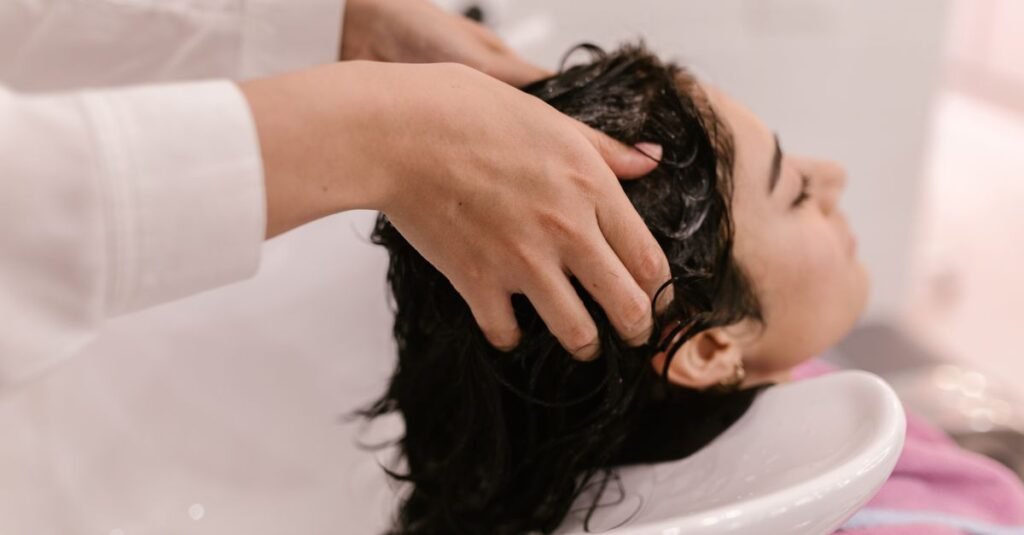
And the pleasant frontier: daily scalp massage has modest-but-real evidence for thickness, costs nothing, and doubles as the routine’s most enjoyable minute.
Washing: The Question Everyone Argues About
How Often, Honestly
The full decision tree lives in how often to wash your hair, but the compressed version: fine or oily hair tolerates (often needs) frequent gentle washing; thick, curly, and coily textures stretch days longer because oil travels the bends slowly; and NO scalp “learns” to produce less oil from neglect — the training myth has no evidence.
The two-shampoo system serves nearly everyone: a gentle daily-driver plus one weekly clarifying wash for buildup. Harsh shampoo every day is how the grease cycle starts.
Technique Most People Skip
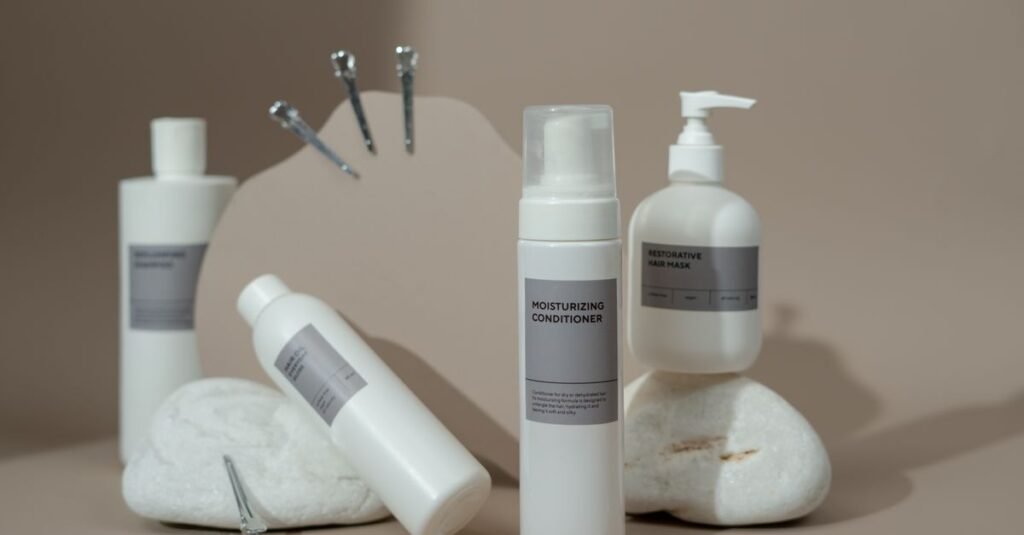
Shampoo is a SCALP product: a full minute of fingertip-pad massage at the roots, then let the rinse-down wash the lengths. Conditioner is a LENGTHS product: mid-shaft to ends, never the scalp, rinsed cool-ish. Rinse longer than feels necessary — residue reads as grease by evening.
Water quality footnote: hard-water buildup dulls hair in most of the world; a chelating wash monthly (or a filter) is the invisible upgrade nobody markets loudly.
Moisture, Protein, and the Dead-Fiber Truth
Hair past the follicle is keratin fiber without repair machinery — “repair” products fill and coat convincingly, but nothing heals a split; scissors retire it. That truth sets the strategy: hydrate and coat the fiber you have, prevent damage to the fiber you are growing, and trim the history you cannot fix (the schedule and self-check live in our split ends guide).
The moisture toolkit, in escalating richness: leave-in conditioner (daily, fine-hair-safe), weekly deep-conditioning masks (winter’s non-negotiable), and oils — applied from the ears down, dosage teaspoon-scale, with the porosity matching chart in our hair slugging guide and the picks in our oil roundup.
Protein deserves its caution flag: damaged, high-porosity hair loves an occasional protein treatment; healthy hair over-proteined turns straw-brittle. If hair feels gummy when wet, think protein; if it feels crunchy when dry, think moisture — the two-word diagnostic that saves a shelf of guessing.
Board-certified dermatologist Dr. Dray’s scalp-and-hair overview above is this pillar’s perfect companion — the medical half of everything on this page.
Heat, Styling, and the Damage Budget
Think of hair as having a damage budget: every blow-dry, iron pass, tight elastic, and rough towel spends from it, and the ends — the oldest fiber — run out first.
The budget-stretching rules: heat protectant before EVERY hot tool (the science and technique are in our heat protectant guide); temperatures under 350°F for fine hair and under 400°F for coarse; the dryer’s nozzle pointed down the strand per our blow-dry method; and heatless alternatives (overnight braids, rollers, the robe-belt curl) for the days between.
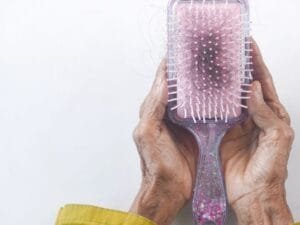
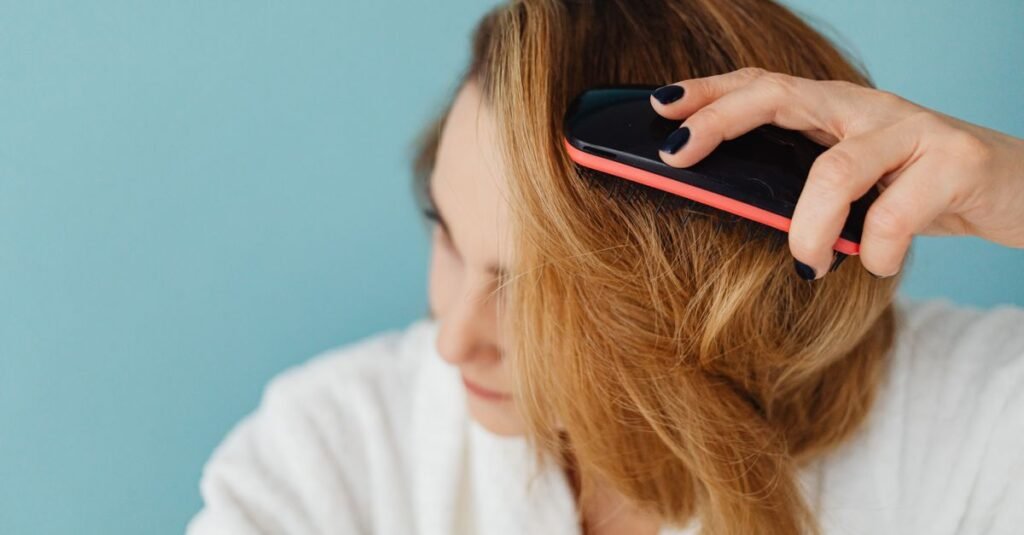
Friction spends the budget quietly: microfiber or cotton-shirt towel blotting instead of rubbing, silk pillowcases, snag-free elastics, and the right brush — chosen once via our hairbrush guide and kept clean via the cleaning method, because a dirty brush re-oils every stroke.
Seasonal riders: winter’s static halo has its own grounded fix-list, and the full cold-months protocol is in winter hair care.
The Treatment Aisle, Honestly Ranked
What earns its shelf space: leave-in conditioners (the highest value-per-dollar in haircare), deep masks used weekly, heat protectant, a clarifying shampoo, and — for shine specifically — the salon gloss you can now do at home via our glossing guide.
What earns skepticism: growth serums promising follicle miracles (the evidence-bearing options are minoxidil and time), “repair” claims that outrun the dead-fiber truth, and trend treatments — though two folk favorites got fair hearings in our honest checks: rosemary oil (modest 2015-study evidence, worth a patient trial) and rice water (starch coating, real shine, growth myth retired).
The dry shampoo footnote: legitimate as prevention applied the night before; illegitimate as a fourth consecutive day of archaeology.
Texture Is the Operating System
Every rule above scales by texture. Fine and straight: lightweight everything, frequent gentle washes, volume at the roots, oils only at the tips. Wavy: the in-between that benefits most from technique — scrunched products, diffused drying. Curly: moisture-first routines, minimal shampooing of lengths, defined via the curly-method basics in our curly hair guide. Coily: maximum moisture retention, protective styles worn loose enough to spare the hairline, and oil sealing as a load-bearing step rather than a garnish.
Color-treated and chemically processed hair of every texture runs the same rules at higher stakes: sulfate-mild washing, UV and heat protection, and protein-moisture balance checked monthly.
When Hair Is a Symptom (The Medical Lane)
See a professional rather than a product aisle when: shedding suddenly doubles (postpartum, illness, and stress shedding usually resolve, but deserve confirmation), patches appear, the part visibly widens, the scalp hurts, flakes resist a month of proper medicated shampoo, or breakage concentrates where tension sits (braids, buns, extensions — traction alopecia is preventable early and permanent late).
Dermatologists treat hair and scalp; early visits protect the most follicles. Iron, thyroid, and vitamin D status are the classic blood-test trio behind stubborn shedding. This pillar is general information, not medical advice — persistent hair change is a medical conversation first and a product conversation second.
The Routine, Assembled (Three Tiers)
The minimalist (10 minutes/week of thought): gentle shampoo at your natural frequency, conditioner on lengths, leave-in after washes, heat protectant when styling, trim quarterly.
The standard: add the weekly deep mask, the weekly clarifying wash, a real brush kept clean, silk pillowcase, and the seasonal adjustments (humidifier winters, UV-hat summers).
The enthusiast: add scalp massage dailies, monthly gloss, porosity-matched oils, protein treatments on schedule, and the honest-check trend experiments — run one at a time with photos, exactly as our trials prescribe.
Every tier works. Consistency at tier one outperforms enthusiasm that visits tier three monthly.
Wash Day, Fully Choreographed (The Complete Walkthrough)
The whole system above, run once in real time. Pre-wash (optional but transformative for dry and curly textures): oil or conditioner on the lengths twenty minutes before the shower — the slugging guide’s porosity rules decide the oil.
In-shower: soak hair genuinely wet (a minute, not a splash), shampoo the scalp with fingertip pads for a full sixty seconds, rinse past the point of certainty, then condition mid-length to ends — and here is the underused trick — detangle NOW, wide-tooth comb through conditioner-slick hair, ends upward. Cool-ish final rinse.
Post-shower: blot with microfiber or a cotton shirt (rubbing is friction’s favorite moment), leave-in on damp lengths, heat protectant if tools are coming, and either the down-the-strand blow-dry or the air-dry products your texture prefers. Total added time over careless washing: perhaps six minutes. Total difference by month’s end: visible in photographs.
Frequency of the full ceremony scales by texture — the fine-haired run a compressed version often; the coily run the complete rite weekly and guard it like an appointment.
What Actually Grows Hair (The Section Marketing Fears)
Growth happens at the follicle on a hormone-and-nutrition budget, which sorts every “growth” purchase instantly. What moves the needle: adequate protein and calories (crash diets shed hair four months later — the delay hides the cause), iron, vitamin D, and thyroid status checked when shedding persists, minoxidil (the actual evidence-bearing topical), and time — the half-inch-per-month clock no serum accelerates.
What protects the needle’s work: everything in the damage-budget chapter — because “longer hair” is usually “ends surviving longer,” a retention story wearing a growth costume.
What decorates the needle: biotin gummies (deficiency is rare; the gummies mostly flavor expensive urine), “growth” shampoos (contact time too short to matter), and the folk tier — rosemary’s modest file honestly excepted. The scalp-massage evidence, small but real, rounds out the honest list. Everything else on the growth shelf is selling the word.
Hair Through the Seasons and Seasons of Life
The calendar edition: winter demands the moisture tier at full strength (masks weekly, humidifier running, static protocol on standby); summer swaps in UV protection (hats outrank sprays), chlorine pre-soaks (wet hair absorbs less pool), and lighter leave-ins; and the two transition months are when trims, glosses, and clarifying resets pay best.
The life edition: postpartum shedding is dramatic, normal, and self-resolving — style around it and let the regrowth fringe announce recovery. Menopause shifts oil production down and texture wiry — richer masks, gentler frequency, and patience with a changing baseline. Gray transitions bring coarser strand architecture: purple toning for brightness, extra conditioning for the new texture, and — a quiet truth — gray hair is undyed hair, often the healthiest fiber on the head once its needs are met.
Every stage runs the same three dials — scalp, moisture, damage — at different settings. The system never changes; only the calibration does.
Frequently Asked Questions
How do I make my hair healthier?
Work the three fronts: a clean, calm scalp (gentle washing at your right frequency), moisture on the lengths (conditioner, leave-ins, weekly masks), and damage prevention (heat protectant, lower temperatures, gentle handling, regular trims). Most transformations are six consistent weeks of exactly that.
How often should I wash my hair?
By oil production and texture: fine or oily hair often daily-to-alternate days with a gentle formula; thick, curly, and coily hair every three to seven days. The harshness of the shampoo matters more than the calendar.
Can damaged hair be repaired?
Coated and reinforced, yes; truly healed, no — hair past the scalp is dead fiber. Masks and bond-builders improve behavior and appearance meaningfully, but split ends only leave by trim, which is why prevention carries this whole page.
Why is my hair falling out more than usual?
Shedding 50–100 hairs daily is normal; sudden doubling usually traces to stress, illness, postpartum shifts, or nutrition — and usually resolves. Patches, scalp pain, or a widening part warrant a dermatologist promptly; early treatment protects the most hair.
Do rosemary oil and rice water actually work?
Rosemary has one modest supportive study against minoxidil and earns a patient, diluted trial; rice water coats and shines but does not grow hair. Both are covered honestly in dedicated guides — enjoy them as low-cost experiments, not medical treatments.
What single change improves hair fastest?
For most people: heat protectant plus a 20–30 degree temperature drop on hot tools — visible within one grow-out. Runner-up: moving conditioner off the scalp and onto the lengths, which fixes grease and dryness in one move.
Troubleshooting by Symptom (The Hair Clinic)
Flat by noon despite washing: conditioner touching the scalp or product overload — lengths-only conditioning, half the styling dose, and a clarifying reset this week.
Frizz that laughs at serums: dehydrated fiber plus rough drying — deep-condition weekly, blot don’t rub, and finish with the cool shot down the strand.
Grease at the roots with straw at the ends: the classic combination scalp — gentle frequent scalp washing AND rich lengths conditioning are not contradictory; they are the prescription.
Breakage at one length: an old damage line growing out (check the ponytail-band zone) — trim to it once rather than chasing it for a year.
Itchy scalp, no flakes: usually residue or hard water — clarify, rinse longer, consider the shower filter before the medicated aisle.
Color fading fast: hot water, sun, and harsh surfactants — the color-treated rules exist precisely for this trio.
The clinic’s recurring verdict: symptoms cluster at the three dials — scalp, moisture, damage — and the fix is almost always turning ONE of them, not shopping all three.
The Product Graveyard (What You Can Stop Buying)
Every haircare shelf carries ghosts. The honorable retirements: separate “hydrating” and “repair” masks (one good deep conditioner does both jobs), split-end “menders” (they glue for a wash; scissors are permanent), shampoo for “growth” (contact time defeats the claim), and the fourth styling product in any routine (the first two were doing the work).
The genuinely load-bearing shelf, for contrast, is five items: gentle shampoo, clarifying shampoo, conditioner, leave-in, heat protectant — plus the mask if your texture drinks. Everything beyond is texture-specific or pleasure, both legitimate, neither mandatory.
And the budget truth that mirrors every other aisle on this site: the proven categories all exist at drugstore prices; salon lines buy fragrance, feel, and loyalty — real pleasures, distinct from results. Spend where your senses vote, save where the science shrugs.
Two Weeks to a Measurably Better Head (The Starter Protocol)
For the reader who wants marching orders, the fortnight that proves the system. Days one and two: the audit — photograph your part and ends in window light, note your true wash frequency, and check the shelf against the five load-bearing items.
Week one: switch to lengths-only conditioning, the sixty-second scalp shampoo, and blot-drying — three zero-cost technique changes that outperform most purchases. Add the leave-in after every wash.
Week two: one clarifying wash, one deep-condition, heat protectant on every styled day with tools one notch cooler, and four minutes of scalp massage on conditioner nights.
Day fourteen: repeat the photos. Most heads show visibly calmer roots, smoother mid-lengths, and shinier ends — from technique alone, before a single new bottle. THEN shop, if anything still asks for it; the audit photos will tell you exactly what.
The One-Line Summaries (This Whole Pillar, Compressed)
Scalp: it is skin — wash it gently at its own frequency, and let the decoders diagnose its complaints. Moisture: condition the lengths, mask weekly in winter, and match oils to porosity. Damage: protectant plus lower heat preserves more length than any repair jar. Growth: protein, blood work when shedding persists, minoxidil for evidence, patience for everything else. Trends: rosemary earned a trial; rice water earned a shrug; both earned honest chapters. And the medical lane is a real lane — sudden change sees a dermatologist before a shopping cart. Six lines; the rest of the page is the proof.
One Last Inheritance Note
Hair habits are largely inherited — most of us wash, brush, and towel exactly as the household we grew up in did, for better and worse. The two-week protocol above is, quietly, an audit of those inheritances: keep the ones that survive contact with the evidence (grandmother’s weekly oiling usually does), retire the ones that never earned their place (the hundred brush strokes, the scalding rinse), and pass the improved set forward. Hair is the rare beauty domain where one generation’s technique correction genuinely compounds into the next — a half-inch a month, for everyone who borrows your shower.
And the very last word belongs to patience: hair answers every improvement on a six-week delay and every injury on a six-month one, which is why the routine you keep — not the product you bought — is always the thing your mirror is reporting. Set the system, trust the calendar, and let the half-inch months do their quiet arithmetic.
Bookmark this page as the cluster’s front door: every symptom, season, and shelf question above opens into its own full guide, and the map only grows.
The Bottom Line
Healthy hair is a system with three dials — scalp, moisture, damage — and every guide in this cluster (all linked above) turns exactly one of them.
Run the tier-one routine consistently, diagnose by symptom with the decoders, escalate to the medical lane when the signals say so, and give every change six weeks before judging it.
Hair grows half an inch a month regardless of trends. The entire craft is making sure what emerges survives — and now you have the manual.

 Adhorika Khan