 Adhorika Khan
Bleach appointments, daily flat irons, tight ponytails, summer sun — your hair has receipts for all of it. And now it’s filing complaints: frizz that won’t settle, ends that snap, strands that stretch like old elastic and split like dry grass.
👉 New to this? Start with our ultimate guide to hair growth — it covers the fundamentals the rest of these build on.
Before you buy anything labeled “miracle repair,” here’s the honest foundation every dermatologist starts from — and the realistic plan that actually gets you back to healthy-looking hair.
Quick answer: Here’s the truth the bottles won’t tell you: hair is not alive, so damage can’t truly be “healed” — only patched, protected, and eventually replaced by new growth. The real repair plan: stop the ongoing damage (heat, harsh chemicals, rough handling), patch what’s there with bond-building treatments, conditioners, and masks, protect it daily (heat protectant, gentle washing, satin at night), trim the unsalvageable ends — and grow out fresh, undamaged hair while guarding it better this time. It works; it just works on hair’s timeline, not marketing’s.
Key Takeaways
- Hair is dead fiber — products can patch and protect it, but only new growth truly replaces damage.
- The plan has four verbs: stop, patch, protect, trim — in that order.
- Bond builders and masks genuinely help — they reinforce and smooth; they don’t resurrect.
- Split ends have exactly one cure — scissors. Everything else is temporary gluing.
- Heat is the biggest ongoing offender — lower temps + protectant beats any after-the-fact treatment.
- Wet hair is fragile hair: gentle washing, blotting, and wide-tooth detangling prevent half of daily damage.
What Is Hair Damage, Actually?
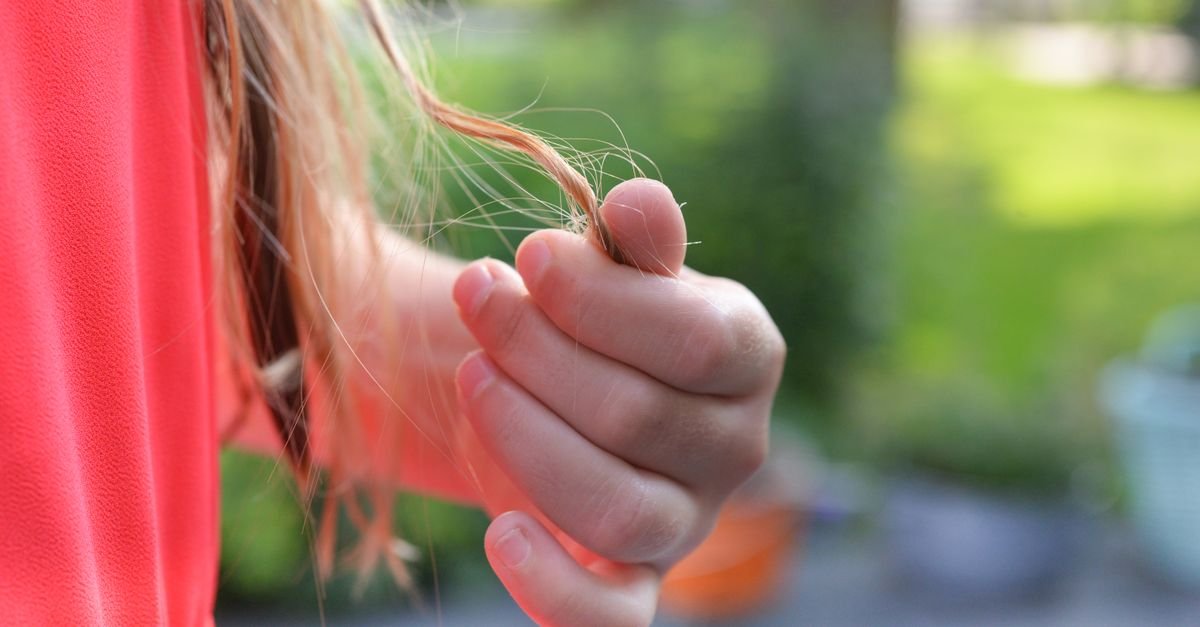
Each strand is a dead protein fiber — keratin — wrapped in overlapping scales called the cuticle, like shingles on a tiny roof. Healthy cuticles lie flat: light bounces off (shine), moisture stays in, strands slide past each other (smoothness).
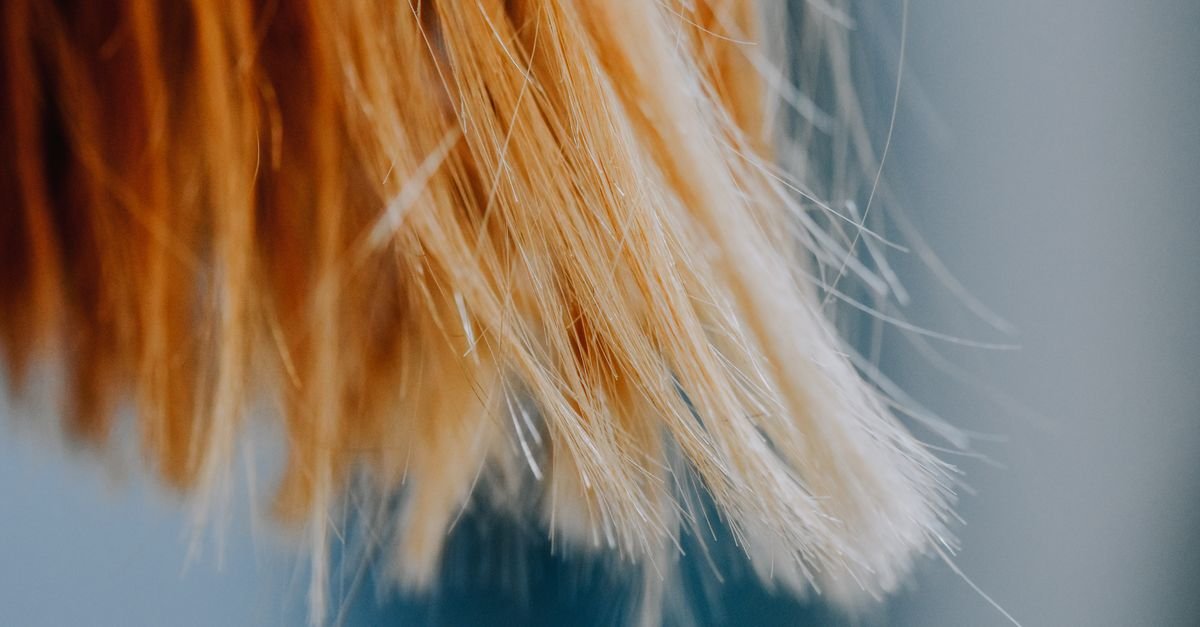
Damage is roof damage: heat, bleach, friction, and UV lift, chip, and strip those shingles. Light scatters (dullness), moisture escapes (dryness, frizz), fibers snag and tangle. Push further and the inner cortex frays — elasticity goes strange, strands stretch and snap, ends split up the shaft.
And because the fiber is dead, it files no repair orders — a chipped shingle stays chipped. That single fact sorts every product promise into honest (“smooths, reinforces, protects”) and hopeful fiction (“heals, repairs, restores from within”). Dr. Dray’s no-nonsense repair video below runs on exactly this foundation.
What’s Damaging Your Hair? (The Audit)
Repair starts with stopping the leak. The usual offenders, ranked:
Heat styling — the everyday heavyweight. High-temperature irons and aggressive blow-drying literally boil moisture out of the fiber and crack cuticles. Daily heat without protectant is roof demolition on a schedule.
Chemical processing — bleach is the strongest thing most hair ever meets: it must break into the cortex to strip pigment. Coloring, perms, and straightening treatments all tax the same structures; stacking them multiplies the bill.
Mechanical abuse — the sneaky accumulator: aggressive brushing (especially wet), terry-towel scrubbing, tight elastics in the same spot, cotton pillowcase friction every night of your life.
Environment — UV bleaches and weakens (hair sunburn is real), chlorine and salt water strip, hard-water minerals coat (covered in our wash-frequency guide).
Harsh washing — stripping shampoos and scalding water finish what the flat iron started.
Circle your top two. The entire plan below works only as well as this step.
Step 1: Stop — The Damage Ceasefire
Nothing patches faster than damage accrues; the ceasefire comes first.
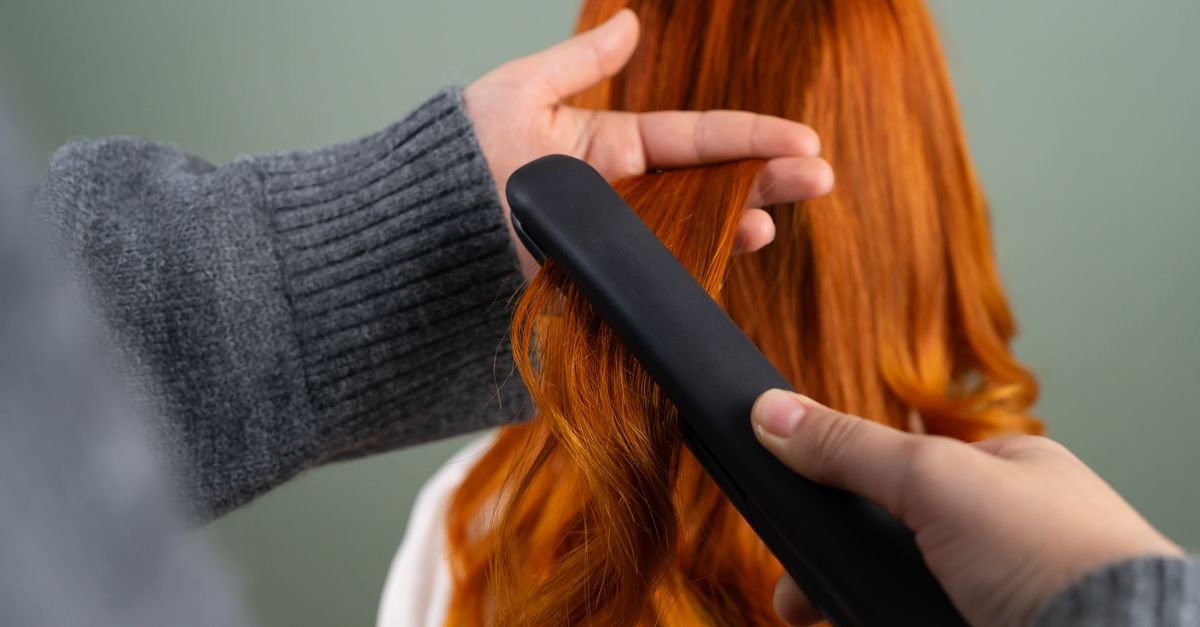
Drop the heat — frequency and temperature. Air-dry to 80% before any blow-drying; keep irons at the lowest effective setting (fine hair needs far less than the max); aim for heat-free days between styled ones. Heatless curls and overnight braids exist for exactly this era.
Press pause on processing. Give bleach and color appointments extra spacing while recovering — and tell your stylist you’re in repair mode; good ones adjust formulas and timing accordingly.
Handle it like the delicate fiber it is: wide-tooth comb on wet hair (ends upward, never roots-down ripping), blot with microfiber instead of scrubbing with terry, looser styles rotated away from the same stress points.
Wash gently: sulfate-free shampoo aimed at the scalp, lukewarm water, conditioner every single wash — the full technique lives in the wash guide.
Step 2: Patch — What Products Can Honestly Do
With the ceasefire holding, the patching cavalry earns its keep:
Bond-building treatments
The most legitimate advance in years: bond builders penetrate and reinforce the hair’s internal linkages — particularly valuable for bleach-damaged hair, used as a pre-wash treatment or in-salon step. They measurably strengthen; they do not time-travel. (The category our bond-repair roundup covers in depth.)
Deep-conditioning masks
Weekly masks flood the fiber with conditioning agents and humectants — smoothing cuticles, restoring slip and flexibility, buying real cosmetic recovery. Our damaged-hair mask picks do this job well; consistency beats intensity.
Leave-ins and oils
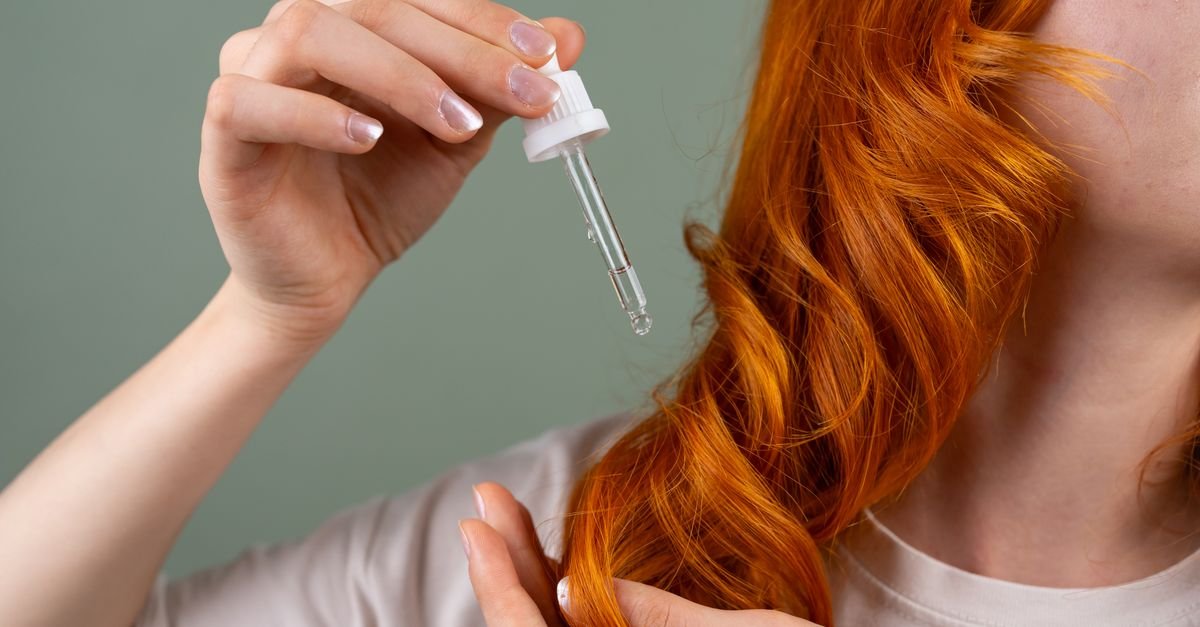
Daily leave-in conditioner adds a protective slip layer; a few drops of oil on the ends (not roots) seals moisture and smooths the most weathered miles of each strand.
Protein — with a caveat
Protein treatments temporarily fill cortex gaps — genuinely useful for processed hair — but overdo them and hair turns brittle-stiff (“protein overload”). Alternate protein with pure moisture, and let your hair’s stretch-test guide you: mushy-stretchy wants protein; straw-snappy wants moisture.
The repair-era kit — honest Amazon searches:
Bond repair treatments →Leave-in conditioners →Silk pillowcases →
Step 3: Protect — The Daily Bodyguard Routine
Patching without protection is bailing a boat with the leak open:
- Heat protectant, every heat session, zero exceptions — the single highest-ROI product in hair care (our protectant picks compare the options).
- Satin or silk at night — pillowcase or bonnet; eight nightly hours of cotton friction is a slow sander on damaged cuticles.
- Loose, varied styling — silk scrunchies over elastic bands, and never sleeping in tight styles.
- UV and pool sense — hats in strong sun; pre-wet and condition hair before chlorine (saturated hair absorbs less pool).
- Weekly rhythm: gentle washes per your frequency, one mask, oil on ends — boring, repeatable, effective. (Frizz-prone recoverers: the anti-frizz lineup slots right in.)
Step 4: Trim — The Only True Cure for Split Ends
The section nobody wants and everybody needs.
A split end is a frayed rope: no product re-twines it, and left alone the split travels upward, turning a centimeter problem into a five-centimeter one. Ends-menders can temporarily glue splits smooth — cosmetic, wash-out patches — but scissors remain the only cure.
The repair-era schedule: a solid initial dusting of the worst damage (braver = faster overall recovery), then small trims every 8–12 weeks — each removing less than you’re growing, so length still gains while damage steadily exits.
The math that makes trims feel better: hair grows ~1.25 cm monthly; trimming 1 cm quarterly nets you growth and ever-healthier ends. Refusing trims doesn’t preserve length — it preserves breakage that costs more length than scissors ever would.
The Realistic Timeline (What to Expect, When)
Week 1–2: cosmetic wins arrive fast — masks and leave-ins smooth cuticles, so shine and manageability visibly improve. This is real, and also not structural.
Month 1–2: the ceasefire compounds — less daily breakage, fewer new splits, bond treatments firming processed lengths. Hair behaves better.
Month 3–6: trims have removed the worst history; the line between old damage and newer, better-treated hair becomes visible (colorists literally see it).
The full arc: genuinely fresh hair replaces old at ~15 cm per year — shoulder-length hair fully renews in roughly two years. The products manage the museum pieces; the growth is the restoration.
Any product promising to skip this timeline is selling the wish, not the fiber.
When Is It More Than Cosmetic Damage?
Some situations outrank the routine:
- Breakage concentrated at the roots or scalp, patchy shedding, or visibly thinning areas — that’s a hair-loss pattern, not fiber damage, and it has medical causes worth finding.
- Sudden texture change without new processing — occasionally thyroid, nutritional, or medication-related; a check-up beats a product haul.
- Scalp symptoms riding along — itching, flaking, soreness (the scalp-yeast family included) — treat the scalp condition first; healthy hair starts at healthy follicles.
- Chemical-service disasters (post-bleach mush, hair snapping in sheets) — skip DIY; a corrective-specialist stylist or dermatologist visit saves what’s savable.
The standing honest note: this guide is cosmetic education, not medical advice — hair loss and scalp conditions belong with a board-certified dermatologist, and early visits protect more hair than late ones.
Can Diet and Supplements Repair Hair?
Honestly framed: nothing you eat repairs the dead lengths — but nutrition absolutely shapes the new growth that constitutes the real repair.
The follicle is a high-output factory that needs steady protein, iron, zinc, and general adequacy — crash diets and deficiencies show up months later as weaker, thinner new hair. Eating well now is quality control on next year’s hair.
Supplements follow the same honesty: they help where a deficiency exists (which a doctor can actually test) and mostly produce expensive optimism where one doesn’t. Biotin megadoses on a normal diet have little evidence — and can even skew lab tests. Food first, targeted supplements second, miracle gummies last.
Surviving Swim Season With Damaged Hair
Chlorine and salt are cruel to already-compromised cuticles — but the pool doesn’t have to win:
Pre-soak with clean water before swimming — saturated hair absorbs far less pool. A layer of conditioner underneath is armor-plating.
Cap for the committed, rinse immediately after regardless, and follow with a gentle wash plus mask on heavy-swim days.
Watch the sun-chlorine double bill — poolside UV on chlorinated hair compounds both insults; a hat between dips is repair-era wisdom.
Does Hair Type Change the Repair Plan?
The four verbs stay; the emphasis shifts:
Fine hair drowns in heavy masks — lighter conditioners, bond builders over butters, and oils by the drop.
Curly and coily hair runs dry by design (scalp oils barely reach the ends), so the moisture half of patching leads: richer masks, leave-ins as a lifestyle, and satin protection non-negotiable.
Color-treated hair gets the full protocol plus color-safe formulas and cooler water — every degree and every wash spends a little pigment.
Same ceasefire, same trims, same timeline — just portioned to the strand you actually have.
Frequently Asked Questions
Can damaged hair actually be repaired?
Not literally — hair is dead fiber, so damage can only be patched, protected, and eventually replaced by new growth. Bond builders, masks, and leave-ins genuinely improve strength and appearance, but the true fix is stopping ongoing damage, trimming the worst ends, and growing out fresh hair under better care.
How long does it take to fix damaged hair?
Cosmetic improvement (shine, smoothness) shows within a couple of weeks; behavioral improvement (less breakage) within a month or two; and genuine renewal follows growth — about 15 cm of fresh hair per year, with regular trims steadily retiring the damaged history.
Do bond-repair treatments really work?
Yes, within honest limits — they reinforce the hair’s internal bonds and measurably strengthen processed hair, making them the most legitimate “repair” category available, especially post-bleach. They improve and protect; they don’t reverse history.
How do you fix split ends without cutting?
You can’t, truly — ends-mending products temporarily glue splits smooth until the next wash, but the split itself only leaves by scissors, and untrimmed splits travel upward. Small trims every 8–12 weeks remove damage faster than it forms while still gaining length.
What damages hair the most?
Bleach is the single strongest insult; high-heat styling is the most common daily one. Behind them: rough wet handling, tight styles, cotton-pillowcase friction, UV, chlorine, and stripping shampoos. Fixing your top two offenders outperforms any product purchase.
Should I use protein or moisture for damaged hair?
Read the strand: hair that stretches mushy and won’t bounce back wants protein; hair that’s stiff, dry, and snaps wants moisture. Processed hair usually needs both — alternated — and protein overdone turns hair brittle, so masks and bond builders in rotation beat protein-everything.
Is it better to air dry or blow dry damaged hair?
Mostly air — and when you do blow-dry, wait until hair is ~80% air-dried, use medium heat with a protectant, and keep the dryer moving. The gentlest routine combines fewer heat sessions with lower temperatures, not perfect abstinence.
The bottom line
Damaged hair recovers the way anything honest recovers: stop the harm, patch what remains, protect it daily, trim the unsalvageable — and let time grow the real repair at fifteen centimeters a year. The products are the bridge crew, not the miracle; you, the scissors, and the calendar are the actual restoration team. Start the ceasefire tonight.


 Adhorika Khan