 Adhorika Khan
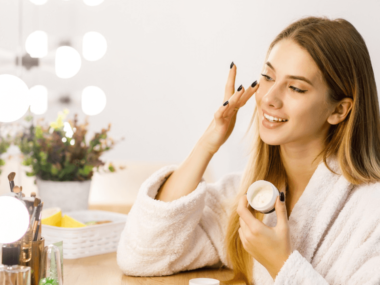
You did the right thing this morning: sunscreen under your makeup, applied generously. But it’s now 1 p.m., you’re heading out for lunch, and that morning layer stopped working an hour ago — and no, you are not washing your face and starting over. Reapplying sunscreen over makeup is a solved problem: SPF powders, cushion compacts, setting sprays with SPF, and the press-don’t-rub technique all top up protection without wrecking your base. None of them equal a fresh full layer — but a good-enough reapplication you’ll actually do beats a perfect one you won’t.
This guide covers every method honestly — what each actually delivers, the technique that keeps foundation intact, and how to build a reapplication habit that survives real life.
Key Takeaways
- Sunscreen degrades on the skin — roughly every two hours in real sun exposure, reapplication is due, makeup or not.
- The over-makeup toolkit: SPF cushion compacts (best coverage-to-protection), SPF powders (easiest), SPF setting sprays (lightest touch, needs generous use).
- Technique is press and pat, never rub — rubbing lifts foundation; pressing layers over it.
- Honest math: reapplication layers are thinner than the morning layer — they top up, not replace; the morning application remains the foundation of the day’s protection.
- Indoor-desk days need less; the two-hour rule applies to actual sun exposure — commute, lunch, windows, and outdoor afternoons.
Why Bother? The Case for Reapplying at All
Morning sunscreen isn’t a coat of paint; it’s a chemistry experiment running on your face. UV filters absorb and dissipate energy — and degrade doing it; the film rubs off on masks, phones, and absent-minded touches; sweat and sebum break it up. By early afternoon, the SPF 50 you applied at 7 a.m. is performing at a fraction of its label.
Meanwhile the afternoon sun is doing exactly what our SPF guide and acne scars guide keep warning about: re-darkening every mark you’re paying serums to fade, and depositing the slow-motion photoaging that no future product refunds. If you invest in any skincare at all, reapplication is protecting the portfolio.
And the two-hour rule deserves honest context: it applies to sun exposure. A windowless-office day needs a top-up before the commute home, not hourly anxiety. An outdoor market Saturday needs the full every-two-hours discipline. Match the effort to the exposure.
Method 1: The SPF Cushion Compact (Best Overall)
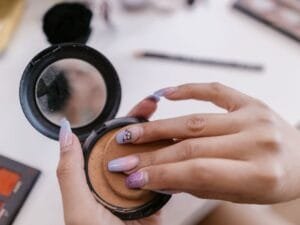
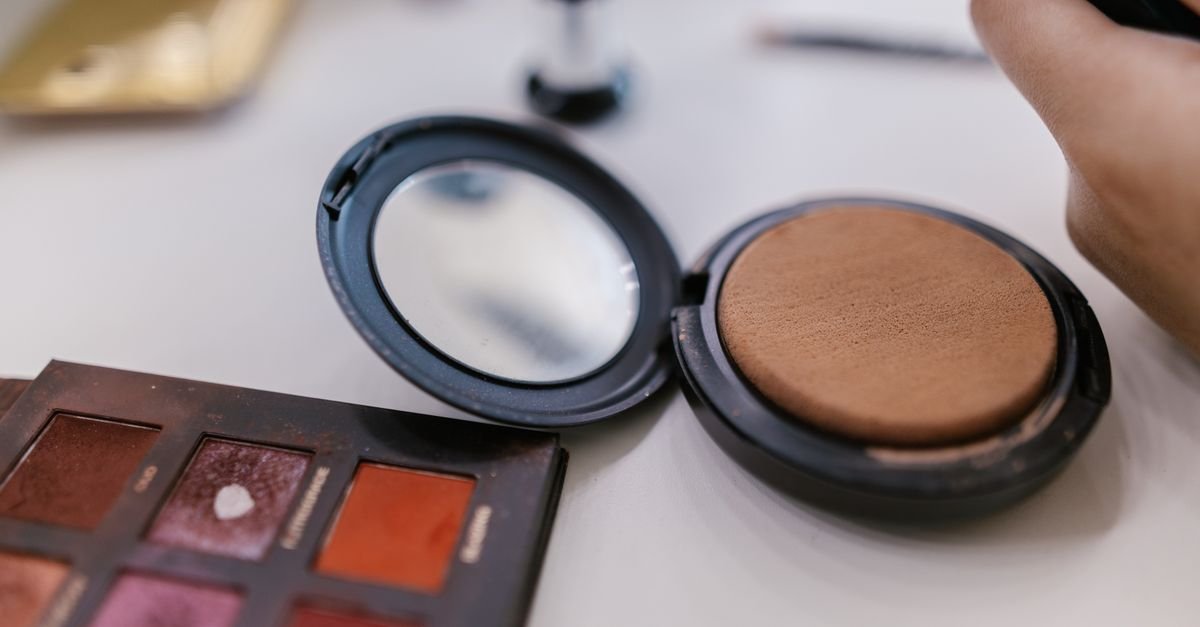
A cushion is a sponge soaked in liquid sunscreen (usually tinted) in a compact with a puff applicator — a K-beauty staple that solves this exact problem. Because it delivers a genuinely liquid layer, it deposits more actual sunscreen than any powder or spray — the closest thing to a real reapplication that coexists with makeup.
Technique: press the puff into the cushion, then press-and-roll onto skin in sections — forehead, cheeks, nose, chin — never dragging. Over foundation it refreshes coverage while it protects; the tinted versions double as your midday touch-up, replacing the powder you’d have used anyway. Two passes where sun hits hardest (nose, cheekbones, forehead).
Honest notes: keep the puff clean (wash it weekly like a makeup sponge — it’s living the same life), and expect to repurchase refills; a cushion used properly gets used up.
Method 2: SPF Powder (The Convenience Champion)
Brush-on mineral powders with SPF are the easiest sell: they live in your bag, apply in thirty seconds, mattify shine while they work, and disturb precisely nothing underneath.
The honesty section: powder’s protection depends on the amount deposited, and typical quick dustings deposit a fraction of the tested dose. The technique that closes the gap: load the brush properly (tap product into the cap, swirl, tap excess), apply in slow pressing-buffing motions rather than a fairy-dust flick, and do two to three passes. Treat powder as a genuine top-up used generously — or as the between-methods bridge — not as your only line of defense on a beach day.
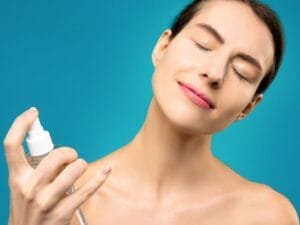
Method 3: SPF Setting Spray (The Feather Touch)
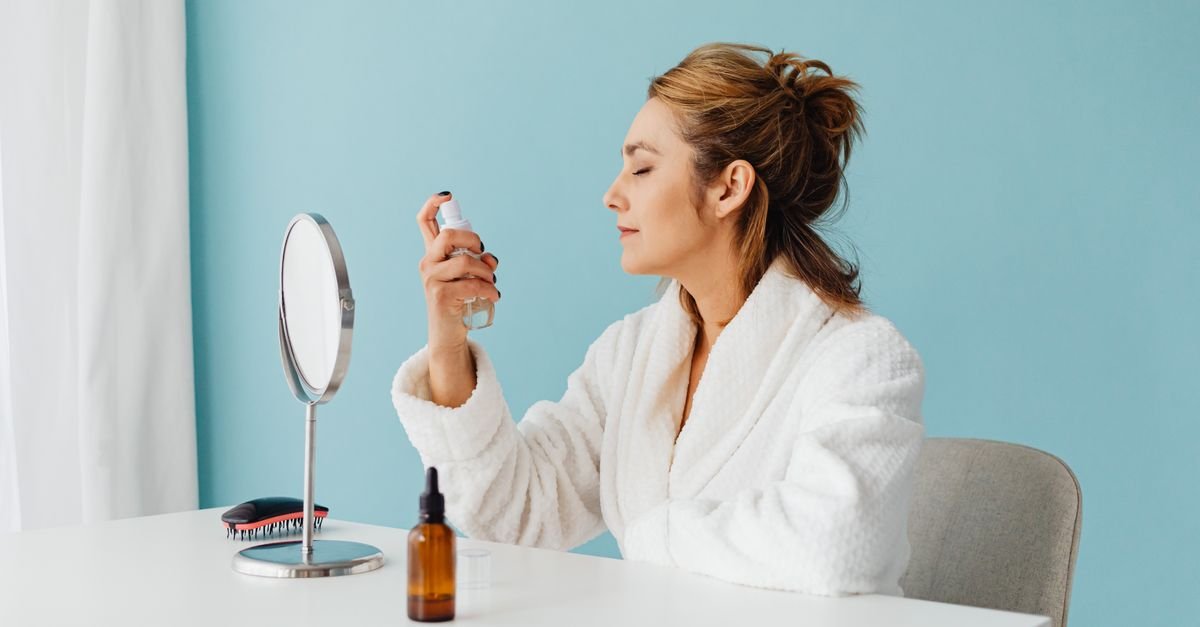
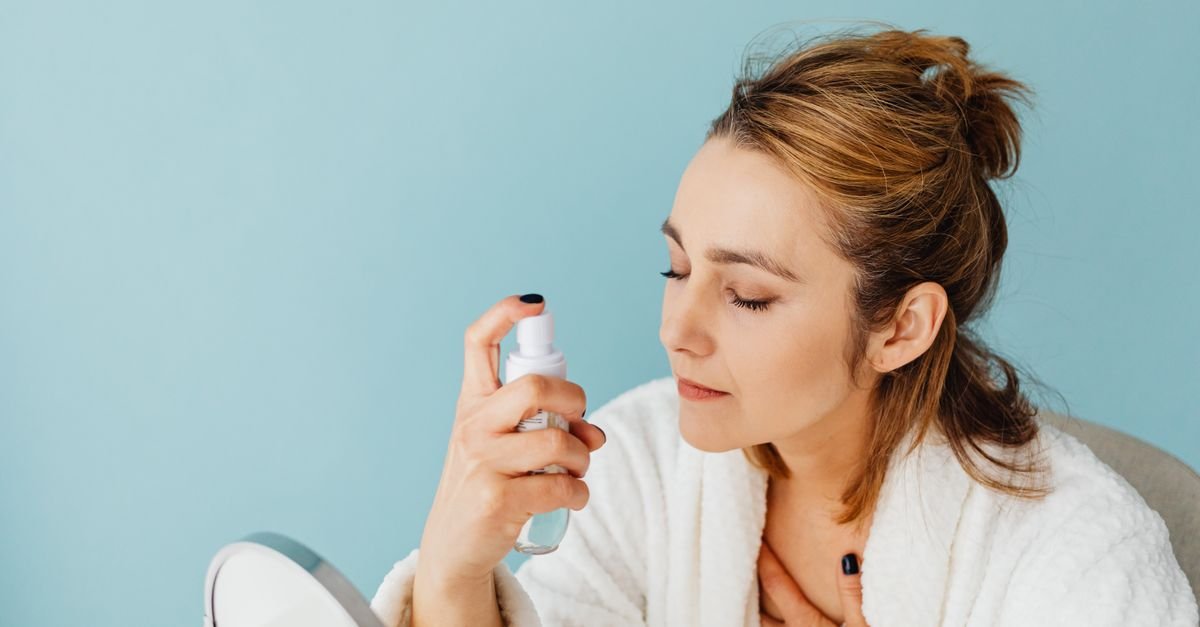
Sunscreen mists formulated as setting sprays layer over makeup with zero physical contact — the safest option for elaborate looks and the fastest for busy hands.
The generous-use rule is non-negotiable here: a light spritz delivers very little filter. Proper technique: hold 4–6 inches away, spray in a deliberate grid until the face is visibly misted (not soaked — misted), eyes and mouth closed, then let it self-set for a minute without touching. Reapply the spray itself every couple of exposure-hours. Two cautions: don’t inhale the cloud (spray on an exhale, outdoors or in a ventilated room), and windy sidewalks eat half your dose — find a doorway.
Method 4: The Sunscreen-Stick Press (For the Determined)
Sunscreen sticks — solid balms in twist-up form — can top up over makeup with a careful press-and-lift dab on high-exposure zones (cheekbones, nose bridge, forehead), then a gentle pat to blend. Draggier than a cushion, so it suits lighter makeup days; brilliant for the ears, hairline, and neck that every method forgets, and TSA-proof for travel.
The Technique Rules That Protect Your Makeup
Whatever the tool, the physics are identical: press, pat, roll — never rub or swipe (rubbing shears the foundation film; pressing stacks over it). Blot first if you’re shiny — a blotting paper pass before reapplying stops the mix-and-slide. Work in zones, giving each a moment to set. Downgrade expectations on full-glam days — on airbrushed foundation, the spray is the only makeup-invisible option; accept the trade. And remember the forgotten real estate: ears, hairline, jaw-to-neck transition, and the chest a summer neckline exposes — the zones dermatologists point to years later.
Building the Habit: Make It Frictionless
Reapplication fails as a virtue and succeeds as a system. Put the product where the moment happens: the SPF powder lives in the work bag, the cushion at the desk, the spray by the door, the stick in the car. Anchor it to existing habits: after lunch = reapply; parking the car before the school run = reapply. Phone reminder for the first two weeks — after that it’s automatic. Buy products you enjoy — a cushion with a finish you love gets used; a chalky powder gets archived. The entire game is lowering the activation energy below “I’ll do it later.”
What About Makeup That Already Has SPF?
The label is honest; the dose isn’t. Foundation with SPF 30 was tested at two milligrams per square centimeter — several times more foundation than any human wears. Your actual application delivers a small fraction of the labeled protection, which makes SPF makeup a pleasant bonus layer, never the plan. The plan remains: dedicated sunscreen in the morning (the one layer applied at full dose), topped up through the day by the methods above. SPF-labeled makeup then becomes exactly what it should be — margin, not foundation (pun fully intended).
The Morning Layer Still Decides the Day
One paragraph of perspective so the reapplication trees don’t hide the forest: the single highest-value SPF act remains the generous morning application — two finger-lengths of dedicated sunscreen, applied to bare moisturized skin, given two minutes to set before makeup (the full protocol in our SPF guide, and the layering order in our routine sequencing guide). Reapplication tops up a good foundation of protection; it cannot rescue a skipped one. Morning first, top-ups after — in that order of importance, forever.
The Non-Product Reapplication: Hats, Shade, and Timing
The most under-rated items in the reapplication toolkit contain zero SPF: a genuinely wide-brimmed hat (three-plus inches — the baseball cap protects the forehead and abandons everything else), sunglasses (the under-eye zone thanks you twice: UV protection plus not squinting), the shady side of the street, and simply scheduling the run or the market trip outside the 10-to-4 intensity window. On a day when makeup logistics defeat you, physical protection picks up the slack without touching your foundation at all — dermatologists reach for hats first for exactly this reason. The best sun strategy is a stack: morning layer, midday top-up, and geometry.
Don’t Forget the Eye Area
The skin most likely to show sun damage first is the skin everyone’s most nervous to cover: the orbital zone. Most face sunscreens can safely approach the orbital bone (stinging formulas exist — switch, don’t skip); mineral-filter products and SPF powders are the gentlest top-up tools here; and the sunglasses rule covers what products miss. If you’re investing in eye creams against dark circles while commuting bare-eyed into afternoon sun, the sunglasses are the better-performing product — at any price.
The Bottom Line
Reapplying sunscreen over makeup stopped being a real obstacle years ago — cushions press over foundation, powders dust over everything, sprays touch nothing at all. Pick the method that fits your makeup weight and your bag, use it generously (the universal failure is underdosing, not wrong-product), press instead of rub, and let the two-hour rule govern actual sun time rather than indoor guilt. Your serums are fading yesterday’s marks; your top-ups make sure today doesn’t print new ones.
Reapplying Over Different Base Types
The method should match the makeup underneath. Tinted moisturizer and BB cream: the easiest case — cushion or even careful fingertip pats of regular sunscreen work; light bases forgive touch. Liquid foundation, buffed and set: cushion (press-roll) or powder; skip fingertip methods. Powder foundation: SPF powder layers seamlessly — same species; sprays can dapple powder finishes, so mist lightly and let it settle untouched. Full glam with contour and setting spray: SPF spray only, in the deliberate grid — and accept that today’s look chose beauty over maximum top-up; compensate with shade and the morning layer. No makeup at all (the weekend case): no workaround needed — reapply real sunscreen generously and enjoy the simplicity.
Cloudy Days, Winter, and the Window Seat
Three chronic under-estimations worth one honest paragraph each line: clouds filter surprisingly little UVA — the overcast beach day burns people annually for this exact reason, and marks keep darkening under gray skies. Winter lowers UVB (burning) far more than UVA (aging and pigment) — the SPF habit is year-round, though winter’s reapplication schedule can relax to the lunch-hour top-up. Windows — car, office, train — block most UVB and pass most UVA; the classic left-side-of-face aging asymmetry in long-haul drivers is the published proof. A window seat on a sunny commute counts as exposure; the afternoon top-up isn’t paranoia, it’s geometry.
The bag-ready toolkit:
The bag-ready toolkit:
Frequently Asked Questions
How do you reapply sunscreen over makeup without ruining it?
Press, never rub: an SPF cushion compact pressed on in sections gives the best protection; SPF powder buffed in generous passes is easiest; SPF setting spray misted in a grid touches nothing at all. Blot shine first.
Do I really need to reapply sunscreen every 2 hours?
During actual sun exposure, yes — filters degrade with UV, sweat, and touch. On an indoor desk day, a top-up before the commute home is reasonable; on an outdoor day, the two-hour rule is the real deal.
Is SPF powder enough sun protection?
As a top-up over a proper morning layer, used generously in two to three pressing passes — yes, it helps meaningfully. As your only sunscreen, no: typical light dustings deposit a fraction of the tested dose.
Does foundation with SPF 30 protect my skin?
Only partially — you’d need several times a normal foundation application to reach the labeled number. Treat SPF makeup as bonus margin over a dedicated sunscreen layer, never the plan itself.
What’s the best way to reapply sunscreen over full glam makeup?
An SPF setting spray — it’s the only genuinely no-contact method. Spray a deliberate grid at 4–6 inches until the face is evenly misted, let it self-set for a minute, and reapply every couple of sun-hours.
Are SPF cushion compacts worth it?
For anyone who wears makeup and goes outside, they’re the best coverage-to-protection tool in the category — a genuinely liquid sunscreen layer that doubles as your midday touch-up. Wash the puff weekly.
Do I need to reapply sunscreen if I work indoors?
Relax the schedule but don’t abandon it: UVA passes through windows, and the commute plus lunch counts as exposure. One afternoon top-up covers a typical office day; save the every-two-hours rigor for real sun.
Can I just pat regular sunscreen over my makeup?
Over light bases like tinted moisturizer, careful fingertip pressing works surprisingly well. Over buffed liquid foundation it lifts and streaks — that’s exactly the gap cushions, powders, and sprays were invented to fill.
Which SPF number should my reapplication product be?
SPF 30 minimum, 50 if available — same rule as the morning layer. Since top-up methods deposit thinner layers than a full application, starting from a higher number keeps the real-world protection meaningful.

 Adhorika Khan