 Adhorika Khan
It’s the step everyone does twice a day and almost nobody was ever taught. Washing your face properly takes sixty seconds: lukewarm water, a gentle cleanser matched to your skin, fingertip circles, thorough rinsing, and a pat — not a rub — dry. Get those five details right and every product you apply afterward works better; get them wrong and you’re manufacturing the dryness, oiliness, or irritation you’re buying serums to fix.
This is the complete guide to skincare’s most-performed, least-examined ritual: the technique, the temperature science, cleanser matching, double cleansing decoded, the over-washing trap, and the honest answers to morning-wash and shower-face debates.
Key Takeaways
- Lukewarm always: hot water strips the barrier (and the redness isn’t “deep cleaning,” it’s irritation); cold doesn’t cleanse oil well.
- 60 seconds of fingertip circles — long enough for the cleanser to work, gentle enough to change nothing else.
- “Squeaky clean” is a defect: tightness after washing means the cleanser took mortar with the dirt.
- Twice a day is the ceiling for most faces (plus post-sweat) — over-washing triggers rebound oil and reactivity.
- The towel matters: pat with a clean, soft towel — face towels are makeup-adjacent items and deserve laundering like them.
Why Technique Matters More Than the Cleanser
Cleansing has one job — remove the day’s sebum, sunscreen, makeup, pollution film, and sweat — with one constraint: leave the skin barrier intact. Every technique rule in this guide serves that balance. The paradox most people live in: aggressive washing (hot water, harsh foam, scrubbing, four washes a day) doesn’t produce cleaner skin — it produces a stripped barrier that reacts by over-producing oil, flaking, and stinging under products, which prompts… more aggressive washing. Half of “problem skin” troubleshooting starts by fixing the wash (the other half is covered across our skin type and barrier guides).
The Correct Technique, Step by Step
1. Hands first. Washing your face with dirty hands is repainting with a muddy brush — ten seconds of hand soap first.
2. Lukewarm splash. Wet the face with comfortably warm — never hot — water. Temperature science in the next section.
3. A modest amount of cleanser — a dime of gel/cream or two pumps of foam — worked between palms, then onto the face.
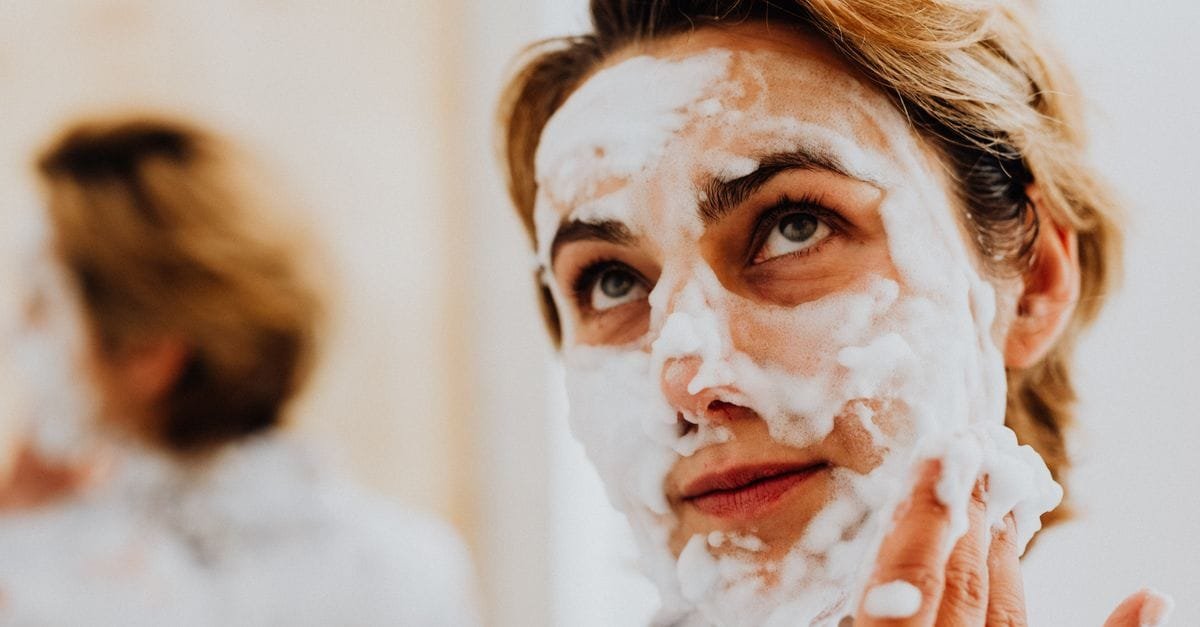
4. Sixty seconds of fingertip circles. Light pressure, small circles, covering the forgotten territories: hairline, jawline, around the nostrils, under the chin. The sixty-second habit (count, hum, or just slow down) gives surfactants time to lift oil and sunscreen — most washes fail by lasting twelve seconds.
5. Rinse past the point of boredom. Residue is self-inflicted irritation, and it hides at the hairline and jaw — the classic mystery-breakout zones.
6. Pat dry with a clean towel. Pat, never drag — and if you’re about to apply hydrating layers, stop at damp; humectants love a damp canvas (that’s the entire skin flooding logic).
The Temperature Question, Settled
Hot water feels effective — steam, flush, that “deep clean” sensation — and every part of that feeling is barrier damage in costume. Heat strips lipids faster, dilates capillaries (hello, aggravated redness and rosacea flares), and the tight after-feel is the mortar leaving. Cold water is pleasant, de-puffs, and… doesn’t emulsify sebum well — a purely cold wash under-cleans oily skin. Lukewarm — comfortable on the inner wrist — is the entire answer, morning and night, every skin type, no exceptions worth naming. Save the cold splash as an after-rinse if you enjoy it (it’s a decent morning de-puffer per our puffy eyes guide); save the heat for tea.
Matching the Cleanser to Your Skin
Oily and breakout-prone: gel or foaming cleansers, optionally with salicylic acid a few washes weekly — but even here, “gentle” wins; the squeaky-strip foam creates the rebound oil it promises to fix. Dry and mature: cream, milk, or oil-based cleansers that clean without de-greasing what little sebum exists. Sensitive: fragrance-free everything, minimal ingredient lists, and micellar water as the gentlest functional option. Combination: one gentle gel usually serves the whole face — zoning cleansers is over-engineering. Everyone: the after-feel test is the verdict — clean and comfortable = correct; tight and squeaky = too harsh; filmy = under-rinsed or too rich. (Cleansers with ceramides and glycerin bias the odds — the non-stripping doctrine.)
Double Cleansing: Who Actually Needs It
The two-step ritual — an oil-based cleanser first (dissolves sunscreen, makeup, sebum), a water-based one second (removes the residue) — earns its reputation for the people it’s designed for: daily makeup wearers, daily heavy/water-resistant sunscreen users (which should be most readers, per the SPF guide), and the genuinely oily. For them, single-cleansing often leaves a film that sixty more seconds of scrubbing can’t fix — the oil step dissolves what water-based surfactants struggle with.
Who can skip it: minimal-makeup, light-sunscreen, dry-skinned, or sensitive faces — for whom double cleansing is just double stripping. And it’s an evening-only practice; nobody needs to double cleanse a night’s sleep off. Format notes: proper cleansing oils and balms emulsify and rinse clean (that milky turn is the emulsifiers working) — coconut oil from the pantry does not, and leaves the film it promised to remove.
The Morning Question: Do You Even Need Cleanser?
Genuinely contested, honestly answerable by skin type. Overnight, skin produces some oil and sheds some cells onto last night’s products — that’s the whole mess. Oily skin: yes, a light morning cleanse earns its keep. Dry and sensitive skin: a lukewarm water rinse (or micellar swipe) is often the better move — preserving overnight oils instead of buying them back in moisturizer form. Everyone else: either works; let the after-feel and your morning products’ behavior decide. The one non-negotiable: something happens — sleep residue under fresh sunscreen is a filming layer. This is skincare’s lowest-stakes decision; make it once and stop relitigating it at 7 a.m.

Shower-Face, Wipes, and the Other Debates
Washing your face in the shower: fine — with discipline: lukewarm water (the shower’s usual setting is face-hostile hot), face washed last (after conditioner rinses away — the clog logic from our back acne guide applies above the neck too), and not under the full blast pressure. Makeup wipes: emergency equipment, not equipment — they smear-and-drag more than they remove, and nightly wipe-only “cleansing” is how mascara flakes end up in morning eyes; if wipes are your reality (travel, festivals), follow with a real rinse when possible. Cleansing brushes and devices: optional at best — fingertips reach everywhere a brush does with none of the over-exfoliation risk or the sanitation homework (a damp brush head is a microbe dormitory — the brush hygiene rules apply). Washcloths: gentle, fine, and single-use-then-laundry — a damp reused cloth is a wipe with seniority.
Over-Washing: The Epidemic Nobody Diagnoses
The signs you’re washing too much or too harshly: tightness within minutes of every wash, shine returning faster than it used to (rebound oil), new stinging under old products, flaking at the smile lines and brows, and redness that tracks your wash schedule. The fix is simple and feels wrong for a week: downgrade to twice daily maximum (morning optional per above, evening mandatory, post-workout as needed — the HOCl spray covers the between-times), switch to the gentlest cleanser in the aisle, and let the barrier re-mortar for two weeks before judging. Cleanliness was never the problem; the stripping was.

Cleansing Around Your Actives: The Timing Rules
The wash interacts with everything applied after it, and three timing rules prevent the classic mistakes. Retinoid nights: cleanse, then dry completely — a few full minutes — before the retinoid; damp skin amplifies penetration and irritation (the retinoid guide’s most-skipped instruction lives at the sink). Acid nights: same story — exfoliants on damp skin sting harder and act less predictably. Hydration nights: the exact opposite — stop at damp and layer immediately (the whole flooding premise). One sink, two finishing moves: dry-fully for treatment nights, stay-damp for hydration nights — deciding which night it is before you pick up the towel is the entire skill. And cleansing frequency around actives: treatment routines make gentle cleansing MORE important, not less — the barrier is already paying the active’s tax; the wash shouldn’t add a surcharge.
The Supporting Cast: Towels, Pillowcases, and Hands
The wash is only as clean as its accessories. Face towels collect skin cells, product residue, and moisture — the microbe trifecta; the standard: a fresh face towel every two to three days (daily during breakouts), or the disposable-cotton-pad finish for the acne-prone. Rough, aged towels also micro-scrub — pat with the soft ones. Pillowcases are the third cleansing event of every day, in reverse — a week of nights deposits back what two washes removed; weekly changes minimum, twice weekly for breakout-prone faces (silk and satin cases earn their fans on friction, not magic). Hands and hairlines: the wash-your-hands-first rule from step one, plus the post-cleanse habit of keeping hair off the cleansed face (leave-in hair products migrating onto fresh skin is a quiet hairline-breakout pipeline). Clean face, clean supporting cast — the system only works whole.
The One-Week Reset Experiment
If your skin has felt off for months, run the wash reset before buying anything: seven days of lukewarm-only water, the gentlest cleanser you own, sixty honest seconds, evening-mandatory-morning-optional frequency, and a fresh towel every other day. Most tight, shiny, reactive complaints improve noticeably inside the week — proof the problem was the process, not the products. Whatever survives the reset is real and worth troubleshooting properly; whatever vanished was self-inflicted, and now costs nothing to keep away.
The Bottom Line
Face washing is the foundation every other product stands on, and it’s mastered in one honest minute: clean hands, lukewarm water, gentle matched cleanser, sixty unhurried seconds, a thorough rinse, a soft pat with a clean towel. Do it twice a day, resist the hot water and the third wash, and let the most boring step in skincare quietly upgrade every exciting one that follows.
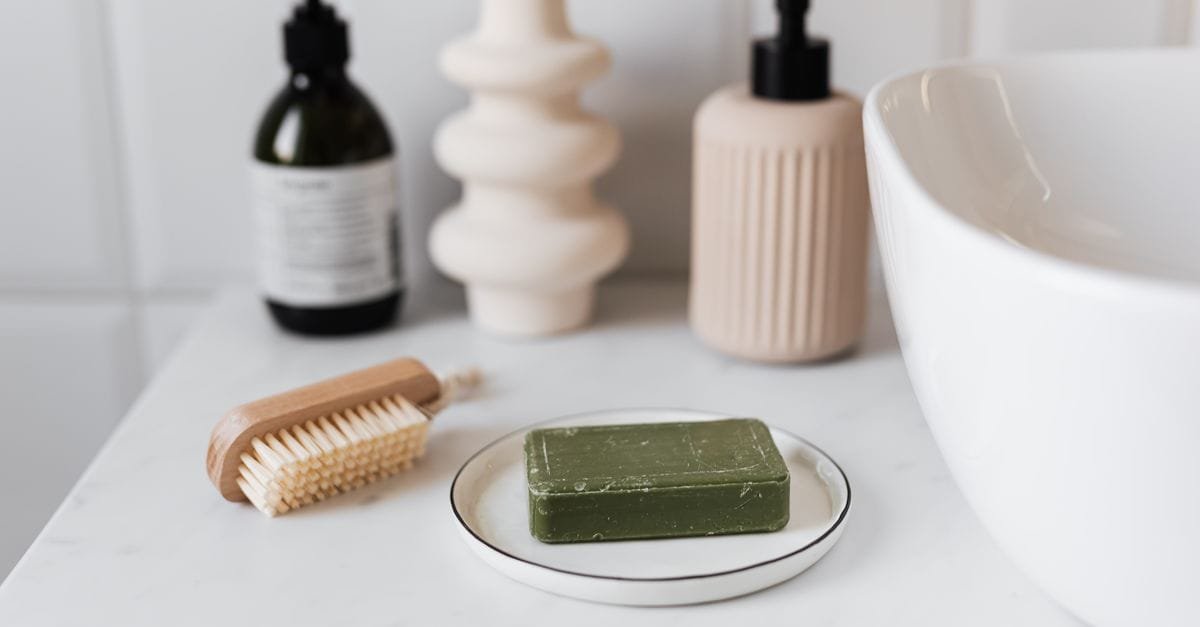
The simple honest kit:
The simple honest kit:
Frequently Asked Questions
How long should you wash your face?
About sixty seconds of gentle fingertip circles — long enough for the cleanser to lift oil and sunscreen, which the typical twelve-second wash never achieves. Then rinse longer than feels necessary.
Should you wash your face with hot or cold water?
Neither — lukewarm, always. Hot water strips the barrier and aggravates redness; cold doesn’t emulsify oil well. Save a cold splash for an optional de-puffing finish.
Is it OK to wash your face in the shower?
Yes, with three rules: turn the temperature down to lukewarm for the face part, wash your face last (after conditioner has rinsed away), and keep it out of the direct high-pressure stream.
Do I need to wash my face in the morning?
Oily skin benefits from a light morning cleanse; dry and sensitive skin often does better with just a lukewarm rinse. Both are legitimate — judge by how your skin feels and how your morning products behave.
What is double cleansing and do I need it?
An oil-based cleanse followed by a water-based one, evenings only — designed for daily makeup and heavy sunscreen wearers, for whom it genuinely out-cleans a single wash. Minimal-makeup and dry-skinned faces can skip it.
Why does my face feel tight after washing?
Tightness means the cleanser removed barrier lipids along with the dirt — it’s a harshness signal, not a cleanliness achievement. Switch to a gentler formula and lukewarm water.
How many times a day should you wash your face?
Twice — evening mandatory, morning optional by skin type — plus after heavy sweating. More than that triggers rebound oil and reactivity in most skin; over-washing is far more common than under-washing.
Should I use a cleansing brush or device?
Optional at best — fingertips clean every zone a brush reaches without the over-exfoliation risk or the damp-brush-head hygiene homework. If you love yours, use it gently, briefly, and wash the head like the sponge it is.
Are makeup wipes bad for your face?
As a nightly cleansing method, yes — they smear and drag more than they remove and leave residue behind. Keep them for genuine emergencies and follow with a real rinse whenever possible.
Can I just use water to wash my face?
Mornings, on dry or sensitive skin — absolutely legitimate. Evenings, no: water alone can’t remove sunscreen, sebum, or the day’s film; a gentle cleanser (or double cleanse for makeup days) does that job.
How often should I change my face towel?
Every two to three days, daily during breakouts — a damp used towel is a microbe habitat you press onto clean skin. Pat, don’t rub, and launder face towels like the skin-touching items they are.
Should I wash my face after sweating?
Yes — sweat sitting on skin feeds breakouts. A gentle cleanse (or at minimum a lukewarm rinse or hypochlorous spray) within an hour of a workout counts as one of your day’s washes, not an extra.
What order do cleansing and shaving go in?
Cleanse first, shave second — clean skin and softened hair cut better and break out less. Moisturize after both, and treat shave days as gentle-routine days.

 Adhorika Khan