 Adhorika Khan
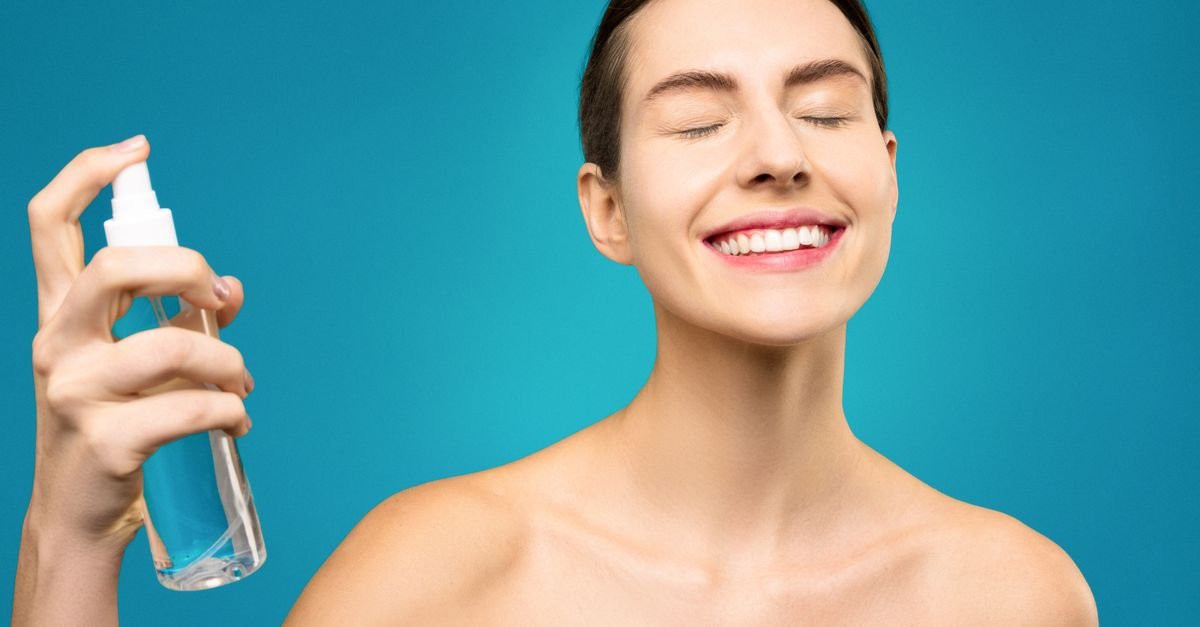
Every year one ingredient escapes the dermatology clinic and conquers the internet. This cycle it’s a spray that sounds like a pool chemical — and for once, the dermatologists aren’t rolling their eyes. Hypochlorous acid (HOCl) is a gentle antimicrobial and anti-inflammatory molecule your own white blood cells produce to fight infection. Bottled as a face spray, it calms irritated skin, supports blemish-prone skin, cleans up post-gym sweat, and soothes after procedures — with an almost unmatched gentleness record. Its limits are equally real: it’s a supporting player, not a treatment, and it cannot replace your actives.
This is the honest guide to the trend: what HOCl actually is, what the evidence supports, the eight genuinely useful ways to use it, and who can save their money.
Key Takeaways
- Your immune system invented it: HOCl is the molecule white blood cells deploy against microbes — skincare bottles a stabilized version.
- It’s antimicrobial AND anti-inflammatory, yet gentle enough for the most reactive skin, including eczema-prone and post-procedure.
- Best real uses: post-workout spray-down, blemish-prone skin support, calming irritation, and maskne-style friction breakouts.
- It will not replace benzoyl peroxide, retinoids, or any structured acne treatment — think teammate, not substitute.
- Stability is the catch: HOCl degrades with light, air, and time — buy proper opaque packaging and respect the expiry.
What Exactly Is Hypochlorous Acid?
HOCl is a small, simple molecule — one hydrogen, one oxygen, one chlorine — that your neutrophils (front-line white blood cells) generate to destroy bacteria during an immune response. It’s been used medically for over a century: wound irrigation in World War I field hospitals, modern wound-care rinses, and eyelid cleansers for blepharitis all run on it.
The skincare version is electrolyzed salt water, stabilized at a skin-friendly concentration and pH. Yes, chemically related to bleach’s active — and about as similar in practice as wine is to rubbing alcohol: concentration and formulation change everything. At cosmetic strengths it’s gentle enough that it doesn’t sting broken skin, which is precisely why wound clinics like it.
Why Did It Suddenly Go Viral?
Three converging reasons: post-pandemic obsession with “skin hygiene” met the maskne era; a few well-marketed sprays turned a medical liquid into a chic handbag object; and — unusually for a trend — dermatologists kept endorsing it on camera because the safety profile made it a low-risk recommendation. The trend outran the evidence in places (we’ll be honest about where), but the core molecule was never snake oil.
What Does the Evidence Actually Support?
Solid ground: HOCl’s antimicrobial action is thoroughly documented — it disrupts bacteria (including acne-associated species), some viruses, and fungi on contact. Its anti-inflammatory, anti-itch effects are supported in wound-care and eczema-adjacent literature. Its tolerability is exceptional — studies use it on open wounds, post-laser skin, and eyelids.
Softer ground: as a standalone acne treatment, evidence is early and modest — it reduces surface bacteria and inflammation, but acne is also clogs, oil, and hormones, which a mist does not address. Anti-aging claims on some bottles are pure marketing garnish.
The fair one-line verdict: a genuinely useful hygiene and calming layer with medical pedigree — not a treatment, and no bottle of salt water is “skincare in one step.”
The 8 Genuinely Useful Ways to Use HOCl Spray
1. The Post-Workout Reset
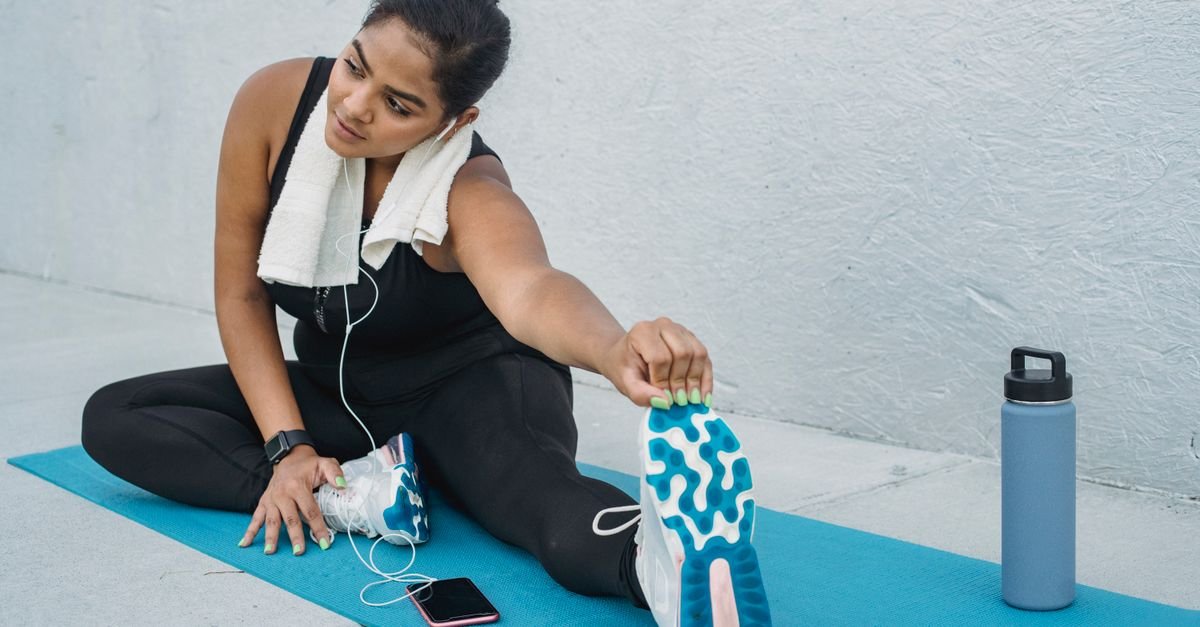
The single best use case. Sweat sitting on skin feeds breakouts on face, chest, and back — and nobody showers mid-day at the office gym. Two or three sprays across the face (and back of the neck, and chest) after exercise knocks down the microbial party until the real shower. Gym bag, one bottle, done — the same logic our back acne guide preaches, in portable form.
2. Blemish-Prone Skin Support
Misted on clean skin before moisturizer, HOCl adds antibacterial pressure and calms the inflammation that makes pimples angry and red — a gentle assist alongside (never instead of) your benzoyl peroxide or salicylic routine.
3. Friction and Mask Breakouts
Helmet straps, masks, chin guards — anywhere sweat plus friction plus bacteria collaborate, a midday spritz interrupts the cycle.
4. Calming Irritated, Itchy, Reactive Skin
The anti-itch, anti-inflammatory profile makes it a soothing mist for eczema-prone patches, post-shave irritation, and “my skin is angry today” moments — one of the few sprayable things a compromised barrier won’t object to.
5. Post-Procedure and Post-Picking Cleanup
Dermatologists send patients home with HOCl after lasers and microneedling for a reason: antimicrobial without the sting of alcohol or the residue of ointments. The at-home translation: a spritz on skin you (regrettably) picked reduces the infection-and-mark risk while it heals.
6. The Airplane and Festival Freshen-Up
Recycled cabin air, camping weekends, long commutes — the “I can’t wash my face for nine hours” scenarios are exactly what a pocket antimicrobial mist is for.
7. After Sweaty Hat and Helmet Days
Hairline and forehead breakouts from headwear respond to the same spray-the-zone logic — including the scalp margin your cleanser rushes past.
8. Sports Gear and Makeup-Adjacent Hygiene
Misting the inside of a helmet liner or a well-used headband extends the fabric-hygiene battle our acne guides keep flagging. (For brushes and sponges, proper washing still wins — see the brush-cleaning guide.)
How to Use It in a Routine (Order and Frequency)
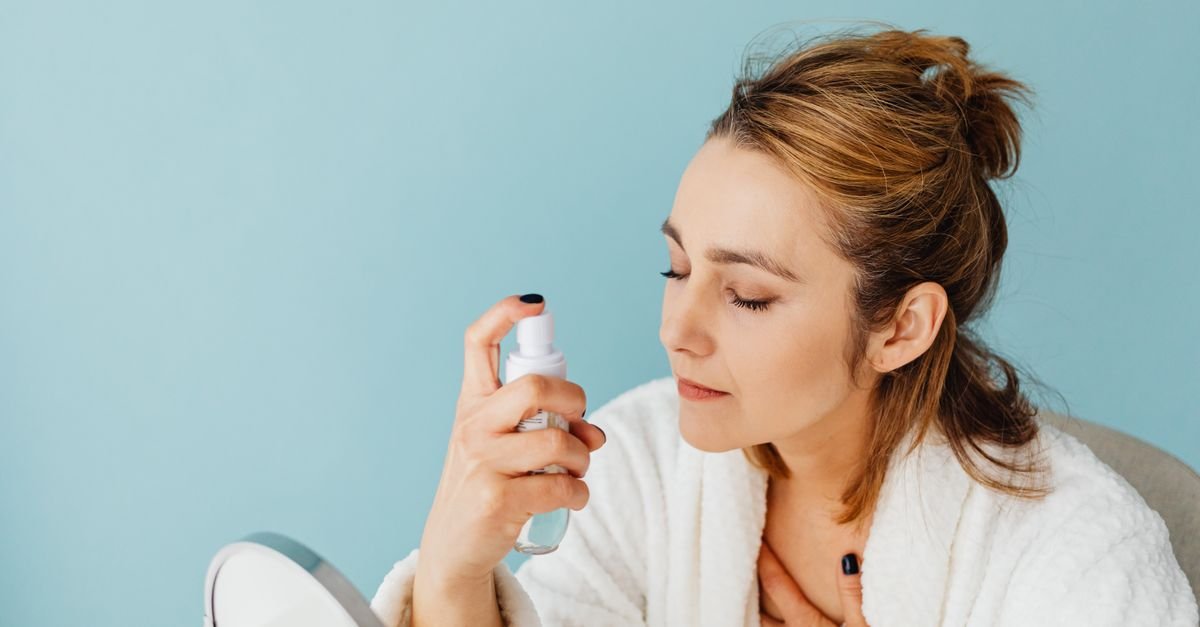
HOCl is water — it goes on clean, bare skin first, before serums and moisturizer, and needs about sixty seconds to dry (its work is done on contact; what remains is mostly saline). Frequency is wonderfully unfussy: once daily, twice daily, or purely situationally after sweat — there’s no build-up schedule and no purge period.
One genuine compatibility note: HOCl is an oxidizing molecule, so avoid spraying it directly on top of antioxidant serums like vitamin C (you’d be setting two chemistries against each other). Mist first, let dry, then layer — or keep them in different routines entirely. With everything else — retinoids, acids, benzoyl peroxide, moisturizers — it coexists peacefully.
Who Actually Benefits (and Who Can Skip It)?
Worth it: gym-goers and athletes (the killer app), the breakout-prone wanting a gentle supporting layer, reactive and eczema-prone skin needing a calming mist, mask/helmet wearers, frequent flyers, and anyone post-procedure (with their provider’s blessing — most give it enthusiastically).
Can skip: anyone with calm, unbothered skin and a working routine — HOCl solves problems you may simply not have; clear-skinned desk workers spraying twice daily are buying vibes. And anyone expecting it to replace real acne treatment will be disappointed on schedule — a mist supports; it doesn’t treat structural acne. Our teen guide’s hierarchy stands: basics and proven actives first, nice-to-haves after.
Buying HOCl: The Stability Problem Nobody Mentions
Here’s the section that saves you money. HOCl is famously unstable — light, air, heat, and time all degrade it back toward salt water. The buying checklist:
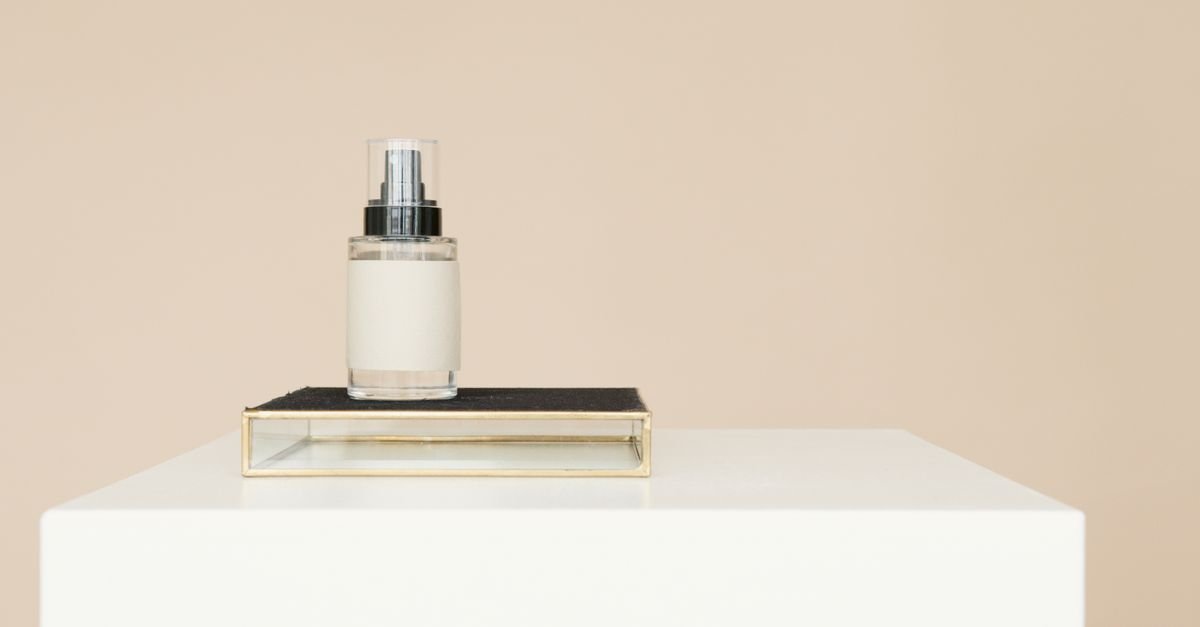
Opaque, well-sealed packaging — clear bottles are a red flag for this specific molecule. A stated concentration (commonly around 0.01–0.02% / 100–200 ppm) and a pH-stabilized formula. A realistic expiry — and respect for it: most sprays are best within a few months of opening; the giant economy bottle is a false economy here. Minimal ingredient list: the good ones read like “electrolyzed water, sodium chloride, hypochlorous acid” — fragrance and botanical garnish defeat the purpose of a hypoallergenic mist. Store it cool and dark, cap tight, and replace it seasonally rather than sentimentally.
Price honesty: you are buying stabilized salt water with manufacturing precision — reasonable mid-range sprays perform like prestige ones; the $40 versions fund influencer campaigns, not better chlorine.
Side Effects and Cautions (A Short Section, Honestly)
The safety profile is the whole selling point: no photosensitivity, no purge, no interactions of consequence, safe around (not in) eyes, fine for sensitive skin, and commonly used across ages. Rare individuals notice dryness with heavy use (it is, after all, a salt solution) — moisturize after, as you should anyway. The faint pool-adjacent scent on spraying is normal chemistry and dissipates in seconds. If any product stings or reddens your skin repeatedly, that’s formulation trouble or a very reactive day — stop, as with anything. And medical uses (wound care, eyelid conditions) belong with medical guidance, not a beauty aisle bottle.
HOCl vs the Alternatives: Honest Positioning
vs Toner: different species — toners hydrate or exfoliate; HOCl disinfects and calms. vs Micellar water: micellar removes (makeup, grime); HOCl treats the surface after — a post-cleanse layer, not a cleanser. vs Thermal water sprays: the honest comparison — both are “calming mists”; HOCl brings actual antimicrobial function to the category. vs Benzoyl peroxide/salicylic acid: no contest — the actives treat acne’s machinery; HOCl dampens the bacterial-inflammatory noise around it. vs Doing nothing: for calm skin, doing nothing wins — and it’s free.
Storage, Travel, and Making a Bottle Last
Since stability is HOCl’s weak point, the ownership habits matter more than usual. At home: the bottle lives in a drawer or cabinet, not the sunny windowsill or steamy shower shelf — light and heat are the degraders. In transit: a small opaque travel size in the gym bag beats decanting the big bottle (every transfer introduces air); most brands sell minis for exactly this reason, and they fly carry-on without drama. The freshness rhythm: write the opening month on the base, plan around a roughly three-month working life, and treat the faint chlorine scent as the built-in freshness indicator — a spray that’s gone completely odorless and stopped feeling like anything may have quietly retired into salt water. Buying two small bottles beats one large one in almost every scenario this product serves.

The Verdict Nobody Prints: Trend or Keeper?
Keeper — with a defined job description. The honest pattern with viral ingredients is that they settle into their real niche once the hype cools: hyaluronic acid settled into “hydration layer,” niacinamide into “gentle regulator” — and HOCl is settling into “skin hygiene layer”: the thing you spray when skin has been sweated on, masked over, touched, or irritated, and washing isn’t available or wanted. That niche is real, previously unfilled, and worth a modest bottle in the gym bag for anyone active. What won’t survive the hype cycle: the twelve-dollar-per-ounce prestige versions and the “replaces your routine” framing. Buy it like the honest utility it is, and it earns its spot indefinitely.
The Bottom Line
Hypochlorous acid earned its moment honestly: a century of medical use, an immune-system pedigree, and a gentleness record almost nothing else in the aisle can match. Use it for what it is — the best post-sweat skin reset ever bottled, and a calming antimicrobial layer for reactive or breakout-prone skin — buy it in packaging that respects its fragile chemistry, and keep your real treatments in the starting lineup. Trend verdict: keeper, with correctly-sized expectations.
The small honest kit:
The small honest kit:
Frequently Asked Questions
What does hypochlorous acid spray do for skin?
It kills surface bacteria and calms inflammation — the same molecule your white blood cells use against microbes. Practically: it resets skin after sweat, supports blemish-prone skin, and soothes irritation, all with exceptional gentleness.
Can hypochlorous acid replace my acne treatment?
No. It reduces surface bacteria and redness, but acne also involves clogs, oil, and hormones that a mist can’t touch. Keep benzoyl peroxide, salicylic acid, or your prescription as the treatment; use HOCl as the supporting layer.
When should I apply hypochlorous acid in my routine?
On clean, bare skin before serums and moisturizer — or situationally after sweating. Let it dry about a minute. Avoid spraying it directly over vitamin C, since the two chemistries work against each other.
Is hypochlorous acid the same as bleach?
Chemically related, practically worlds apart — cosmetic HOCl is a stabilized, skin-pH, very low concentration solution gentle enough for wound care. The faint pool-like scent on spraying is normal and fades in seconds.
Is hypochlorous acid safe for sensitive skin and eczema?
It’s one of the most tolerable products in skincare — used medically on wounds and eyelids, and genuinely soothing for itchy, reactive skin. For diagnosed conditions, use it alongside (not instead of) your doctor’s plan.
Why does my hypochlorous spray stop working?
HOCl degrades with light, air, heat, and time — old or clear-bottled sprays quietly revert toward salt water. Buy opaque packaging, store it cool, and replace within a few months of opening.
Should I use hypochlorous acid every day?
You can — once or twice daily is fine and there’s no adjustment period. But it earns its keep most after workouts, sweaty commutes, mask wear, and flare-ups; calm skin on a calm day doesn’t need it.

 Adhorika Khan