
 Adhorika Khan
Yes, it’s shaving your face. No, that’s not a scandal — and no, the hair does not grow back thicker. Dermaplaning uses a fine blade to remove peach fuzz (vellus hair) and the top layer of dead skin cells, leaving skin smoother, brighter, and famously perfect under makeup. Done gently, at home, on the right skin, it’s a legitimate low-cost technique; done carelessly or on active acne, it’s a self-inflicted irritation event.
This is the honest complete guide: what dermaplaning does and doesn’t do, the professional-vs-at-home difference, the correct technique step by step, the thick-hair myth debunked properly, and who should leave their face un-shaved.
Key Takeaways
- Dermaplaning = physical exfoliation + hair removal in one pass — smoother texture, brighter tone, flawless makeup glide.
- The thicker-hair myth is optics, not biology: cut vellus hair has a blunt tip that feels different — the follicle never changes.
- Results last about 3–4 weeks — it’s maintenance, not transformation.
- Skip it over active acne, inflamed rosacea, or a damaged barrier — a blade over inflammation spreads trouble.
- Aftercare is the real skill: freshly planed skin wants moisture and SPF, not acids and enthusiasm.
What Is Dermaplaning, Exactly?
Dermaplaning drags a fine blade at a shallow angle across taut skin, removing two things simultaneously: the vellus hair (“peach fuzz”) that covers nearly every face, and a portion of the outermost dead-cell layer that makes skin look dull and rough. It’s simultaneously a hair-removal method and a physical exfoliation method — which is why it lives in both conversations, and why the aftercare rules from our exfoliation guide apply in full.
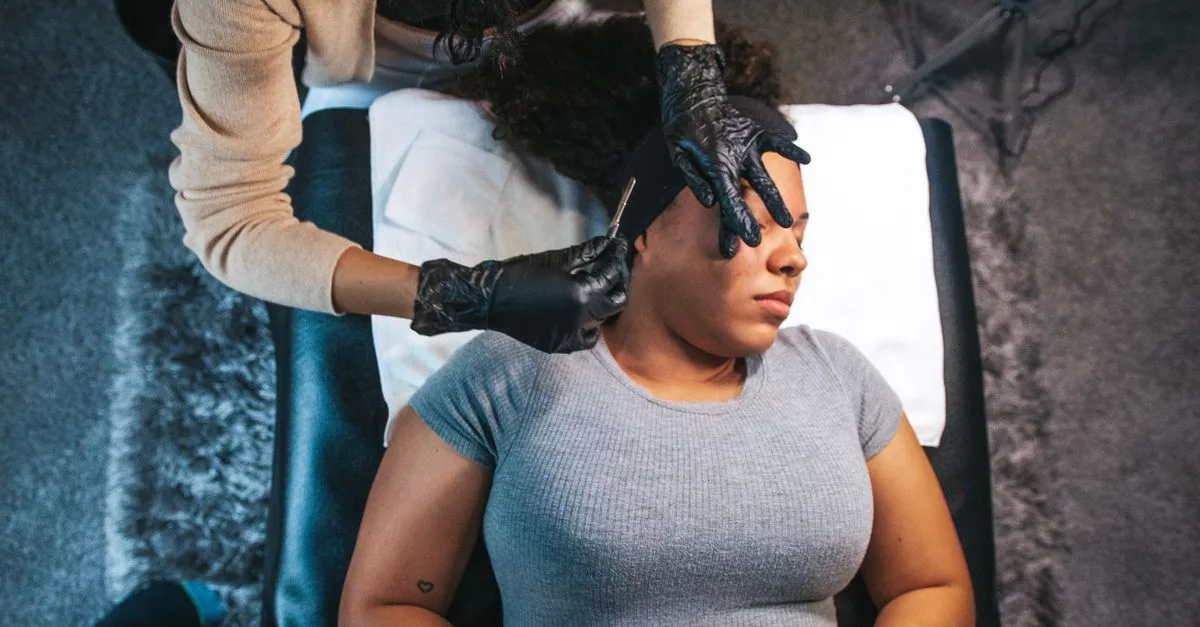
The professional version uses a surgical scalpel in trained hands; the at-home version uses guarded single-blade “facial razors” — different tools, related results, and an important safety gap we’ll cover honestly.
What Does It Actually Deliver?
The makeup effect (the real reason it’s famous): foundation on planed skin applies like foundation on glass — no fuzz to grip powder, no dead-cell texture to catch light wrong. If your foundation looks “furry” in sunlight or cakes on dry patches, dermaplaning addresses exactly that. (Our makeup guide assumes smooth canvas; this is one way there.)
The glow: removing the dead layer brightens immediately — same mechanism as any exfoliation, delivered mechanically.
Better product absorption: serums penetrate the fresh surface more readily — a genuine plus that doubles as a warning (actives hit harder post-plane; see aftercare).
What it does NOT deliver: no effect on deep texture, scars, or wrinkles (blade too shallow — that’s retinoid and professional-procedure territory), no pore shrinking, no acne treatment (actively the opposite — see contraindications), and no permanence: vellus hair returns on its normal cycle in three to four weeks.
The Thick-Hair Myth, Retired Properly
The fear: “shave your face once and you’ll grow a beard.” The biology: hair thickness, color, and density are set by the follicle, which a surface blade never touches. What changes is the hair tip: naturally-grown vellus hair tapers to a soft point; cut hair regrows with a blunt end that can feel stubbly for a few days at the length where taper used to be. Same hair, different haircut — literally. Decades of use (and every barber’s knowledge of actual beard biology) back this up: vellus hair cannot be promoted to terminal hair by a razor. What CAN look different: if you already have some darker terminal hairs mixed into your fuzz (common on the upper lip and jaw, especially with hormonal shifts), cutting those does produce visible blunt regrowth — that’s selection, not transformation, and worth knowing before you start.
Professional vs At-Home: The Honest Comparison
Professional dermaplaning (dermatologist or licensed esthetician, surgical blade): deeper, more complete exfoliation, expert judgment about your skin’s readiness, sterile technique — at salon prices, every month or so. Worth it for: sensitive-adjacent skin wanting supervision, first-timers who’d like a demonstration, anyone combining it with other treatments.
At-home dermaplaning (guarded facial razors): gentler by design (the guard limits blade contact), a fraction of the cost, and completely adequate for the fuzz-removal and light-exfoliation goals most people actually have. The trade: your technique is the safety system.
The honest middle: most people maintaining at home with occasional professional sessions — or at-home only, done carefully — get 85% of the result for 10% of the spend.
How to Dermaplane at Home: The Full Technique
Prep: start with a cleansed, completely dry face (some prefer a thin layer of light oil for glide — both schools work; dry shows you the fuzz better, oil forgives more). Never plane damp-soft skin — it nicks. Good light, a mirror you can get close to, and a fresh blade — these tools are per-few-uses items, not heirlooms.
Angle and stroke: hold skin taut with one hand; hold the razor at roughly 45 degrees; use short, light, downward strokes (in the direction of hair growth) — two to three centimeters per stroke, feather pressure. The blade should whisper, not scrape.
The map: cheeks (flat, easy — start here), jawline, upper lip (extra gentle, extra taut), chin, forehead. Skip entirely: eyelids and orbital area, the nose itself, lips, anything with a pimple, mole, or irritation — steer around raised terrain like the hazard it is.
Frequency: every three to four weeks, matching regrowth. Weekly dermaplaning is over-exfoliation wearing a razor.
Aftercare: Where Good Results Are Protected
You’ve just exfoliated mechanically — treat the next 48 hours accordingly: moisturize immediately (fragrance-free; freshly planed skin drinks it in), SPF religiously (new surface + sun = pigment risk — non-negotiable, per the SPF guide), and pause the strong actives for 2–3 days — no acids, no retinoid the same night, no vitamin C sting-test the next morning. Skip makeup for the rest of the day if you can (open canvas, let it settle), and absolutely no other exfoliation that week. Mild pinkness for an hour is normal; anything more says the pressure or frequency was wrong.
Who Should NOT Dermaplane?
Active acne: the hard no. A blade over pustules spreads bacteria and opens lesions — clear the breakout first (our patches and treatment guides), plane later. Inflamed rosacea, eczema patches, or a stripped barrier: mechanical exfoliation on inflamed skin is gasoline on embers — repair first (barrier guide). Very reactive, thin, or mature-fragile skin: professional hands or a pass altogether. Active cold sores: wait for full healing — blades spread the virus. On isotretinoin or recently off it: skin is too fragile; ask your dermatologist. Keratosis-prone facial skin (KP rubra): gentle chemical routes beat blades — the same logic as our KP guide.
Also honestly optional: anyone whose fuzz doesn’t bother them. Peach fuzz is normal, functional, and invisible in most light — dermaplaning is a cosmetic preference, never a hygiene requirement.
Dermaplaning vs the Alternatives
vs Waxing/threading the face: those pull from the follicle (longer-lasting, more irritating, ingrown-risk); dermaplaning cuts at surface (gentler, shorter-lived, plus exfoliation bonus). vs Chemical exfoliation: acids work deeper and more evenly on texture; dermaplaning is the only one that also removes hair — different jobs, and they cooperate on alternating schedules (never the same week at full strength). vs Laser hair removal: laser is for dark terminal hair (it targets pigment — vellus fuzz barely responds); dermaplaning is precisely for the fuzz laser can’t see. vs Doing nothing: strong contender, as ever — fuzz serves your skin fine; this is a finish preference, not a fix.

Choosing Your Tool
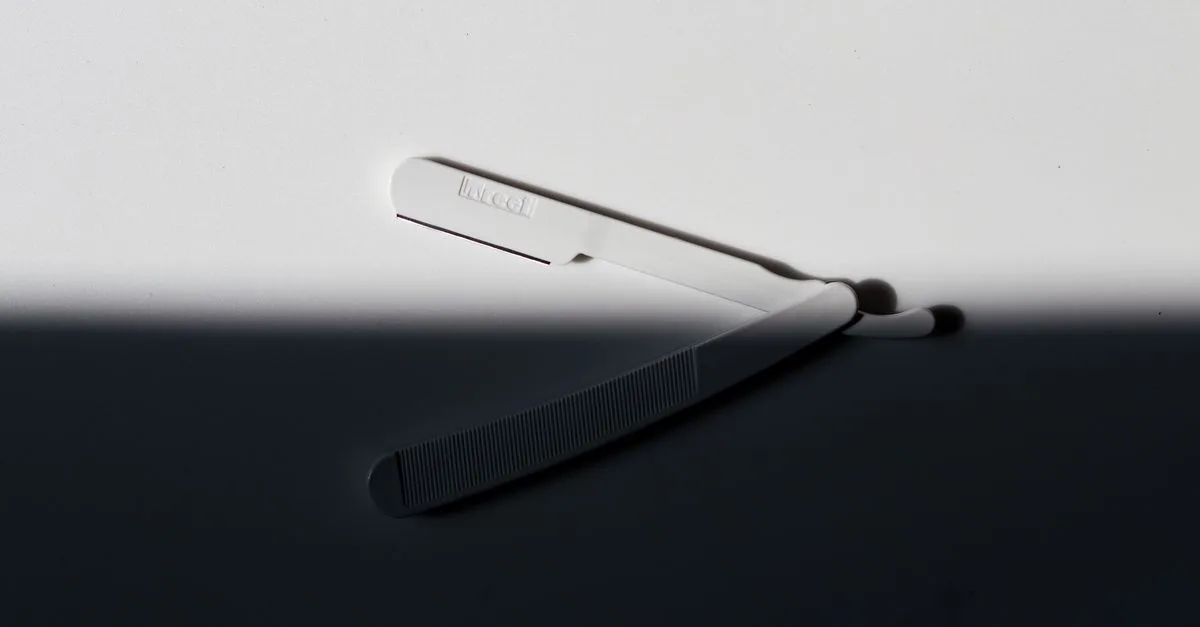
For home use: guarded single-blade facial razors (the slim, often gold-handled type sold in multipacks) — the guard is the safety system; buy decent ones, not the flimsiest. Replace after 2–4 uses: a dulling blade drags, and dragging is where nicks and irritation come from; the multipack pricing assumes this. Electric dermaplaning devices exist — gentler learning curve, slightly less thorough; a fair option for the nervous. Actual scalpel blades: leave those to professionals — the guard-free depth is exactly the difference that training covers. And whatever the tool: it’s single-person equipment, wiped clean and dried after use, retired at the first hint of rust or drag.
Dermaplaning by Skin Type: Tuning the Technique
Oily and resilient skin tolerates the standard protocol easily and often loves the de-greased freshness — just don’t interpret smoothness as license to plane fortnightly. Dry skin should plane less often and moisturize more aggressively after — a blade over flaky patches drags; hydrate for several days first, then plane the smooth canvas. Combination skin: plane the fuzz zones (cheeks, jaw, lip), skip the tight or flaky ones — no rule requires full-face passes. Sensitive-leaning skin: test one cheek, wait 48 hours, and let the verdict be data; many sensitive faces tolerate feather-light dermaplaning better than acids, some don’t tolerate either. Deeper skin tones: the PIH caution from our exfoliation guide applies — any nick or irritation can pigment, so fresh blades, feather pressure, and religious SPF carry double weight; done gently, dermaplaning is entirely compatible with melanin-rich skin.

Timing It Around Events and the Rest of Your Routine
The event-prep question has a real answer: plane two to three days before the wedding, shoot, or big dinner — close enough for peak smoothness, far enough for any pinkness to resolve and for skin to settle under makeup. Never debut dermaplaning the night before an event; first passes carry the most variables. Around the routine calendar: plane on a night without acids or retinoids (and pause both for 2–3 days after), schedule it the week your cycle has recovery room, and let self-tanner users note the bonus — planed skin takes tan remarkably evenly (and the tan fades evenly too, instead of clinging to fuzz and flakes). Monthly rhythm suggestion: plane the same weekend your brows get done — one grooming block, easy to remember, naturally spaced.
The Cost Math, Honestly
Worth thirty seconds of arithmetic: professional dermaplaning runs salon-facial pricing per session, roughly monthly — a three-figure annual habit. The at-home version costs a razor multipack a season plus the moisturizer and SPF you already own — under a tenth of the professional spend for most of the visible result. The honest split of that saved money: put some toward one professional session a year (technique calibration and a deeper pass), and the rest toward the daily sunscreen that protects every result this technique produces. Cheap technique, disciplined aftercare, occasional expert audit — the sustainable formula.
The Bottom Line
Dermaplaning is one of the more honest beauty techniques going: modest claims, immediate visible payoff, low cost, and risks that are entirely technique-and-timing dependent. If smooth-under-makeup and monthly glow maintenance sound worth ten careful minutes, do it right — dry taut skin, feather pressure, fresh blade, gentle aftercare, never over inflammation. And if it sounds like effort for a problem you don’t have: your peach fuzz was never a problem to begin with.
The small honest kit:
The small honest kit:
Frequently Asked Questions
Does dermaplaning make hair grow back thicker?
No — thickness is set by the follicle, which a surface blade never touches. Cut hairs regrow with blunt tips that can feel stubbly briefly, but the hair itself is unchanged. Any truly dark, coarse regrowth was terminal hair that was already there.
How often should you dermaplane?
Every three to four weeks, matching the vellus hair regrowth cycle. More often is over-exfoliation — the glow doesn’t stack, but the irritation does.
Can I dermaplane if I have acne?
Not over active breakouts — a blade spreads bacteria and opens lesions. Clear the acne first, then dermaplane the calm skin between flares, steering around any spots.
Is at-home dermaplaning safe?
With guarded facial razors, fresh blades, dry taut skin, and feather-light 45-degree strokes — yes, reasonably. The professional scalpel version goes deeper and belongs with trained hands.
What should I put on my skin after dermaplaning?
Fragrance-free moisturizer immediately, sunscreen without fail, and nothing aggressive for 2–3 days — no acids, retinoids, or other exfoliation. Freshly planed skin absorbs everything more intensely.
Does dermaplaning help with acne scars or wrinkles?
No — the blade works at the surface, far above scar and wrinkle territory. It improves the look of dullness and fuzz-texture; structural change belongs to retinoids and professional procedures.
Why does my makeup look better after dermaplaning?
Two reasons: no vellus hair for foundation to cling to and stand up on, and no dead-cell roughness to catch light unevenly. That glass-glide finish is dermaplaning’s genuine signature benefit.
Can I dermaplane with just a regular razor?
Body razors are engineered for different terrain — multi-blade cartridges drag too much skin on facial angles. Guarded single-blade facial razors cost a few dollars and are designed for exactly this job; use the right tool.
Should I dermaplane wet or dry skin?
Dry and taut is the standard (you see the fuzz, the blade bites cleanly); a thin layer of light facial oil is the acceptable alternative school for extra glide. Never plane soft, shower-damp skin — it nicks.


 Adhorika Khan