 Adhorika Khan
The beauty industry sells ten thousand products, and the most powerful treatment in the catalog remains free, nightly, and chronically skipped. “Beauty sleep” is not a figure of speech: during deep sleep, skin’s repair machinery runs at full capacity — growth hormone peaks, cell turnover accelerates, collagen production climbs, and the day’s UV and pollution damage gets processed. Short a night and it shows by morning (science has measured exactly how); short a decade and it compounds. One good night out-performs most serums — and the two together beat everything.
This is the complete science-and-practice guide: what actually happens to skin and hair overnight, what sleep deprivation measurably does to your face, the overnight skincare logic, the pillowcase question settled, and the wind-down routine that makes all of it happen.
Key Takeaways
- Night is repair shift: growth hormone, cell turnover, and collagen synthesis all peak during deep sleep — skin literally rebuilds while you’re unconscious.
- Deprivation is visible and measured: studies show observers reliably rate sleep-deprived faces as less healthy and attractive — dark circles, dull tone, and fine lines all amplify.
- Skin is thirstiest at night: transepidermal water loss rises overnight — evening moisturizing works with biology, not just habit.
- Silk pillowcases earn their fame on friction, not magic — less tugging on skin and hair, fewer sleep creases and frayed ends.
- Side-sleeping prints itself on your face over decades — the one-sided wrinkle pattern dermatologists can read like a diary.
What Actually Happens to Skin While You Sleep
Skin runs a circadian shift schedule. Daytime is defense: barrier tightened, oil production up, antioxidant systems patrolling UV and pollution. Night is construction: as you descend into deep sleep, growth hormone pulses — the body’s master repair signal — and skin responds with accelerated cell division (peaking in the small hours), increased collagen synthesis, and DNA-repair activity cleaning up the day’s photo-damage.
Blood flow to skin also rises overnight — the delivery system for the rebuild — which is why well-slept faces have that specific morning freshness, and why the same face after five hours looks gray: the shift got cancelled, and the debris of the day is still on the floor.
One more overnight fact your moisturizer should know: skin loses more water at night — the barrier relaxes and transepidermal water loss climbs — making the evening moisturizer application the most functionally-timed one of the day (and the logic behind every overnight mask and slugging protocol).
What Sleep Deprivation Does to Your Face (The Measured List)
This isn’t vibes — it’s been photographed under controlled conditions. After restricted sleep, studies document: darker under-eye circles and increased puffiness (fluid regulation and vessel dilation both misbehave — the physiology from our puffy eyes and dark circles guides), paler, duller skin tone (that reduced overnight blood flow showing), more visible fine lines (dehydrated, unrepaired skin folds more readily), droopier eyelids and mouth corners, and — the socially brutal finding — independent observers rate sleep-deprived faces as significantly less healthy, less attractive, and more tired without knowing why.
Chronic short sleep escalates: elevated evening cortisol degrades collagen (the stress-aging pipeline), barrier recovery slows measurably, inflammatory conditions — acne, eczema, psoriasis — flare more readily, and one study found chronic poor sleepers showed roughly double the signs of intrinsic skin aging versus good sleepers. The eight-hour night is a longevity serum with a century of safety data.
Hair’s Night Shift (and Night Damage)
Follicles run repair-and-grow programs overnight on the same growth-hormone schedule — and chronic sleep disruption’s stress physiology (cortisol again) is a recognized contributor to excess shedding; the “stressful season, handfuls in the drain” pattern usually includes the sleepless nights as co-author.
But the bigger nightly hair story is mechanical: eight hours of friction against cotton, tension from tight elastics, and tangling. The countermeasures are the classics for a reason: loose braid or silk-scrunchie high pony (“pineapple”) for length, satin or silk pillowcase or bonnet, and never sleeping on soaking-wet hair (swollen wet fiber + friction = the split-end factory running a night shift).
The Overnight Skincare Logic
Night routines work because they schedule ingredients with the biology. Retinoids at night — partly for light-stability, mostly because they accelerate exactly the turnover-and-collagen programs sleep is already running: treatment and shift-schedule aligned (our retinoid guide). Moisturizer as the seal against the overnight water-loss climb — richer at night than day, with ceramide logic in winter. The hydration protocols — flooding, overnight masks, slugging — all exploit the same window. What doesn’t belong overnight: fresh strong acids under occlusion, and — per every guide on this site — makeup, whose overnight residence is a breakout invoice with guaranteed delivery.
The Pillowcase Question, Settled Honestly
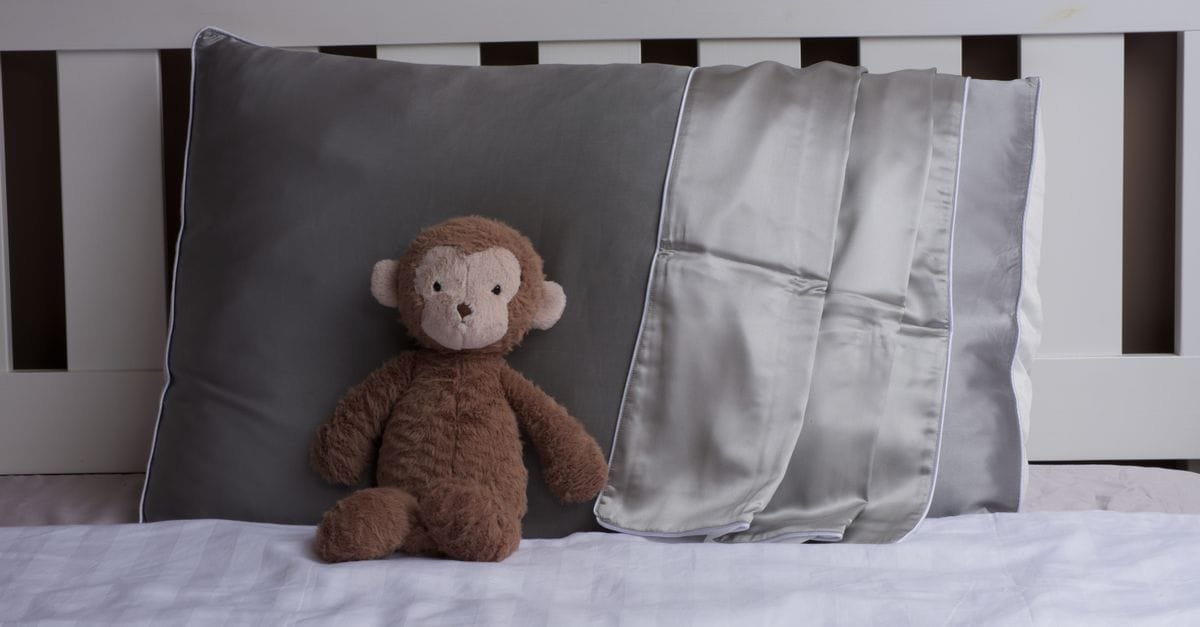
Silk and satin cases earn their keep through friction physics, not skincare magic: less drag means less nightly tugging at skin (fewer morning sleep creases — and over decades, plausibly gentler on the same fold lines), less hair fraying, less moisture wicked out of skin and hair than absorbent cotton manages. What they don’t do: treat acne (though changing any pillowcase weekly does help — the bacteria-and-oil deposit story), erase wrinkles, or justify three-figure pricing; satin performs the physics at a fraction of silk’s cost. Verdict: a legitimate, pleasant upgrade — especially for friction-prone hair and side-sleepers — priced honestly in the mid-range.
Sleep Position: The Wrinkle Diary
Dermatologists can often guess your sleep side from your face: decades of pressing one cheek into a pillow prints sleep lines — vertical creases that start as morning temporary and, with years and declining collagen, settle permanent. Side- and stomach-sleeping also press fluid into the under-eye on the down side (the asymmetric morning puff).
The honest options ladder: back-sleeping solves it entirely (and helps the fluid drainage story) but fights lifelong habit — a pillow under the knees helps converts; silk cases and lower-friction surfaces soften the printing for committed side-sleepers; specialty anti-wrinkle pillows that suspend the cheek exist with enthusiast followings and modest evidence. And perspective, as always: sleep lines are among the gentler prices of being a comfortable mammal — the eight hours matter far more than the geometry.
The Beauty-Sleep Wind-Down (Borrowing From the Sleep Scientists)
The skincare only happens if the sleep does. The evidence-backed basics, beauty-angled: consistent schedule (the circadian repair shift runs best on regular hours — erratic bedtimes are shift-work for your skin); screens dimmed or down an hour before (blue light delays melatonin — and the doomscroll posture presses your face anyway); cool, dark room (16–19°C supports deep sleep — the stage where growth hormone pulses); caffeine curfew at eight-plus hours before bed; alcohol honesty — the nightcap sedates but wrecks deep-sleep architecture, subtracting the exact stage beauty sleep depends on (plus tomorrow’s puff, per the morning-face physiology). The evening skincare ritual itself doubles as a wind-down cue — one of the quiet reasons consistent routines correlate with better skin: they smuggle in better sleep.
The Morning Audit: Reading Your Sleep in the Mirror
Your face files a nightly sleep report: puffy eyes + gray tone + deepened lines = short or broken sleep (the triad resolves by afternoon — proof it was fluid and flow, not aging); one-sided puff and crease = the sleep-position printout; flared breakouts or eczema after a bad week = the inflammation-sleep loop reporting in; morning face that looks like the night before’s makeup = it is. Use the audit kindly — not as another appearance anxiety, but as the cheapest diagnostic in wellness: the mirror is telling you which lever to pull, and the lever is free.

What Beauty Sleep Can’t Do (The Honest Fence)
Sleep is maintenance and repair — it will not fade existing dark spots (that’s the actives department), reverse structural aging (retinoids, SPF, and time-travel remain the options), or out-perform sunscreen (a perfectly slept face still photo-ages in the sun; the SPF guide outranks even this one). And insomnia is a medical condition, not a discipline failure — persistent sleep trouble deserves a doctor, because everything in this article compounds in the other direction too. Sleep is the foundation; the routine is the house; neither substitutes for the other.
The Sleep-Skin Loop in Both Directions
The relationship runs both ways, and the reverse direction deserves its paragraph: skin conditions disturb sleep too — itchy eczema flares peak at night (the circadian barrier relaxation again, cruelly timed), acne anxiety keeps faces in mirrors past midnight, and uncomfortable skin is measurably worse sleep. Which builds the loop: poor sleep inflames skin; inflamed skin degrades sleep; repeat. Breaking it works from both ends simultaneously — the wind-down routine on the sleep side, and honest symptom control on the skin side (the itch treated, the barrier restocked, the breakout on an actual program). For the persistent versions of either half, the professional referral applies: dermatologists treat the night-itch conditions, and sleep medicine treats insomnia — and each specialty will tell you the other’s work makes theirs easier. The loop that torments can be flipped to compound in your favor: better nights, calmer skin, better nights.
Building the Bedroom for Skin (The Environmental Checklist)
The room itself is a skincare variable: a humidifier in heated-air winters keeps the overnight water-loss climb from running unopposed (the cheapest “overnight mask” on the market); clean pillowcases weekly — the overnight face-press deposits oil, product, and bacteria back nightly (twice-weekly during breakouts); cool over cozy — the 16–19°C deep-sleep window beats the tropical bedroom for both sleep architecture and night-sweat skin irritation; darkness as discipline — blackout curtains or a soft eye mask (silk, doing double duty on the friction front); and the phone charging across the room — one relocation that simultaneously fixes the blue-light delay, the doomscroll posture-press, and the 2 a.m. face-illumination habit. None of it is glamorous; all of it is the infrastructure the repair shift runs on.
The Bottom Line
Beauty sleep is the rare beauty claim that survives every fact-check: repair biology runs at night, deprivation prints on the face by morning and compounds by the decade, and the treatment costs nothing but bedtime discipline. Guard the eight hours, time the retinoid and moisturizer to the repair shift, spend modestly on the satin pillowcase, and let the most-tested treatment in human history do nightly what no serum manages: rebuild you, on schedule, for free.
The night-shift kit:
The night-shift kit:
Frequently Asked Questions
Is beauty sleep actually real?
Measurably: deep sleep triggers growth-hormone release that drives skin repair, turnover, and collagen synthesis — and controlled studies show observers reliably rate sleep-deprived faces as less healthy and attractive. The effect is biology, not folklore.
How many hours of sleep does skin need?
The standard 7–9 adult hours, kept consistent — the repair shift runs on circadian schedule, so regular bedtimes matter almost as much as duration. Chronic short sleep shows roughly doubled intrinsic aging signs in research.
Why does my skin look worse after a bad night?
Reduced overnight blood flow leaves tone gray, fluid regulation fails (puffy eyes, darker circles), and unrepaired dehydration deepens fine lines. The triad fades by afternoon — proof it was the missing night, not sudden aging.
Do silk pillowcases really help skin and hair?
For friction, genuinely: less tugging means fewer sleep creases and less hair breakage, and less moisture is wicked away than cotton manages. Satin delivers the same physics cheaply; neither treats acne or erases wrinkles.
Does sleeping position cause wrinkles?
Over decades, yes — side and stomach sleepers press repeated fold lines into the down-side cheek that eventually settle in. Back-sleeping prevents it; silk cases soften it; and it remains one of aging’s gentler bargains.
Should I do skincare right before bed?
Yes — night is when skin loses the most water and runs its repair programs, so the evening moisturizer and retinoid are the best-timed applications of the day. Never sleep in makeup; always sleep on a clean-ish pillowcase.
Can naps help your skin?
Naps repay sleep debt and lower stress hormones, which helps the inflammation-prone — but the deep-sleep repair shift belongs to consolidated night sleep. Treat naps as a supplement, not the program.
Does sleeping with makeup on really damage skin?
Genuinely — overnight makeup blocks the elevated nighttime repair traffic, holds the day’s oxidized oil and pollution against skin, and reliably feeds breakouts. One night is survivable; the habit is a standing invoice.
What’s the best sleeping position for your skin?
Back-sleeping — no pillow pressure, no fluid pooled into the down-side under-eye, no printed sleep lines. For committed side-sleepers, a silk or satin pillowcase and a supportive pillow soften most of the cost.
Does an extra hour of sleep really show on your face?
Study photography says yes — better-rested versions of the same faces rate measurably healthier and more attractive. The morning triad (puff, gray tone, deepened lines) resolves with the debt; consistency compounds it into baseline glow.
Does oversleeping help skin more?
No — the repair benefit plateaus in the normal 7–9 hour range, and chronic oversleeping tracks with its own health issues. Consistency at a sufficient dose beats marathon weekends.
Why do I wake up with creases on my face?
Pillow pressure printing into skin — temporary in youth, progressively more persistent as collagen declines. Back-sleeping prevents it; silk pillowcases and time (they fade by mid-morning) soften it.

 Adhorika Khan