 Adhorika Khan
Nails are the only part of your beauty routine that doubles as a health report: ridges, peeling, and breakage are data, and most of it points to habits, not genetics. Strong, healthy nails come from a short list of unglamorous practices: relentless moisture (cuticle oil and hand cream), gentle mechanics (filing right, never peeling polish), protection from water and chemicals (gloves are treatment), and patience — a fingernail takes four to six months to fully replace itself. No supplement shortcut beats the routine.
This is the complete nail care guide: the anatomy worth knowing, the daily routine that works, honest verdicts on biotin and hardeners, the manicure habits quietly wrecking your nails, and the changes that deserve a doctor instead of a top coat.
Key Takeaways
- Nails are dead keratin — like hair: you can’t “heal” the plate; you protect what’s grown and grow better nail from the root.
- Moisture is the #1 treatment: brittle nails are usually dry nails — oil the cuticles, cream the hands, daily.
- Water is the quiet enemy: wet-dry cycling swells and shrinks the plate until it peels — gloves for dishes are nail care.
- Biotin helps only if you’re deficient (most people aren’t) — and it interferes with lab tests. Food first.
- The cuticle is a seal, not a flaw: push gently if you must; never cut living tissue.
Nail Anatomy in 60 Seconds (It Changes How You Care)
The visible nail — the plate — is dead, compacted keratin, exactly like hair: no blood supply, no healing, no products that “repair” it in any biological sense (the same honest framing as our hair repair guide). The living factory is the matrix, hidden under the skin at the nail base — everything visible today was manufactured there weeks ago, which is why damage takes months to grow out and why all real improvement is future nail.
The supporting cast: the cuticle (the sliver of skin sealing the gap between plate and finger — a waterproof gasket protecting the matrix from bacteria and fungus), the nail bed beneath the plate, and the lunula (the white half-moon — visible matrix, handle with care). One practical translation: fingernails grow ~3mm/month and replace fully in 4–6 months; toenails take a year-plus. Every nail plan is a season-long plan.
Why Nails Get Brittle, Peely, and Sad
Water cycling (the big one): nails absorb water and swell, then dry and shrink — repeat this dozens of times weekly (dishes, cleaning, swimming, obsessive hand-washing) and the plate layers separate: peeling, splitting, soft bendy tips. Dryness: low humidity, age, and detergents strip the plate’s tiny lipid content — brittleness is to nails what chapped is to lips. Chemical exposure: acetone (especially frequent gel/acrylic removal), cleaning products, and dish soap all degrease the plate. Mechanical abuse: nails as tools (tape-peeler, can-opener, label-scraper), aggressive filing, and the two cardinal sins — peeling polish off and picking at gels. Internal factors: iron deficiency, thyroid issues, and crash diets show in nails early (the body deprioritizes them exactly like hair); aging thins and ridges plates naturally. Most “weak nails” are two or three of these stacked — and all of the top four are fixable this week.
The Daily Routine (Two Minutes, Honestly)
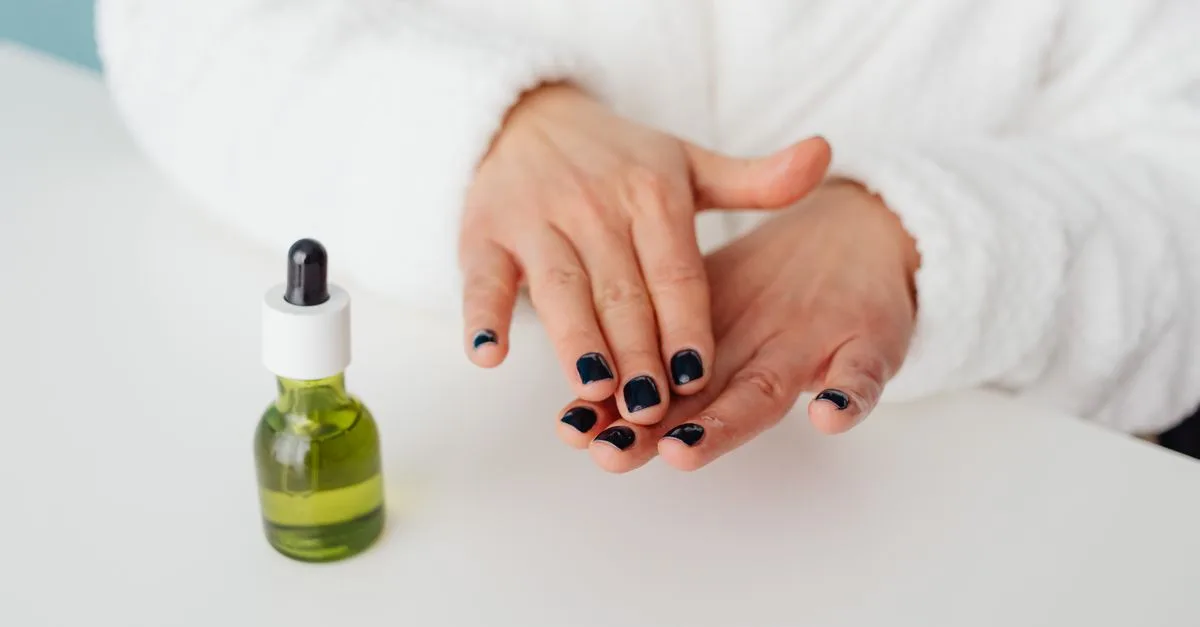
Cuticle oil, nightly. The single highest-value nail product: a drop massaged into each nail base feeds the seal, the matrix area, and the plate edge. Jojoba is a classic (small molecule, skin-identical logic — our face oils guide vocabulary applies); the bottle lives on the nightstand, the habit takes forty seconds.
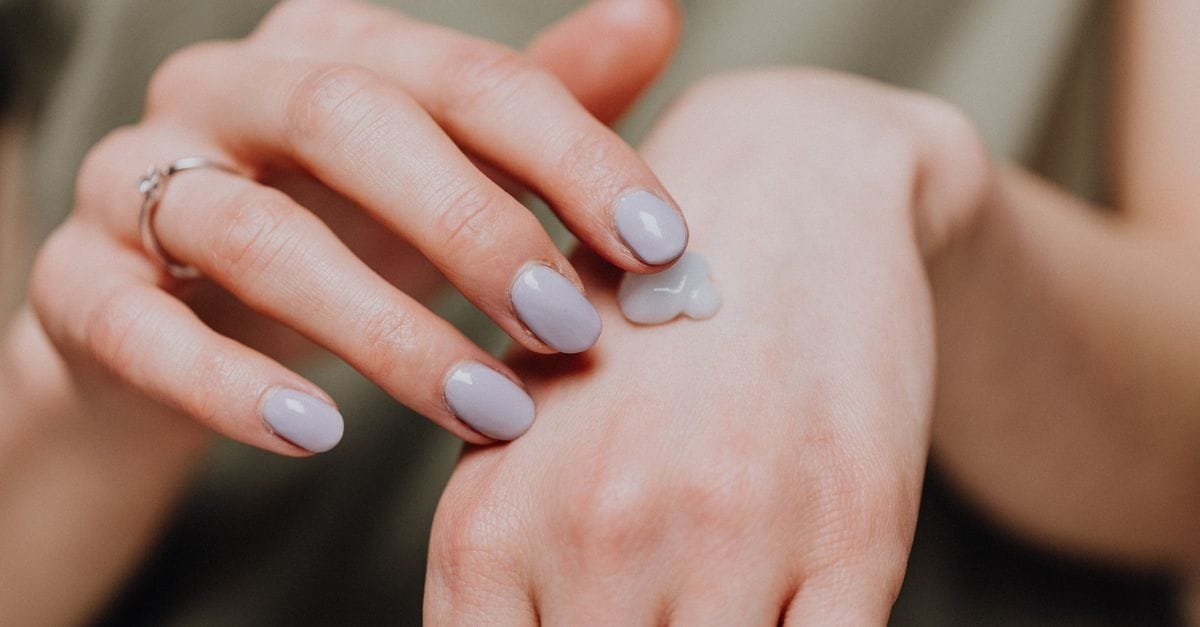
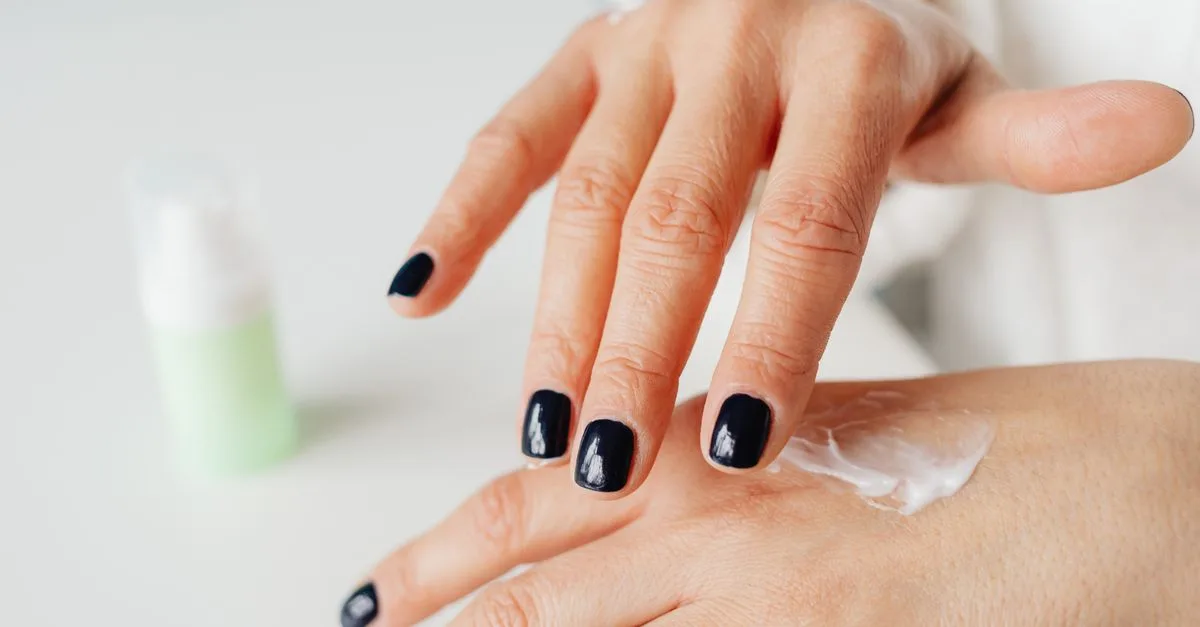
Hand cream after washing. Every wash strips; every cream restores — keep tubes at every sink (the hand cream roundup has picks) and drag the last bit over the nails themselves, not just the skin.
Gloves for wet and chemical work. Dishes, bathroom cleaning, garden — cotton-lined rubber gloves are the least glamorous, most effective nail treatment ever invented. Ten dollars, transformative.
Weekly maintenance: file to shape (below), push cuticles gently post-shower if needed, and one polish-free breathing day between manicure cycles for a moisture-mask night: oil generously, cotton gloves, sleep.
Filing, Trimming, and Shape: The Mechanics
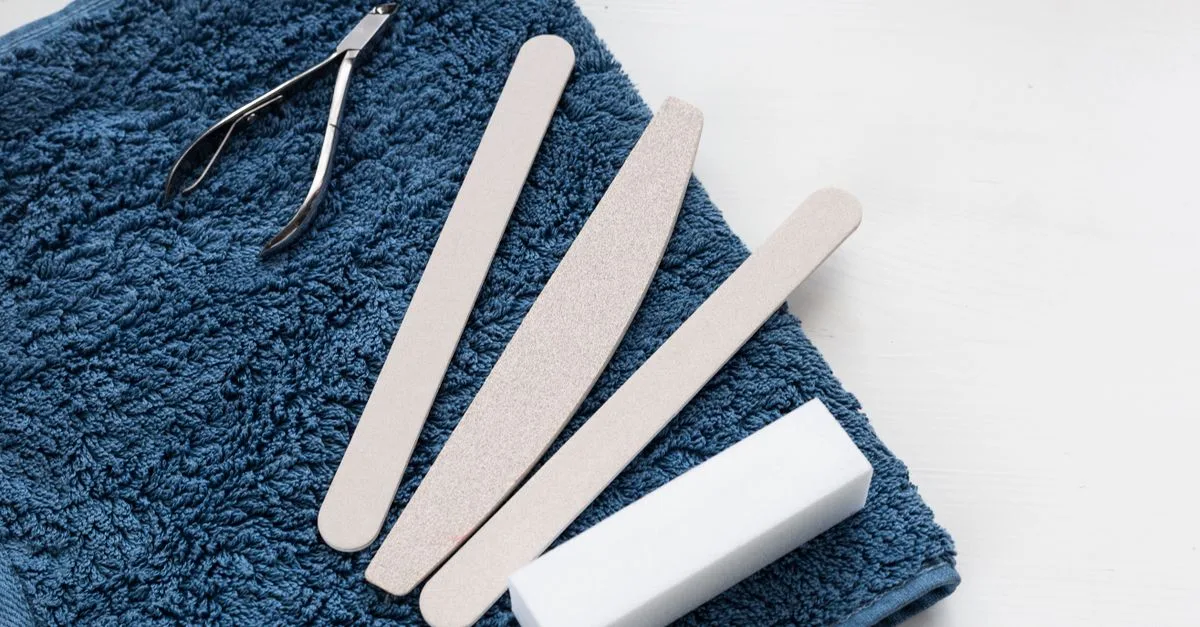
File in one direction — the back-and-forth saw frays the plate’s layers like sawing rope; long strokes, one way, from side toward center. Glass/crystal files beat cardboard emery — finer grit, cleaner edge, washable, lasts years. Trim after showers when plates are soft (clippers on dry brittle nails cause micro-splits that become tomorrow’s tears), in small cuts across the curve — never one big crunch. Shape honestly: shorter and slightly-rounded-square is the strength shape; long stilettos on peel-prone nails are structural fantasy. Length comes after strength returns, not before. And the tools themselves: personal, cleaned occasionally with soap or alcohol, and replaced when clippers dull — a dull clipper crushes before it cuts.
Polish, Gels, and Acrylics: The Honest Hierarchy
Regular polish is nearly harmless — the damage lives in removal (acetone dries; use it efficiently, moisturize after) and in the peeling-it-off habit, which lifts nail layers with the color. Non-negotiable rule: polish comes off with remover, never fingernails. Basecoats genuinely protect against staining; “breathable” polish is marketing (plates don’t breathe — they’re dead; the moisture exchange happens at the cuticle and edge).
Gel manicures look flawless for weeks — and the costs are specific: acetone-soak removal dries plates badly, picking gel off removes actual nail layers (the #1 gel injury, self-inflicted), and the UV curing lamps deliver real cumulative UV to hand skin (fingerless UV gloves or SPF on hands beforehand is the derm-approved move — our SPF guide’s jurisdiction extends to knuckles). Gel responsibly: professional removal or patient full soaks, breaks between sets when plates thin, oil daily throughout.
Acrylics and hard extensions are the highest-maintenance tier: the filing-down of the natural plate before application plus removal cycles thin nails cumulatively — enjoyed best as occasions rather than defaults, with honest recovery seasons between. Whatever the format: a “damaged” nail after enhancement removal isn’t ruined — it’s thinned, and it grows out completely on the 4–6 month clock with the boring routine above.
Do Nail Supplements Work? (Biotin, Collagen, and Honesty)
Biotin: genuinely improves nail thickness — in people who are deficient, which in developed countries is rare. For everyone else, evidence is thin, and there’s a real caution doctors wish more people knew: high-dose biotin interferes with common lab tests (thyroid, cardiac markers) — tell your doctor before any blood work, or better, skip the megadose entirely. Collagen: small industry-adjacent studies suggest modest benefit; the honest read matches our skincare verdict — promising-not-proven, and food protein does the same job cheaper. The real internal levers: adequate protein (nails are protein), iron status if you’re fatigued-and-brittle (worth an actual blood test), and general nutrition. A supplement can’t out-dose dishwater — fix the gloves before the capsules.
Nail Hardeners and Strengtheners: Read Before Buying
Two different products share the shelf. Formaldehyde/formalin hardeners genuinely stiffen plates — and overused, they over-harden into glass-brittle nails that snap instead of bend, plus carry sensitization risk; they’re a short-course tool for genuinely soft nails, not a maintenance layer. Moisturizing strengtheners (panthenol, oils, keratin-adjacent films) are gentler — closer to a treatment basecoat — and pair with, rather than replace, the oil-and-gloves routine. The honest ranking for peeling, dry, brittle nails remains: moisture first, mechanics second, strengthener third, hardener rarely, supplements last.
Cuticle Care: The Seal You Shouldn’t Break
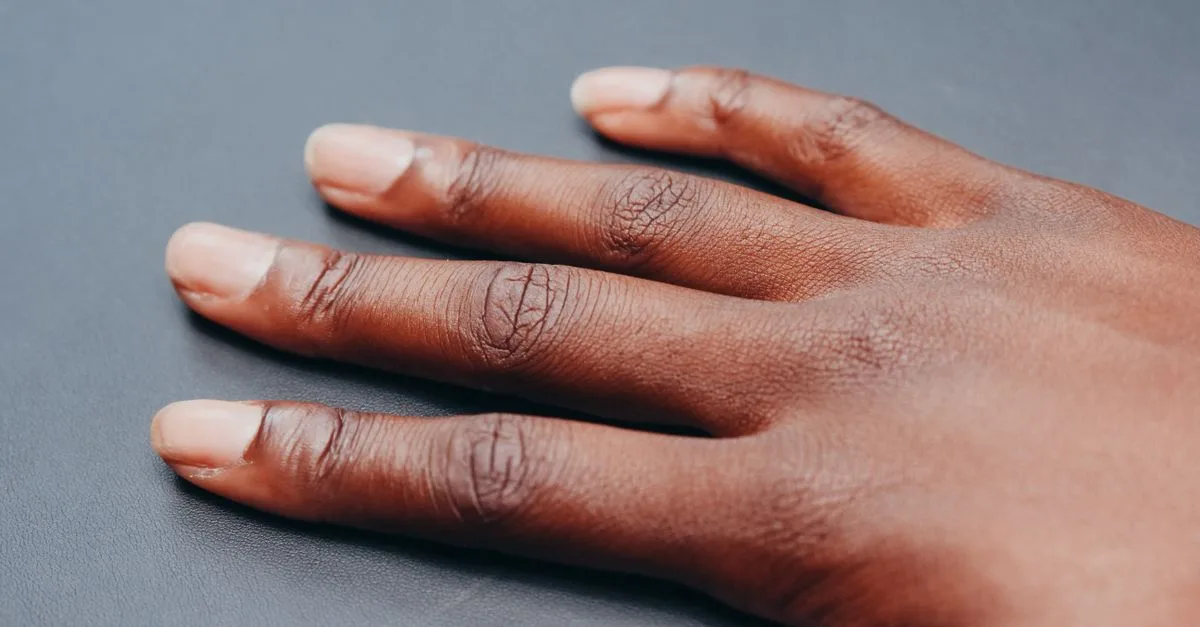
The cuticle is the waterproof gasket guarding your nail factory — which reframes the salon ritual of cutting it as what dermatologists have always called it: opening a door for bacteria and fungus (paronychia, the painful swollen nail-fold infection, walks through exactly that door). The care protocol: oil it nightly (soft cuticles don’t tear into hangnails), push gently post-shower with a soft pusher only where overgrowth genuinely bothers you, trim only true hangnails (the torn flag of dead skin) with clean sharp nippers — never the intact seal, and at salons, say “push only, please” and mean it. Ragged cuticles are almost always dry cuticles: the oil habit fixes in two weeks what cutting makes worse for years.
When Nails Are Telling You Something: See a Doctor
Cosmetic care has borders; these cross them: a dark streak or new pigmented band under a nail (usually benign, occasionally melanoma — always professional eyes, promptly); nail separating from the bed (onycholysis — thyroid, psoriasis, fungus, or trauma); thickened, yellowed, crumbly nails (likely fungal — treatable, but properly, and OTC guessing wastes months); deep horizontal grooves (Beau’s lines — the nail’s record of major illness or stress months ago); pitting (small dents — psoriasis’s signature); spooning or severe persistent brittleness (iron and thyroid live here); and painful, hot, swollen nail folds (infection, treat today, not eventually). Nails archive four to six months of health history in plain sight — most of it is habit-fixable, and the exceptions are worth the appointment.
Toenails: The Forgotten Half
Same keratin, different physics: toenails grow at a third of fingernail speed (a full replacement takes a year or more), live in the warm humid dark of shoes — fungus’s favorite climate — and take mechanical abuse fingernails never see. The care translation: trim straight across, not curved (curved corners growing into skin are how ingrown toenails start — and chronic ingrowns deserve a podiatrist, not repeated bathroom surgery), keep them shorter than feels stylish (long toenails in shoes microtrauma the nail bed — the mystery bruised toenail of every hiker and runner), rotate and dry footwear (fungal prevention is moisture management), and give pedicure polish real breaks — months of continuous polish on toenails hides early fungal changes exactly where they’re most common. The oil-and-moisture routine applies down there too; feet just never get the memo unless you send it deliberately.
The Hand-Sanitizer Era Note
Modern life added a nail stressor worth naming: alcohol sanitizer, used many times daily, degreases plates and cuticles exactly like acetone-lite — and the post-2020 sanitizing habit tracks with a wave of brittle-nail complaints. The fix isn’t abandoning hygiene; it’s pairing it — sanitizer first, hand cream after, the same rhythm as washing. Keep the two bottles physically together (desk, car, bag) and the pairing becomes automatic. Nails record habits in keratin; make sure yours are recording the cream as often as the alcohol.
The Bottom Line
Strong nails are a boring-habits dividend: oil at night, cream after washing, gloves in the sink, one-direction filing, polish removed like an adult, and gels enjoyed with informed care. Give the routine one full growth cycle — four to six months, photographed monthly — and the nails that emerge from the matrix will be the proof. The plate you have today is history; the routine you start tonight is the nail you’ll have in spring.
The tiny honest kit:
The tiny honest kit:
Frequently Asked Questions
How can I strengthen my nails fast?
“Fast” is nails’ least favorite word — the plate replaces itself over 4–6 months. The fastest real levers: nightly cuticle oil, hand cream after every wash, gloves for wet work, and ending the polish-peeling habit today. Visible improvement arrives in weeks; full transformation takes the cycle.
Does biotin really help nails grow?
Only convincingly in people who are biotin-deficient, which is rare. For everyone else the evidence is weak — and high-dose biotin interferes with thyroid and cardiac lab tests, so tell your doctor if you take it. Protein and iron status matter more.
Why do my nails peel in layers?
Usually wet-dry cycling: water swells the plate, drying shrinks it, and repeated cycles separate the layers — dishes, cleaning, and frequent washing are the classic causes. Gloves plus daily oil and cream reverse it over a growth cycle.
Is cutting cuticles bad?
Yes — the cuticle seals bacteria and fungus out of the nail matrix, and cutting it opens that door (painful paronychia infections start exactly there). Oil it nightly, push gently after showers if needed, and trim only true hangnails.
Do gel manicures ruin your nails?
The gel itself is less guilty than the lifecycle: acetone soaks dry the plate, picking gel off tears away nail layers, and UV lamps add cumulative sun exposure to hands. Professional removal, breaks between sets, daily oil, and SPF or UV gloves make gels a reasonable habit.
What do ridges in nails mean?
Vertical ridges are usually just aging — normal and harmless, buffed gently if they bother you. Deep horizontal grooves (Beau’s lines) record a past illness or major stress, and new dark streaks under a nail always deserve a doctor’s look.
How long does it take to fix damaged nails?
The damaged plate never “heals” — it grows out and gets replaced. Fingernails take four to six months for full turnover, so commit the routine for one season and judge by the new growth at the base.
Is it bad to leave nail polish on all the time?
Continuous polish mostly hides problems rather than causing them — but removal chemistry adds up, and covered nails (especially toenails) can conceal early fungal changes. A bare-nail week between cycles is cheap insurance.

 Adhorika Khan