 Adhorika Khan
A natural haircare routine isn’t a trend. It’s a commitment to healthier, more resilient hair. Many hair products contain chemicals.
They can strip your hair’s natural oils. This leaves it dry, frizzy, and prone to damage. A natural routine helps restore hair health, shine, and scalp wellness. But why is a natural haircare routine so effective, and where do you begin?
A natural haircare routine means choosing nourishing, not harmful, products. It focuses on ingredients that promote long-term hair health. This method supports your hair and scalp’s natural biology. It reduces breakage, split ends, and strengthens roots. To need hair extensions, click here.
A customized routine helps, no matter your hair type. Curly, wavy, or straight, it meets your needs. It makes your hair easier to style without harsh chemicals.
This guide will cover all aspects of a natural haircare routine. It will include both creating and following it. You’ll learn about the essential building blocks. You’ll discover the best ingredients to include. You’ll explore easy, step-by-step routines.
Plus, we’ll delve into common mistakes to avoid, DIY recipes, expert tips, and more. Ready to take the next step toward healthier hair? Dive in to find everything you need to know to start your journey. To need hair extensions, click here.
Why a Natural Haircare Routine is Essential for Healthier Hair
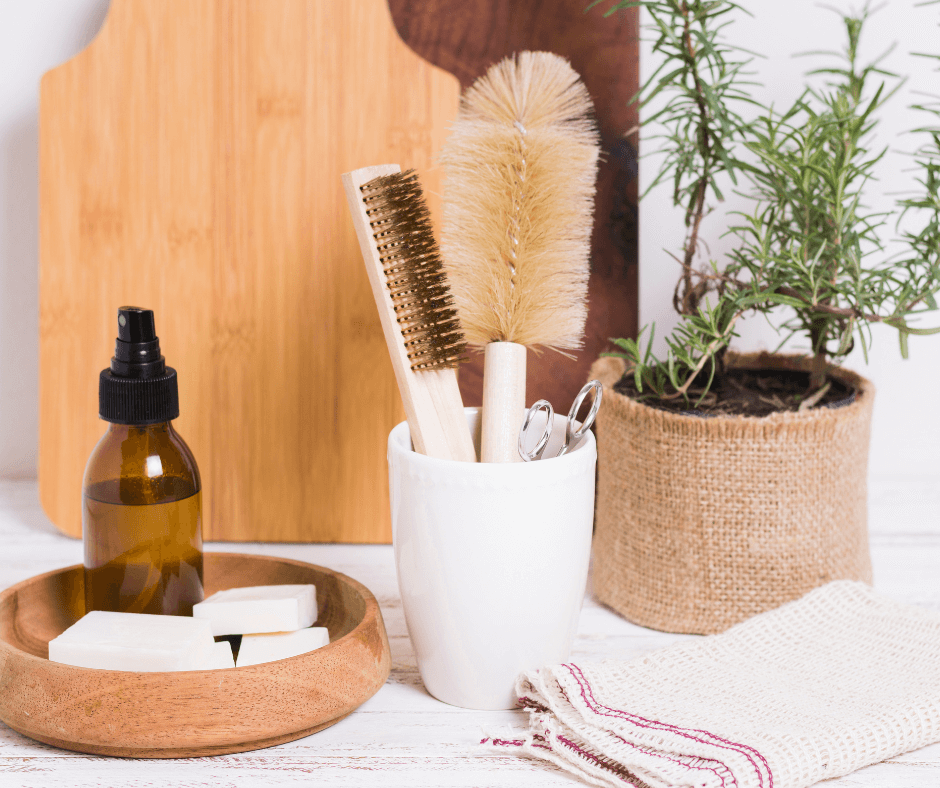
A natural haircare routine has many benefits. They go beyond looks. Natural products can improve your hair’s health from root to tip. They will make your hair stronger, shinier, and easier to manage over time.
But what exactly makes this approach effective, and why is its popularity increasing? Let’s explore why a natural hair care routine is best for hair health.
1. Reduces Exposure to Harsh Chemicals
Most traditional haircare products, like shampoos and conditioners, contain chemicals. These include sulfates, parabens, and synthetic fragrances. These ingredients can work short-term. But they often disrupt the scalp’s balance. To need hair extensions, click here.
This can lead to dryness, irritation, and even hair loss over time. A natural haircare routine uses only plant-based, organic ingredients. It eliminates harmful ones. This shift reduces chemical exposure, allowing your scalp and hair to thrive naturally.
2. Supports Scalp Health
The foundation of healthy hair lies in a well-maintained scalp. Natural products usually have gentle, scalp-friendly ingredients. These include jojoba oil, tea tree oil, and aloe vera. They promote hydration and balance.
These ingredients cleanse the scalp. They won’t strip away essential oils. This creates a healthier environment for hair to grow. A healthy scalp reduces dandruff and irritation. It improves hair texture.
3. Strengthens and Nourishes Hair
Many conventional haircare products seek quick fixes. A natural routine, however, is meant to strengthen and nourish your hair from within. Coconut oil, argan oil, and shea butter penetrate the hair shaft.
They provide deep moisture that improves elasticity and reduces breakage. Over time, this nourishes your hair. It makes it stronger, softer, and more resistant to damage.
| Conventional Haircare | Natural Haircare |
|---|---|
| Contains sulfates and parabens | Free from harsh chemicals |
| Synthetic fragrances | Uses natural, plant-based scents |
| Can cause dryness | Moisturizes and hydrates naturally |
| Temporary results | Long-term benefits for hair health |
Need affordable tools and products for your natural haircare routine? Discover a wide selection on AliExpress to find budget-friendly options that fit your needs.
Looking for a reliable natural haircare product to enhance your routine? Check out this top-rated option on Amazon for quality and effectiveness.
4. Enhances Hair Texture and Appearance
A consistent natural haircare routine enhances your hair’s natural texture, whether it’s straight, wavy, curly, or coily. With reduced frizz and added moisture, you’ll notice smoother and shinier hair that’s easier to style and manage.
The plant oils and extracts in natural products help define your hair’s natural shape, making it look fuller and more vibrant without needing heavy styling products.
5. Environmentally Friendly and Sustainable
Natural haircare products are not only good for your hair but also for the planet. Many conventional haircare products contain synthetic ingredients derived from non-renewable resources and packaged in non-biodegradable containers.
By choosing products with natural, sustainably sourced ingredients and recyclable packaging, you’re contributing to a healthier environment.
Pros and Cons of a Natural Haircare Routine
| Pros | Cons |
|---|---|
| Gentle on the scalp and hair | Can be pricier than conventional products |
| Long-term health benefits | Results may take time to show |
| Less breakage and damage | Limited availability in certain regions |
| Environmentally friendly | May require more frequent usage due to mild formulations |
6. Encourages a Personalized Haircare Approach
A natural routine encourages you to pay closer attention to your hair’s unique needs, such as hydration, protein balance, and scalp health. By understanding your hair type and choosing natural products suited to it, you can create a routine that works best for you.
For example, those with wavy hair might focus on lightweight oils, while individuals with low-porosity hair could benefit from more moisturizing ingredients like shea butter and aloe.
Making the Shift to a Natural Haircare Routine
Transitioning to a natural haircare routine can feel daunting at first, especially if you’re used to conventional products. However, starting with small steps-such as replacing your shampoo with a sulfate-free, plant-based option or incorporating a weekly oil treatment-can make a significant difference.
Stick with it, and within a few months, you’ll likely see visible improvements in your hair’s health and manageability. To need hair extensions, click here.
In summary, a natural haircare routine is an investment in the long-term health and beauty of your hair. By minimizing harsh chemicals, supporting scalp health, and nourishing your hair from within, you can experience sustainable improvements in texture, strength, and overall appearance.
Ready to begin? In the next section, we’ll dive into the Building Blocks of a Natural Haircare Routine, offering foundational steps to guide you on this journey.
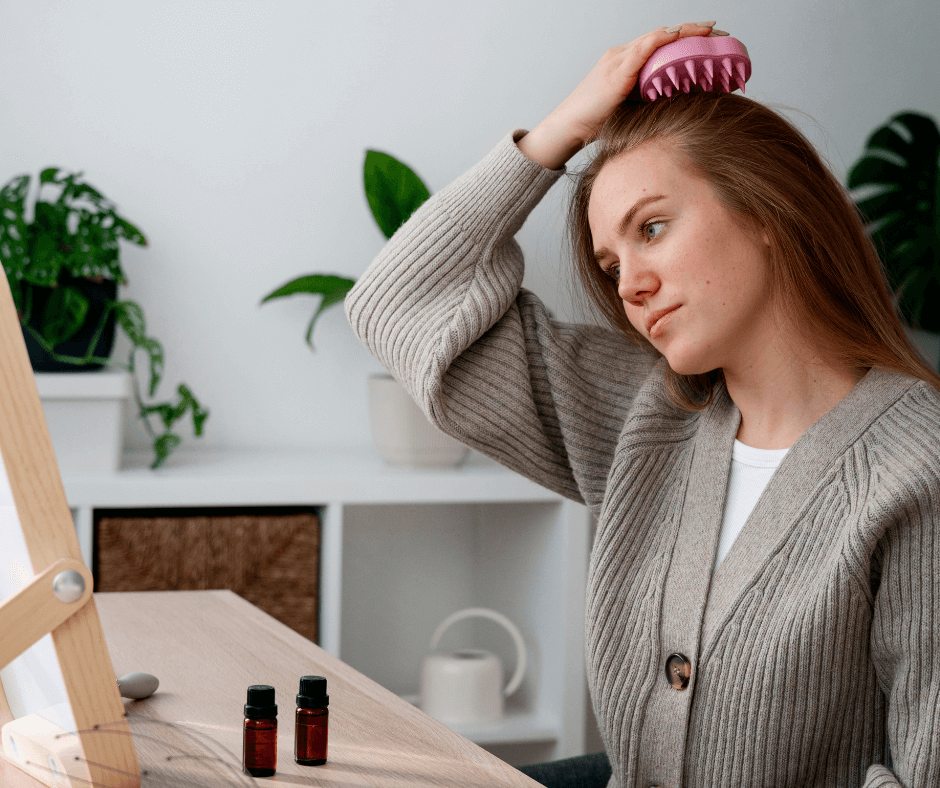
Building Blocks of a Natural Haircare Routine
Establishing a natural haircare routine is a journey that starts with understanding the unique needs of your hair. This section covers the fundamental steps to build a routine that nurtures, strengthens, and enhances your natural hair, free from harsh chemicals and synthetic ingredients.
Let’s break down the key components that form the basis of an effective and personalized natural haircare routine.
1. Know Your Hair Type and Texture
Your hair type-whether it’s straight, wavy, curly, or coily-plays a crucial role in determining the best products and methods for your haircare routine. Additionally, factors like hair porosity and hair density affect how well your hair absorbs moisture, influencing the products that will work best for you.
- Straight Hair: Typically requires lightweight products to prevent greasiness.
- Wavy Hair: Benefits from moderate moisture without heavy oils.
- Curly and Coily Hair: Requires deep hydration and heavier products to lock in moisture.
To identify your hair type and tailor your routine, check out this Hair Type Guide.
2. Scalp Care: The Foundation of Healthy Hair
A well-cared-for scalp is the foundation of any good natural haircare routine. The scalp should be kept clean and balanced, as it’s responsible for nourishing the hair follicles and promoting growth.
- Gentle Cleansing: Use a sulfate-free shampoo or cleansing conditioner to avoid stripping the scalp of natural oils. Look for products with ingredients like tea tree oil and peppermint, which help to soothe and refresh the scalp.
- Exfoliation: Gently exfoliating your scalp once a month helps remove dead skin cells and product buildup, keeping the follicles unclogged and healthy.
| Scalp Care Step | Recommended Frequency |
|---|---|
| Shampoo/Cleanse | Weekly or bi-weekly |
| Exfoliation | Monthly |
| Scalp Massage | 2-3 times per week |
3. Moisturize and Hydrate
Moisture is essential in every natural haircare routine, especially if you have curly or coily hair, which tends to be drier. Natural moisturizers provide hydration without the heavy buildup, enhancing shine and softness.
- Lightweight Oils for Fine Hair: Use oils like jojoba or grapeseed oil to add moisture without weighing down the hair.
- Heavy Moisturizers for Coarser Textures: Curly and coily hair often benefits from richer oils such as shea butter or coconut oil, which provide lasting moisture.
- Leave-In Conditioners: A leave-in conditioner can be applied after washing to help detangle, moisturize, and add a protective layer to the hair.
4. Protect Your Hair with Gentle Styling
Natural haircare isn’t just about products—it’s also about adopting gentler styling techniques that preserve hair health and prevent damage.
- Avoid Tight Styles: Styles like tight ponytails can cause breakage. Opt for looser styles and use soft hair ties or scrunchies.
- Air Drying: Whenever possible, allow your hair to air dry instead of using high heat. If you need to blow-dry, use a heat protectant spray.
- Protective Styling: Braids, twists, or buns can help reduce daily manipulation, protecting the hair from environmental stressors.
5. Routine Trims for Healthy Ends
While trims may seem unrelated to a natural haircare routine, regularly removing split ends helps maintain overall hair health. Split ends, if left unchecked, can travel up the hair shaft, causing more breakage.
- Trim Frequency: Aim for a trim every 8-12 weeks, depending on your hair type and styling habits.
Sample Natural Haircare Routine
Here’s a sample weekly routine that you can customize based on your hair’s unique needs.
| Day | Routine | Purpose |
|---|---|---|
| Mon | Cleansing with sulfate-free shampoo | Remove buildup |
| Tue | Moisturize with leave-in conditioner | Hydrate and nourish |
| Wed | Light scalp massage with natural oil | Stimulate blood flow and scalp health |
| Thu | Protective styling (e.g., bun, braids) | Reduce daily manipulation |
| Fri | Deep conditioning treatment | Provide intense moisture |
| Sat | Styling with lightweight oil for shine | Add final moisture and shine |
| Sun | Rest day—avoid manipulation | Allow hair and scalp to recover |
Consistency is Key
Establishing a routine haircare schedule and sticking with it is crucial for achieving long-term benefits. Hair health doesn’t transform overnight, but with patience and consistency, you’ll begin to notice improved texture, reduced breakage, and a healthier overall appearance.
Personalization and Adjustments
Remember, there’s no one-size-fits-all approach to natural haircare. As you continue on your journey, adjust your routine based on seasonal changes, new hair goals, or simply the way your hair responds.
Whether it’s adding a new oil, switching up your shampoo, or trying out different protective styles, the flexibility of a natural haircare routine lets you tailor it to meet your unique needs.
This concludes the foundational aspects of a natural haircare routine. Up next, we’ll delve into Key Ingredients to Include in Your Natural Haircare Routine, where we’ll cover essential oils, butters, and more to enhance your routine and maximize hair health.
Need affordable tools and products for your natural haircare routine? Discover a wide selection on AliExpress to find budget-friendly options that fit your needs.
Looking for a reliable natural haircare product to enhance your routine? Check out this top-rated option on Amazon for quality and effectiveness.
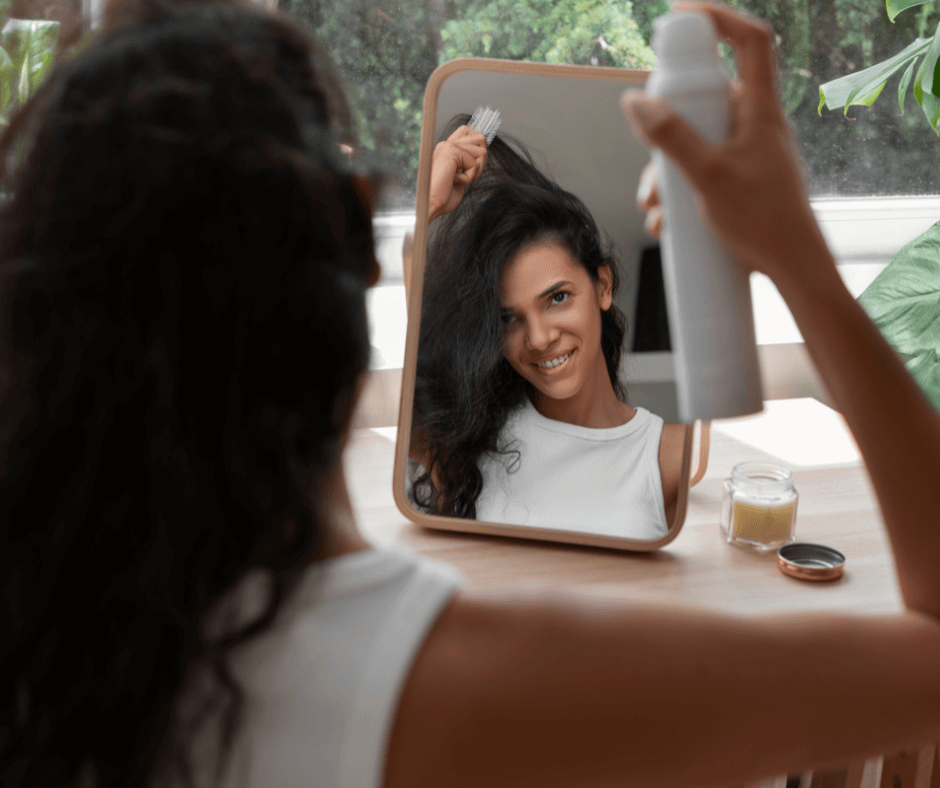
Key Ingredients to Include in Your Natural Haircare Routine
The ingredients you choose for your natural haircare routine can make a huge difference in your hair’s overall health and appearance. Natural ingredients, free from harsh chemicals, nourish your hair, improve moisture retention, and strengthen each strand from within.
In this section, we’ll explore some of the most beneficial ingredients to include in your routine, how they work, and why they’re a must-have for achieving healthier, more resilient hair.
1. Nourishing Oils
Oils play a significant role in any natural haircare routine, helping to seal moisture, add shine, and protect against environmental damage. Different oils provide various benefits, so it’s worth experimenting to find the best fit for your hair type.
- Coconut Oil: Known for its ability to penetrate the hair shaft deeply, coconut oil provides hydration and reduces protein loss. It’s ideal for curly and coily hair types.
- Argan Oil: Often called “liquid gold,” argan oil is rich in antioxidants, vitamin E, and essential fatty acids. It helps reduce frizz, adds shine, and protects hair from heat damage.
- Jojoba Oil: Closely mimics the natural oils of the scalp, making it perfect for moisturizing without causing buildup. It’s especially beneficial for fine hair.
| Oil | Best for Hair Types | Key Benefits |
|---|---|---|
| Coconut Oil | Curly, Coily | Deep hydration, protein retention |
| Argan Oil | All types | Frizz reduction, shine, heat protection |
| Jojoba Oil | Fine, Wavy | Moisture without buildup |
2. Butters for Deep Moisture
Natural butters like shea and cocoa butter offer intense hydration, which is essential for curly, dry, and coarse hair types that are more prone to moisture loss.
- Shea Butter: Rich in vitamins A and E, shea butter deeply moisturizes and strengthens hair while reducing frizz. It’s also known for its anti-inflammatory properties, which soothe the scalp.
- Cocoa Butter: Contains antioxidants and fatty acids that protect hair from environmental damage, improve elasticity, and add a natural shine. Cocoa butter is an excellent option for coarser hair types that need heavy moisturization.
3. Essential Oils for Scalp Health
Essential oils are powerful concentrates that benefit scalp health by stimulating blood flow, reducing dandruff, and soothing irritation. A few drops mixed with a carrier oil can be transformative for your natural haircare routine.
- Peppermint Oil: Known for its cooling sensation, peppermint oil increases blood circulation to the scalp, promoting hair growth and relieving itchiness.
- Tea Tree Oil: With antibacterial and antifungal properties, tea tree oil is ideal for those with dandruff or scalp irritation. It helps maintain a clean and balanced scalp environment.
- Lavender Oil: Lavender oil is calming for the scalp and can help reduce stress, which indirectly benefits hair health.
4. Hydrating and Soothing Herbal Extracts
Natural herbal extracts not only add moisture but also promote shine, elasticity, and scalp health. Many herbal ingredients are also gentle enough to use regularly without causing buildup. To need hair extensions, click here.
- Aloe Vera: Known for its hydrating and soothing properties, aloe vera balances scalp pH, reduces dandruff, and improves hair softness.
- Green Tea: Rich in antioxidants, green tea strengthens hair and protects against UV damage, making it especially helpful for those exposed to sunlight frequently.
- Chamomile: Soothes the scalp and adds a subtle natural highlight to lighter hair tones. It’s particularly beneficial for sensitive scalps.
| Herbal Extract | Key Benefit | Suitable for Hair Types |
|---|---|---|
| Aloe Vera | Hydration, pH balance | All types |
| Green Tea | Strength, UV protection | All types, especially those in sun |
| Chamomile | Scalp soothing, highlighting | Light hair, sensitive scalps |
5. Natural Protein Treatments
Protein is essential for strengthening hair, especially for those prone to breakage or with chemically treated hair. Natural protein sources help restore structure and reduce damage.
- Keratin: A protein that makes up the structure of hair, keratin treatments can help smooth frizz and add strength. Look for natural keratin-infused products for gentle, effective strengthening.
- Rice Water: Known for its high amino acid content, rice water helps to improve elasticity, add shine, and strengthen hair. It’s a popular DIY treatment for all hair types.
- Silk Protein: Helps retain moisture and reduce hair porosity, making it suitable for those with porous or damaged hair.
6. pH-Balancing Ingredients
Maintaining a balanced pH is crucial for a healthy scalp and strong hair. pH-balancing ingredients prevent dryness, reduce irritation, and help the hair cuticle lay flat for smoother, shinier hair.
- Apple Cider Vinegar (ACV): ACV helps balance scalp pH, reduces dandruff, and clarifies hair by removing buildup. A diluted ACV rinse can be used weekly to keep hair and scalp balanced.
- Yogurt: With natural probiotics and lactic acid, yogurt helps maintain scalp health and adds protein, making it beneficial for conditioning and softening.
Incorporating Ingredients into Your Routine
To maximize these ingredients’ effectiveness, consider creating a weekly routine that balances hydration, strength, and protection. Here’s an example:
| Routine Step | Suggested Ingredient | Frequency |
|---|---|---|
| Cleanse | Apple Cider Vinegar | Weekly rinse |
| Deep Moisture | Shea or Cocoa Butter | Weekly mask |
| Protein Treatment | Rice Water | Bi-weekly |
| Scalp Massage | Peppermint Oil + Jojoba Oil | Twice a week |
| Daily Moisturizer | Aloe Vera or Light Oil | Daily as needed |
Avoid Harmful Ingredients
When establishing a natural haircare routine, it’s equally important to avoid ingredients that may hinder hair health. Sulfates, parabens, and synthetic fragrances are common in conventional products and can lead to dryness, irritation, and buildup.
Instead, choose products that focus on natural and plant-based alternatives, ensuring that each ingredient supports your hair’s natural structure and health.
Using the right ingredients tailored to your hair type can transform your routine, making your hair healthier, stronger, and more vibrant.
Up next, in Step-by-Step Guide to a Natural Haircare Routine, we’ll cover how to incorporate these ingredients into a daily, weekly, and monthly routine for maximum benefit.

Step-by-Step Guide to a Natural Haircare Routine
Crafting an effective natural haircare routine involves developing a regimen that’s easy to follow and tailored to your hair’s specific needs. Whether you have straight, wavy, curly, or coily hair, a consistent routine is essential for promoting long-term health and resilience.
Here, we’ll provide a comprehensive guide to creating a daily, weekly, and monthly natural haircare routine, along with tips on seasonal adjustments.
Daily Routine
Your daily routine is about maintaining moisture, protecting your hair, and ensuring your scalp stays balanced. This foundational care sets the stage for healthy, manageable hair.
- Hydration Spray: Start the day by spritzing a hydrating mist, like a mixture of water and aloe vera, to refresh and moisturize your hair. Aloe vera adds light hydration without weighing hair down.
- Lightweight Oils: For added shine and moisture, apply a few drops of a lightweight oil, like jojoba or argan oil, focusing on the ends to reduce frizz and prevent split ends. Avoid heavy oils if you have fine hair, as they can cause buildup.
- Gentle Detangling: Use a wide-tooth comb or your fingers to detangle your hair. This minimizes breakage and helps distribute natural oils. If needed, add a bit of leave-in conditioner to make detangling easier.
| Daily Steps | Suggested Products | Purpose |
|---|---|---|
| Hydration Spray | Water + Aloe Vera | Refresh and hydrate hair |
| Lightweight Oil | Jojoba or Argan Oil | Add shine, reduce frizz |
| Detangling | Wide-tooth comb, leave-in conditioner | Prevent breakage, maintain smoothness |
Weekly Routine
The weekly routine is where you focus on deeper cleansing and intensive moisture to keep your hair strong and balanced.
- Cleansing: Use a gentle, sulfate-free shampoo once a week to cleanse your scalp and remove product buildup. Avoid harsh cleansers that strip natural oils; instead, look for a formula with tea tree oil or peppermint for a refreshing cleanse.
- Deep Conditioning: Follow up with a deep conditioning treatment that includes nourishing ingredients like shea butter or cocoa butter. Apply the conditioner from the mid-lengths to the ends, then cover your hair with a shower cap for 20-30 minutes to allow for maximum absorption.
- Scalp Care: Massage a few drops of essential oil, like peppermint or lavender oil, into your scalp to stimulate blood flow and reduce any itchiness or dryness.
| Weekly Steps | Suggested Products | Purpose |
|---|---|---|
| Sulfate-Free Shampoo | Tea Tree or Peppermint Shampoo | Cleanse scalp, remove buildup |
| Deep Conditioning | Shea or Cocoa Butter Conditioner | Intense hydration and repair |
| Scalp Massage | Peppermint or Lavender Oil | Stimulate circulation, soothe scalp |
Monthly Routine
The monthly routine is designed to address any specific issues, provide deep nourishment, and reset your hair for the upcoming month.
- Protein Treatment: Once a month, apply a protein treatment, such as rice water or keratin-based masks, to strengthen your hair’s structure. Protein treatments are particularly beneficial if your hair is prone to breakage or is chemically treated.
- Clarifying Rinse: Use an apple cider vinegar (ACV) rinse once a month to balance the scalp’s pH, clarify your hair, and remove any lingering buildup. Mix 1 part ACV with 3 parts water, apply after shampooing, leave for a few minutes, and rinse thoroughly.
- Trim the Ends: To prevent split ends from traveling up the hair shaft, trim your ends every 8-12 weeks. Regular trims maintain your hair’s health and prevent breakage.
| Monthly Steps | Suggested Products | Purpose |
|---|---|---|
| Protein Treatment | Rice Water or Keratin Mask | Strengthen hair, reduce breakage |
| Clarifying Rinse | Apple Cider Vinegar + Water | Balance pH, remove buildup |
| Trimming | Scissors or professional stylist | Prevent split ends, maintain health |
Seasonal Adjustments
As seasons change, so should your haircare routine. Weather affects moisture levels, so adjusting your regimen helps maintain hair health year-round.
- Winter: During colder months, focus on adding extra moisture and avoiding dryness. Opt for heavier oils and butters like coconut oil or shea butter to lock in moisture.
- Summer: In hotter, more humid weather, switch to lighter products and consider wearing protective styles to minimize UV exposure. Aloe vera gel is great for keeping hair hydrated without weighing it down.
- Spring/Fall: These transitional seasons are perfect for rebalancing your routine. Perform clarifying treatments more often to reset your scalp and hair as you move between different weather conditions.
| Season | Suggested Adjustments |
|---|---|
| Winter | Use heavier oils and butters, avoid dryness |
| Summer | Switch to lightweight products, protect from sun |
| Spring/Fall | Clarify more often to rebalance |
Tips for a Consistent Routine
A natural haircare routine requires consistency to show results. Here are some quick tips to help you stay on track:
- Schedule Your Treatments: Set reminders for your weekly and monthly treatments to ensure you don’t skip essential steps.
- Listen to Your Hair: Over time, you may notice certain ingredients work better than others. Adjust your routine as needed based on how your hair responds.
- Be Patient: Results with a natural routine are gradual but lasting. Stick with it, and you’ll notice improvements in texture, shine, and strength over time.
Sample Routine Overview Table
Here’s a quick look at what a full natural haircare routine could look like over a typical month:
| Frequency | Routine Step | Purpose |
|---|---|---|
| Daily | Hydration spray, oil, detangling | Maintain moisture, reduce frizz |
| Weekly | Cleansing, deep conditioning, scalp care | Remove buildup, deep moisture, stimulate scalp |
| Monthly | Protein treatment, clarifying rinse, trimming | Strengthen hair, balance pH, prevent split ends |
| Seasonal | Adjust product weight and frequency based on weather | Protect and adapt to seasonal changes |
Creating a natural haircare routine that’s simple, consistent, and personalized is the key to unlocking your hair’s healthiest potential. In the next section, we’ll cover some Common Mistakes to Avoid in Natural Haircare to ensure you’re on the right track to achieving your hair goals.
Need affordable tools and products for your natural haircare routine? Discover a wide selection on AliExpress to find budget-friendly options that fit your needs.
Looking for a reliable natural haircare product to enhance your routine? Check out this top-rated option on Amazon for quality and effectiveness.
Common Mistakes to Avoid in Natural Haircare
Starting a natural haircare routine can be transformative for your hair’s health and appearance. However, even with the best intentions, certain habits or choices can hinder your progress.
In this section, we’ll cover some common mistakes to avoid to ensure that your journey toward healthier, more resilient hair is as smooth and effective as possible.
1. Overloading on Products
A common misconception is that more products mean better results. However, using too many products can lead to buildup, weigh down your hair, and even cause irritation.
When building a routine haircare plan, focus on a few essential products that address your hair’s specific needs rather than layering multiple oils, creams, and serums.
- Solution: Start with the basics—shampoo, conditioner, a leave-in conditioner, and a light oil. Add more products only if you notice specific needs, like extra moisture or frizz control.
2. Skipping Scalp Care
The health of your scalp is directly connected to the health of your hair. Neglecting it can lead to issues like dandruff, dryness, and hair thinning. Scalp care should be an integral part of your natural haircare routine, just like moisturizing or conditioning.
- Solution: Use a gentle, sulfate-free shampoo to cleanse the scalp and consider adding a scalp scrub or a massage with peppermint or tea tree oil to stimulate blood flow and reduce buildup.
3. Using Too Much Oil
While oils are a valuable part of a natural haircare routine, it’s easy to overdo it. Applying too much oil can weigh down your hair, attract dust, and lead to greasiness. Fine and low-porosity hair types are especially prone to becoming oily with excessive use.
- Solution: Apply only a few drops of oil, focusing on the ends rather than the scalp. For fine hair, opt for lightweight oils like jojoba or grapeseed oil, which provide moisture without weighing down your strands.
| Mistake | Impact on Hair | Solution |
|---|---|---|
| Overloading on products | Product buildup, greasiness | Use essentials and add products gradually |
| Skipping scalp care | Dandruff, dryness, thinning | Gentle cleansing, scalp scrubs, massages |
| Using too much oil | Weighed down, greasy hair | Apply minimal oil, focus on ends |
4. Ignoring Your Hair’s Unique Needs
Each hair type-whether straight, wavy, curly, or coily-requires different care. Ignoring these unique needs can prevent your hair from reaching its full potential. For example, curly and coily hair types typically need more moisture, while fine hair can be overwhelmed by heavy conditioners and oils.
- Solution: Tailor your natural haircare routine to your specific hair type. Research ingredients that work best for your texture, porosity, and density, and experiment with products to see what yields the best results.
5. Not Using Heat Protection
Even in a natural haircare routine, occasional heat styling is common, but doing so without heat protection can damage your hair over time. High temperatures strip hair of moisture, leading to split ends, breakage, and frizz.
- Solution: Always apply a heat protectant before using hot tools like blow dryers, flat irons, or curling wands. Look for products labeled as natural or free from silicones if you prefer clean beauty options.
6. Over-Washing or Under-Washing Hair
Washing too frequently can strip your hair of natural oils, while washing too infrequently can lead to buildup, making hair appear dull and lifeless. Finding the right balance is key.
- Solution: Determine your ideal washing frequency based on your hair type. Straight and wavy hair may need washing every few days, while curly and coily hair often thrives with less frequent cleansing, typically once a week.
7. Ignoring the Importance of Regular Trims
Skipping trims might seem harmless, but it can lead to split ends that travel up the hair shaft, causing breakage. Regular trims help maintain healthy ends, reduce tangles, and make hair more manageable.
- Solution: Schedule trims every 8-12 weeks to remove split ends and keep your hair in optimal condition. Even if you’re growing your hair out, trimming the ends prevents future damage.
| Mistake | Consequence | Solution |
|---|---|---|
| Ignoring unique needs | Less effective routine | Customize products for hair type |
| Not using heat protection | Heat damage, frizz | Always apply heat protectant |
| Over-washing/under-washing | Dryness or buildup | Find a balanced washing routine |
| Skipping trims | Split ends, breakage | Trim every 8-12 weeks |
8. Being Inconsistent with Your Routine
Consistency is essential for seeing results from your natural haircare routine. Switching products too often or skipping essential steps can prevent your hair from benefiting fully from the nutrients in your chosen ingredients.
- Solution: Stick with your chosen products for at least a month before making changes. Regularly following your routine, including scalp care, moisturizing, and conditioning, will yield the best results over time.
9. Expecting Instant Results
Unlike chemical treatments, a natural haircare routine doesn’t produce immediate results. Many natural ingredients work gradually to improve the health and appearance of your hair. Expecting instant changes can lead to frustration and cause you to abandon your routine too soon.
- Solution: Be patient. Natural haircare focuses on long-term health rather than quick fixes. Stick with your routine, and you’ll begin to see improvements in texture, shine, and strength over time.
Need affordable tools and products for your natural haircare routine? Discover a wide selection on AliExpress to find budget-friendly options that fit your needs.
Looking for a reliable natural haircare product to enhance your routine? Check out this top-rated option on Amazon for quality and effectiveness.
Summary of Common Mistakes and Solutions
Avoiding these mistakes will help you build a natural haircare routine that’s effective, sustainable, and tailored to your unique needs. Here’s a quick summary of mistakes to avoid and their solutions:
| Mistake | Solution |
|---|---|
| Overloading on products | Focus on essentials, avoid buildup |
| Skipping scalp care | Add regular scalp cleansing and massage |
| Using too much oil | Apply sparingly, focus on ends |
| Ignoring unique needs | Customize routine to hair type |
| No heat protection | Always apply before heat styling |
| Inconsistent routine | Stick with products for at least a month |
| Expecting instant results | Be patient and consistent |
By understanding and avoiding these pitfalls, you’ll set yourself up for a successful natural haircare journey that promotes healthier, more beautiful hair. Ready to get creative?
In the next section, we’ll explore DIY Recipes for Natural Haircare to help you personalize your routine even further with nourishing, homemade treatments.
DIY Recipes for Natural Haircare
Adding DIY treatments to your natural haircare routine allows you to customize products for your specific needs, using fresh, pure ingredients. These recipes are easy to make at home and can significantly enhance your hair’s health, shine, and manageability.
Below are some simple, effective DIY recipes for various hair concerns, from moisturizing masks to scalp treatments.
1. Moisturizing Avocado Hair Mask
Avocado is rich in healthy fats, vitamins, and minerals, making it an excellent ingredient for moisturizing and nourishing dry or damaged hair. This mask is particularly beneficial for curly and coily hair types that need deep hydration.
- Ingredients:
- 1 ripe avocado
- 1 tablespoon coconut oil
- 1 tablespoon honey
- Instructions:
- Mash the avocado in a bowl until smooth.
- Add the coconut oil and honey, then mix until well-combined.
- Apply the mask to damp hair, focusing on the ends.
- Leave it on for 20-30 minutes, then rinse thoroughly with lukewarm water.
- Benefits:
- Deeply moisturizes and nourishes hair.
- Reduces frizz and improves shine.
2. Clarifying Apple Cider Vinegar Rinse
A diluted apple cider vinegar (ACV) rinse helps to clarify the scalp, remove buildup, and balance the hair’s pH level. It’s suitable for all hair types and particularly beneficial for those who use styling products frequently.
- Ingredients:
- 2 tablespoons apple cider vinegar
- 1 cup water
- Instructions:
- Mix the ACV and water in a spray bottle or cup.
- After shampooing, pour the mixture over your scalp and hair.
- Massage gently, leave it on for 2-3 minutes, then rinse with cool water.
- Benefits:
- Removes buildup and clarifies the scalp.
- Balances pH, adds shine, and smooths hair cuticles.
3. Nourishing Oil Blend for Scalp and Hair
A blend of natural oils can serve as a deeply nourishing treatment that hydrates and revitalizes both the scalp and hair. This DIY oil blend is easy to make and ideal for dry, damaged hair in need of extra moisture.
- Ingredients:
- 2 tablespoons jojoba oil
- 1 tablespoon argan oil
- 5 drops lavender essential oil
- 5 drops peppermint essential oil
- Instructions:
- Mix the jojoba oil and argan oil in a small bottle.
- Add the lavender and peppermint essential oils, then shake well to combine.
- Apply a few drops to your scalp and massage gently for 5 minutes.
- Distribute the oil through the hair, leave on for 30 minutes, then rinse or shampoo as needed.
- Benefits:
- Hydrates the scalp, promotes hair growth, and adds shine.
- Lavender and peppermint oils provide a calming and refreshing sensation.
| Treatment | Ingredients | Target Hair Concern |
|---|---|---|
| Avocado Hair Mask | Avocado, Coconut Oil, Honey | Dry, frizzy, or damaged hair |
| ACV Clarifying Rinse | Apple Cider Vinegar, Water | Buildup, pH imbalance, dullness |
| Nourishing Oil Blend | Jojoba Oil, Argan Oil, Essential Oils | Dry scalp, damaged hair |
4. Protein-Rich Egg and Yogurt Mask
Protein treatments help strengthen the hair shaft, reduce breakage, and improve elasticity. This egg and yogurt mask is rich in proteins, amino acids, and nutrients that fortify the hair, making it an ideal choice for hair that’s brittle or damaged.
- Ingredients:
- 1 egg
- 2 tablespoons plain yogurt
- 1 teaspoon honey
- Instructions:
- Whisk the egg in a bowl until blended.
- Add the yogurt and honey, then mix until smooth.
- Apply the mask to damp hair, from roots to ends.
- Leave it on for 15-20 minutes, then rinse with cool water.
- Benefits:
- Strengthens hair and reduces breakage.
- Adds shine and improves hair elasticity.
5. Aloe Vera and Green Tea Scalp Soothing Spray
This DIY soothing spray is perfect for anyone dealing with scalp irritation, dandruff, or itching. Aloe vera and green tea work together to calm the scalp, reduce inflammation, and provide a refreshing, hydrating boost.
- Ingredients:
- 1/4 cup fresh aloe vera gel
- 1/4 cup cooled green tea
- Instructions:
- Blend the aloe vera gel and green tea until smooth.
- Pour the mixture into a spray bottle.
- Spray onto the scalp and massage gently.
- Leave it in without rinsing for ongoing hydration and scalp relief.
- Benefits:
- Calms irritation and reduces dandruff.
- Hydrates and balances the scalp, promoting overall scalp health.
Tips for DIY Haircare
Making DIY hair treatments can be rewarding, but here are a few tips to maximize their effectiveness:
- Use Fresh Ingredients: Fresh, high-quality ingredients deliver the best results. Organic options are preferable for maximum nutrient value.
- Avoid Overuse: DIY treatments can be powerful, so use them in moderation to prevent buildup. Weekly or bi-weekly treatments are usually sufficient.
- Patch Test Essential Oils: Essential oils can be potent, so always do a patch test before applying to ensure there are no allergic reactions.
Incorporating DIY Treatments into Your Routine
DIY treatments should complement, not replace, your regular natural haircare routine. Here’s a sample schedule to incorporate DIY treatments without overwhelming your hair:
| Frequency | Treatment Type | Suggested DIY Treatment |
|---|---|---|
| Weekly | Deep Moisture | Avocado Hair Mask |
| Bi-weekly | Scalp Care | Aloe Vera and Green Tea Spray |
| Monthly | Clarifying/Protein | ACV Rinse or Egg and Yogurt Mask |
By adding these DIY recipes to your natural haircare routine, you’ll be able to provide your hair with extra hydration, strength, and shine without relying on commercial products.
These treatments are not only affordable and easy to make but also offer a personalized approach to haircare.
Need affordable tools and products for your natural haircare routine? Discover a wide selection on AliExpress to find budget-friendly options that fit your needs.
Looking for a reliable natural haircare product to enhance your routine? Check out this top-rated option on Amazon for quality and effectiveness.

FAQs on Natural Haircare Routine
To address some of the most common questions about building and maintaining a natural haircare routine, here are concise, informative answers that cover various aspects of the topic.
1. How long does it take to see results with a natural haircare routine?
Results from a natural haircare routine can vary depending on your hair’s starting condition and how consistent you are with the routine.
Typically, you may start noticing improvements in texture and manageability within 4-6 weeks, while more substantial changes, like increased strength and reduced breakage, can take up to 3-6 months.
2. How often should I wash my hair with natural products?
This depends on your hair type and needs. Generally, washing once or twice a week with a gentle, sulfate-free shampoo is ideal. If you have oily hair, you might need to wash more frequently, while drier or curly hair types may benefit from less frequent washing to retain natural oils.
3. What’s the best way to transition to a natural haircare routine?
Start by gradually replacing your current products with natural alternatives. Begin with a sulfate-free shampoo and a natural conditioner, then incorporate oils and DIY treatments as needed. Be patient during the transition, as your hair may take time to adjust to the new routine.
4. Which oils are best for a natural haircare routine?
Jojoba oil, argan oil, and coconut oil are among the most popular for natural haircare. Jojoba oil closely resembles the scalp’s natural oils, argan oil is lightweight and adds shine, and coconut oil deeply moisturizes. Choose an oil that best suits your hair type and needs.
5. Can I make a natural haircare routine work for any hair type?
Yes! A natural haircare routine is adaptable for all hair types, from straight to coily. The key is selecting the right products and ingredients based on your hair’s unique needs.
For example, lightweight oils work better for fine hair, while thicker butters and oils suit curly and coily textures.
6. How do I prevent product buildup in a natural haircare routine?
Use a clarifying rinse, such as an apple cider vinegar rinse, once a month to remove buildup. You can also incorporate lightweight products and avoid overloading on heavy oils and butters, which can accumulate on the scalp and hair strands.
7. Do I still need to trim my hair if I follow a natural haircare routine?
Yes, regular trims (every 8-12 weeks) are essential to prevent split ends and breakage. Even with a healthy natural haircare routine, trimming helps keep your hair looking fresh, manageable, and free of damaged ends.
Need affordable tools and products for your natural haircare routine? Discover a wide selection on AliExpress to find budget-friendly options that fit your needs.
Looking for a reliable natural haircare product to enhance your routine? Check out this top-rated option on Amazon for quality and effectiveness.
Conclusion: Embrace the Benefits of a Natural Haircare Routine
A natural haircare routine is more than a beauty regimen. It’s a holistic approach to hair health and self-care. Gentle, plant-based ingredients protect your hair from harsh chemicals. They also promote resilience, shine, and strength.
Natural haircare promotes careful product choice and an understanding of hair needs. It requires consistency for lasting benefits.
The journey to healthier hair may take time, but the results are worth it. A natural haircare routine boosts scalp health and hair. It restores balance and enhances your hair’s beauty.
Ingredients like jojoba oil, aloe vera, and shea butter support your hair’s structure. They won’t cause buildup or damage. Your hair will flourish in its healthiest form.
This guide gives you tools, knowledge, and DIY recipes. You can now start or improve your haircare routine. Consistency is key. Follow your routine, avoid mistakes, and tailor each step to your hair and lifestyle. To need hair extensions, click here.
As you continue this journey, embrace the process. Observe how your hair responds, and enjoy the transformation. Natural haircare boosts appearance. It also connects us to self-care and sustainability. Here’s to healthier, happier hair through the power of nature!
Our Best Hair Care Product Guides
Once you have your routine down, these hand-tested guides help you choose the right products for every step:
- Best Leave-In Conditioners — lasting moisture & detangling
- Best Anti-Frizz Hair Products — smooth, frizz-free hair
- Best Dry Shampoos — fresh roots between washes
- Best Hair Masks for Damaged Hair — deep repair
- Best Hair Oils — nourish & add shine
- Best Heat Protectant Sprays — shield hair from heat styling

 Adhorika Khan