 Adhorika Khan
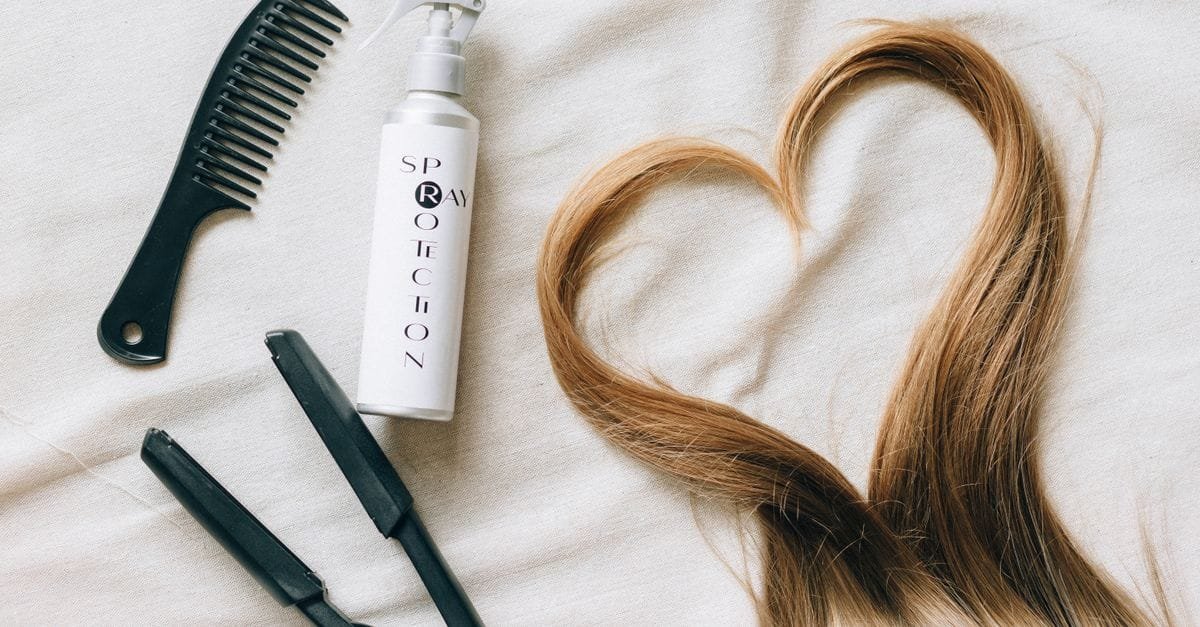
If you use a blow dryer, straightener, or curling iron — even occasionally — heat protectant isn’t optional, it’s essential. Heat styling can reach temperatures that damage hair on contact, leading to dryness, breakage, split ends, and dullness over time. A good heat protectant is the single most important product standing between your hair and that damage, and it costs a fraction of the salon visits you’ll save.
👉 New to this? Start with our ultimate guide to hair growth — it covers the fundamentals the rest of these build on.
This guide explains how to choose the best heat protectant spray for healthy hair: how it works, what to look for, which type suits your hair, and how to use it properly so your styling habit doesn’t cost you your hair’s health.
Why Heat Protectant Matters So Much
Hot tools work by using high heat to reshape your hair — but that same heat strips moisture and weakens the hair’s protective outer layer. Repeated styling without protection leads to a cycle of damage: dry, brittle strands that break, frizz, and lose shine. Once that damage is done, it can’t be reversed; the only fix is cutting it off and growing healthier hair.
A heat protectant forms a barrier over each strand that distributes heat more evenly and reduces moisture loss, dramatically lowering the damage from styling. Think of it like sunscreen for your hair — a small, easy step that prevents big problems down the line.
What to Look For in a Heat Protectant
Not every heat protectant is equally effective. A few features separate the good ones.
Heat Tolerance Rating
Check that the product protects up to the temperature you actually style at. Many tools run hot, so a protectant rated for high heat gives a real margin of safety. If you use high settings, don’t choose a formula meant only for light heat.
Protective and Nourishing Ingredients
Good formulas include ingredients that both shield and condition — silicones that create a smoothing heat barrier, plus nourishing oils, proteins, or vitamins that strengthen and hydrate. The best heat protectants protect and improve your hair’s condition over time.
The Right Formula for Your Hair
Heat protectants come as lightweight sprays, creams, and serums. Sprays are the most popular and suit most hair types because they distribute evenly without weighing hair down. Creams and serums offer more conditioning for thick, coarse, or very dry hair. Fine hair should choose lightweight, non-greasy sprays to avoid limpness.
Recommended on Amazon
Browse top-rated, popular options:
As an Amazon Associate, AdoreVogue earns from qualifying purchases.
Matching a Heat Protectant to Your Hair Type
Fine or thin hair: choose a lightweight spray or mist that protects without flattening volume. Thick or coarse hair: a cream or serum offers more conditioning and smoothing along with protection. Curly hair: look for moisturizing formulas that protect while defining curls and fighting frizz. Color-treated hair: pick a protectant that also helps preserve color and adds extra moisture, since dyed hair is more vulnerable to heat. The right match protects your hair without working against your style.
How to Use Heat Protectant Correctly
Using it right matters as much as choosing well. Apply heat protectant to clean, towel-dried (damp) hair before blow-drying, and to dry hair before using a straightener or curling iron. Distribute it evenly from mid-length to ends — the most vulnerable parts — and comb through so no section is missed. Don’t drench your hair; an even, light coating is enough. Let spray absorb for a moment before applying heat.
Don’t Skip Sections
Uneven application leaves patches unprotected. Section your hair if needed and make sure every part gets coverage, especially the ends, which are the oldest and most fragile.
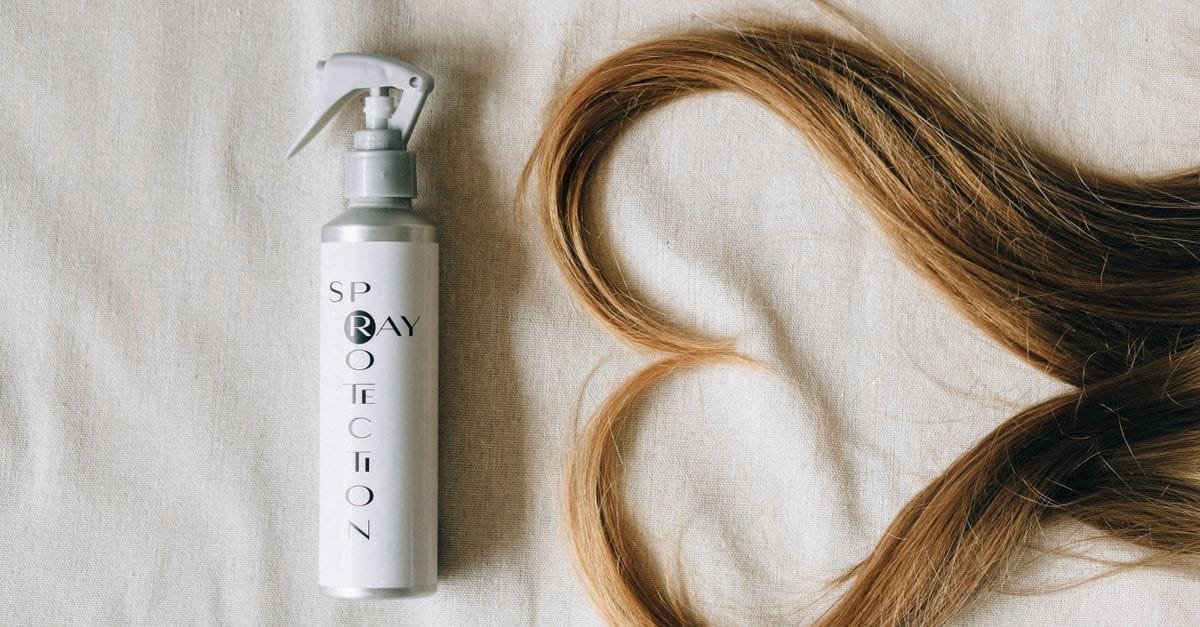
Smart Heat-Styling Habits
Heat protectant works best alongside good habits. Use the lowest effective temperature on your tools — many people style far hotter than necessary. Avoid going over the same section repeatedly. Always make sure hair is dry before using a flat iron (straightening wet hair causes serious damage). And give your hair regular heat-free days to recover. Protectant plus mindful styling keeps hair healthy long term.
Signs Your Hair Needs More Protection
If your hair is increasingly dry, frizzy, brittle, or full of split ends, heat damage is likely the cause — a sign to use protectant every time and reconsider how often and how hot you style. Healthy hair is shiny, flexible, and smooth; damaged hair is dull, rough, and breaks easily. Catching the signs early and protecting consistently prevents the damage from worsening.
Pair It With Repair
Protection prevents future damage, but pairing it with nourishing care helps your hair recover and stay strong. Regular deep-conditioning masks, gentle handling, and trims to remove existing split ends all support healthy hair. Heat protectant is the daily shield; nourishing treatments are the ongoing repair. Together they keep your hair looking its best despite regular styling.
Frequently Asked Questions
Do I really need a heat protectant?
Yes — if you use any hot tool, heat protectant is essential. It forms a barrier that reduces moisture loss and damage, preventing the dryness, breakage, and split ends that heat styling causes.
When do I apply heat protectant?
Apply to damp hair before blow-drying, and to dry hair before using a straightener or curling iron. Distribute evenly from mid-length to ends and comb through.
What’s the best heat protectant for fine hair?
A lightweight spray or mist that protects without weighing hair down or causing limpness. Avoid heavy creams and serums on fine hair.
Can heat protectant repair damaged hair?
No — it prevents future damage rather than reversing existing damage. Pair it with deep-conditioning treatments and trims to improve already-damaged hair.
Key Takeaways
- Heat protectant is essential for anyone who uses hot tools — it’s sunscreen for your hair.
- Choose one rated for your styling temperature with protective and nourishing ingredients.
- Match the formula to your hair: light sprays for fine hair, creams/serums for thick or dry hair.
- Apply evenly from mid-length to ends and don’t skip sections, especially the fragile ends.
- Combine it with lower heat, dry-hair straightening, heat-free days, and deep conditioning for healthy hair.
A few seconds of heat protectant before styling saves your hair from years of cumulative damage. Choose the right formula for your hair, apply it properly every time, and pair it with nourishing care. For more, explore our Haircare Essentials and read our complete skincare and beauty routine guide for healthy hair and skin together.


 Adhorika Khan