 Adhorika Khan
You apply balm, lips feel good for twenty minutes, then feel tighter than before — so you apply more, and the cycle spins. Sound familiar? Chapped lips are a skin-barrier problem on the one patch of skin with no oil glands to defend itself. The fix is barrier logic: stop the moisture loss with a simple occlusive (plain petroleum jelly remains the dermatologist favorite), remove the saboteurs (lip licking, flavored balms, allergens), and protect against sun and wind. Most lips heal in under a week once you stop reopening the wound.
This guide covers why lips chap in the first place, the balm-aisle traps (including the “addictive balm” mystery, explained), the healing protocol, and the persistent cases that deserve a doctor’s eyes.
Key Takeaways
- Lips are defenseless by design: no oil glands, ultra-thin skin, constant exposure — they lose moisture up to several times faster than the face.
- Licking is the arch-villain — saliva evaporates and takes lip moisture with it, plus digestive enzymes irritate.
- Boring balm wins: plain petroleum jelly or simple lanolin-free formulas; flavored, tingly, and fragrant balms often perpetuate the problem.
- Don’t peel the flakes — you’re tearing healing skin and restarting the clock.
- Lips that never heal deserve a doctor: allergy, infection, vitamin deficiency, and actinic damage all masquerade as “chapped.”
Why Do Lips Chap So Easily?
Lip skin is a structural outlier. It’s dramatically thinner than facial skin, it produces no sebum (there are no oil glands in the vermilion), it has minimal melanin for sun defense, and it can’t sweat to cool and hydrate itself. Every protective system the rest of your skin takes for granted, lips lack.
Then we put them through more than any other skin: talking, eating acidic and spicy food, drinking hot coffee, winter wind, summer sun, dry office air, and — the big one — a warm wet tongue applying saliva dozens of times a day. Chapping isn’t a malfunction. It’s an unprotected surface meeting a hostile environment.
The Lick-Dry-Lick Cycle (and How to Actually Break It)
Licking dry lips feels like instant relief — and it’s the single most reliable way to keep them chapped. Saliva evaporates within minutes, and evaporation pulls the lips’ own moisture out with it; meanwhile saliva’s digestive enzymes (built to break down food) mildly digest the lip surface. The result: drier, more irritated lips that beg for another lick.
Severe cases wear the evidence as “lick dermatitis” — a chapped, pink ring extending past the lip line where the tongue reaches. Breaking the habit is behavioral: keep balm within arm’s reach at desk, bed, car, and pocket, and apply at the urge to lick. You can’t out-discipline the urge, but you can out-supply it.
Is Your Lip Balm Making It Worse?
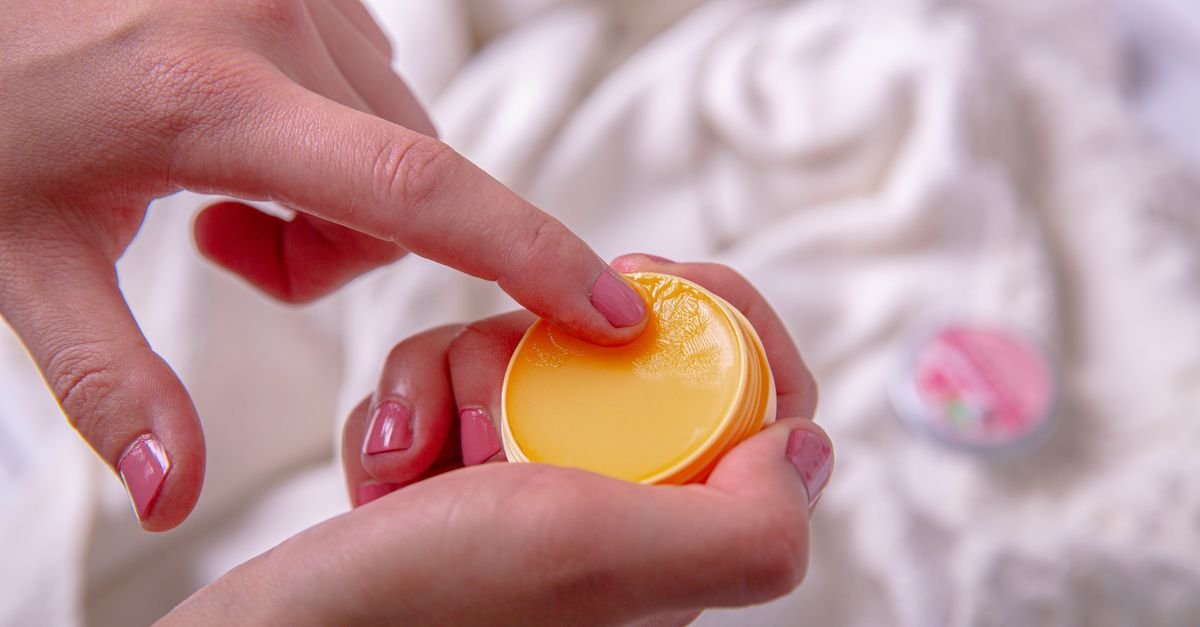
The “addictive lip balm” suspicion has a real mechanism — three, actually. First: flavors, fragrance, menthol, camphor, and salicylic acid in “tingly” balms are low-grade irritants; the tingle is your barrier objecting. Irritated lips feel dry, so you reapply the irritant. Second: genuine contact allergy to balm ingredients — lanolin, fragrance, flavoring, propolis — is surprisingly common and looks exactly like stubborn chapping, so the “treatment” sustains the disease. Third: humectant-heavy glosses without an occlusive seal pull moisture up and let it evaporate — moisturizing in reverse in dry air.
The audit is simple: if your lips have been “chapped” for months while using the same product daily, the product is a suspect. Switch to plain petroleum jelly for two weeks — zero allergens, zero flavors, pure occlusion — and watch what happens. It’s the elimination diet of lip care, and it solves a remarkable share of “nothing works” cases.
What to Look For (and Avoid) in a Balm
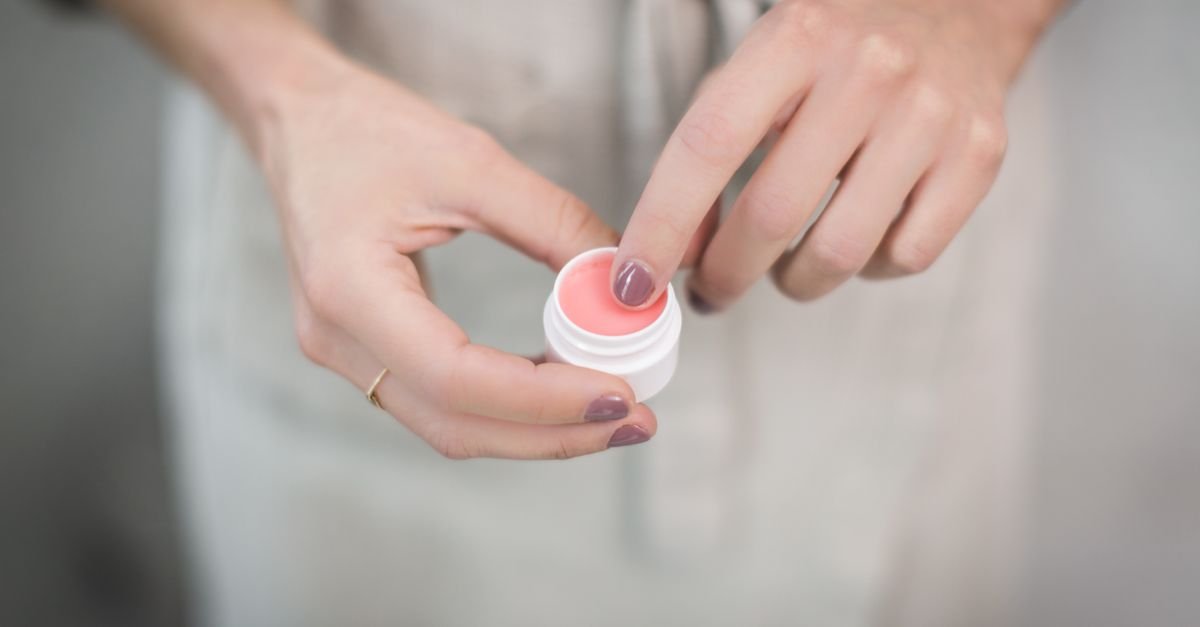
The healing shortlist: petrolatum (the gold standard occlusive), plain beeswax formulas, shea butter, squalane, ceramides, and a little glycerin or hyaluronic acid under an occlusive. Ointments and tubs generally beat twist-up sticks for repair power; sticks win for daytime convenience.
The suspect list while healing: menthol, camphor, phenol, eucalyptus, cinnamon and citrus flavors, fragrance, salicylic acid, and lanolin if you’re sensitive. Not villains for everyone — but nothing on that list helps a damaged barrier, and each is a possible reason yours won’t close. This is the same barrier-first logic as our skin barrier repair guide, miniaturized.
The 5-Day Healing Protocol
Day 1: retire the flavored balm; start plain petroleum jelly (or a bland ceramide ointment) applied thickly — morning, midday, evening, and a generous coat at bedside. Overnight is prime healing time: the thick bedtime layer is the single highest-value application of the day.
Days 2–4: keep supply constant — the goal is that lips are never bare. Drink normally (hydration supports healing, though it can’t reverse evaporation alone), run a humidifier if your bedroom air is desert-dry, and breathe through your nose when you catch yourself mouth-breathing (a quiet, major lip-drier — especially overnight).
The hard rule: do not pick, bite, or peel flakes. Every satisfying peel tears living tissue below the flake and restarts healing — and often bleeds. If flakes drive you mad, soften them with a warm wet cloth held on the lips for a minute, then a gentle single pass with the cloth — nothing more abrasive. Sugar scrubs on actively cracked lips are pain with branding.
Day 5: most ordinary chapping is closed or clearly closing. What remains gets the “when to see a doctor” section below.
Sun, Wind, and Winter: The Seasonal Defense
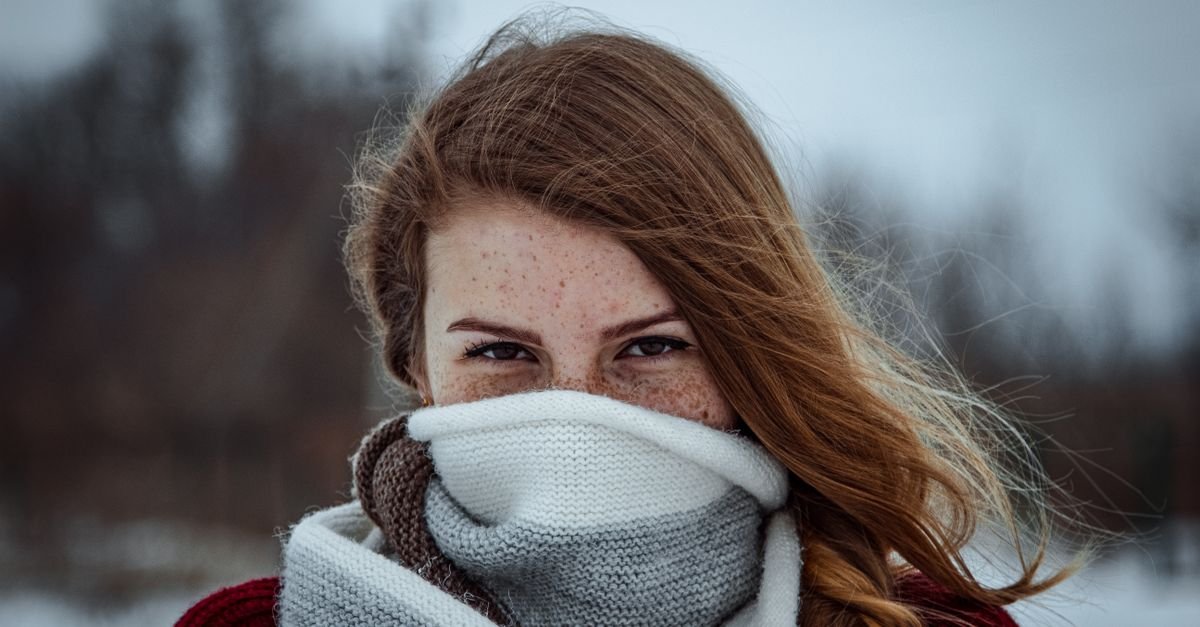
Sun: lips burn easily (minimal melanin) and chronically sun-damaged lips develop actinic changes worth taking seriously — the lower lip is a known skin-cancer site. A balm with SPF 30, reapplied like any sunscreen, is the habit; our SPF guide explains the numbers. Wind and cold: winter is chapping season — cold air holds little moisture, indoor heating holds less, and wind strips the surface. The scarf-over-the-mouth move your grandmother suggested is legitimate barrier science. The reapplication rhythm: in harsh seasons, balm before going out, after eating and drinking, and at bedtime — roughly every few waking hours.
Lipstick, Liner, and Chapped Lips
Matte and long-wear formulas are engineered to grip by staying put — which usually means volatile solvents and drying films on skin that’s already struggling. While healing: cream and satin finishes over a thin balm base, and remove lip color gently but completely at night (residue is an overnight irritant). Once healed, the balm-first-then-color layering keeps matte days affordable. A weekly overnight lip mask or a nourishing lip oil earns its place here as maintenance — pleasant upgrades on a healthy barrier, not rescues for a broken one.
The Corner Cracks Are a Different Condition
Painful splits at the corners of the mouth — angular cheilitis — aren’t ordinary chapping. That’s a moisture-trap inflammation where saliva pools in the corner folds, frequently colonized by yeast or bacteria, and common with braces, ill-fitting dentures, thumb-sucking, or drooling sleep. Petroleum jelly protects the corners, but persistent angular cheilitis typically needs an antifungal or antibacterial treatment — a pharmacist or doctor conversation, not a better balm. It can also flag iron or B-vitamin deficiency when it keeps returning.
When “Chapped” Isn’t Just Chapped
See a professional when: lips stay cracked beyond two weeks of honest bland-balm care; chapping comes with a rash or clear border past the lip line (allergy work-up territory — patch testing finds balm and toothpaste culprits); corners split repeatedly (above); you notice a persistent rough, scaly patch on the lower lip that never heals, especially with a history of sun exposure (this one specifically deserves prompt evaluation); or cracking pairs with fatigue and other symptoms (B vitamins, iron, and dehydration states show up on lips early). Also worth knowing: several acne medications — most famously isotretinoin — cause severe lip dryness as a core side effect; that’s managed with your prescriber, aggressively and preemptively.
How Often Should You Actually Apply Balm?
For healing lips: every two to three waking hours plus the thick bedtime coat — roughly five to seven applications a day, timed to beat the lick urge rather than follow it. For maintenance on healthy lips: morning, evening, and before going outdoors usually suffices. There’s no such thing as physiologic balm dependence — but under-applying a thin balm while the real irritant continues is how people conclude balm “stopped working.” Supply generously, remove the saboteur, and the schedule relaxes on its own.
Your Lip-Care Routine, Minimalist Edition
Daily: bland balm morning and evening, SPF version when outdoors, one thick bedtime coat. Weekly: nothing mandatory — the optional lip mask night. Seasonally: upgrade to ointment textures in winter, guard the SPF habit in summer. Always: catch the lick urge with balm, leave flakes to soften rather than peel, and treat “tingly” as a warning label rather than a feature. Lips ask for embarrassingly little — a seal, some sun sense, and to be left alone while they heal.
The Hidden Irritants: Toothpaste, Spice, and Citrus
When lips stay chapped despite good balm behavior, audit what touches them daily. Toothpaste is a repeat offender — sodium lauryl sulfate and strong mint flavorings irritate lip skin during two minutes of direct contact twice a day; wiping lips with a damp cloth after brushing (or switching to an SLS-free paste) resolves a surprising share of chronic cases. Spicy and acidic foods — chili oil, pineapple, papaya, citrus — leave enzyme and capsaicin residue on the lip border; the damp-cloth wipe after eating beats a napkin’s dry drag. Menthol cigarettes, vaping, and constant hot beverages each add their own low-grade heat-and-chemical stress. None of these require lifestyle surrender — just awareness that “mystery” chapping usually has a schedule, and the schedule points at the cause.
Do Lip Scrubs Ever Have a Place?
On healed, healthy lips preparing for a matte lipstick moment: a gentle sugar scrub or soft toothbrush pass, occasionally, is harmless cosmetic prep. On cracked, peeling, actively chapped lips: never — you’re exfoliating a wound. The order of operations is heal first (occlusives, days), polish later (rarely, gently). If lips seem to need scrubbing constantly, that’s not a scrubbing deficiency — it’s an unresolved cause upstream: licking, an allergen, mouth-breathing, or a product on the suspect list.
Hydration, Diet, and the Inside-Out Story
The honest version of “drink more water”: systemic dehydration absolutely shows on lips early — they’re a low-priority tissue when water is rationed — so genuine underhydration (travel days, illness, hard training) chaps lips from within, and fixing intake fixes that share of the problem. But well-hydrated people with chapped lips can’t drink their way out of evaporation; the seal still does that work. Nutritionally, persistent cracking — especially corner splits alongside fatigue — can flag iron or B-vitamin shortfalls worth a blood test rather than a supplement guess. Lips are a small, surprisingly honest health dashboard: most alerts are about balm and behavior, but the persistent ones are worth reading properly.
The tiny honest toolkit:
The tiny honest toolkit:
Frequently Asked Questions
How do I heal chapped lips fast?
Apply plain petroleum jelly thickly and often — especially a generous coat at bedtime — stop licking, and don’t peel flakes. Most ordinary chapping heals in three to five days once the barrier stops being reopened.
Why do my lips get more chapped when I use lip balm?
Three possibilities: your balm contains irritants (menthol, camphor, fragrance, flavors), you’re allergic to an ingredient like lanolin or propolis, or it’s a humectant gloss with no occlusive seal. Two weeks on plain petroleum jelly usually reveals the culprit.
Is licking your lips bad for them?
It’s the single most common cause of persistent chapping. Saliva evaporates and pulls lip moisture with it, while its enzymes irritate the surface — the relief lasts minutes, the damage compounds daily.
Should I exfoliate chapped lips?
Not while they’re cracked — scrubs and peeling tear healing tissue. Soften flakes with a warm, wet cloth and one gentle pass. Save any scrubbing for fully healed lips, gently and rarely.
Why are the corners of my mouth cracked?
That’s angular cheilitis — trapped moisture in the corner folds, often with yeast or bacterial overgrowth — a different condition from chapping. It typically needs antifungal or antibacterial treatment, and recurring cases warrant checking iron and B-vitamin levels.
Do lips need sunscreen?
Yes — lips have minimal melanin, burn easily, and the lower lip is a recognized site for chronic sun damage. Use an SPF 30 lip balm outdoors and reapply like any sunscreen.
When should I see a doctor about chapped lips?
If lips won’t heal after two weeks of bland occlusive care, if there’s a rash extending past the lip line, repeatedly splitting corners, or any persistent scaly patch on the lower lip that never closes — that last one promptly.

 Adhorika Khan