 Adhorika Khan
“Natural” is one of the most overused words in beauty — slapped on labels to sell products that may contain very little of what actually works. But beneath the marketing, there genuinely are natural ingredients backed by real evidence and generations of use. The key is knowing which ones deliver results and which are just pretty packaging. Once you do, you can build an effective, gentler routine without falling for hype.
This guide cuts through the noise to cover natural skincare ingredients that actually work, what each one does, and how to use them well. These are the naturals worth looking for — and a few honest cautions to keep in mind.
What “Natural” Really Means (and Doesn’t)
First, a reality check: “natural” isn’t a regulated term, so it can mean almost anything on a label. Natural also doesn’t automatically mean better or safer — some natural ingredients irritate skin, and many effective skincare ingredients are lab-made for stability and purity. The smart approach isn’t “natural good, synthetic bad,” but choosing proven ingredients, natural or not, that suit your skin. That said, several natural ingredients have earned their place. Here are the standouts.
Aloe Vera — Soothing and Hydrating
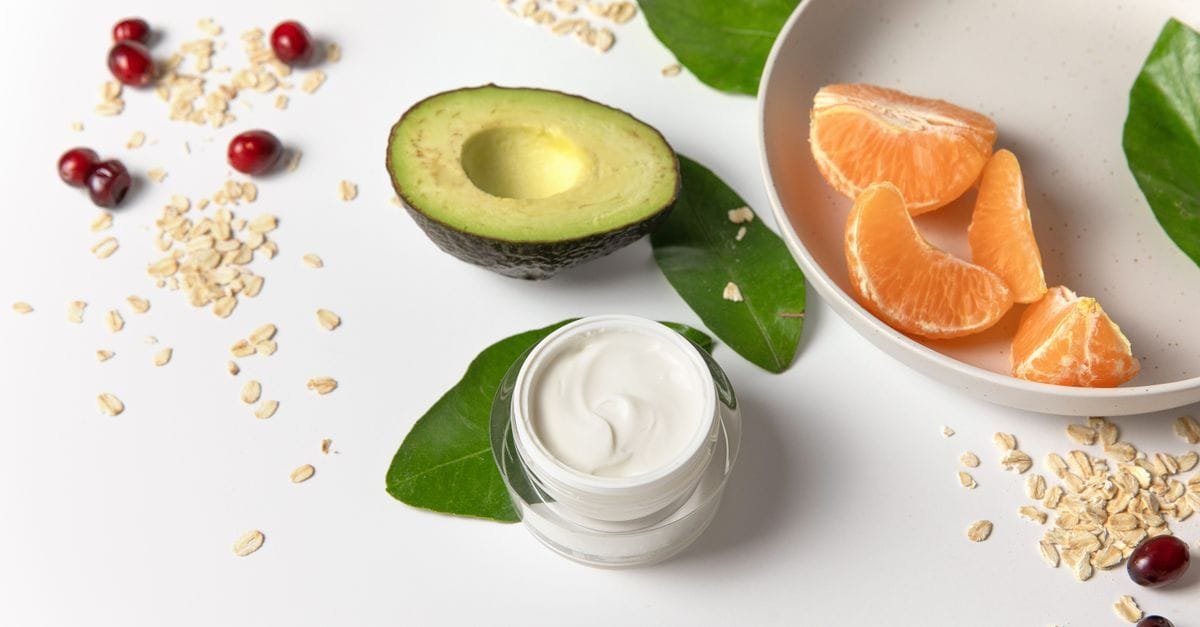
Aloe vera is one of the most reliable natural ingredients, prized for calming and hydrating skin. It soothes irritation, redness, and sunburn, and provides lightweight moisture that suits even oily and acne-prone skin. It’s gentle enough for most skin types and a great choice for calming a stressed complexion. Look for products with a high aloe content rather than a token amount near the bottom of the ingredient list.
Niacinamide — The Multitasking Star
Derived from vitamin B3, niacinamide is a favorite of dermatologists and a genuine multitasker. It helps minimize the look of pores, regulates oil, strengthens the skin barrier, brightens, and calms redness. It’s well-tolerated by most skin types, including sensitive and acne-prone skin, and pairs nicely with most other ingredients. If you want one well-rounded addition to your routine, niacinamide is hard to beat.
Green Tea Extract — Antioxidant Protection
Green tea is rich in antioxidants that help defend skin against environmental damage and calm inflammation. It’s especially nice for oily and acne-prone skin thanks to its soothing, balancing properties. As an antioxidant, it complements your daytime protection alongside sunscreen, helping your skin cope with pollution and stress.
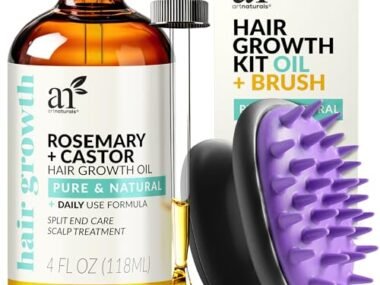
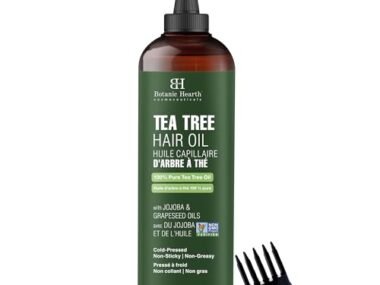
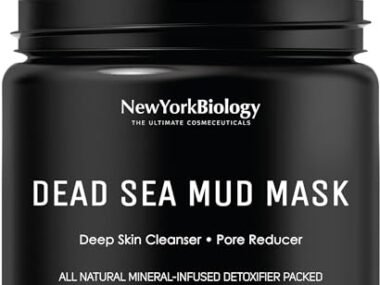
Recommended on Amazon
Browse natural skincare with proven ingredients:
As an Amazon Associate, AdoreVogue earns from qualifying purchases.
Hyaluronic Acid — Deep Hydration
Although often produced in a lab for purity, hyaluronic acid occurs naturally in the skin, where it holds moisture. As a skincare ingredient it’s a hydration powerhouse, drawing water into the skin to plump and smooth it. It suits virtually every skin type, including oily skin that still needs hydration. Apply it to slightly damp skin and follow with a moisturizer to seal in the water it attracts.

Rosehip and Jojoba Oils — Nourishing Naturals
Among natural oils, a few stand out. Rosehip oil is rich in fatty acids and naturally occurring vitamins, valued for nourishing skin and improving the look of texture and tone. Jojoba oil closely mimics the skin’s own sebum, making it well-tolerated and balancing — even oily skin often does well with it. Used sparingly as a final step, these oils lock in moisture and add a healthy glow. A little goes a long way.
Honey and Oatmeal — Gentle Time-Tested Soothers
Some kitchen-staple naturals genuinely work. Honey has natural soothing and humectant properties and appears in many gentle cleansers and masks. Colloidal oatmeal is well known for calming itchy, irritated, and sensitive skin — it’s even recognized for soothing conditions like eczema-prone skin. These gentle ingredients are great for reactive or sensitive complexions that don’t tolerate stronger actives.
How to Use Natural Ingredients Wisely
Even good natural ingredients need sensible use. Patch-test new products, since “natural” doesn’t guarantee your skin won’t react — essential oils and some plant extracts can irritate. Introduce one new product at a time so you can tell what’s working. Check that the beneficial ingredient appears high on the ingredient list, not just as a marketing sprinkle. And remember that consistency, not novelty, delivers results — give any product several weeks before judging it.
Natural Doesn’t Mean Skipping the Essentials
A natural-leaning routine still needs the fundamentals: gentle cleansing, hydration, and — above all — daily sunscreen. No natural ingredient replaces sun protection, which is the most important step for healthy, youthful skin. Build your routine on these basics and add proven natural ingredients to support them, rather than expecting any single “miracle” botanical to do everything.

Frequently Asked Questions
Are natural skincare ingredients better than synthetic ones?
Not automatically. “Natural” isn’t regulated and doesn’t mean safer or more effective. The best approach is choosing proven ingredients — natural or lab-made — that suit your skin.
Which natural ingredients actually work?
Well-supported options include aloe vera, niacinamide, green tea extract, hyaluronic acid, rosehip and jojoba oils, and gentle soothers like honey and colloidal oatmeal.
Can natural ingredients irritate skin?
Yes — some plant extracts and essential oils can cause irritation or allergies. Always patch-test new products and introduce them one at a time, even natural ones.
Do I still need sunscreen with a natural routine?
Absolutely. No natural ingredient replaces sun protection. Daily sunscreen is the most important step for healthy skin, natural routine or not.
Key Takeaways
- “Natural” is unregulated — choose proven ingredients that suit your skin, not just label claims.
- Reliable naturals include aloe vera, niacinamide, green tea, hyaluronic acid, and rosehip/jojoba oils.
- Honey and colloidal oatmeal are gentle, time-tested soothers for sensitive skin.
- Patch-test, introduce one product at a time, and check ingredients appear high on the list.
- Keep the essentials — gentle cleansing, hydration, and daily sunscreen — whatever ingredients you choose.
Natural skincare can absolutely work — when you choose ingredients with real evidence behind them and use them wisely. Build on the basics, add proven naturals, and stay consistent for healthy, happy skin. For more, explore our Natural Beauty & Remedies and read our complete skincare routine guide.

 Adhorika Khan