 Adhorika Khan
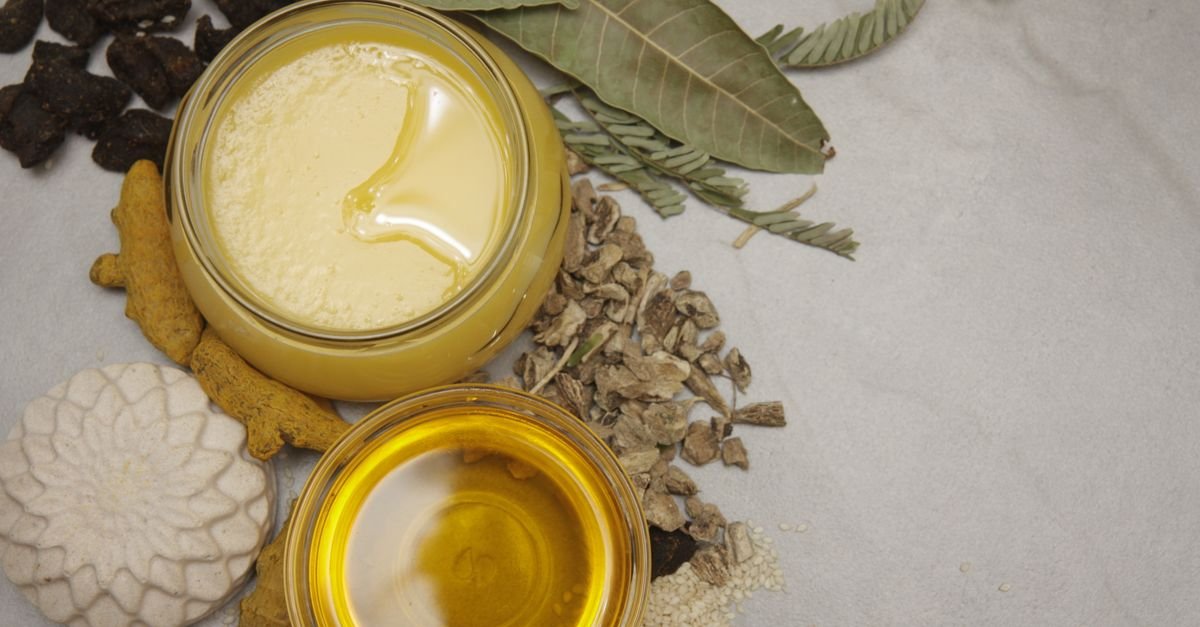
Natural beauty done honestly rests on one correction: “natural” is a sourcing story, not a safety rating or an efficacy score. Plants make both the gentlest soothers in skincare (oatmeal, aloe) and its most aggressive sensitizers (essential oils, undiluted botanicals) — so the winning approach keeps the remedies with evidence, retires the folklore that burns, and holds every leaf to the same standard as every lab molecule.
This is AdoreVogue’s complete natural beauty guide: the master reference connecting every botanical chapter and remedy honest-check in our library — the greatest hits, the busted myths, and the kitchen rules that keep DIY on the right side of your skin barrier.
Key Takeaways
- “Natural” describes origin, not gentleness — poison ivy is natural; purified petrolatum is not. Judge ingredients by evidence, not etymology.
- The botanical hall of fame is real: colloidal oatmeal (FDA-recognized), aloe, shea, jojoba, and diluted tea tree all carry genuine data.
- The kitchen’s danger shelf is also real: lemon juice, undiluted essential oils, cinnamon, and baking soda damage more skin than they ever improved.
- DIY works for rinse-off comfort (oat baths, honey masks) and fails for actives — stability, dose, and pH live in labs, not blenders.
- Patch testing is MORE important with botanicals, not less — plants carry dozens of compounds, and allergy does not read labels.
- The best natural routine is a hybrid: botanical comfort plus proven essentials (sunscreen above all) — purity contests have no skincare prizes.
The Natural Fallacy (Read This Section First)
The beauty aisle’s most profitable assumption is that plant-derived means safe and synthetic means suspect. The evidence runs indifferent to the story: skin reacts to molecules, and molecules carry no birth certificates. Essential-oil allergies fill dermatology clinics; meanwhile the “chemical” everyone fears — purified petrolatum — is the reaction-proof standard patch-test clinics use as their neutral control.
None of this diminishes plants. It sets the fair rule this whole pillar runs on: every ingredient — leaf or lab — earns its place with evidence, tolerability, and honest dosing. Our ingredient dictionary applies exactly that standard to thirty-plus actives, botanical and synthetic alike, and Lab Muffin’s myth-busting video below is the perfect scientific companion.
The Botanical Hall of Fame (Evidence-Backed Plants)
The plants that pass the bar, each with its full chapter:
Colloidal oatmeal — the overachiever: an FDA-recognized skin protectant with real anti-itch pharmacology; the standard for eczema-prone comfort.
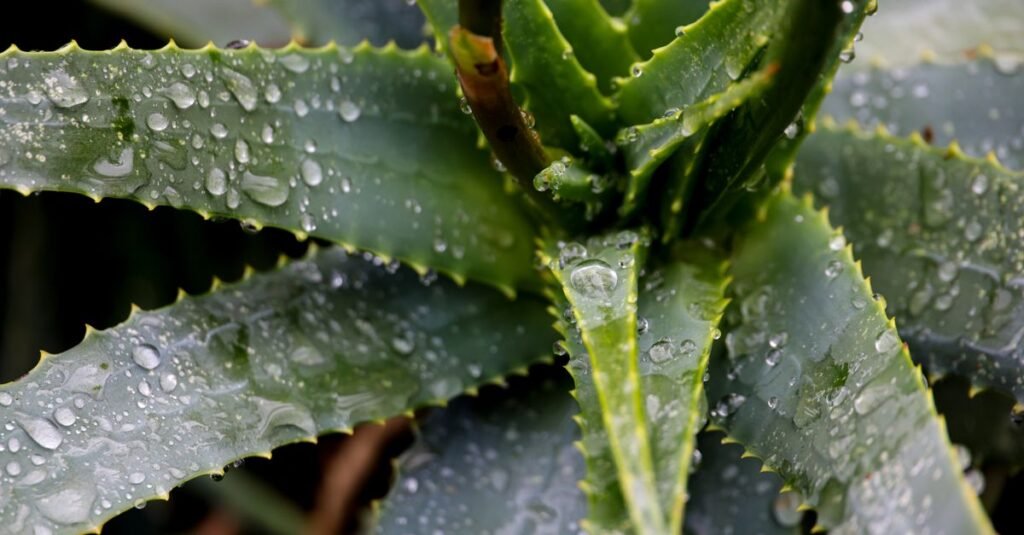
Aloe vera — the first responder: cooling polysaccharide gel for sunburn and razor-sting, honest about its limits.
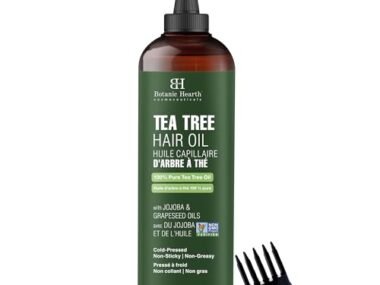
Tea tree oil — the sharp one: genuine antibacterial-antifungal trials for mild acne and flaky scalps, ALWAYS diluted, never neat.
Shea butter — the rich seal: unsaponifiables that soften and protect body skin through any winter.
Jojoba oil — the sebum mimic: the wax ester closest to skin’s own oil, the universal-donor facial oil.
Honorable mentions with fair-but-modest files: witch hazel (astringent with an alcohol asterisk), centella (the soothing K-beauty staple), and honey (pleasantly antibacterial, honestly minor).
The Trend Docket (Remedies on Trial)
This library runs the experiments so your face doesn’t have to. Recent verdicts from the honest-check courtroom:
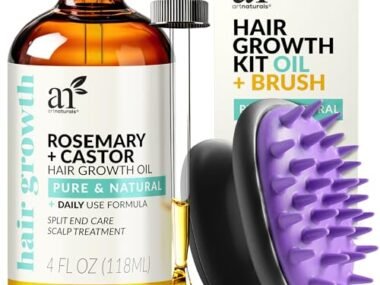
Rosemary oil for hair — the best of the folk class: one modest study against minoxidil earns it a patient, diluted, photographed six-month trial.
Rice water — heritage credited (Yao, Heian), starch-coating shine real, growth myth retired, protein-overload warning attached.
Castor oil for lashes — zero trials, honest retention-not-growth mechanism, trace-dose method if you insist.
Dry brushing — exfoliation and a pleasant ritual, yes; detox and cellulite claims, no.
The pattern across every verdict: folk remedies earn small, honest wins on comfort and cosmetics — and lose every structural claim (growth, detox, cure) they borrow from marketing.
The Kitchen’s Danger Shelf (Retire These Today)
Some DIY classics do real, documented harm. Lemon juice: acidic, photosensitizing, pigment-provoking — the anti-treatment for the dark spots it promises to fade. Baking soda: alkaline enough to wreck the acid mantle; the “gentle scrub” that strips barriers. Undiluted essential oils: sensitization machines — fragrant, natural, and responsible for a startling share of contact-allergy clinic visits. Cinnamon, clove, and “warming” masks: irritation cosplaying as circulation. Toothpaste on blemishes: retired with honors in our pimple guides. And sugar scrubs on the face: body-only, ever.
The shared physics: strong acids, strong bases, and concentrated aromatics do not become gentle by being edible. Your skin is not a salad.
DIY That Actually Works (The Approved Kitchen List)
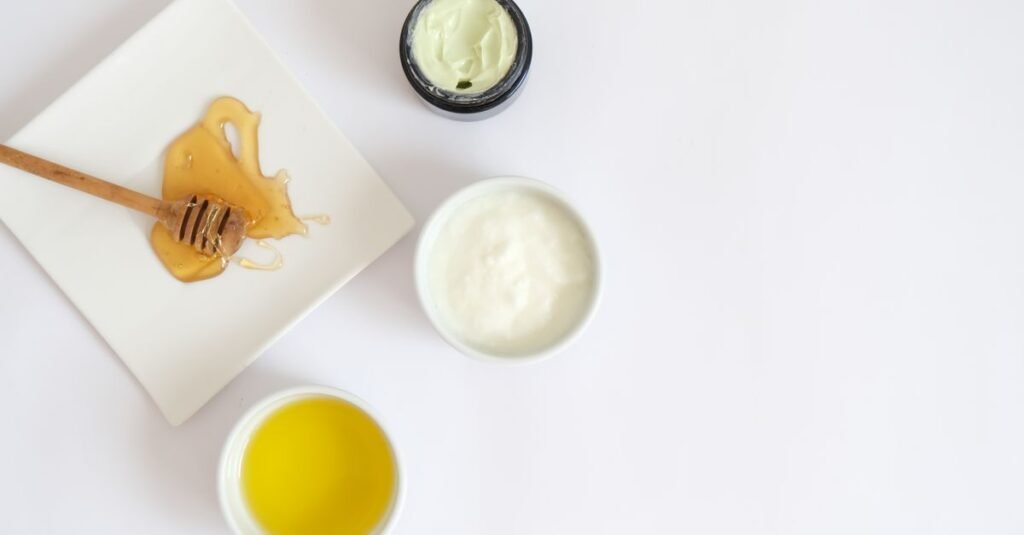
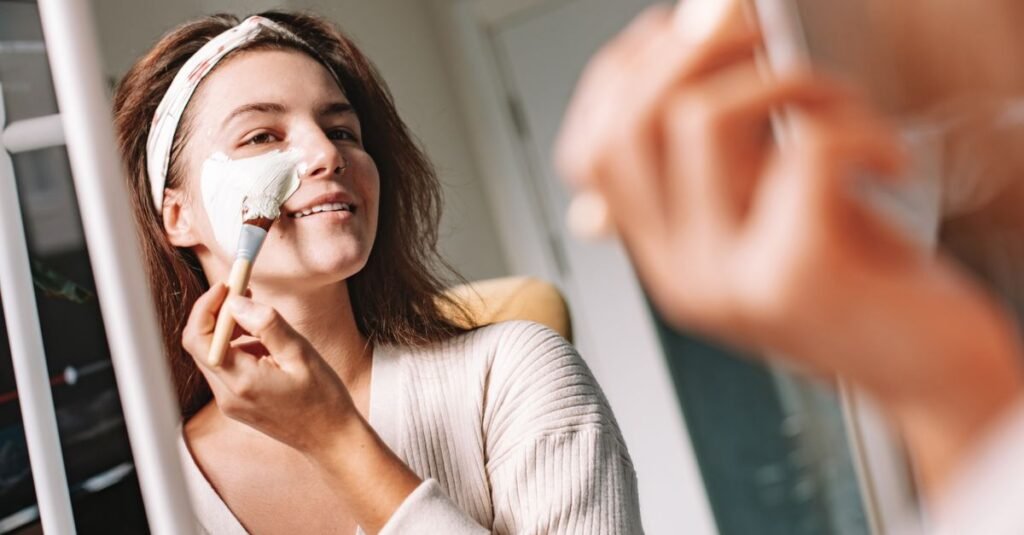
The honest home apothecary, all rinse-off or bland: the blender oat bath (a fine emergency version of the pharmacy soak, per the oatmeal chapter), plain honey as a 15-minute comfort mask on intact skin, plain yogurt for a cooling after-sun sit, mashed avocado or banana as pre-wash hair masks (the slugging guide’s porosity rules apply), green or chamomile tea — cooled — as a compress for tired eyes, and the chamomile ice cubes from our icing guide, enjoyed as craft.
The boundary that keeps DIY safe: home recipes may COMFORT (moisture, cooling, gentle cleansing) but never TREAT (acids, brighteners, actives) — treatment chemistry needs the stability, dose control, and pH labs exist for. Comfort from the kitchen, actives from formulators: the hybrid rule in one line.
Reading “Natural” Labels (A Field Guide to the Meadow on the Box)
The terms with teeth: certified organic (regulated, sourcing-relevant, not efficacy-relevant), and specific INCI-listed botanicals high in the ingredient list. The vibes: “clean,” “non-toxic,” “chemical-free” (everything is chemicals, including water), and meadow photography. The tell worth internalizing: brands confident in their formulas name concentrations and cite ingredients; brands confident in their story name villains.
Fragrance deserves its own line: “natural fragrance” and essential-oil blends are the most common sensitizers in the natural aisle — the sensitive-skinned should treat scented natural products as the contradiction they usually are. Our natural haircare roundup and DIY mask guide apply these filters shelf-by-shelf.
Building the Honest Hybrid Routine
The routine this whole pillar has been arguing for: cleanse gently (plant-derived surfactants are lovely; harsh “detox” soaps are not), comfort botanically (oat, aloe, shea, jojoba wherever they suit your skin), treat with evidence (retinoids, vitamin C, proven acids — several originally plant-derived, all lab-standardized), and protect non-negotiably (sunscreen — for which no botanical substitute exists, full stop; coconut oil’s “natural SPF 4” is a sunburn with a story).
Patch test every new botanical for three days on the forearm — plants carry compound libraries, and allergy is unsentimental about origin stories. And run one change at a time, photographed monthly, exactly as every honest check in this library prescribes.
The result is a routine that honors what plants genuinely do — comfort, seal, soothe, delight — while letting the lab handle what plants cannot: stability, dose, proof, and SPF.
The Sustainability Footnote (Fair and Short)
Natural’s best argument was never efficacy — it is values: sourcing, biodegradability, and supply-chain ethics are legitimate reasons to prefer a plant-based product at equal performance. The fair asterisks: botanical farming has its own footprint (water, land, shipping), “natural” packaging is often the least recyclable on the shelf, and the most sustainable product remains the one you finish. Values-driven buying deserves the same evidence standard as everything else on this page — certifications over vibes, always.
Credit Where It Is Due (The Heritage Chapter)
Modern “discoveries” in natural beauty are usually rediscoveries with the credits removed, and this library makes a habit of restoring them. Rice water arrives from Yao and Heian-era Japanese hair traditions; hair oiling from South Asian champi culture (which also gave English the word shampoo); shea from West African women’s cooperatives who still produce the world’s supply; aloe from three millennia of Mediterranean and North African medicine; oat baths from European folk care straight through to modern pediatrics; and gua sha from Chinese therapeutic practice long before the rose-quartz era.
Why the credits matter beyond fairness: traditional use encodes real information — dosage habits, preparation methods, and which plant for which complaint — that marketing routinely strips out. The traditions used rice water as an occasional rinse, not a daily protein bomb; oiled hair before washing, not after; diluted everything. When a trend fails where the tradition succeeded, the missing instruction is usually the reason.
The respectful-consumer version: learn the source practice before buying its packaging, favor brands that name origins and share value with source communities, and let heritage inform expectations — comfort and care, sustained over generations, rather than transformations no grandmother ever claimed.
The Natural Year (A Seasonal Botanical Calendar)
Winter belongs to the seal-and-soothe shelf: shea and lanolin on body and lips, oat baths for heating-season itch, jojoba mixed into thicker creams, and the humidifier as the season’s hardest-working “natural remedy.”
Spring is patch-test season by tradition and sense: pollen-primed immune systems react easier, so new botanicals join routines slowly, and the aloe stays stocked for the first careless sunburn.
Summer runs the cooling shelf — aloe from the fridge, cucumber and tea compresses, lighter oils only — and one hard rule: no citrus or photosensitizing essential oils before sun; the margarita-lime burn (phytophotodermatitis) is the season’s signature natural injury.
Autumn is repair season: heavier butters return, the honey-mask ritual earns its cozy slot, and the summer’s sun debts start their fade routine — botanical comfort alongside the evidence actives, per the hybrid rule.
The calendar’s quiet lesson: natural beauty was always seasonal — the traditions rotated with harvests and weather, and routines that do the same simply work with the grain.
Your First Natural Shelf (Five Jars, Fully Honest)
For the reader who wants the starting lineup without the research: one — colloidal oatmeal (packets or a fine-ground jar), the itch-and-irritation answer for face and body both. Two — pure aloe gel (label-checked against the green-dye impostors per the aloe chapter), the summer first-responder. Three — jojoba oil, the do-everything facial and hair oil that behaves on nearly every skin. Four — unrefined shea butter, the winter body seal. Five — a formulated 5% tea tree gel (never the neat oil), the blemish spot-treatment with actual trials.
Total cost: modest. Coverage: soothing, sealing, spot-treating, oiling, and bathing — the entire comfort layer of a routine. What the shelf deliberately lacks: sunscreen, retinoids, and vitamin C, which come from the lab tier per the hybrid rule — and any essential-oil blends, which audition individually, diluted, patch-tested, or not at all.
Grow the shelf by chapters, not hauls: one new botanical monthly, read its dictionary entry first, patch test, photograph, judge at four weeks. The natural aisle rewards exactly the same discipline as every other aisle — which was, all along, this pillar’s whole argument.
Frequently Asked Questions
Are natural skincare products better for your skin?
Not inherently — “natural” describes origin, not safety or results. Some botanicals carry excellent evidence (oatmeal, aloe, jojoba); some natural favorites are leading sensitizers (essential oils, lemon). Judge every ingredient by evidence and your skin’s tolerance.
Which natural ingredients actually work?
The evidence-backed shortlist: colloidal oatmeal (FDA-recognized protectant), aloe vera for soothing, diluted tea tree for mild acne, shea butter and jojoba for moisture, and rosemary oil as hair care’s most promising folk entry. Each has a full honest chapter in our dictionary.
What home remedies should I never put on my face?
Lemon juice, baking soda, undiluted essential oils, cinnamon masks, toothpaste, and facial sugar scrubs — all cause documented irritation, barrier damage, or pigment problems. Kitchen comfort is fine; kitchen chemistry is not.
Is DIY skincare safe?
Rinse-off comfort recipes (oat baths, honey masks, tea compresses) are generally safe on intact skin with a patch test. DIY actives — homemade acids, brighteners, sunscreens — are not: dose, stability, and pH control require formulation labs.
Can natural oils replace sunscreen?
No — no plant oil provides meaningful, reliable UV protection, and treating coconut or carrot oil as SPF is a burn plus long-term damage. Sunscreen is the one category with no natural substitute.
Why did a natural product irritate my skin?
Botanicals are compound libraries — fragrance components and essential oils are the usual suspects, and plant allergies are common precisely because plants are complex. Patch test three days on the forearm before any new botanical reaches your face.
Troubleshooting Natural Routines (The Botanical Clinic)
The “pure” product that stings: fragrance or essential-oil load — natural’s commonest irritant; rebuy the unscented version of the same hero ingredient and the sting usually leaves with the scent.
The oil that broke you out: comedogenic mismatch — coconut on faces is the classic; swap to jojoba or squalane and keep the rich butters below the jawline.
The DIY mask that left redness: kitchen pH or fruit acids — retire the recipe, run two bland barrier days, and let the approved-list comforts replace it.
The remedy that “worked for everyone else”: survivor bias in the testimonials — your patch test and your monthly photo outvote every comment section.
The herbal product with a rash three weeks in: delayed sensitization — botanicals can pass early tests then turn; stop, simplify, and reintroduce nothing for a fortnight. Persistent reactions earn a dermatologist visit with the ingredient list in hand — contact-allergy patch panels exist for exactly this.
The Evidence Ladder (Where Each Natural Claim Stands)
Rung one, regulatory recognition: colloidal oatmeal’s FDA monograph — the rare botanical with paperwork.
Rung two, controlled human trials: diluted tea tree for mild acne; aloe for burn comfort — small but real studies, honest effect sizes.
Rung three, plausible mechanism plus tradition: jojoba’s sebum mimicry, shea’s lipid profile, rosemary’s single study — worth patient personal trials.
Rung four, tradition alone: rice water, honey masks, herbal rinses — enjoy as low-cost comfort; expect cosmetics, not change.
Rung five, marketing with a leaf on it: detox claims, “natural SPF,” cellulite botanicals — the rung this library exists to catch before checkout.
The ladder’s use: place any new claim on it BEFORE buying, and let the rung set both the budget and the expectations. Every chapter linked from this pillar states its rung in plain language — that habit, more than any single verdict, is what an honest natural routine runs on.
The Hybrid Routine, Fully Assembled (A Day in the Life)
Morning: gentle cleanse or plain rinse, vitamin C if you run it (lab tier), jojoba pressed over damp skin on dry mornings (botanical tier), and sunscreen without negotiation (lab tier, forever). Total time: four minutes, two philosophies, zero conflict.
Evening: proper cleanse, the night’s active on its schedule (retinoid or acid — lab tier), and the comfort layer by season — shea on winter body, aloe on summer faces, oat lotion on reactive weeks (botanical tier throughout).
Weekly: one honey-mask or oat-bath ritual if it pleases you — the comfort tier’s whole job is being kept.
The assembled point: nothing about evidence-first excludes plants, and nothing about loving botanicals requires refusing the lab. The routines this library keeps finding at the top of every category are hybrids — because skin never asked about sourcing; it asked about molecules, doses, and consistency.
Where to Go Deeper (The Cluster Map)
Every claim on this page unfolds somewhere: the ingredient dictionary holds thirty-plus honest chapters (each stating its evidence rung), the honest-check courtroom holds every trend verdict with its score, and the seasonal guides carry the calendar’s specifics. Start with the hall-of-fame chapter matching your current complaint — itchy skin to oatmeal, summer burns to aloe, blemishes to tea tree — and let each chapter’s links walk you outward. The natural aisle rewards readers over shoppers; this cluster was built to make reading the cheaper habit.
The Closing Principle
Every verdict on this page came from one repeated act: holding the leaf and the lab to the same standard, then keeping whatever survived. That habit — not any single ingredient — is the actual natural-beauty method, and it travels: to the next viral remedy, the next heritage rediscovery, the next beautifully photographed jar with a meadow on it. Plants earned five permanent places on the shelf here; marketing earned none; and your patch tests, monthly photos, and the dictionary’s honest chapters will referee everything that arrives after this page was written.
And one seed for the road: the windowsill aloe plant — ten dollars, decade lifespan, endlessly regenerating — remains the single best value in all of natural beauty: a living first-aid shelf that asks only water and sun, and never once runs a marketing campaign. Some of nature’s arguments need no footnotes.
Bookmark this page as the botanical shelf’s front door: every plant, remedy, and verdict above opens into its full chapter, and each new leaf the trend cycle rediscovers will get the same honest hearing here first.
The Bottom Line
Natural beauty earns its shelf when it plays by evidence: keep the hall-of-fame botanicals, enjoy the approved kitchen comforts, retire the danger shelf, and let labs do what leaves cannot — especially the sunscreen.
Every plant on this page has its full honest chapter linked; every trend has faced the courtroom; and the standard never changes with the sourcing story.
Nature makes wonderful skincare ingredients. Marketing makes wonderful stories about them. This pillar — and the library behind it — exists to keep those two gifts separate.

 Adhorika Khan