 Adhorika Khan
Hair oiling is older than the beauty industry by several thousand years — grandmothers across South Asia, the Middle East, and Africa were running the protocol long before it trended. The tradition earned its longevity: done correctly, pre-wash oiling genuinely reduces protein loss and breakage (coconut oil’s evidence here is real published science), softens lengths, and conditions the scalp. Done incorrectly — wrong oil, wrong scalp, marathon overnight sessions on the wrong head — it feeds dandruff, clogs follicles, and takes three shampoos to leave.
This is the honest complete guide: what oiling actually does (and the growth claims it can’t back), the right oils for each job, the correct technique start to finish, who should oil generously and who should barely oil at all.
Key Takeaways
- The proven win is pre-wash protection: penetrating oils (coconut above all) measurably reduce protein loss and wash-day breakage.
- Oil doesn’t grow hair — massage may help circulation modestly; the “oil = growth” claim outruns the evidence.
- Scalp type decides everything: dry scalps benefit from oiling; oily and dandruff-prone scalps get worse (Malassezia eats oil).
- One to two hours beats overnight for most — longer isn’t deeper; it’s just harder to wash out.
- Warm oil, gentle fingertip massage, ends included, thorough wash-out — the whole technique in one line.
What Hair Oiling Actually Does
Three real mechanisms. Pre-wash armor: hair swells with water during washing, and repeated swell-shrink cycles fatigue the fiber (hygral fatigue); penetrating oils occupy the strand and limit the swelling — the mechanism behind the famous finding that coconut-oil-treated hair loses dramatically less protein per wash. Lubrication and seal: oiled lengths detangle with less force and hold moisture longer — the porosity-sealing logic our porosity guide maps, applied generously. Scalp conditioning: for genuinely dry scalps, oil massage relieves tightness and flaking the way body oil serves dry shins.
What it doesn’t do: fertilize follicles. Growth rate is set by genetics and health; the massage component of oiling may modestly support circulation (the same honest verdict as our scalp guide’s massage section), but oil itself is not plant food, and the growth-oil aisle’s stronger claims are tradition wearing a lab coat. Oil protects the hair you grow; it doesn’t grow more.
Choosing Your Oil: The Honest Shortlist
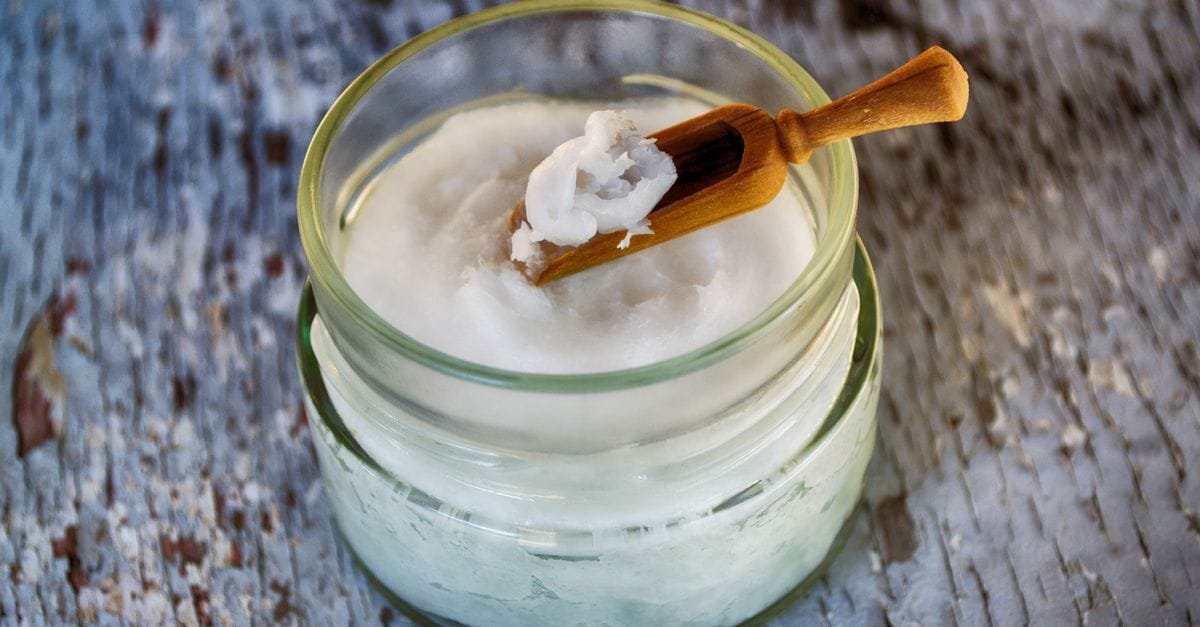
Coconut — the evidence king: small-moleculed, genuinely penetrating, the published protein-loss data is its resume. Caveats: can stiffen protein-sensitive and some low-porosity hair, and solidifies below room temperature (melt before use). Argan — the finishing star: lighter, vitamin-E-rich (the bodyguard molecule again), better as a post-wash seal and shine layer than a deep treatment. Jojoba — the scalp-friendly one: sebum-like structure, the pick for scalp-inclusive sessions on suitable scalps. Olive and avocado — kitchen-legitimate penetrators for thick, dry, high-porosity hair; heavier, so dose modestly. Amla, castor, rosemary-infused — the tradition-and-trend tier: pleasant, historied, evidence thinner than the marketing (rosemary’s small studies are the most interesting of the set); enjoy without expecting miracles. Mineral oil — unfashionable and honestly fine as a pure sealant; zero penetration, zero rancidity, zero cost.
The Technique, Start to Finish
1. Dose by length, not tradition: one to two teaspoons for shoulder length, a tablespoon-plus for long or thick hair — the drowned-scalp ladle is where wash-out misery starts.
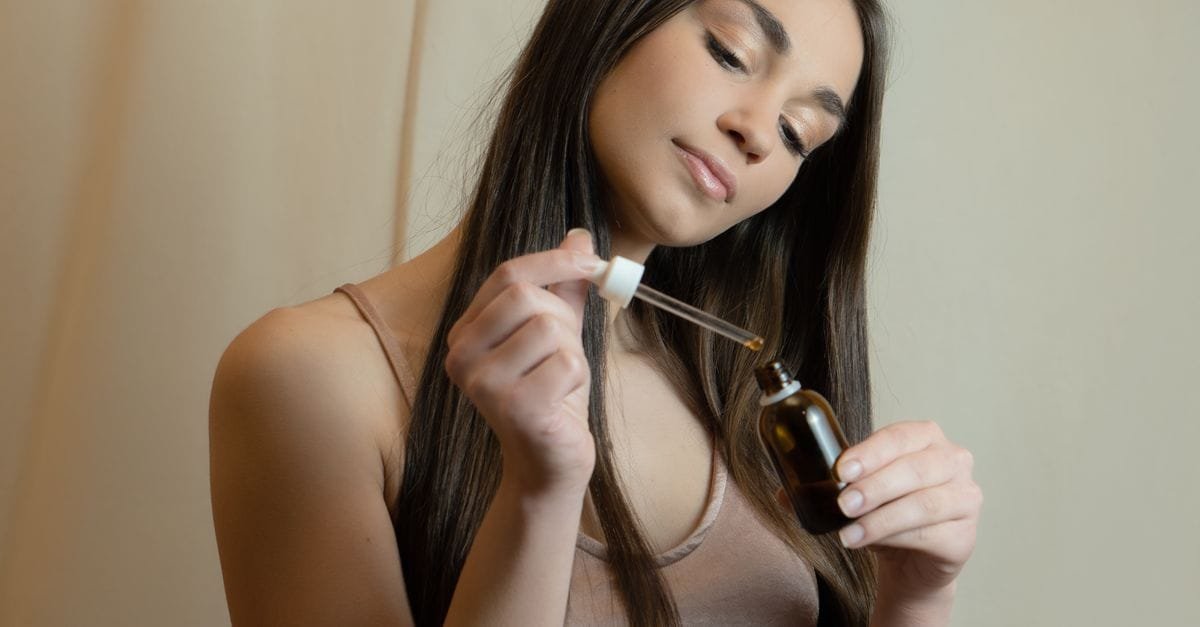
2. Warm it: bottle in a cup of hot water for two minutes (never microwaved to sizzling) — warm oil spreads thinner and feels like the ritual it is.
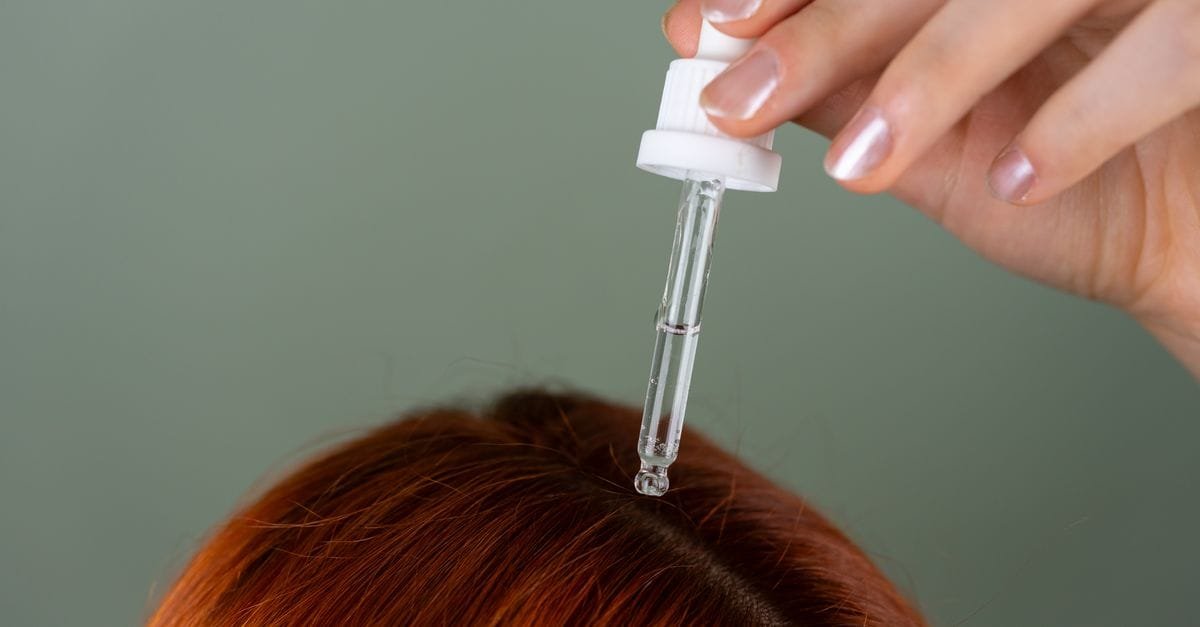
3. Scalp first (if your scalp is invited): section hair, apply with fingertips or a dropper-nozzle bottle along partings, and massage with fingertip pads in slow circles — five minutes, zero fingernails. Dry scalps: this is the treatment. Oily or flake-prone scalps: skip the scalp entirely and oil lengths only.
4. Lengths and ends always: smooth the remainder through mid-lengths and ends — the oldest, driest hair gets the richest coat (the split-end prevention connection).
5. Wait one to two hours: penetrating oils do most of their entering in the first hours; a warm towel wrap accelerates. Overnight is optional comfort for very dry, thick, high-porosity hair — and actively unwise for acne-prone hairlines, flake-prone scalps, and anyone fond of their pillowcases.
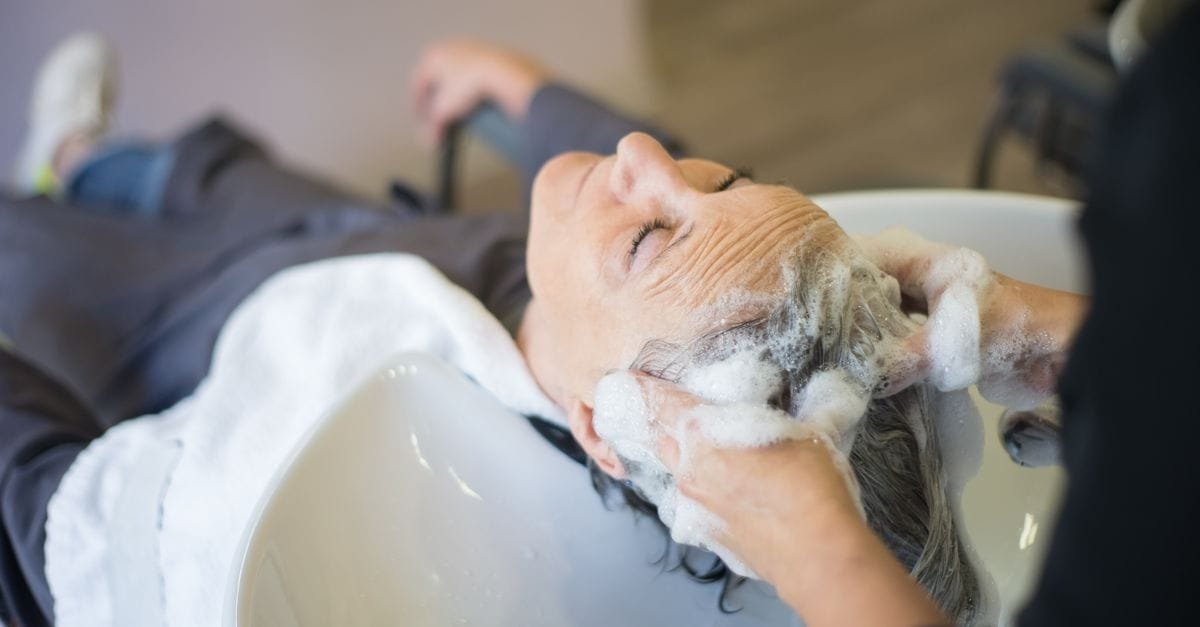
6. Wash out properly: apply shampoo to oiled hair before water (shampoo binds oil better undiluted), lather, rinse, repeat if needed — two gentle washes beat one angry one. Condition lightly; the oil did half that job.
How Often? The Scalp-Type Schedule
Dry scalp, dry or coily hair: weekly full sessions (scalp included) — the traditional rhythm exists for exactly this head. Normal scalp: weekly-to-fortnightly, lengths-focused, scalp occasionally. Oily scalp: lengths-only oiling, fortnightly, scalp never — your sebum already runs the scalp program. Dandruff-prone: here’s the honest hard line — Malassezia (the flaking yeast from our scalp guide) feeds on oils; overnight scalp oiling on a flaky head is yeast catering. Treat the dandruff first; oil the lengths meanwhile if you like. Protein-sensitive or low-porosity hair: lighter oils, shorter sessions, and watch for stiffness — your cuticle needs less help staying sealed.
Oiling Mistakes That Sour the Tradition
The everyday-oil lifestyle — daily heavy oiling suffocates follicles and collects dust; oiling is a treatment rhythm, not a hairstyle. Oil as heat protectant — the reverse is true: unbuffered oils under a 200°C iron essentially fry the strand; heat protectants and oils are different tools (oil after styling, not before). Oiling filthy hair — oil over product buildup seals the grime in; oil on day-two-clean hair, not day-six. The aggressive scalp scrub — massage means fingertip pads; nails and vigor inflame exactly what you’re soothing. Tight post-oil buns — oiled hair is slippery and elastic-stressed; braid loosely instead. Skipping the double cleanse — under-washed oil reads as “greasy for three days” and gets the tradition blamed for user error.
Oiling by Hair Type: The Tailored Paragraphs
Fine, straight hair: the lightest touch — a teaspoon of argan or jojoba, lengths only, one hour, washed thoroughly; heavy sessions leave fine hair looking wet till Thursday. Thick, wavy: the standard protocol as written. Curly and coily: the tradition’s heartland — richer oils, generous ends focus, longer sessions tolerated beautifully, plus oil’s second life in sealing (LOC/LCO methods) and pre-detangle slip. Bleached and high-porosity: genuinely transformative pre-wash — the swelling protection matters most for compromised fiber; coconut or olive, ninety minutes, weekly. Locs and protective styles: lighter oils for scalp comfort, sparing amounts to avoid buildup within the style.
The Cultural Note, Paid Properly
Hair oiling arrived on Western feeds recently, but it’s been Sunday-evening infrastructure in South Asian households, part of African and Caribbean grooming lineages, and Middle Eastern tradition for millennia — grandmother-to-granddaughter technology transfer that the research eventually caught up to (the coconut studies, notably, came from India). The trend cycle renamed it “hair slugging”; the tradition just calls it Sunday oil. Worth saying because credit matters — and because the traditional protocol (warm oil, patient massage, thorough wash) remains the best version of the practice, unimproved by its rebranding.
The Sunday Session, Scripted
6:00 pm: warm two teaspoons of coconut (dry head) or argan (finer head) in hot water. 6:05: section, scalp application if invited, five slow minutes of fingertip massage — the phone stays elsewhere; the massage is half the treatment and all of the ritual. 6:15: lengths and ends coated, loose braid, warm towel for the first half hour. 7:30–8:00: shampoo-first double wash, light condition, air-dry. Result: softer lengths tomorrow, measurably less wash breakage over months, and one genuinely pleasant hour a week that doubles as scalp care and stress care. Traditions survive on results; this one earned its centuries.

Oiling and Your Porosity (The Matching Table)
The porosity lens (full guide here) sharpens every oiling decision. Low porosity: the sealed cuticle resists oil entry too — use the lightest oils (jojoba, argan, grapeseed), warm them well, keep sessions shorter, and expect the win to be slip and shine rather than deep penetration; heavy coconut sessions are how low-porosity hair ends up limp AND stiff simultaneously. High porosity: the open cuticle is oiling’s best customer — penetrating oils (coconut, olive, avocado) enter genuinely, the pre-wash protection matters most here, and the post-wash seal locks in what the cuticle would otherwise leak. Medium: the standard protocol, adjusted seasonally. One clarifying note for all three: if oiled hair feels coated-but-crunchy days later, that’s buildup, not nourishment — clarify, lighten the oil, and halve the dose. The oil should disappear into the hair’s story, not become it.
Reading the Results: Your Four-Week Oiling Audit
Give the Sunday session four consecutive weeks, then audit honestly: wash-day shedding (count-adjacent impression — protected hair breaks less in the shower), ends condition under good light (fewer new splits, softer feel), detangling effort, and scalp comfort (dry-scalp users should feel the tightness retire; flake-prone users watching for the warning worsening). Positive on two or more: the tradition has earned its Sunday. Neutral: try a different oil weight before abandoning. Negative — increased flaking, hairline bumps, limpness: your head voted, and lengths-only (or none) is the answer; the tradition is grandmother-approved, not mandatory. Hair care’s only universal rule remains: the head in the mirror outranks every guide, including this one.
The Bottom Line
Hair oiling is that rare beauty tradition where the folklore and the lab largely agree: pre-wash oil protects, sealed ends survive, massaged scalps (the dry ones) thrive — while the growth miracles and everyone-must-oil universalism stay folklore. Match the oil to your hair, the schedule to your scalp, warm it, massage it kindly, and wash it out like you mean it. Your grandmother’s grandmother had the protocol right; the science just took a while to file the paperwork.
The Sunday-session kit:
The Sunday-session kit:
Frequently Asked Questions
Does hair oiling actually work?
For protection, yes — penetrating oils like coconut measurably reduce protein loss and washing breakage, and oiled ends fray less. For growth, no — oil protects the hair you have; growth rate is set at the follicle.
How long should I leave oil in my hair?
One to two hours covers most of the penetration benefit; overnight adds comfort only for very dry, thick, or high-porosity hair. Overnight scalp oiling is unwise for flake-prone or acne-prone heads.
Should I oil my scalp or just my hair?
By scalp type: dry scalps genuinely benefit from gentle oil massage; oily scalps should skip it; dandruff-prone scalps must skip it — the flaking yeast feeds on oil. Lengths and ends, meanwhile, welcome oil on almost every head.
Which oil is best for hair?
Coconut has the strongest penetration evidence (protein-loss studies); argan excels as a light finishing oil; jojoba suits scalp sessions; olive and avocado serve thick dry hair. Match weight to hair fineness and watch coconut on protein-sensitive hair.
How do I wash oil out of my hair?
Shampoo onto the oiled hair BEFORE water — undiluted shampoo binds oil best — then lather, rinse, and repeat gently if needed. Two calm washes beat one harsh one, and conditioner can go lighter than usual.
Can hair oiling cause dandruff or breakouts?
On the wrong head, yes: scalp oil feeds Malassezia (dandruff’s yeast) and can clog hairline follicles. Flake-prone and acne-prone users should oil lengths only and keep oil off skin and scalp.
Is overnight oiling better than one hour?
Rarely — penetrating oils do most of their work in the first couple of hours. Overnight mainly increases wash-out effort and pillowcase casualties; save it for very dry, thick hair that genuinely drinks it.
Can I oil my hair every day?
Better not — daily heavy oiling collects dust, weighs hair down, and overloads the scalp. Oiling is a weekly-to-fortnightly treatment rhythm; daily softness comes from a drop of finishing oil on the ends only.
Does rosemary oil grow hair?
The small studies comparing rosemary to minoxidil are genuinely interesting but limited — promising-not-proven territory. Enjoy it diluted in a carrier oil for the scalp massage ritual; see a professional about actual hair loss.
Should I oil my hair before or after washing?
Before — that’s where the science lives: pre-wash oil limits water swelling and protein loss during shampooing. After washing, only a drop or two on damp ends as a light seal; heavy post-wash oiling just greases clean hair.
Can I mix oils for hair oiling?
Freely — a penetrating base (coconut, olive) with a lighter finisher (argan, jojoba) is the classic blend, and a few drops of rosemary in a carrier is the trend’s favorite. Mix small batches; oils oxidize.
Does hair oiling help dandruff?
Usually the opposite — dandruff’s yeast feeds on oil, so scalp oiling often worsens flaking. Treat dandruff with anti-fungal shampoo first; oil the lengths only until the scalp is calm.
Is hair oiling good for thin or fine hair?
In miniature, yes: a teaspoon of light oil, lengths only, one hour, thorough double wash. Heavy or frequent sessions flatten fine hair for days — the tradition scales down, not off.

 Adhorika Khan