 Adhorika Khan
You bought the deep conditioner everyone swears by, and your hair ignored it. Your friend’s oil routine transformed her curls and left yours a greasy rope. The missing variable was never the products — it was porosity: how easily your hair’s cuticle layer lets moisture in and out. Low-porosity hair resists absorbing (products sit on top); high-porosity hair absorbs instantly and loses it just as fast (chronic dryness despite constant conditioning). Identify yours with two honest tests, and half the haircare aisle suddenly makes sense — including which half to stop buying.
This is the complete porosity guide: what the cuticle is actually doing, the tests that work (and the famous one that doesn’t), full care routines for low, medium, and high porosity, and how damage quietly moves you along the scale.
Key Takeaways
- Porosity = how open your cuticle is: flat shingles resist moisture (low); lifted or damaged shingles gulp and leak it (high).
- The float test is unreliable — product residue and oils skew it; the spray test and drying-time test tell the truth.
- Low porosity wants heat with deep conditioning and lightweight products; high porosity wants sealing, protein, and gentleness.
- Porosity is part genetics, part biography: bleach, heat, and sun push any head toward high.
- Products fail by mismatch, not badness — the internet’s favorite butter is low-porosity hair’s worst enemy.
What Is Hair Porosity, Exactly?
Every strand is wrapped in a cuticle — overlapping keratin scales laid like roof shingles. Porosity describes how tightly those shingles lie. Low porosity: shingles flat and sealed — water and products struggle to enter, but whatever’s inside stays. Medium porosity: shingles relaxed enough to exchange moisture sensibly — the low-maintenance middle. High porosity: shingles lifted, chipped, or missing (by genetics or damage) — moisture floods in and evaporates out, taking softness with it.
Why it decides everything: conditioning is a delivery problem, and porosity is the door. The same rich mask that high-porosity hair drinks gratefully just sits on low-porosity strands as buildup; the light spray that suits low porosity does nothing for high porosity’s leak. Match the door before judging the delivery.
The Tests: Two That Work, One That Doesn’t
The Spray Test (Best)
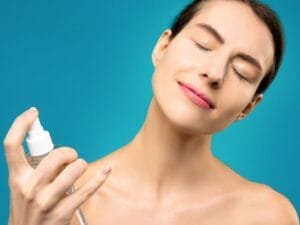
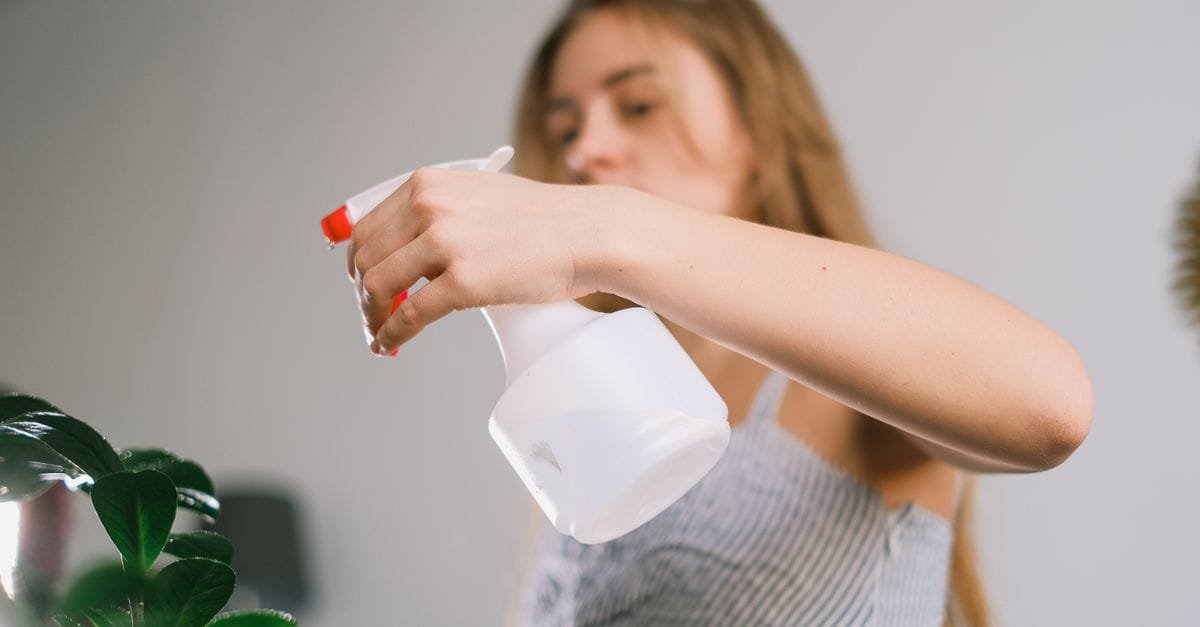
Mist clean, product-free, dry hair with water and watch for thirty seconds. Beads sitting on the surface before slowly sinking in = low porosity. Instant absorption, hair darkening immediately = high. Somewhere unremarkable in between = medium. This tests exactly the thing porosity is — water behavior at the cuticle.
The Drying-Time Test (Confirms)
After a normal wash, how long does your hair air-dry? Hours and hours (water trapped under sealed cuticles is slow to leave) = low. Remarkably fast = high — the open door swings both ways. Pair this with the spray test; agreement is your verdict.
The Float Test (Skip It)
The famous glass-of-water test — drop a strand, watch it float or sink — is the least reliable of the three: product residue and natural oils float even porous hair, cuticle-coated fresh strands mislead, and surface tension does the rest. If your float test contradicts the spray and drying tests, believe the majority. (The strand-feel test — sliding fingers up a strand; bumpy = high, glassy = low — makes a decent tiebreaker.)
Caring for Low-Porosity Hair
The mission: get moisture in past the sealed door, and stop piling products on top of it.
Heat is your unlock: deep condition with gentle warmth — a shower cap plus a warm towel (or ten extra minutes in a steamy bathroom) lifts the cuticle just enough to let treatment enter. It’s the single highest-value low-porosity habit.
Lightweight everything: liquid leave-ins, milks, and light oils (argan, grapeseed, jojoba) over butters and creams — shea-heavy products are where low-porosity limpness comes from. Apply to warm, damp hair, when the door is most open.
Clarify on schedule: because products sit on the surface, buildup accumulates fast — a clarifying wash every few weeks resets the canvas and often “fixes” hair that seemed suddenly immune to everything (the same buildup logic as our scalp guide).
Skip: protein-heavy treatments as a default (low-porosity hair is usually protein-sufficient — overload makes it straw-stiff), heavy oil pre-poos, and product-cocktail layering.
Caring for High-Porosity Hair
The mission: fill the gaps, seal the exits, and stop adding new damage.
Moisture in, then sealed: the layering rhythm is leave-in (water-based) → cream → oil — the oil seals the moisture the layers beneath delivered. Heavier sealants that suffocate low porosity are exactly right here.
Protein is your friend: hydrolyzed-protein treatments patch the cuticle’s missing shingles temporarily — regular (every 2–4 weeks), alternated with moisture masks; hair will tell you the ratio (mushy-stretchy = needs protein; stiff-brittle = needs moisture).
Cool and gentle mechanics: cool-water final rinses encourage the cuticle to lie down, microfiber towels and satin pillowcases reduce the friction that lifts it further, and detangling happens with conditioner in, ends first.
Non-negotiable: heat protectant before any hot tool — high-porosity hair is usually already heat-and-chemistry damaged, and every unprotected pass moves it further along (the honest damage story in our repair guide).
Medium Porosity: Congratulations, Now Protect It
Medium-porosity hair absorbs and retains sensibly — the whole aisle basically works. The only real assignment is not ruining it: heat protectant as habit, bleach with realism (every lift session raises porosity), sun protection on beach weeks, and a wash rhythm matched to your scalp (our frequency guide). Re-test porosity yearly and after any major color work — porosity is a biography, and yours is still being written.
Porosity Changes: The Damage Slide
Genetics deal the starting hand (curl patterns often trend porous at the curves; some heads are born sealed), but biography does the rest: bleach and color chemically lift the cuticle by design — repeated sessions are the express lane to high porosity; heat styling without protectant chips shingles cumulatively; sun and chlorine weather them (hats and pre-swim conditioner are hair sunscreen); and rough mechanics — dry brushing, towel scrubbing, elastic snapping — do mechanical shingle damage. You can’t genuinely lower porosity (damaged cuticles don’t regrow — same dead-hair truth as always), but you can stop raising it and care for the hair you have while replacement grows in at its patient centimeter-per-month.

Reading Products Through a Porosity Lens
Low porosity shopping list: “lightweight,” “liquid leave-in,” humectants like glycerin and honey (they draw moisture toward the strand), clarifying shampoos, light oils. Avoid-list: shea butter heavy creams, coconut-oil-first formulas (famously mixed for low porosity), “intense repair” protein lines.
High porosity shopping list: hydrolyzed proteins (keratin, rice, silk), bond-building treatments, richer creams and butters, sealing oils, deep masks (our mask roundup leans this way). Caution-list: high-glycerin products in extreme climates — in very dry air, humectants can pull moisture out of porous hair; seal over them.
And the frizz connection worth naming: most chronic frizz is porosity behaving normally — open cuticles grabbing air humidity (see our frizz guide); sealing strategies beat fighting strategies.
Porosity Myths, Retired
“Porosity equals curl type” — related but independent; straight hair can be porous, coils can be sealed. Test, don’t assume. “You can permanently repair high porosity” — treatments patch temporarily; only new growth is truly new. “Low porosity means unhealthy” — it’s often the healthiest cuticle in the room; it just needs different service. “One test settles it” — spray plus drying-time, majority rules. “Expensive porosity-matched lines are required” — porosity is a matching principle, not a product category; the drugstore serves both ends fine once you know which end you are.
Your Porosity Protocol, Start to Finish
This week: clarify once (clean slate), then run the spray test on dry product-free hair and note drying time at your next wash. Verdict in hand: adopt the matching routine above — low gets heat-assisted conditioning and lightweight layers; high gets protein rotation and seal-everything; medium gets protection and a smug smile. Ongoing: re-test after color work and yearly; adjust seasonally (humidity changes the equation); and give any routine change three to four weeks before judging — hair responds on hair time. The payoff isn’t complicated: products that finally do what their labels promised, because they’re finally getting through the door.

Porosity and Color: What Your Stylist Wishes You Knew
Porosity is half of every color appointment’s outcome. High-porosity hair grabs color fast and releases it fast — deposits dark quickly (stylists’ “porous ends go darker” warning), fades vivid fashion shades in weeks, and drinks toner unevenly. Low-porosity hair resists color entry — needing longer processing and sometimes gentle heat, but holding the result admirably once in. The practical translations: porous-ended heads should ask for ends-adjusted formulas (good stylists already do this), vivid-color devotees should accept that high porosity makes fading a subscription, and everyone post-color should run the sealed-cuticle protocol — cool rinses, acidic-pH conditioners, and gentle sulfate-free washing — because color chemistry just raised your porosity another notch, and the aftercare decides how gracefully. Mention your test results at the consultation; it’s genuinely useful intel for the person mixing your formula.
The Two-Week Porosity Experiment
Proof beats theory: run your matched routine for exactly two weeks and score three things you can feel — detangling effort (matched routines cut it noticeably), end-of-day frizz (sealed or satisfied cuticles lie flatter), and days of freshness between washes. Photograph wash-day hair on day one and day fourteen in the same light. Low-porosity heads usually report the heat-assisted conditioning as the revelation; high-porosity heads, the protein-and-seal rhythm. If nothing moved, re-run the tests — mixed porosity (porous ends, sealed roots, extremely common on long or colored hair) needs zone treatment: light products at the roots, rich sealing at the ends, which is less complicated than it sounds and exactly how stylists think about your head already.
The Bottom Line
Porosity is the missing variable behind nearly every “this product works for everyone but me” mystery. Two honest tests, one matched routine, and the discipline to protect the cuticle you have — that’s the entire system. Your hair was never difficult; it was just being served through the wrong door.
The porosity-matched starter kit:
The porosity-matched starter kit:
Frequently Asked Questions
How do I know my hair porosity?
Two reliable tests: mist clean dry hair with water (beading = low porosity, instant absorption = high) and note air-dry time (very slow = low, very fast = high). The famous float test is skewed by product residue — treat it as a tiebreaker at best.
What does low porosity hair need?
Warmth with deep conditioning (shower cap + warm towel), lightweight liquid products applied to warm damp hair, regular clarifying, and a break from heavy butters and protein overload — its sealed cuticle needs help letting moisture in, not more sitting on top.
What does high porosity hair need?
The moisture-then-seal layering rhythm (leave-in, cream, oil), regular protein treatments to patch the cuticle, cool rinses, satin pillowcases, and religious heat protectant — its open cuticle needs the exits sealed and no new damage.
Can you change your hair porosity?
You can raise it (bleach, heat, sun, friction all lift the cuticle) but not truly lower it — damaged cuticles don’t regrow. Treatments temporarily smooth and patch; permanently lower-porosity hair only arrives as new growth.
Is coconut oil good for low porosity hair?
It’s famously divisive — coconut penetrates well but can also sit heavy and stiffen protein-sufficient low-porosity hair. Test it in a light application; if hair turns limp or straw-like, switch to grapeseed, argan, or jojoba.
Why does my hair take forever to dry?
Classic low porosity: water that finally got past the sealed cuticle is equally slow to leave. It’s a porosity signature, not a problem — though a microfiber towel and patience beat aggressive heat drying.
Does porosity matter more than curl type?
For product choice, usually yes — porosity decides what penetrates and what sits, while curl pattern decides styling. Two identical curl types with different porosity need different products; test both variables.
Can hair have different porosity in different places?
Very commonly — colored or long hair often runs sealed at the roots and porous at the ends. Zone the care: lightweight products near the scalp, protein and sealing on the lengths and ends.
Does bleaching change hair porosity?
Always — bleach lifts the cuticle chemically to work, raising porosity with every session. Bond-builders during processing and the high-porosity protocol afterward are the honest maintenance contract.
What ingredients should low porosity hair avoid?
Heavy butters (shea-first formulas), protein-heavy treatment lines used routinely, and thick oils applied to dry hair — all sit on the sealed cuticle as buildup. Lightweight humectant-rich formulas applied to warm, damp hair are the lane.
Is high porosity hair bad?
It’s higher-maintenance, not bad — with the seal-and-protein routine, porous hair looks and behaves beautifully. It only suffers when treated like sealed hair: unprotected heat, humectants unsealed, no protein patching.
Do porosity-specific product lines work?
The principle works; the branding is optional. Any lightweight humectant formula serves low porosity and any protein-plus-seal system serves high — the labeled lines just pre-sort the shelf for you, sometimes at a markup.

 Adhorika Khan