 Adhorika Khan
If your skin were a brick wall, the cells would be the bricks — and ceramides would be the mortar holding the whole structure weatherproof. Ceramides are lipids (fats) that make up roughly half of your skin barrier’s mortar, keeping water in and irritants out. When they run low — from age, over-exfoliation, harsh products, or winter — skin gets dry, tight, reactive, and leaky. Ceramide skincare works by restocking the mortar, and it’s one of the least controversial, best-supported moves in the entire routine.
This is the complete dictionary chapter: what ceramides are, the deficiency signs, how to choose among the confusing product labels (NP? AP? EOP?), pairing rules with your actives, and who benefits most from stocking up.
Key Takeaways
- Ceramides are ~50% of your barrier’s lipid mortar — native to skin, not a foreign active, which is why tolerance is nearly universal.
- Low ceramides look like: tightness, flaking, dullness, stinging products, and eczema-prone flares.
- They’re restorers, not stimulants: results are comfort and resilience, not dramatic transformation.
- The power pairing: ceramides + retinoids/acids — the mortar funds the renovation your actives perform.
- Formulation matters more than percentage: ceramides work best in lipid-balanced creams (with cholesterol and fatty acids), not as a marketing sprinkle.
What Are Ceramides, Exactly?
Ceramides are waxy lipid molecules your skin manufactures naturally. In the outermost layer (the stratum corneum), flattened dead cells stack like bricks, and between them sits a highly organized fat layer — the mortar — made of ceramides (about half), cholesterol (~25%), and free fatty acids (~10–15%). This lipid matrix is the actual waterproofing of the human body: it slows water escaping outward and blocks irritants, allergens, and microbes headed inward.
The dozen-plus ceramide types your skin uses appear on labels with cryptic suffixes — ceramide NP, AP, EOP, NG. You do not need to memorize them; well-formulated products blend several, and the suffix trivia matters far less than the formulation question we’ll cover below. (This chapter slots into the barrier-builders family of our ingredient dictionary, and pairs with the full barrier repair playbook.)
How Do Ceramides Run Low?
Age: ceramide production declines measurably decade over decade — a core reason mature skin runs drier and thinner-feeling. Over-cleansing and hot water: foaming surfactants and long hot showers literally wash mortar out of the wall. Over-exfoliation and active overload: the modern classic — acids and retinoids used past tolerance dissolve and disrupt faster than skin rebuilds (the crash our exfoliation guide warns about). Winter and dry climates: low humidity accelerates water loss through even healthy mortar. Genetics and conditions: eczema-prone skin demonstrably runs ceramide-poor — which is why ceramide creams are a dermatologist staple for it. Detergents and occupational washing: hands that wash dozens of times daily lose mortar fastest of all (nurses’ and parents’ hands know).
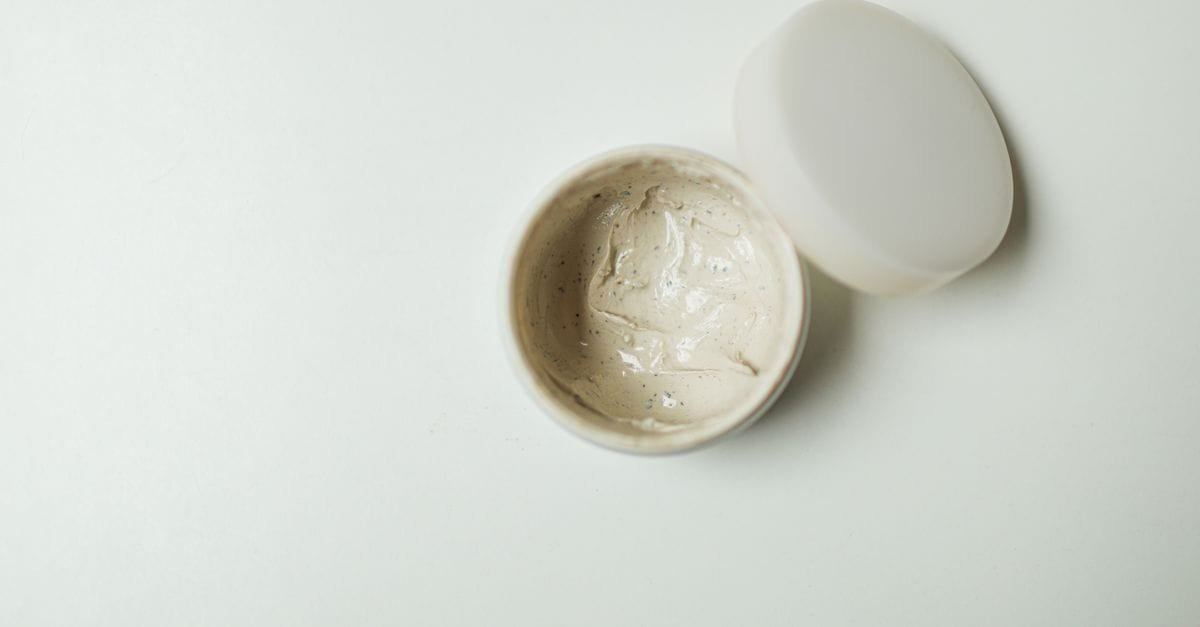
The Deficiency Checklist: Does Your Skin Need Ceramides?
Run the symptoms: skin feels tight after cleansing (the classic); flaky or rough patches despite moisturizing; a dull, tired finish that glow products don’t fix; stinging when ordinary products go on; faster reactivity — things that never bothered you suddenly do; eczema-adjacent patches at elbows, eyelids, or mouth corners; and makeup that clings to dry texture by noon. Three or more: your mortar wants restocking. (Distinguishing true dryness from dehydration changes the fix — our dry vs dehydrated guide makes the call.)
What Ceramide Products Actually Do (Honest Expectations)
Applied ceramides integrate into the existing matrix and — importantly — signal skin to normalize its own production. The results arrive as comfort metrics: less tightness within days, reduced flaking within a week or two, measurably less water loss, better tolerance of actives, calmer reactive episodes. What they don’t do: brighten pigment, clear acne, build collagen, or erase lines — restorers, not stimulants. The one indirect anti-aging truth worth stating: chronically leaky, inflamed skin ages faster, so a maintained barrier is quiet long-game prevention — just not a wrinkle cream.
How to Choose a Ceramide Product (The Part Labels Obscure)
Formulation Beats Percentage
Skin’s mortar is a ratio — ceramides + cholesterol + fatty acids — and research suggests products approximating that balance outperform ceramide-only sprinkles. Practical translation: look for ceramides plus cholesterol and fatty acids (or shea/jojoba-type lipids) in the INCI, ideally with the supporting cast: niacinamide (boosts your own ceramide synthesis — the perfect teammate, per our niacinamide guide), glycerin or hyaluronic acid (water for the mortar to seal in), and panthenol (soothing support).
Format by Skin Type
Creams are the workhorse — the classic ceramide moisturizers (drugstore legends included) deliver the lipid blend in the right vehicle. Lotions and gel-creams suit oily and combination skin wanting barrier support without weight. Serums layer ceramides under your existing moisturizer — good for routine-tinkerers. Balms and ointment-adjacent formulas serve very dry skin, winter, and targeted patches. Cleansers with ceramides are mostly about being non-stripping — worthwhile, but the leave-on products do the real restocking.
Red Flags
Fragrance-heavy “barrier” creams (working against their own job), ceramide listed dead-last behind twenty botanicals (a sprinkle), and luxury pricing for the same lipid blend a drugstore delivers — this is one category where affordable options are genuinely excellent, and dermatologists say so constantly.

The Power Pairing: Ceramides + Your Actives
Here’s where ceramides earn permanent shelf space: they are the funding source for your actives program. Retinoids and exfoliating acids stress the barrier as the price of their results — ceramide moisturizers pay that tax nightly, which is why the classic sandwich (moisturize–retinoid–moisturize with a ceramide cream) lets people tolerate actives they otherwise couldn’t. In skin cycling terms, ceramides ARE the recovery nights. Pairing chart, short version: with retinoids — ideal; with AHAs/BHAs — ideal; with vitamin C — fine; with azelaic and niacinamide — natural teammates; conflicts — none worth naming. The rare skin that dislikes a ceramide cream is usually reacting to fragrance or another ingredient in the formula, not the ceramide.
Who Benefits Most?
Dry and mature skin: replacing exactly what production stopped supplying. The active enthusiast: anyone running retinoids or regular acids (i.e., most readers of this site). Eczema-prone and sensitive skin: ceramide creams are first-line comfort. Winter faces and hands: seasonal mortar reinforcement — and yes, hands deserve a ceramide-forward hand cream more than the face does some winters. Barrier-crash survivors: the over-exfoliated in recovery — ceramides are most of the repair protocol. Oily, resilient, unbothered skin: genuinely optional — a decent basic moisturizer may already suffice; add ceramides when actives, age, or winter change the math.

A Ceramide-Smart Routine (Sample)
Morning: gentle (ideally non-stripping) cleanse → hydrating serum if you like → ceramide moisturizer → SPF. Night: cleanse → treatment active on its scheduled night → ceramide moisturizer (or the sandwich on retinoid nights). Flare weeks: drop the actives, double down on the ceramide layer — bland weeks rebuild. That’s the entire operating manual; ceramides demand no cycling, no purge patience, no layering choreography. They’re infrastructure — boring in exactly the way load-bearing walls are boring.
Ceramides Beyond the Face: Body, Hands, and Scalp
The mortar metaphor applies neck-down with interest. Hands are the body’s most ceramide-depleted real estate — washed dozens of times daily, detergent-exposed, winter-cracked; a ceramide hand cream at every sink outperforms any face-first strategy for visible skin comfort. Body: ceramide body lotions are the upgrade pick for eczema-prone torsos, shins that flake in winter, and the KP-adjacent rough zones — applied on damp post-shower skin per the ninety-second rule. Scalp: a barrier-stressed scalp (over-washed, dandruff-treated, heat-styled) benefits from the same logic — several gentle shampoos and leave-ins now carry ceramides, a sensible pairing with the routine in our scalp guide. One jar strategy: the classic big-tub ceramide creams are formulated face-and-body — buying the tub and using it everywhere is the budget move dermatologists themselves make.
Ceramides by Season and Age
Winter is ceramide season: production can’t keep pace with dry air and indoor heating, so the routine upgrades — richer cream textures, twice-daily application, and the overnight thick-layer trick on wind-burned days. Summer relaxes the need for most; gel-cream formats keep barrier support without weight. By decade: twenties skin usually needs ceramides only during active-heavy phases or crashes; thirties and forties, as production declines, they graduate from optional to sensible default; fifties onward, ceramide-forward moisturizing is arguably the highest-return step in the entire routine short of SPF — declining mortar is the mechanism behind “my skin suddenly can’t tolerate anything,” and restocking it is the fix.

Can Kitchen Oils Replace Ceramide Creams?
The DIY question deserves a straight answer: plant oils (jojoba, sunflower, coconut) are emollients that soften and occlude — genuinely useful, covered in our face oils guide — but they are not ceramides and don’t rebuild the mortar’s specific architecture. Sunflower and safflower oils do feed the barrier some linoleic acid (a fatty-acid cousin of the system), which is why they’re the best of the pantry options — but a formulated ceramide-cholesterol-fatty-acid cream remains the tool designed for the job, at drugstore prices that undercut most “natural alternative” boutique oils anyway. Oils are the seal; ceramide creams are the masonry crew. Different trades, both useful, not interchangeable.
The Three-Product Ceramide Starter
If this chapter compressed to a shopping list: a non-stripping cleanser (ceramide-containing or simply gentle — the job is not removing mortar), a ceramide moisturizer in the texture your skin type prefers (the workhorse — cream for dry, gel-cream for oily), and a ceramide hand cream for every sink you pass. Total spend at drugstore prices: less than one luxury serum, covering the barrier needs of face, hands, and — with the big tub — body. Add nothing else until those three have run four honest weeks; barrier repair is the rare skincare category where the budget build IS the dermatologist build.
The Bottom Line
And one closing reassurance for the overwhelmed: of every category on this site, barrier care is the hardest to get wrong — there is no over-application, no purge, no timing chart. Apply, repeat, done; the mortar never argues back.
Ceramides are the rare skincare star with no hype tax: native to skin, backed by decades of barrier science, cheap to buy well, and compatible with everything. If your skin runs tight, flaky, reactive, or active-stressed, restock the mortar — a well-formulated ceramide moisturizer morning and night — and let comfort, resilience, and better active tolerance be the entirely realistic reward. The wall was always the point; the mortar just never got the marketing budget.
The short honest list:
The short honest list:
Frequently Asked Questions
What do ceramides do for your skin?
They’re the lipid “mortar” holding your skin barrier’s cells together — about half of it. Ceramide products restore that mortar, reducing water loss, tightness, flaking, and reactivity while improving tolerance of actives like retinoids.
How do I know if my skin needs ceramides?
The checklist: tightness after cleansing, flaky patches despite moisturizer, stinging from ordinary products, new reactivity, dull finish, eczema-prone spots. Three or more signs point to a depleted barrier.
Can I use ceramides with retinol?
Ideally, yes — it’s the classic power pairing. A ceramide moisturizer buffers retinoid irritation (the “sandwich” method) and funds the barrier stress your active creates. No conflicts exist.
Do ceramides clog pores or cause breakouts?
Ceramides themselves are skin-identical and well tolerated even by oily skin — choose gel-cream formats if you’re clog-prone. Reactions to ceramide creams usually trace to fragrance or heavy occlusives in a specific formula.
Which ceramide type is best — NP, AP, EOP?
Don’t sweat the suffixes: good products blend several types, and the formulation (ceramides plus cholesterol and fatty acids, in balanced ratios) matters far more than any single ceramide’s letters.
Are expensive ceramide creams better?
Rarely — this is a category where drugstore formulations are genuinely excellent and dermatologist-endorsed. Pay for good formulation and fragrance-free comfort, not packaging.
How long do ceramides take to work?
Comfort improves within days; flaking and reactivity settle over one to two weeks; full barrier recovery from a crash takes two to four weeks of consistent use. They’re restorers — steady, not dramatic.
Can I use ceramides every day?
Yes — twice daily is the standard, and there’s no adjustment period, purge, or cycling required. Ceramides are skin-identical maintenance, not an active you build tolerance to.
Are ceramides good for oily and acne-prone skin?
Generally yes, in gel-cream formats — a healthy barrier actually helps regulate oil and tolerate acne treatments. Choose lightweight, fragrance-free formulas and let your skin’s comfort confirm the pick.
Do ceramide products help eczema?
Ceramide-rich moisturizers are a dermatologist staple for eczema-prone skin, which measurably runs ceramide-poor. They support the barrier alongside — never instead of — any prescription treatment your doctor prescribes.
Should I use a ceramide serum or moisturizer?
The moisturizer is the workhorse — ceramides belong in the lipid-rich final layer where they integrate with the barrier. A serum underneath is optional reinforcement for very dry or recovering skin.


 Adhorika Khan