Adhorika Khan
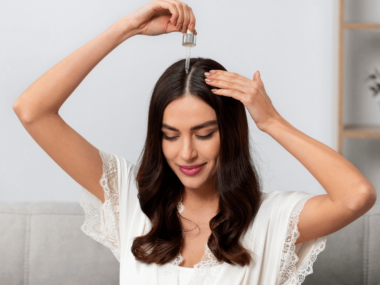
DIY hair masks are a natural, cheap way to boost your hair care. They can help you get healthy, shiny hair without store-bought products.
With the demand for chemical-free hair care, more people are using homemade hair masks. They want the benefits of natural ingredients. You can make a hair mask at home. It lets you target your specific hair needs. You can add moisture, strengthen damaged strands, or improve scalp health. To need hair extensions, click here.
The beauty of DIY hair masks lies in their flexibility. From dry, frizzy hair to oily scalps, you can customize a mask to suit your hair type, texture, and goals. Common ingredients like coconut oil, honey, and yogurt are full of nutrients.
They let you make masks that are gentle yet effective. With a few ingredients, you can make a great hair mask. It will nourish your hair and rival expensive salon treatments. To need hair extensions, click here.
This guide will cover the best ingredients and recipes for different hair types. We’ll also show you how to apply the masks in a way that achieves the desired results. It will also answer common questions about DIY hair masks. To need hair extensions, click here.
Plus, it has tips to maximize your results. Get ready to unlock the secret to beautiful hair from the comfort of your own home!
01. Why DIY Hair Masks? Benefits and Advantages
DIY hair masks are now popular. They offer an affordable, effective hair care option. A homemade hair mask gives you control over the ingredients. It lets you fix hair issues without using chemical-laden, store-bought products.
Below are some of the top reasons why DIY hair masks could be the perfect addition to your hair care routine.
1. Control Over Ingredients
One of the primary benefits of making your own hair mask at home is that you control what goes into it. Many hair masks have preservatives, synthetic fragrances, and additives. They may not suit sensitive scalps or some hair types.
DIY hair masks let you choose pure, natural ingredients. They can target your unique needs: hydration, strength, or scalp health. Common ingredients like coconut oil, honey, and avocado are nutrient-rich. They’re full of vitamins. They nourish hair naturally.
For instance, try this coconut oil on Amazon here, which is ideal for moisturizing and taming frizz in dry hair. Alternatively, you can find affordable options on AliExpress, such as argan oil for smoother, silkier strands here.
2. Cost-Effective Solution
Salon treatments and branded hair masks can be expensive, especially if you use them regularly. DIY hair masks are cheap. Most recipes use kitchen staples, like yogurt, honey, or olive oil. You may already have them.
For example, a homemade hair mask with just avocado and olive oil can be incredibly hydrating for dry hair without the hefty price tag. This affordability allows you to treat your hair regularly without breaking the bank. To need hair extensions, click here.
3. Sustainable and Eco-Friendly
Making your own hair mask at home can also be a more sustainable choice. Store-bought hair products often come in plastic containers, contributing to waste. By using simple, natural ingredients, you can reduce your carbon footprint and contribute to a more eco-friendly beauty routine. Plus, you can reuse or recycle containers when making your own DIY hair masks.
For an eco-friendly addition to your hair mask routine, consider using this glass jar set on Amazon here for storing homemade treatments. These jars are reusable, making them a great option for an environmentally-conscious beauty regimen.
4. Customizable for Every Hair Type
Another key advantage of DIY hair masks is their adaptability. Whether you have dry, oily, curly, or damaged hair, there are specific recipes that cater to different hair needs. For instance:
- For Dry Hair: A coconut oil and honey mask works wonders for hydration.
- For Oily Hair: A yogurt and lemon mask can help balance excess oil.
- For Damaged Hair: A protein-rich mask with eggs and mayonnaise strengthens weak strands.
This versatility makes it easy to experiment with different ingredients to see what works best for your hair. If you’re new to DIY hair masks, you can start with a simple hydrating mask using ingredients available on AliExpress here.
5. Natural and Chemical-Free Care
Commercial hair masks can contain harsh chemicals, which may cause irritation or even hair damage over time. DIY hair masks rely on natural ingredients, allowing you to avoid potential irritants and focus on pure, nourishing components.
Natural ingredients like banana, aloe vera, and oatmeal provide gentle care that can enhance hair health and shine over time.
Using DIY hair masks not only aligns with clean beauty standards but also promotes healthier, stronger hair naturally. Try a highly-rated banana powder for hair masks, which you can find on Amazon here.
Pros and Cons of DIY Hair Masks
| Pros | Cons |
|---|---|
| Natural, chemical-free ingredients | It requires preparation time |
| Cost-effective and budget-friendly | Limited shelf life; can’t store long-term |
| Customizable for specific hair needs | Potential for mess during application |
| Sustainable, eco-friendly option | Not as convenient as store-bought masks |
Creating a DIY hair mask can be incredibly rewarding, offering effective, chemical-free care tailored to your hair’s unique needs. In the following sections, we’ll cover the best ingredients for DIY hair masks, along with recipes to suit all hair types and conditions.

02. Essential Ingredients for DIY Hair Masks
Choosing the right ingredients for your DIY hair mask can make a significant difference in your hair’s health, texture, and shine. Many natural ingredients offer unique benefits for various hair types and concerns.
In this section, we’ll explore some of the most effective ingredients you can use in a homemade hair mask to target specific issues such as dryness, damage, and scalp health.
1. Natural Oils for Moisture and Shine
Oils are some of the most popular ingredients in DIY hair masks due to their intense moisturizing properties. Coconut oil is especially effective for dry and damaged hair, as it penetrates deep into the hair shaft, providing lasting hydration and shine.
Another excellent option is olive oil, known for its ability to soften and add luster to dull strands.
For those interested in trying these oils, you can find high-quality coconut oil on Amazon here and a variety of options on AliExpress here. These oils are perfect for deep-conditioning treatments.
2. Honey for Moisture and Antioxidants
Honey is another powerhouse ingredient in homemade hair masks. Its humectant properties help it draw moisture into the hair, which is ideal for anyone struggling with dry or brittle hair. Honey also contains antioxidants that can repair and protect hair from environmental damage, leaving it healthier and shinier.
You can add a teaspoon of honey to any DIY hair mask recipe for a boost of moisture. Look for organic honey options on Amazon here to ensure you’re getting pure, additive-free honey.
3. Aloe Vera for Hydration and Scalp Health
Aloe vera is a fantastic choice for those with an oily scalp or dandruff. Its soothing and hydrating properties make it suitable for balancing moisture without adding excess oil. Aloe vera can also calm an irritated scalp, making it an excellent base ingredient for DIY hair masks for scalp health.
If you’re seeking natural aloe vera for hair masks, consider using aloe vera gel from Amazon here or AliExpress here to maximize the benefits in your homemade hair mask. To need hair extensions, click here.
4. Avocado for Protein and Vitamin E
Rich in protein, Vitamin E, and essential fats, avocado is perfect for repairing damaged hair. The oils in avocado penetrate deep into the hair shaft, helping to strengthen hair and reduce breakage. This makes it ideal for those with frizzy or damaged hair looking to add smoothness and shine.
You can blend half an avocado into your DIY hair mask or find avocado powder for convenience on Amazon here.
5. Yogurt for Protein and Scalp Care
Yogurt is a go-to ingredient for DIY hair masks for oily hair or dandruff. It contains lactic acid, which gently exfoliates the scalp and removes dead skin cells, reducing buildup and flakes. Plus, yogurt’s protein content helps to strengthen hair, making it less prone to breakage.
Using plain yogurt in your hair mask at home is easy and affordable. For those interested, high-quality yogurt powders that can be added to hair masks are available on AliExpress here.
6. Bananas for Softening and Shine
Bananas are rich in potassium and natural oils, making them perfect for hydrating and softening hair. They help reduce frizz and improve elasticity, which is beneficial for curly or dry hair. For a simple DIY hair mask, mash one ripe banana with a bit of honey or olive oil to get a smooth, creamy texture.
You can purchase pre-prepared banana powder for hair masks, available on Amazon here, to make the application easier and less messy.
7. Eggs for Strengthening and Protein
Eggs are a natural source of protein, which is essential for strengthening hair. They help repair damage, reduce breakage, and add a natural shine to your locks. Use the yolk if you have dry hair, as it’s rich in fats, or the whites for oily hair to reduce excess oil.
For a ready-to-use option, check out egg-based hair treatments available on AliExpress here.
Pros and Cons of Popular DIY Hair Mask Ingredients
| Ingredient | Benefits | Cons |
|---|---|---|
| Coconut Oil | Deep hydration reduces frizz | May weigh down fine hair |
| Honey | Adds moisture, natural antioxidant | Can be sticky and hard to rinse out |
| Aloe Vera | Soothes scalp, balances oil | Not as moisturizing for very dry hair |
| Avocado | Strengthens, adds shine | Requires blending; messy |
| Yogurt | Scalp exfoliation, protein boost | May cause buildup if not rinsed thoroughly |
| Banana | Softens, hydrates, reduces frizz | Sticky texture; hard to rinse out completely |
| Eggs | Strengthens and adds protein | May leave a smell; can be difficult to rinse |
Incorporating these ingredients into your DIY hair mask routine can help you address a range of hair issues naturally and effectively.
Experiment with different combinations to see which ingredients work best for your hair type and goals. When you’re ready, check out high-quality options for each ingredient on Amazon here or AliExpress here.
03. DIY Hair Mask Recipes for Every Hair Type
Creating a DIY hair mask allows you to tailor treatments for specific hair types and conditions. Whether your hair is dry, oily, curly, or damaged, there’s a homemade hair mask recipe that can nourish, hydrate, and enhance your hair’s health. Below are effective recipes for various hair types, with instructions on how to make and apply them. To need hair extensions, click here.
1. Hair Mask for Dry Hair
Dry hair requires extra moisture, and a coconut oil and honey hair mask can deeply condition and revitalize dry strands. Coconut oil hydrates, while honey attracts moisture to keep hair soft and manageable.
- Ingredients:
- 2 tablespoons of coconut oil (get it here)
- 1 tablespoon of honey
- Instructions:
- Mix the coconut oil and honey until well combined.
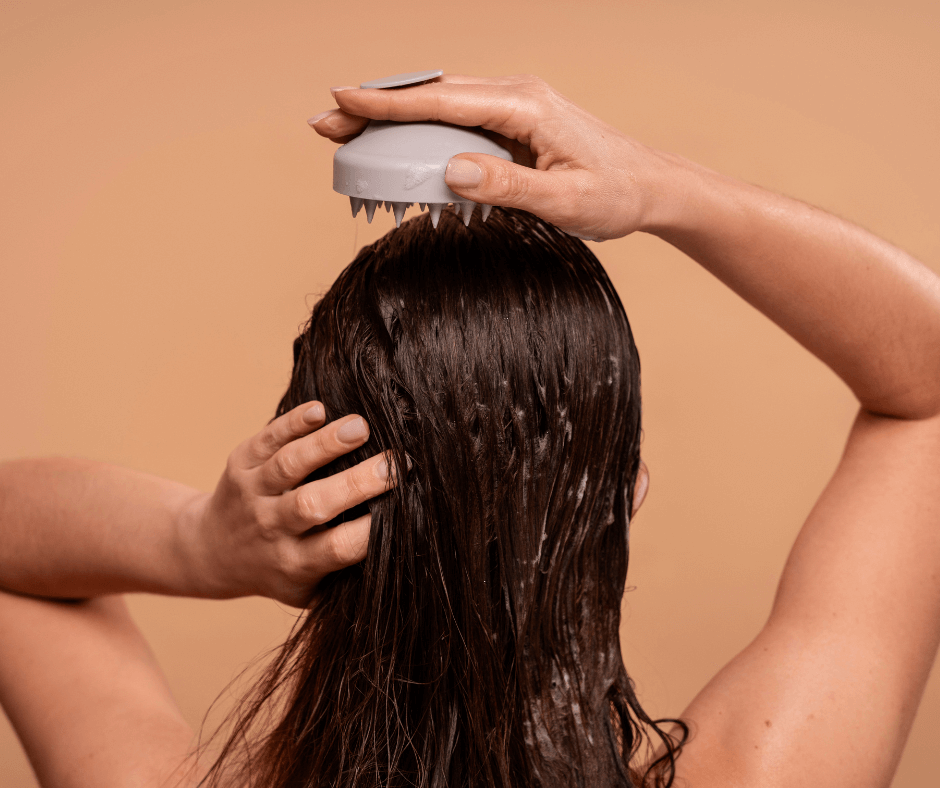
- Apply the mixture from roots to tips, focusing on the driest areas.
- Leave it on for 20-30 minutes, then rinse with warm water and a mild shampoo.
This mask can be used once a week to help hydrate and repair dry, brittle hair. You can also find an affordable coconut oil option on AliExpress here.
2. Hair Mask for Oily Hair
For those with oily hair, a yogurt and lemon hair mask can balance excess oil and cleanse the scalp. Yogurt has mild exfoliating properties, and lemon helps control oil production.
- Ingredients:
- 2 tablespoons of plain yogurt
- Juice of half a lemon
- Instructions:
- Mix the yogurt and lemon juice until smooth.
- Apply the mask to your scalp, massaging gently.
- Leave on for 15 minutes, then rinse thoroughly with lukewarm water.
This homemade hair mask can help regulate oil without stripping the hair of necessary moisture. High-quality yogurt powder for DIY masks is available on Amazon here.
3. Hair Mask for Curly Hair
Curly hair benefits from intense hydration, which can be achieved with a shea butter and olive oil mask. Shea butter adds moisture and definition to curls, while olive oil softens and adds shine.
- Ingredients:
- 1 tablespoon of shea butter
- 1 tablespoon of olive oil
- Instructions:
- Melt the shea butter if it’s solid, then mix it with the olive oil.
- Apply the mask to damp hair, focusing on the curls.
- Leave it on for 30 minutes, then rinse with a sulfate-free shampoo.
This mask enhances curl definition and reduces frizz. Find quality olive oil on AliExpress here for long-lasting hydration.
4. Hair Mask for Damaged Hair
To repair damaged or chemically treated hair, a protein-rich egg and mayonnaise mask works wonders. Eggs provide protein to strengthen hair, while mayonnaise deeply conditions and repairs split ends.
- Ingredients:
- 1 egg
- 2 tablespoons of mayonnaise
- Instructions:
- Whisk the egg, then mix it with mayonnaise until creamy.
- Apply the mask from roots to ends, concentrating on damaged areas.
- Leave it on for 20-25 minutes, then rinse with cold water to avoid cooking the egg.
Use this mask once every two weeks to restore elasticity and reduce breakage. A variety of egg-based products can be found on AliExpress here.
5. Hair Mask for Hair Growth
A castor oil and peppermint oil hair mask stimulates the scalp and promotes hair growth. Castor oil is known for enhancing hair thickness, and peppermint oil boosts circulation to support hair growth.
- Ingredients:
- 2 tablespoons of castor oil
- 5-6 drops of peppermint essential oil
- Instructions:
- Mix castor oil with peppermint oil.
- Massage the mixture into the scalp, allowing it to sit for 15-20 minutes.
- Rinse thoroughly with a mild shampoo.
Regular use of this mask can improve scalp health and stimulate hair growth. You can find high-quality castor oil on Amazon here.
6. Hair Mask for Dandruff and Scalp Health
For dandruff and an itchy scalp, a tea tree oil and yogurt mask can help soothe irritation and reduce flakes. Tea tree oil has antimicrobial properties, while yogurt calms and hydrates.
- Ingredients:
- 2 tablespoons of plain yogurt
- 5 drops of tea tree oil
- Instructions:
- Mix yogurt and tea tree oil until smooth.
- Apply the mask to the scalp, gently massaging in circular motions.
- Leave it on for 10-15 minutes, then rinse with lukewarm water.
This DIY hair mask helps maintain scalp health and keep dandruff at bay. Tea tree oil options are available on AliExpress here if you’re looking for an affordable solution.
Pros and Cons of DIY Hair Mask Recipes
| Hair Type | Recommended Ingredients | Pros | Cons |
|---|---|---|---|
| Dry Hair | Coconut oil, honey | Deep moisture reduces brittleness | May leave residue if not rinsed well |
| Oily Hair | Yogurt, lemon juice | Balances oil, cleanses scalp | Lemon may irritate sensitive scalps |
| Curly Hair | Shea butter, olive oil | Defines curls, reduces frizz | Heavy for fine hair |
| Damaged Hair | Egg, mayonnaise | Strengthens, repairs split ends | Smell may linger without thorough rinse |
| Hair Growth | Castor oil, peppermint oil | Stimulates scalp, promotes growth | Can be greasy if overused |
| Dandruff/Scalp Health | Yogurt, tea tree oil | Soothes, reduces flakes | Potential sensitivity to tea tree oil |
Experimenting with these DIY hair masks allows you to address a variety of hair concerns naturally. These easy recipes, combined with high-quality ingredients available on Amazon here or AliExpress here, make it simple to care for your hair at home. Next, we’ll cover how to apply DIY hair masks correctly for the best results. To need hair extensions, click here.

04. How to Apply DIY Hair Masks Correctly
Applying a DIY hair mask the right way can make a huge difference in achieving the best results for your hair. Knowing the correct techniques helps you get the most out of the nutrients and properties of each ingredient, leaving your hair feeling soft, healthy, and nourished. Here’s a step-by-step guide on how to apply your homemade hair mask effectively.
1. Start with Clean, Damp Hair
It’s best to apply a hair mask at home to clean, damp hair. Washing your hair first removes any dirt, oil, or product buildup, allowing the mask’s nutrients to penetrate more effectively. Damp hair absorbs the ingredients better, making the treatment more effective than applying it to dry hair.
If you’re looking for a mild shampoo to use before your mask, you can find options on Amazon here or on AliExpress here.
2. Section Your Hair for Even Application
Dividing your hair into sections ensures that the DIY hair mask is applied evenly. Start by parting your hair into four to six sections, depending on your hair thickness. Applying the mask in sections helps cover every strand and prevents product waste.
Using a hair clip set, like those available on AliExpress here, can make sectioning easier, especially if you’re working with longer hair.
3. Apply from Roots to Ends (or Target Problem Areas)
For most homemade hair masks, you’ll want to start application from the roots and work your way down to the ends. However, for certain hair issues, it’s best to target specific areas:
- For Scalp Health or Hair Growth: Focus on massaging the mask into the roots and scalp.
- For dry or damaged ends: Concentrate the product on the tips of the hair.
Massage the mask gently into the scalp for 1-2 minutes to stimulate blood flow, which can boost hair health. DIY hair masks designed for dry hair should be generously applied to the ends, where hair tends to be most damaged. To need hair extensions, click here.
4. Leave the Mask On for 15-30 Minutes
Allowing the DIY hair mask to sit for 15–30 minutes gives the ingredients time to absorb and nourish the hair. For lighter masks with ingredients like yogurt or aloe vera, 15 minutes may be enough. Richer masks, such as those with coconut oil or avocado, can be left on for up to 30 minutes for deeper conditioning.
Using a shower cap during this time can help lock in heat, enhancing the mask’s effectiveness. Look for affordable, reusable shower caps on Amazon here.
5. Rinse Thoroughly with Lukewarm Water
Rinsing your homemade hair mask properly is crucial. Start by rinsing with lukewarm water, making sure to remove all traces of the mask. For masks with ingredients like honey or banana, which can be sticky, rinse a little longer to ensure there’s no residue left.
After rinsing, you may use a gentle conditioner, especially if you’ve used a mask with protein-rich ingredients like eggs. You can find lightweight conditioners suited for all hair types on AliExpress here.
6. Pat Dry and Style as Usual
After rinsing, gently pat your hair dry with a microfiber towel. Avoid rubbing your hair harshly, as this can lead to frizz and breakage. Let your hair air dry if possible or use a blow dryer on a low heat setting. This gentle approach helps maintain the smoothness and shine provided by your DIY hair mask.
For long-lasting smoothness, consider a microfiber towel, available on Amazon here, as it reduces frizz and is gentle on hair.
Tips for Maximizing Results with DIY Hair Masks
- Use Regularly: Depending on your hair’s needs, using a homemade hair mask once a week can maintain hydration and softness.
- Avoid Overuse: Applying a mask too frequently, especially protein-based ones, can lead to buildup. Stick to your recommended schedule.
- Experiment Carefully: If you’re new to DIY hair masks, try patch-testing on a small hair section first to ensure there’s no irritation or allergic reaction.
- Pair with Steam: For an extra boost, try using a steamer to open up hair cuticles before applying the mask. This allows for deeper penetration and more noticeable results.
Following these steps and tips can help you get the best results from your DIY hair mask routine. With the right application, your hair mask at home can feel as nourishing as a salon treatment.
Explore high-quality mask ingredients and accessories on Amazon here or AliExpress here to elevate your DIY hair care experience.

05. DIY Hair Masks for Different Seasons
As the seasons change, so do the needs of our hair. Humidity, temperature, and sunlight can affect hair health and texture. So, you must adapt your DIY hair mask routine throughout the year. Here’s a guide to homemade hair masks. They combat seasonal hair issues and keep your locks healthy and vibrant.
1. Winter: Extra Hydration for Dry, Brittle Hair
Winter often brings dry air and low humidity, which can make hair brittle, frizzy, and prone to breakage. A DIY hair mask with coconut oil and avocado is perfect for providing the deep hydration needed to combat winter dryness.
Coconut oil penetrates hair shafts to lock in moisture, while avocado adds essential fats and vitamins for softness and shine.
- Ingredients:
- 2 tablespoons of coconut oil (find it here on Amazon)
- Half a ripe avocado, mashed
- Instructions:
- Mix the coconut oil and avocado until smooth.
- Apply from roots to ends and leave on for 30 minutes.
- Rinse with warm water and shampoo as usual.
Using this mask once a week during winter can help keep hair soft and moisturized. You can also explore coconut oil options on AliExpress here for more affordable choices.
2. Spring: Revitalizing Mask for Seasonal Shedding
Spring is a time of renewal, but it can also bring increased hair shedding due to seasonal changes. A yogurt and honey hair mask can help nourish the scalp, promote healthy hair growth, and reduce shedding.
Yogurt provides gentle exfoliation, while honey locks in moisture to leave hair feeling soft and revitalized.
- Ingredients:
- 2 tablespoons of plain yogurt
- 1 tablespoon of honey
- Instructions:
- Mix the yogurt and honey until combined.
- Apply to damp hair, focusing on the scalp and roots.
- Leave on for 20 minutes, then rinse thoroughly.
This homemade hair mask can be used every two weeks during spring to manage seasonal shedding. High-quality yogurt powder is available on Amazon here for easy use in masks.
3. Summer: Lightweight Mask for Sun Protection
Summer sun and exposure to saltwater or chlorine can dry out and damage hair. A DIY hair mask with aloe vera and cucumber is ideal for lightweight hydration and soothing scalp care. Aloe vera provides cooling and moisture without weighing hair down, while cucumber offers extra hydration. To need hair extensions, click here.
- Ingredients:
- 2 tablespoons of aloe vera gel (find it here on Amazon)
- Half a cucumber, blended
- Instructions:
- Blend aloe vera gel with cucumber until smooth.
- Apply from scalp to ends and leave on for 15-20 minutes.
- Rinse with cool water.
This mask is refreshing and lightweight, making it suitable for weekly use in the summer. You can find affordable aloe vera gel options on AliExpress here.
4. Fall: Strengthening Mask for Changing Weather
As fall arrives, hair may start to feel dull and weak due to changes in weather. A protein-rich egg and olive oil mask strengthens hair, restoring elasticity and shine after the stress of summer. Eggs provide protein to rebuild damaged strands, and olive oil adds moisture to keep hair soft and resilient.
- Ingredients:
- 1 egg
- 2 tablespoons of olive oil
- Instructions:
- Whisk the egg with the olive oil until well mixed.
- Apply to your hair, focusing on the mid-lengths and ends.
- Leave on for 20 minutes, then rinse with cool water to avoid cooking the egg.
This hair mask at home is perfect for fall and should be used every 2-3 weeks for best results. You can find egg-based products for added convenience on AliExpress here.
Pros and Cons of Seasonal DIY Hair Masks
| Season | Hair Challenges | Recommended Ingredients | Pros | Cons |
|---|---|---|---|---|
| Winter | Dryness, brittleness | Coconut oil, avocado | Deeply hydrating, reduces frizz | May be heavy for fine hair |
| Spring | Seasonal shedding | Yogurt, honey | Nourishes scalp, supports hair growth | Sticky, requires thorough rinsing |
| Summer | Sun exposure, saltwater/chlorine | Aloe vera, cucumber | Lightweight, cooling, refreshing | Short shelf life due to fresh ingredients |
| Fall | Weakness, dullness | Egg, olive oil | Adds strength, improves elasticity | Can leave a slight egg smell |
By adapting your DIY hair mask routine to the seasons, you can keep your hair healthy, hydrated, and resilient all year round.
Using natural ingredients makes it easy to adjust based on what your hair needs most at different times of the year. For easy access to high-quality mask ingredients, check out Amazon here or AliExpress here.
06. Common Mistakes to Avoid with DIY Hair Masks
While DIY hair masks are simple to make and beneficial, a few common mistakes can reduce their effectiveness or even damage your hair. Knowing what to avoid can help you get the most out of your homemade hair mask experience. Here are some of the most frequent mistakes and how to avoid them.
1. Using the Wrong Ingredients for Your Hair Type
One of the biggest mistakes is choosing ingredients that don’t match your hair type. For example, coconut oil works well for dry, thick hair but can be too heavy for fine hair, leaving it greasy. Similarly, lemon juice is great for oily hair but can dry out already parched strands. Always choose ingredients that suit your specific hair needs.
For ingredients tailored to your hair type, you can find coconut oil on Amazon here and on AliExpress here.
2. Applying Too Much Product
Another common mistake is over-applying the DIY hair mask. Using too much product can weigh down your hair, make it difficult to rinse out, and lead to buildup. A small amount applied evenly through sections of your hair is enough to achieve effective results.
3. Leaving the Mask on Too Long
While it may seem beneficial to leave a homemade hair mask on longer, certain ingredients can dry out or irritate the scalp if left for too long. Masks with ingredients like honey or lemon should only stay on for 15–20 minutes. Always follow the recommended times based on your hair type and the ingredients used.
4. Not Rinsing Thoroughly
Failing to rinse out your DIY hair mask completely can leave residue that may attract dirt and oil. This is especially true for masks with sticky or thick ingredients like banana or mayonnaise. Make sure to rinse thoroughly with lukewarm water.
For easy rinsing, a gentle showerhead attachment can help; check options on AliExpress here.
5. Skipping a Patch Test
Lastly, skipping a patch test is risky, especially if you’re trying a new ingredient. Certain essential oils or acidic ingredients can irritate sensitive skin. Always apply a small amount of the mask to a patch on your skin to ensure there’s no adverse reaction.
By avoiding these common mistakes, you can enjoy the full benefits of DIY hair masks without any unnecessary issues.

07. How DIY Hair Masks Compare to Store-Bought Alternatives
When it comes to hair care, many people wonder whether DIY hair masks are as effective as store-bought products. Both options have unique benefits and limitations. Here’s a comparison to help you make an informed choice.
Pros of DIY Hair Masks
- Natural Ingredients: Homemade hair masks allow you to choose natural ingredients, avoiding preservatives and synthetic additives found in many commercial products.
- Customizable: You can tailor your DIY hair mask to meet your specific hair needs, such as dryness, frizz, or scalp irritation.
- Cost-Effective: With a few common ingredients, you can make effective hair masks at a fraction of the price of store-bought alternatives.
For affordable ingredients, check Amazon here or AliExpress here for options.
Cons of DIY Hair Masks
- Limited Shelf Life: Without preservatives, homemade hair masks have a short shelf life and should be used immediately or within 24 hours if refrigerated.
- Time-Consuming: Making and applying a DIY hair mask requires more time and effort than using a pre-made store product.
- Potential Mess: Ingredients like banana or avocado can be challenging to rinse out fully, especially if not blended well.
When to Choose Store-Bought Masks
Store-bought hair masks are convenient. They have tested formulas, so they work. They often blend natural and synthetic ingredients for quick results. They can be pricier and may have additives some want to avoid.
In summary, both DIY hair masks and store-bought options offer unique benefits. If you prioritize natural ingredients and customization, DIY masks are ideal. For convenience and longer shelf life, a commercial mask might be a better fit.
08. Pro Tips for Boosting Results with DIY Hair Masks
To make the most of your DIY hair mask, try incorporating these expert tips into your routine. Simple adjustments can amplify results and leave your hair healthier and shinier.
1. Pair with Steam or Heat
Applying a DIY hair mask with heat opens the hair cuticle, allowing ingredients to penetrate more deeply. You can wrap your hair in a warm towel or use a shower cap to lock in heat. For convenience, try a heat cap, which you can find on AliExpress here.
2. Use a Microfiber Towel for Drying
After rinsing out your mask, using a microfiber towel can help reduce frizz and breakage. Microfiber is gentle on hair and absorbs water without roughing up the hair cuticle. A microfiber towel can be found on Amazon here for those seeking a frizz-free drying solution.
3. Choose the Right Frequency
Using a homemade hair mask regularly but not too frequently is essential for optimal results. For dry or damaged hair, a weekly mask can restore moisture. For oily hair, once every two weeks may be sufficient. Overuse can lead to buildup, so adjust based on your hair’s response.
4. Rinse with Cool Water
After rinsing out your mask with lukewarm water, finish with a cool rinse. This helps seal the cuticle, locking in moisture and enhancing shine.
5. Experiment with Essential Oils
A few drops of essential oils, like lavender or peppermint, can add fragrance and additional benefits to your DIY hair mask. Just 3–5 drops are enough, as essential oils are potent. If you’re new to essential oils, explore affordable options on Amazon here.
Incorporating these tips into your DIY hair mask routine can significantly improve your results, giving you salon-like treatment from the comfort of your home.
Choosing the Best DIY Hair Masks for Different Hair Needs
Selecting the right hair homemade mask can transform your hair care routine, providing targeted benefits based on your unique hair needs. If you’re looking for a hair mask homemade solution, there are various options to try, from deeply moisturizing masks for dry hair to strengthening masks for damaged strands.
For those with dry hair, a hair mask for dry hair that combines ingredients like coconut oil and honey can help restore moisture and reduce frizz. This is one of the best hair masks for locking in hydration and improving manageability.
For damaged hair, diy hair masks for damaged hair with strengthening ingredients like eggs or mayonnaise can help repair and fortify weak hair.
If hair growth is your goal, a diy hair mask for hair growth with castor oil and peppermint oil can stimulate the scalp and support healthy growth. Regularly using a d i y hair mask tailored to your hair type can lead to healthier, stronger hair over time.
Experimenting with different hair masks allows you to find the best hair mask recipe for your specific needs, whether you’re looking to add moisture, boost growth, or repair damage. For long-lasting results, try incorporating these diy hair masks for dry hair or damaged hair into your routine once or twice a week.
What Is the Best Homemade Hair Mask?
What is the best homemade hair mask? The best hair mask depends on your hair type and its specific needs. For dry and damaged hair, a banana and honey mask is highly effective. Bananas hydrate and repair strands, while honey locks in moisture.
For oily hair, a mask of yogurt, lemon juice, and aloe vera works wonders. It balances oil and soothes the scalp.
If your goal is hair growth, opt for a blend of castor oil, coconut oil, and egg yolk. The egg provides protein to strengthen strands. The oils nourish and promote growth. These natural, homemade hair masks keep your hair healthy. They avoid the risks of chemical-laden products.
How Do You Make a 3-Ingredient Hair Mask?
How do you make a 3-ingredient hair mask? Simplicity is key when creating effective DIY hair treatments. One popular mask combines avocado, olive oil, and honey. Mash half an avocado, mix it with two tablespoons of olive oil, and add one tablespoon of honey. This mixture provides intense hydration and softness to your hair.
For hair prone to breakage, try a mask with egg yolk, almond oil, and yogurt. The egg yolk strengthens strands, almond oil nourishes, and yogurt conditions.
If your scalp is dry or flaky, mix aloe vera gel, coconut oil, and honey for a soothing, hydrating mask. These three-ingredient masks are quick to make. They yield results after one use.
Are DIY Hair Masks Effective?
Are DIY hair masks effective? Yes, they are! DIY masks made with natural ingredients can deliver impressive results without harsh chemicals. Eggs, honey, and yogurt are rich in nutrients.
They strengthen and nourish hair. Egg yolks are high in protein. Honey is a natural humectant. Yogurt has lactic acid that clarifies and conditions.
The effectiveness of a DIY hair mask depends on the consistency of use and the right choice of ingredients for your hair type. Use homemade masks on your hair regularly. They provide nutrients that support long-term health. Plus, DIY masks are cost-effective and free from artificial additives.
Which Homemade Mask Is Best for Hair Growth?
Which homemade mask is best for hair growth? A mask made with fenugreek seeds, coconut oil, and aloe vera is one of the most effective solutions for hair growth. Fenugreek is rich in proteins and nicotinic acid.
They strengthen hair and promote follicle health. Aloe vera soothes the scalp and reduces inflammation. Coconut oil nourishes and boosts circulation.
To prepare this mask, soak two tablespoons of fenugreek seeds overnight. Grind them into a paste, mix with two tablespoons of aloe vera gel, and one tablespoon of coconut oil.
Apply it to your scalp and hair, leave it on for 30 minutes, and rinse thoroughly. With regular use, this mask can significantly enhance hair growth and reduce thinning.
Embrace the Power of Homemade Hair Masks
Homemade hair masks are an excellent way to care for your hair naturally. DIY masks, made with common ingredients, can hydrate, repair, and promote growth. They can fix many issues.
From learning how to make a 3-ingredient hair mask to exploring which homemade mask is best for hair growth, the possibilities are endless. How do you make a 3 ingredient hair mask?.
Natural ingredients nourish your hair. They avoid the damage of synthetic products. Incorporating these masks into your routine ensures strong, shiny, and healthy hair.
09. Frequently Asked Questions (FAQs)
1. Can I store DIY hair masks?
Most homemade hair masks should be used immediately after preparation, as they lack preservatives and may spoil. However, if you use stable ingredients like coconut oil or aloe vera gel, you can store the mask in the fridge for up to 24 hours in an airtight container.
For convenient storage, you can find reusable containers on Amazon here or AliExpress here.
2. Are DIY Hair Masks Safe for Color-Treated Hair?
Yes, most DIY hair masks with natural ingredients like avocado, yogurt, and aloe vera are safe for color-treated hair. Avoid acidic ingredients like lemon, which can lighten hair color over time. For added protection, always perform a patch test on a small section before applying a mask to your entire head.
3. How Often Should I Use a DIY Hair Mask?
The frequency depends on your hair type and the mask ingredients. For dry or damaged hair, a homemade hair mask once a week can provide hydration and repair. If you have oily or fine hair, using a mask once every two weeks is sufficient. For high-quality mask ingredients, you can find affordable options on AliExpress here.
4. What Are the Best Ingredients for DIY Hair Masks?
Effective ingredients include coconut oil for hydration, aloe vera for scalp health, yogurt for gentle exfoliation, and eggs for strengthening. Each ingredient has specific benefits, so choosing the right one depends on your hair’s needs. High-quality coconut oil and aloe vera options are available on Amazon here and AliExpress here.
5. Can I Use a DIY Hair Mask on a Sensitive Scalp?
Yes, many DIY hair masks use gentle ingredients like yogurt and aloe vera, which are suitable for sensitive scalps. Avoid essential oils or acidic ingredients like lemon if you’re prone to irritation. Always perform a patch test on a small area of the scalp before full application to ensure no adverse reaction.
6. How Long Does It Take to See Results?
Most users notice softer, shinier hair after the first use. However, consistent use of a DIY hair mask (e.g., once a week for dry hair) can lead to more noticeable improvements in strength, texture, and shine over time.
7. Can I Add Essential Oils to My DIY Hair Mask?
Yes, adding a few drops of essential oils like lavender or peppermint can enhance your DIY hair mask with additional benefits like improved scalp health and fragrance. Be cautious with essential oils, as they are potent; use 3-5 drops per mask to avoid irritation. For high-quality essential oils, explore Amazon here or AliExpress here.
Conclusion: Embrace DIY Hair Masks for Healthier Hair
Using DIY hair masks is an affordable, customizable way to keep your hair looking and feeling its best. Use natural ingredients like coconut oil, honey, and aloe vera. You can tailor your homemade hair mask to specific needs.
It can fix dryness, damage, or an irritated scalp. Making masks at home avoids chemicals in some store-bought products. It also gives you a sustainable way to care for your hair.
Consistency is key when it comes to seeing long-term benefits from DIY hair masks. Applying a mask weekly or biweekly, depending on your hair type and concerns, can lead to noticeably softer, stronger hair over time.
Also, with ingredients like avocado, yogurt, and oils, there are endless combos to explore. If you’re just starting, try a simple coconut oil and honey mask for hydration or a yogurt and lemon mask for oily hair.
For added convenience, stock up on high-quality ingredients to ensure you’re using the best options for your hair. You can find coconut oil and other essentials on Amazon here or affordable alternatives on AliExpress here.
With just a few natural ingredients and a little time, you can transform your hair from the comfort of your home. To need hair extensions, click here.
Experiment with different recipes, find what works best for you, and enjoy the process of nourishing your hair naturally. A DIY hair mask can truly elevate your hair care routine, giving you the shiny, healthy hair you’ve always wanted!

 Adhorika Khan