 Adhorika Khan
You matched your foundation perfectly in the bottle — and on your face it turned orange, or ashy, or somehow gray. The shade wasn’t the problem; the temperature was. Your undertone is the fixed warm, cool, or neutral cast beneath your skin’s surface color — it never tans or fades, and it decides which foundations, concealers, lip colors, and even jewelry genuinely flatter you. Finding it takes ten minutes with tests you can run at home — and once you know it, half of makeup shopping stops being guesswork.
This is the complete guide: what undertones actually are, the five at-home tests ranked by reliability, undertones across deep and light skin, olive’s special case, and how to convert your answer into correct foundation, concealer, and color choices forever.
Key Takeaways
- Surface tone changes; undertone doesn’t: you can tan three shades darker and your undertone stays identical — which is why it’s the reliable half of foundation matching.
- Three families: warm (golden/yellow/peachy), cool (pink/red/bluish), neutral (balanced) — plus olive, the overlooked green-gray fourth.
- Best tests: the jewelry test, the white-vs-cream test, and the vein check — run all three; the majority verdict wins.
- Every depth of skin has every undertone — deep skin can be cool, fair skin can be warm; depth and temperature are separate axes.
- Foundation letters decode it: W/G = warm, C/R = cool, N = neutral — the label was telling you all along.
What Is an Undertone, Exactly?
Your skin’s visible color has two components. Surface tone (depth) — fair to deep — comes from melanin quantity and changes with sun, season, and marks. Undertone (temperature) — the cast glowing through from blood, carotenoids, and melanin’s specific type — is genetic and permanent. Two people with identical depth can need completely different foundations because one runs golden and one runs rosy; that’s the mismatch behind every “right shade, wrong look” foundation tragedy — orange means you bought warmer than you are; ashy-gray means cooler.
The three families: warm — golden, yellow, or peach cast; cool — pink, red, or subtly blue; neutral — no dominant lean (or a true 50/50). And the frequently missed fourth: olive — a greenish-gray neutrality most common in Mediterranean, Latin, South Asian, and Southeast Asian heritage skin, which reads “somehow muddy in everything” until correctly identified (its own section below).
The Five At-Home Tests, Ranked
Test 1: The Jewelry Test (Most Reliable)
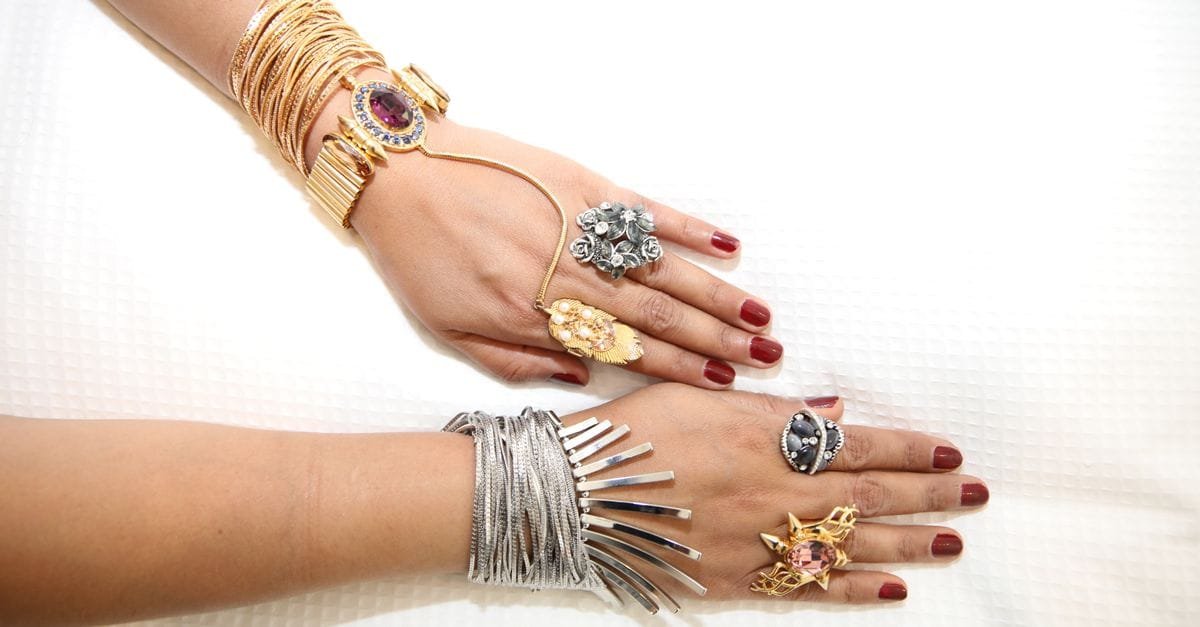
In natural light, hold gold jewelry against one side of your bare face/chest and silver against the other (or wear each for a day). Gold flatters — skin looks lit and healthy → warm. Silver flatters — skin looks fresh and bright → cool. Genuinely can’t tell → neutral. This works because metals reflect their temperature onto skin — a live A/B test of your own cast.
Test 2: White vs Cream (The Fabric Test)
Hold stark white fabric under your bare chin in daylight, then off-white/cream. Pure white flatters → cool (it lets pink read clean); cream flatters → warm (stark white makes golden skin look sallow); both fine → neutral. Bonus: this doubles as a wardrobe decoder — your best whites, and by extension your best color temperature, follow the same verdict.
Test 3: The Vein Check (Famous, Overrated, Still Useful)
Inner wrist, natural light: veins reading green → warm; blue-purple → cool; a mix or can’t-tell → neutral. Honest caveat: vein visibility varies hugely with skin depth and thickness — on deep skin especially, this test underperforms its fame. Use it as a tiebreaker, not a verdict.
Test 4: The Sun Response (Supporting Evidence)
Burn easily, tan reluctantly → leans cool; tan easily, rarely burn → leans warm. Weak alone (melanin depth confounds it) — supporting testimony only.
Test 5: The Foundation Swatch Trial (The Final Exam)
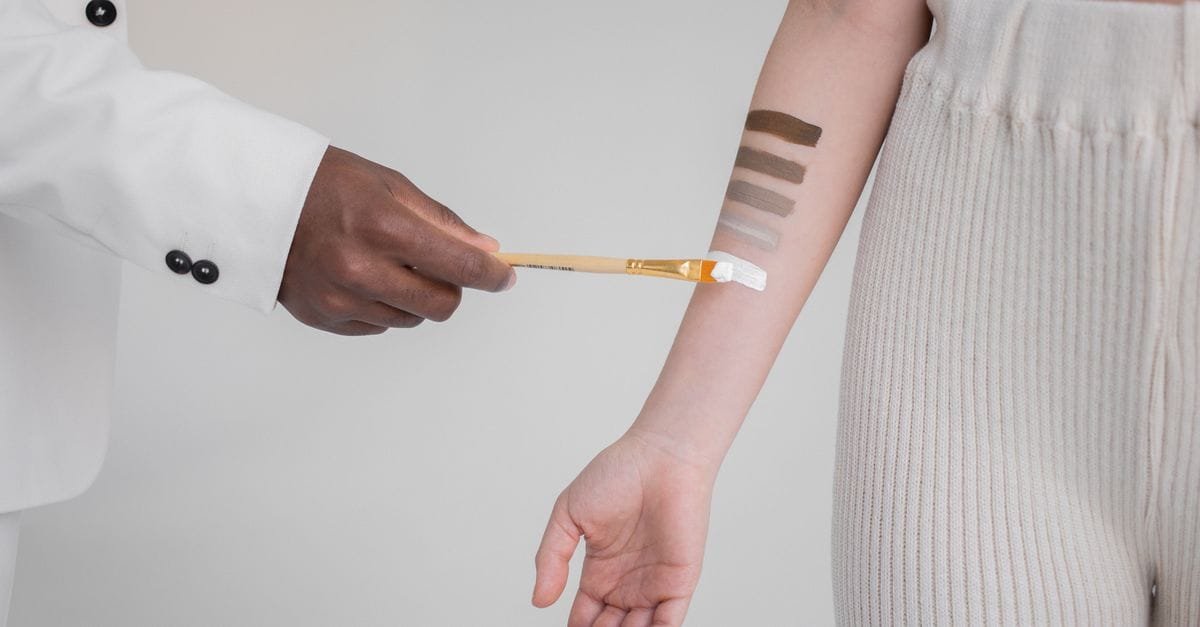
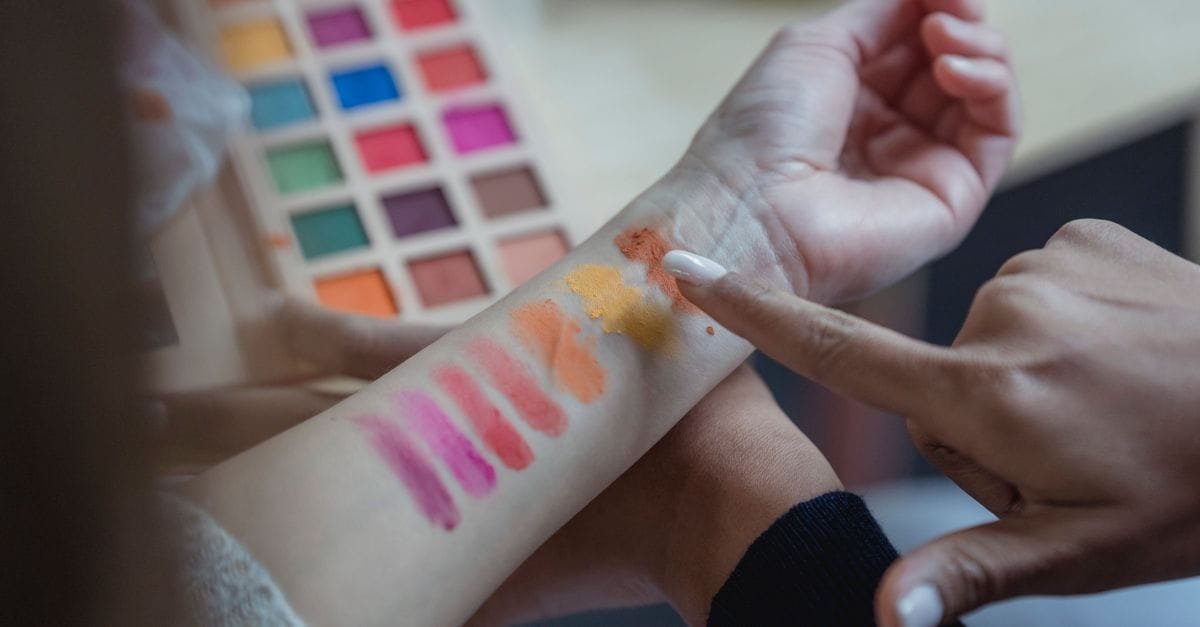
With a candidate depth identified, swatch a warm, a cool, and a neutral version along the jawline and check in daylight after ten minutes (foundations oxidize). The one that disappears is your answer — this test outranks all others because it IS the application. Run tests 1–3 first so you’re swatching three candidates instead of thirty.
Undertones on Deep and Rich Skin
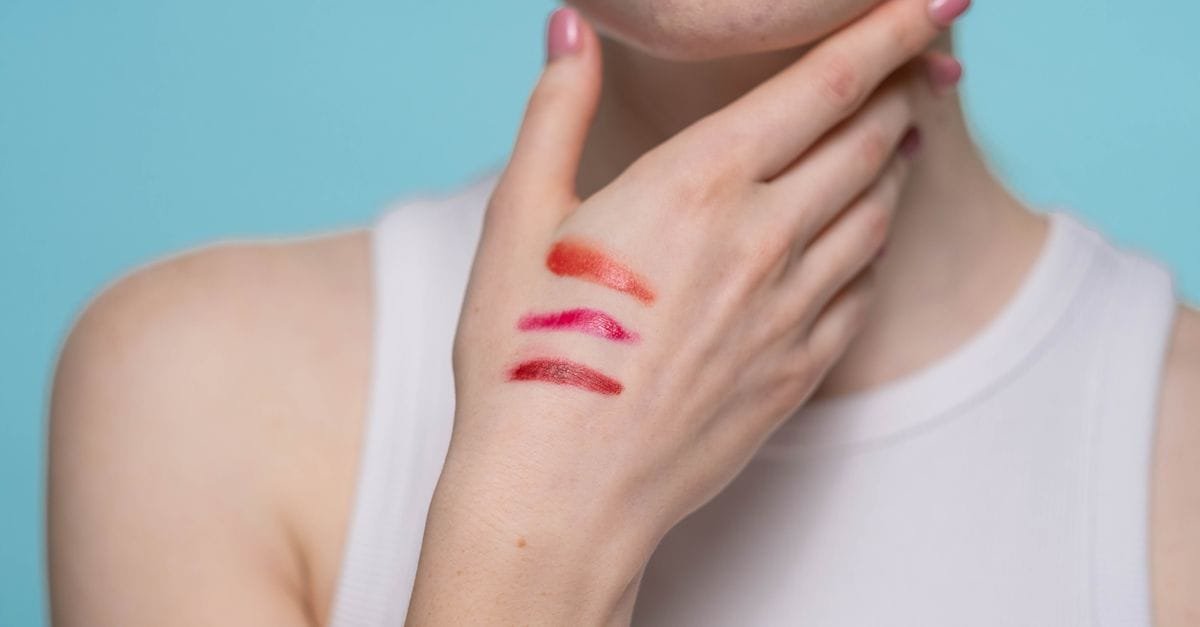
The beauty industry historically pretended deep skin was one warm monolith — wrong, and the reason so many deep foundations run orange or ashy. Every undertone exists at every depth: deep skin can be cool (red-blue cast — flattered by silver, berry, true red), warm (golden-bronze — gold, orange-reds, warm browns), neutral, or olive. The tests work identically, with adjusted weighting: the jewelry and fabric tests shine; the vein test fades (less visible through richer melanin); and the swatch trial is even more decisive since depth-matching errors compound temperature errors. One deep-skin-specific tell: how gold versus silver-toned highlighters sit on your cheekbone is the jewelry test with better lighting.
Olive: The Undertone That Breaks the Quiz
If every foundation ever tried has looked slightly orange, slightly pink, or mysteriously “muddy,” meet your category. Olive skin carries a subtle green-gray neutrality — technically a neutral with a green modifier — most common in (but not exclusive to) Mediterranean, Middle Eastern, Latin, and South Asian heritage. The tells: standard warm foundations turn you orange, standard cools turn you pink, golden jewelry is fine but yellow-gold clothing is somehow terrible, and your bare-skin “tan” reads khaki rather than bronze. The fix: seek foundations labeled olive/OL (a growing category at last), neutral shades as second choice, and in color cosmetics let muted, slightly desaturated tones replace both the bright-warm and bright-cool aisles. Olive folks: the quiz didn’t fail you; the quiz just had three answers to a four-answer question.
Converting Your Answer: Foundation, Concealer, and Color
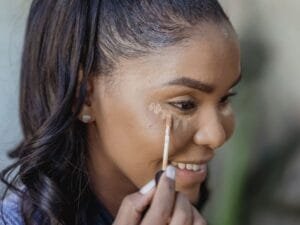
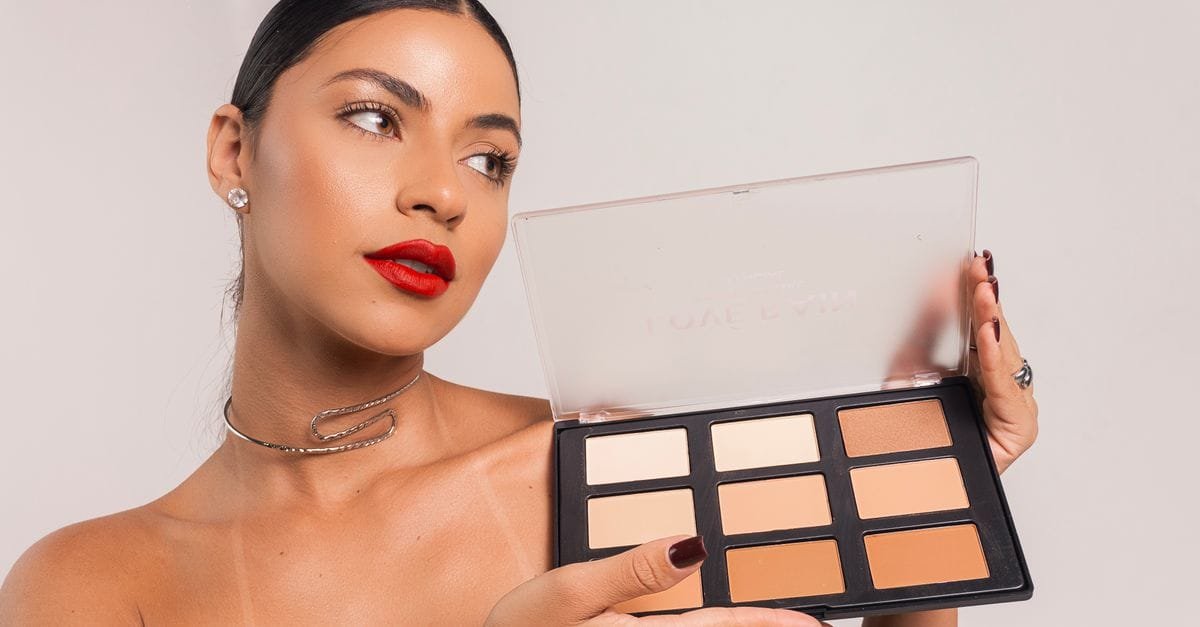
Foundation labels decode as: W/G (warm/golden), C/R (cool/rosy), N (neutral), and increasingly OL (olive) — a “3W” is depth 3, warm temperature. Match temperature first, then depth; a correct-temperature shade one depth off blends better than a correct-depth shade at the wrong temperature. Concealer: same undertone as your foundation, half to one shade lighter under the eyes — the dark-circle corollary: peach correctors serve cool-to-neutral skin fighting blue circles; orange correctors serve deep skin. Blush and lipstick: warm undertones glow in coral, peach, warm reds, terracotta; cool undertones in berry, rose, blue-reds, mauve; neutrals borrow everything; olives thrive in muted versions of both. Hair and jewelry: the same temperature logic quietly governs both — which is why the jewelry test worked in the first place. None of this is law — makeup is allowed to be a costume — but knowing your home temperature means every departure from it is a choice, not an accident.
Undertone Myths, Retired
“Undertone changes when you tan” — depth changes; temperature doesn’t. Summer needs a darker foundation in the same temperature. “Fair means cool, deep means warm” — the axes are independent; porcelain-warm and deep-cool are everywhere. “Redness means cool undertone” — surface redness (flushing, rosacea, irritation) is a condition, not a cast; test on calm skin at the jaw and chest. “One test settles it” — run three; majority rules; swatch trial ratifies. “Neutral means boring” — neutral means the entire color aisle is legal; it’s the passport, not the beige.
The Ten-Minute Protocol
Minute 1–2: bare face, natural window light, hair pulled back. 3–4: jewelry test. 5–6: white-vs-cream test. 7: vein glance (tiebreak). 8–10: record the majority verdict, note the olive flags if history suggests them, and photograph your bare jaw in the same light for shopping reference. Next store trip (or with our foundation picks and application guide): swatch three temperature candidates at your depth, daylight-check, and buy the disappearing act. Total lifetime savings: every future almost-right bottle.
Undertones and Hair Color: The Frame Around the Answer
Hair is the largest color block adjacent to your face, and the same temperature logic quietly governs it. Warm undertones harmonize with golden blondes, honey browns, copper, and warm blacks; cool undertones with ash blondes, cool browns, true blacks, and jewel-toned fashion colors; neutrals and olives — as ever — get the widest menu, with olives especially suited to cool-leaning, slightly muted shades (ash brown is practically the olive uniform). None of this is law: deliberately opposing your undertone is a legitimate high-fashion move — but it changes your makeup math, since hair that fights your cast makes the foundation match MORE critical, not less. The practical use: when a new hair color suddenly makes your reliable foundation look wrong, the foundation didn’t change — the frame did; adjust blush and lip temperature before blaming the base.
Shopping Online Without Swatching
The undertone knowledge pays its biggest dividend in the swatch-free world of online shopping. The toolkit: brand shade-finder quizzes (decent when they ask undertone questions; skip the ones that only ask depth), the model-arm trick (find the shade photographed on a model whose skin resembles your jaw photo — the reference photo you took in the ten-minute protocol), review filtering (search reviews for your undertone words — “olive,” “too pink,” “oxidizes orange” — the complaints map the shade’s true temperature better than the swatch grid), the two-shade order (your best guess plus its neighbor, returning the loser — cheaper than a wrong keeper), and cross-brand converters (the shade-matching sites that translate “3W in brand A” to brand B’s system — imperfect but directionally excellent). Undertone is the constant that makes all these tools work; depth you re-judge seasonally, temperature travels with you forever.
Write It Down
Final practical step: put your verdict — depth number, temperature letter, olive flag if applicable — in your phone notes next to the bare-jaw reference photo. Future you, standing in a store or scrolling a sale, will consult it more often than almost anything else in your beauty life.
The Bottom Line
Undertone is the ten-minute discovery that retroactively explains every foundation that went orange, every lipstick that fought your face, and every “that color is amazing on you” you’ve ever received. Run the three tests, respect the olive possibility, let the jawline swatch cast the final vote — and go enjoy the strange new experience of makeup that simply looks like you, but better.
The small honest kit:
The small honest kit:
Frequently Asked Questions
How do I find out my undertone?
Run three tests in natural light: gold vs silver jewelry against your skin, stark white vs cream fabric under your chin, and the wrist-vein check. Take the majority verdict, then confirm with jawline foundation swatches in daylight.
What’s the difference between skin tone and undertone?
Skin tone is depth (fair to deep) and changes with sun and season; undertone is temperature (warm, cool, neutral, olive) and never changes. Foundation needs both matched — temperature first.
Can dark skin have a cool undertone?
Absolutely — every undertone exists at every depth. Deep skin can run cool (red-blue cast, flattered by silver and berry), warm (golden-bronze), neutral, or olive. Assuming deep means warm is why so many deep foundations run orange.
What is an olive undertone?
A subtle green-gray neutrality that makes standard warm foundations turn orange and standard cools turn pink — common in Mediterranean, Middle Eastern, Latin, and South Asian heritage skin. Seek olive-labeled (OL) or neutral shades and muted color tones.
Why does my foundation look orange on me?
You’re wearing a warmer temperature than your skin carries — the classic warm-shade-on-cool-or-olive-skin result. Keep your depth, switch to neutral or cool versions, and daylight-check the jawline swatch.
Does undertone change with tanning or age?
Tanning changes depth only — your summer foundation should be darker in the same temperature. Age can slightly soften how undertone reads, but the underlying temperature stays; re-test depth yearly, temperature once.
What colors suit a warm undertone?
Golds, corals, peaches, terracottas, warm reds, olive greens, and cream instead of stark white. Cool undertones flip the list: silver, berry, rose, blue-reds, true white. Neutrals get both aisles.
Can I have different undertones on my face and body?
The cast can read differently where sun exposure varies — which is why you test at the jaw and chest, and why necks sometimes need the foundation blended past the jawline. The genetic undertone is one; the sun history is many.
What undertone is best for gold jewelry?
Warm — gold reflects and amplifies a golden cast beautifully. Cool undertones shine in silver and platinum; neutrals and olives genuinely wear both, with olives often favoring muted or mixed metals.
How do I find my undertone without jewelry or veins?
The white-vs-cream fabric test plus the foundation swatch trial cover it: stark white flatters cool, cream flatters warm, both flatter neutral — then three jawline swatches in daylight ratify the verdict.
Do undertone quizzes online work?
The better ones (asking jewelry, fabric, and sun questions) land close; the depth-only shade finders don’t. Treat any quiz as a hypothesis and let the daylight jawline swatch be the exam.

 Adhorika Khan