 Adhorika Khan
If there’s one serum dermatologists agree almost everyone can benefit from, it’s vitamin C. This powerhouse antioxidant brightens dull skin, fades dark spots, evens out tone, and helps defend against the daily environmental damage that ages skin prematurely. But the vitamin C aisle is overwhelming — different forms, concentrations, and prices that range wildly. Choosing the right one makes all the difference between a serum that transforms your skin and one that does nothing (or oxidizes into an expensive orange mess).
This guide explains how to choose the best vitamin C serum for brighter, even-toned skin: what to look for, which formulas suit which skin types, and how to use it for real results.
Why Vitamin C Deserves a Place in Your Routine
Vitamin C is a multitasker, which is exactly why it’s so popular. It brightens a dull complexion and helps fade hyperpigmentation, dark spots, and the marks left behind by old breakouts. As an antioxidant, it neutralizes free radicals from sun and pollution, protecting your skin during the day. It also supports collagen, which keeps skin firm and smooth over time. Few single products offer this combination of brightening, protecting, and anti-aging benefits.
Used consistently, a good vitamin C serum can visibly improve radiance and even out tone within weeks — making it one of the highest-return additions to any routine.
What to Look For in a Vitamin C Serum
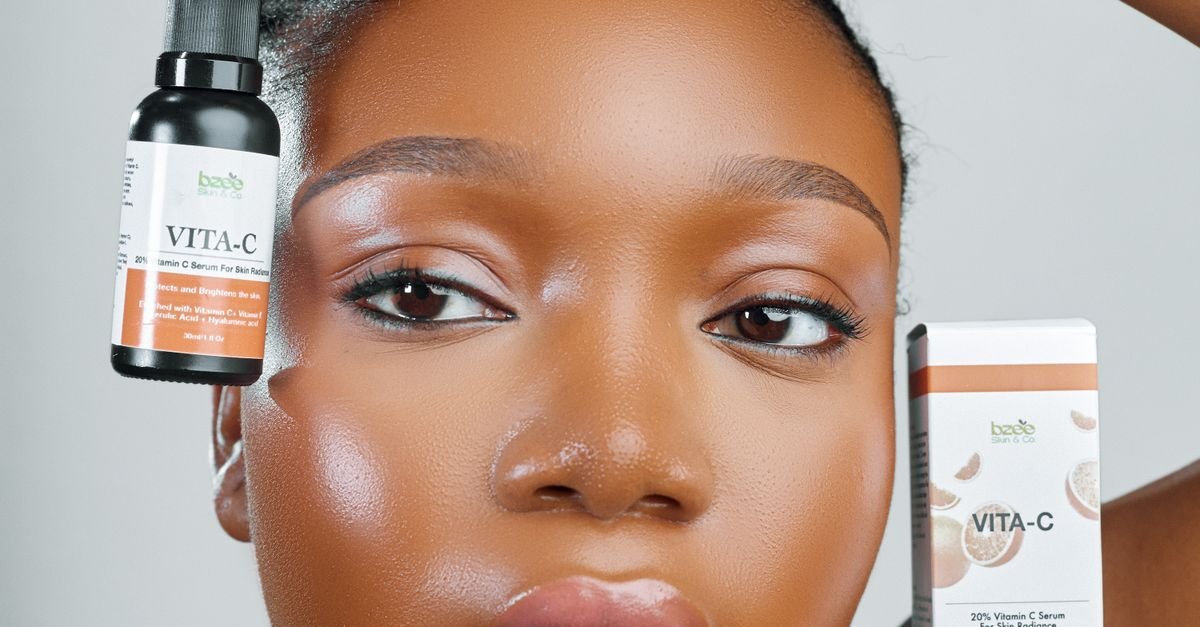
Not all vitamin C serums are created equal. A few key factors separate the effective ones from the duds.
The Form of Vitamin C
L-ascorbic acid is the most researched and potent form, ideal for normal skin that can tolerate it. If your skin is sensitive, gentler derivatives — like sodium ascorbyl phosphate or magnesium ascorbyl phosphate — are more stable and less irritating while still delivering benefits. Knowing which form you’re buying helps you match it to your skin.
Concentration
For L-ascorbic acid, a concentration around 10–20% is the sweet spot — effective without being needlessly harsh. Beginners or sensitive skin should start lower (around 10%) and work up. More isn’t always better; very high concentrations can irritate without adding benefit.
Supporting Ingredients
The best formulas pair vitamin C with vitamin E and ferulic acid, a combination that boosts stability and effectiveness. Hyaluronic acid is a welcome addition for hydration. These partners help the serum work better and last longer.
Packaging
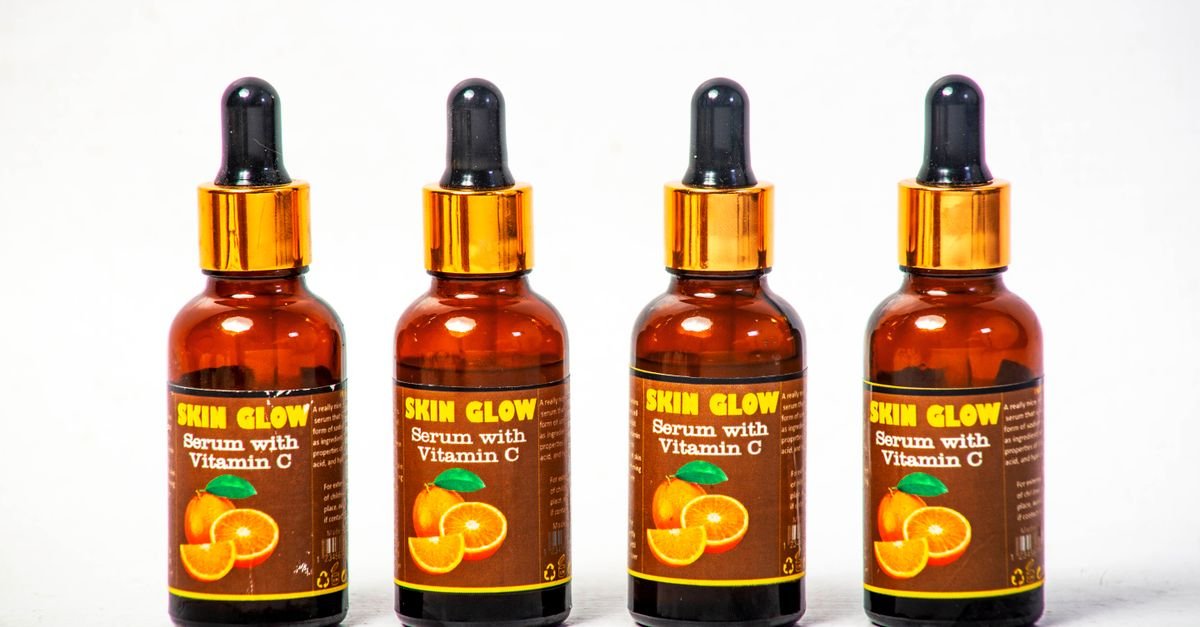
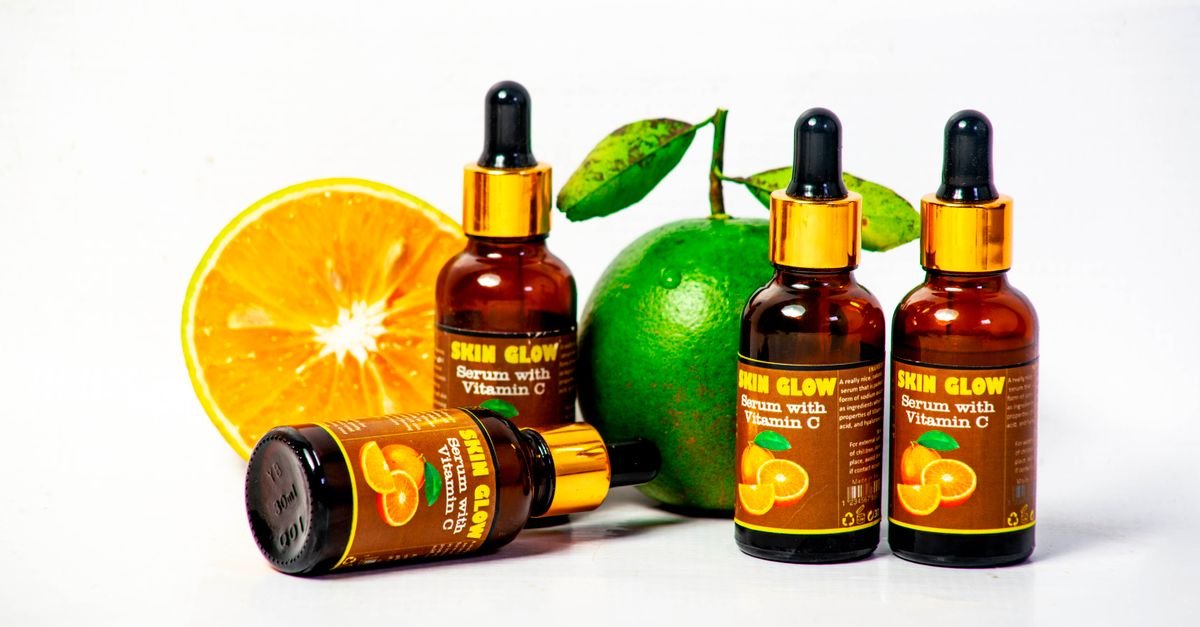
This is the detail most people miss. Vitamin C oxidizes when exposed to light and air, which makes it less effective (and turns it brown/orange). Choose serums in opaque, air-tight, or dark glass packaging, and store them away from sunlight. If your serum has turned dark, it has oxidized and lost potency.
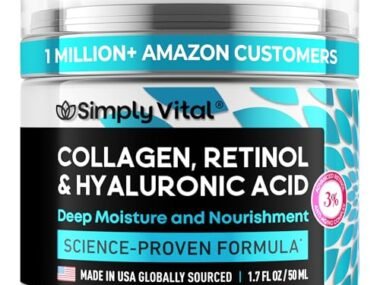
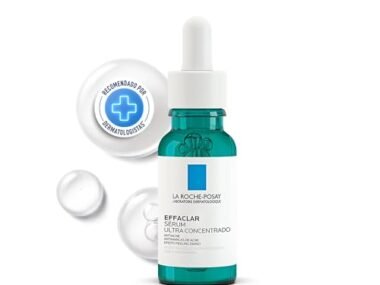
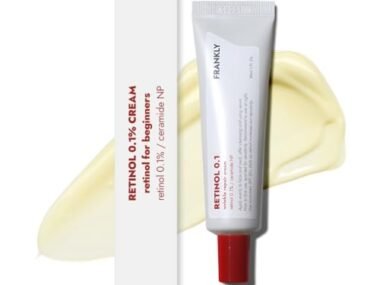
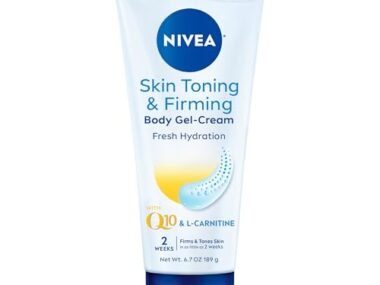
Recommended on Amazon
Browse top-rated, popular options:
As an Amazon Associate, AdoreVogue earns from qualifying purchases.
Choosing by Skin Type
Oily and acne-prone skin tends to do well with lightweight, water-based vitamin C serums that absorb quickly without feeling greasy. Dry skin benefits from formulas that pair vitamin C with hydrating ingredients like hyaluronic acid. Sensitive skin should choose a gentler derivative at a lower concentration and patch-test first. Mature skin looking for anti-aging benefits can use a well-formulated L-ascorbic acid serum with vitamin E and ferulic acid for maximum collagen support. There’s a vitamin C for every skin type — the key is matching the form and concentration to yours.
How to Use Vitamin C for Best Results
Apply vitamin C in the morning, after cleansing and toning but before moisturizer and sunscreen. Morning use takes advantage of its antioxidant protection during the day. Start by using it every other day to let your skin adjust, then build to daily use as tolerated. A few drops are enough — more won’t speed results.
Pair It With Sunscreen
Vitamin C and sunscreen are a dream team: the serum boosts your skin’s defense against free radicals, and sunscreen blocks UV directly. Using vitamin C without daily sunscreen wastes much of its protective and brightening potential, since unprotected sun exposure undoes the progress. Always follow your serum with SPF.
Realistic Expectations and Patience
Vitamin C works, but it’s not instant. Brightening and a more even tone typically become visible within a few weeks of consistent use, with continued improvement over a couple of months. Hyperpigmentation fades gradually, not overnight. Consistency matters far more than the price of the bottle — an affordable serum used daily beats a luxury one used occasionally. Give any new serum at least four to six weeks before judging it.
Common Mistakes to Avoid
A few missteps reduce results: using an oxidized (brown) serum that’s lost potency, layering vitamin C with too many other strong actives at once, skipping sunscreen, or expecting overnight miracles and giving up too soon. Avoid these, stay consistent, and store your serum properly, and vitamin C will reward you with brighter, healthier-looking skin.
Frequently Asked Questions
What does a vitamin C serum do?
It brightens dull skin, helps fade dark spots and uneven tone, protects against environmental damage as an antioxidant, and supports collagen for firmer skin over time.
What concentration of vitamin C should I use?
For L-ascorbic acid, 10–20% is the effective range. Start around 10% if you’re new or have sensitive skin, and increase gradually. Higher isn’t always better.
When should I apply vitamin C serum?
In the morning, after cleansing and toning and before moisturizer and sunscreen, so its antioxidant protection works through the day. Always follow with SPF.
Why did my vitamin C serum turn orange or brown?
It has oxidized from exposure to light and air, which reduces its effectiveness. Choose air-tight, opaque packaging and store it away from sunlight; replace it once it darkens.
Key Takeaways
- Vitamin C brightens, evens tone, protects, and supports collagen — a high-value serum for most skin.
- Choose the right form (L-ascorbic acid for most; gentler derivatives for sensitive skin) at 10–20%.
- Look for vitamin E + ferulic acid and air-tight, opaque packaging to keep it stable.
- Apply in the morning before sunscreen, and always pair it with daily SPF.
- Be consistent and patient — results show in weeks, and a serum used daily beats an expensive one used rarely.
A good vitamin C serum is one of the simplest ways to brighter, more even-toned skin. Match the form and concentration to your skin, store it well, and use it with sunscreen every morning. For the full routine it fits into, read our complete skincare routine guide and explore more Anti-Aging & Skin Health tips.


 Adhorika Khan