 Adhorika Khan
Beauty tools split cleanly into three honest tiers: the workhorses that earn permanent counter space (brushes, sponges, curlers, a good mirror), the comfort tools that deliver modest real benefits (rollers, gua sha, scalp massagers, ice), and the technology tier (LED, microcurrent, EMS) where evidence exists but runs years behind the marketing. Knowing which tier a gadget lives in — before buying — is the entire skill of this category.
This is AdoreVogue’s complete beauty tools guide: the master reference that grades every device family, connects our tool-by-tool honest checks, and answers the only question that matters at checkout — will this do anything?
Key Takeaways
- The highest-ROI tools in beauty are the boring ones: quality brushes, a sponge, an eyelash curler, sharp tweezers, and a daylight mirror.
- Massage-family tools (rollers, gua sha, scalp massagers) deliver real but temporary benefits — de-puffing, relaxation, circulation — and zero structural change.
- Red-light LED has genuine science (photobiomodulation) with modest, slow, consistency-dependent results; home masks are weaker than clinic panels.
- Microcurrent and EMS show short-term firming effects that require relentless upkeep; the evidence is early and effect sizes small.
- Every tool’s dirty secret is hygiene: an unwashed tool applies yesterday’s bacteria to today’s face, daily.
- No home device replaces sunscreen, retinoids, or a professional — tools are the garnish tier of results, priced like the main course.
Tier One: The Workhorses (Buy These First)
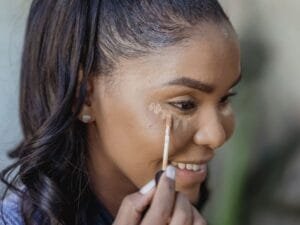
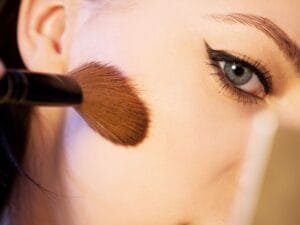
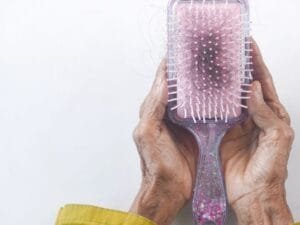
Before any gadget with a charging cable, the tools that shape daily results: five brushes and a sponge (the entire application toolkit — picks in our sponge roundup, care in the cleaning guide), an eyelash curler (the biggest eye-opening payoff per dollar in beauty — technique in our curler guide), sharp slanted tweezers, a hairbrush actually chosen for your hair (via the hairbrush guide), and a mirror near a window — daylight is the only honest makeup critic.
This tier costs less than one LED mask and outperforms the entire technology shelf on visible daily difference. It is also the tier everyone skips while shopping for lasers.
Tier Two: The Massage Family (Real, Modest, Pleasant)
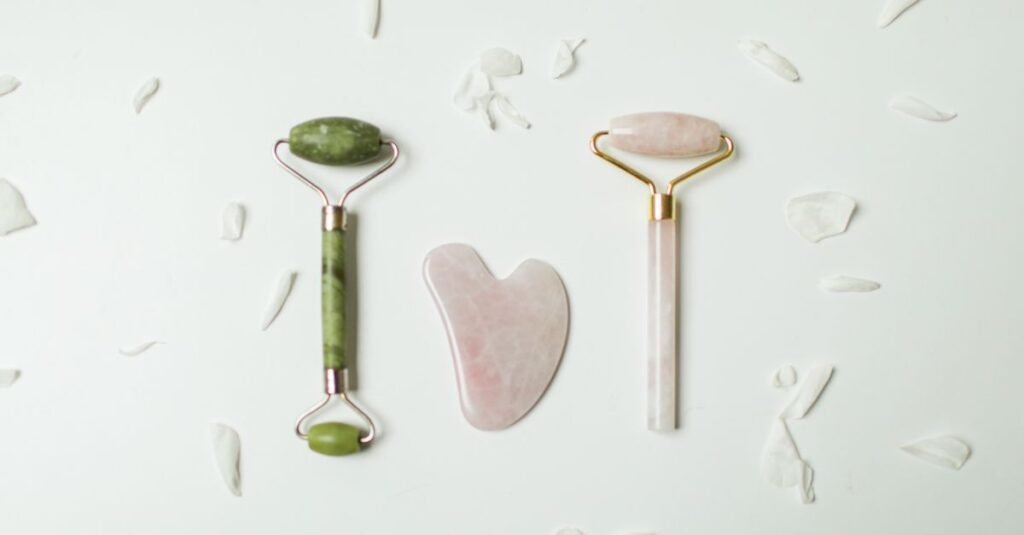
The rollers, stones, and massagers all run on the same two mechanisms — moving lymphatic fluid (temporary de-puffing) and stimulating circulation (temporary glow) — plus the underrated third: they feel wonderful, and stress relief is not nothing.
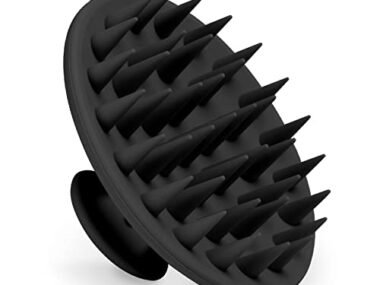
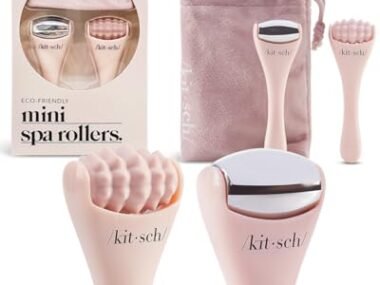
The family members, graded: ice and cold tools — the strongest de-puffers; our skin icing honest check (6/10) maps what cold can and cannot do, and the ice globe sets are its comfortable delivery system. Gua sha — the technique matters more than the stone; our gua sha guide teaches the light-pressure lymphatic version that actually de-puffs. Jade and quartz rollers — gua sha’s gentler, lazier sibling; same temporary benefits, zero learning curve. Scalp massagers — the family’s best evidence, oddly: modest hair-thickness data covered in our scalp massage check, tools in the massager roundup.
The honest purchase logic for this whole tier: buy for the ritual and the de-puff, never for “lifting,” “sculpting,” or “detox” — faces do not detox, and no stone re-drapes one.

Tier Three: The Technology Shelf (Evidence Required)
Red-Light LED: The Best-Supported Gadget
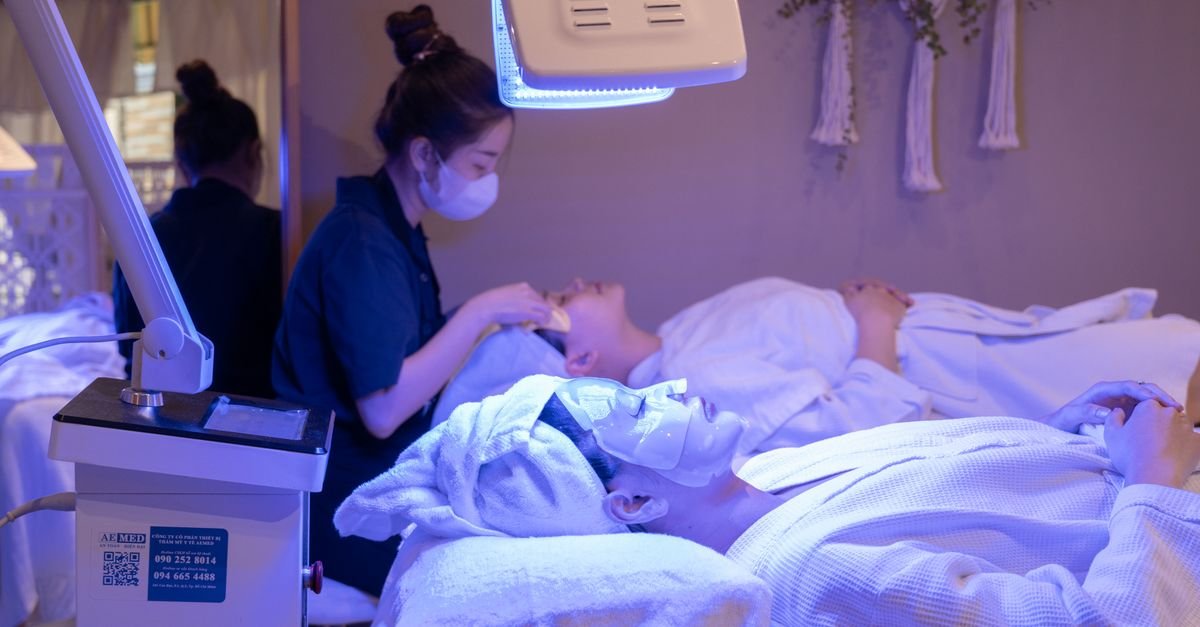
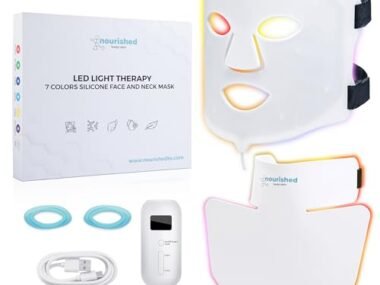
Photobiomodulation — red and near-infrared light nudging cellular energy production — has thousands of studies across wound healing and skin, and dermatology genuinely uses it. The home-device honesty: masks deliver lower doses than clinic panels, results are modest and require months of near-daily consistency, and cheaper masks with weak output deliver mostly placebo plus a selfie. Worth buying: for committed users with realistic expectations, especially for redness and post-breakout recovery — our LED mask roundup sorts the specs that matter.
Microcurrent and EMS: The Gym-Membership Devices
Tiny currents provoking short-term muscle-tone changes — visible to committed daily users, gone within days of stopping. Early evidence, small effects, forever upkeep: the honest frame is “a workout subscription for your face,” graded in our EMS device review. Skip entirely with pacemakers, pregnancy, or active skin conditions.
Derma-Rollers and Home Microneedling: The Caution Tier
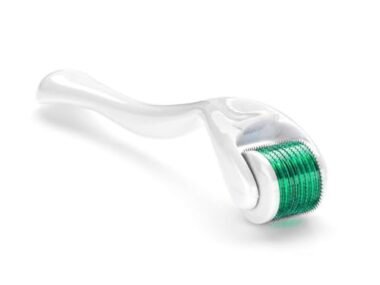
Professional microneedling has real collagen evidence at real needle depths; home rollers at cosmetic depths deliver mostly product-absorption boosts alongside genuine infection-and-damage risk when hygiene slips. Our derma-roller review draws the safety lines; scarring work belongs with professionals.
Cleansing Brushes, Hot Tools, and the Rest
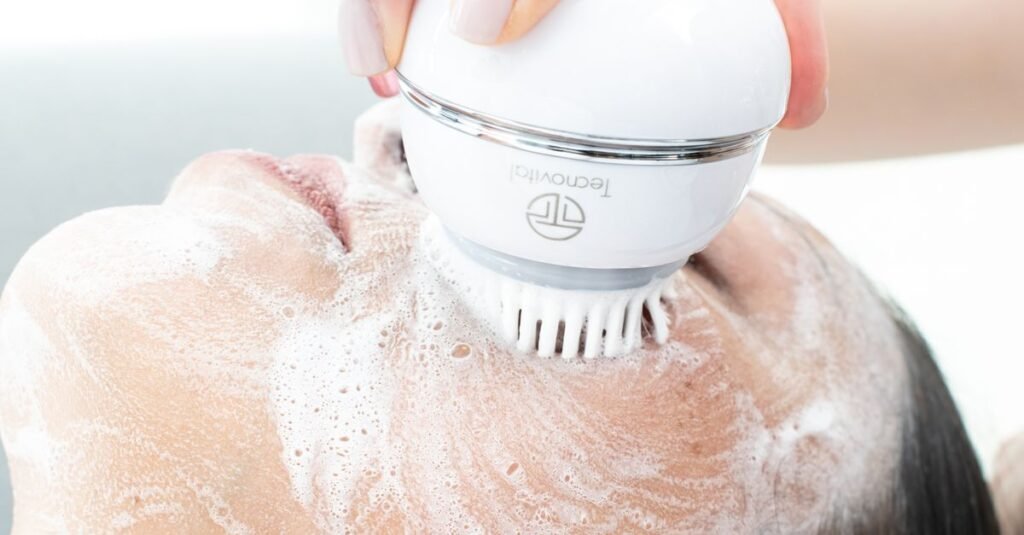
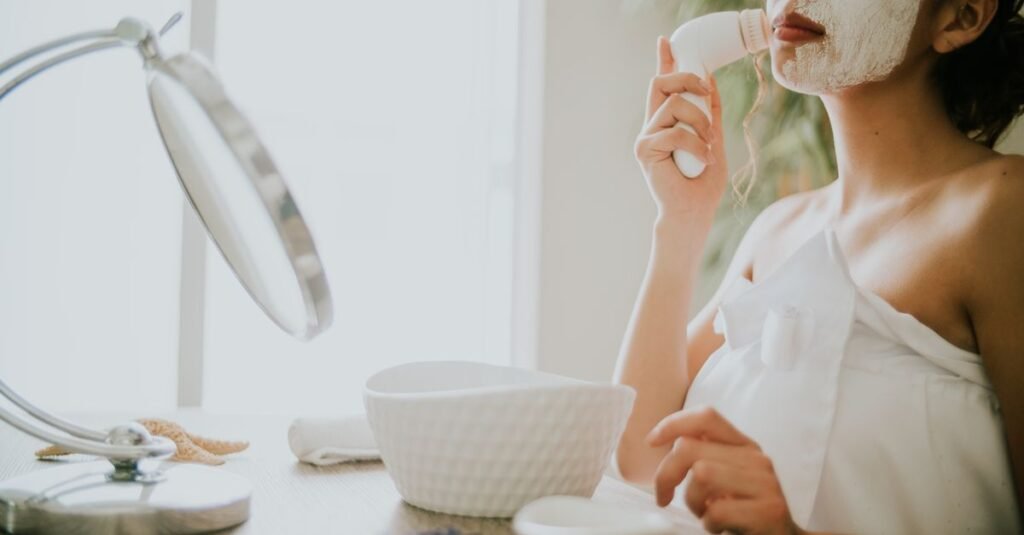
Sonic cleansing brushes: pleasant, marginally deeper cleansing, over-used they over-exfoliate — two or three gentle uses weekly. Heated styling tools live in the haircare pillar’s damage-budget chapter. And the analysis gadgets (skin scanners, smart mirrors) measure enthusiastically and change nothing — data without a lever.
Lab Muffin’s red-light-mask deep dive above is the model for how this whole category deserves to be evaluated — mechanism, dose, and evidence before price tag.
The Buying Framework (Five Questions Before Any Device)
One: what is the mechanism, in one sentence — and does it survive putting the device down? Two: where are the independent trials at THIS device’s dose, not the clinic version’s? Three: what is the consistency contract — and will you honestly keep it past week three? Four: what does the same money buy in proven care (the sunscreen-and-retinoid bar that retires most gadgets)? Five: what are the exclusions — pregnancy, pacemakers, active acne, melasma (heat-sensitive), and fresh procedures all have device no-fly lists.
A gadget that survives all five is a reasonable pleasure purchase. Most stop at question two.
Hygiene: The Chapter Every Tool Skips
Every tool is a surface that touches your face repeatedly — and the maintenance schedule is the difference between a tool and a petri dish. Weekly: brushes and sponges (breakout-prone faces, twice weekly), per the cleaning guide above. After every use: anything that touches product directly — spatulas, silicone applicators, roller heads with serum on them. Monthly: hairbrushes (the method takes ten minutes), curler pads (replace when cracked), tweezers with alcohol.
Devices with heads and pads — cleansing brushes, EMS gels, LED contact points — follow their manuals plus common sense: if it touches skin and holds moisture, it grows things. The mystery breakout along one cheek is, statistically, a tool-hygiene story.
Storage, Lifespan, and When to Retire
Tools age like products: sponges retire at three months or first crumble; brushes last years IF washed and dried flat; curler pads annually; rollers and stones survive drops poorly (micro-cracks harbor bacteria — retire chipped ones); and battery devices live and die by their charging habits.
Storage rules that double lifespan: dry before putting away (closed drawers plus damp tools equals mildew), upright cups for brushes, cases for travel only — and everything out of the shower’s humidity zone, which quietly ruins both bristles and electronics.
The Honest Shopping List (By Budget)
Under the price of dinner: the complete tier-one workhorse kit — the objectively correct first spend.
The comfort budget: one massage-family tool you will genuinely enjoy nightly — ice globes for the puffy, gua sha for the ritualists, a scalp massager for the shower.
The technology budget: a well-specced red-light mask IF the five questions cleared and the consistency contract reads realistic — or, the honest alternative this library keeps arriving at, the same money toward a professional treatment or a year of premium sunscreen.
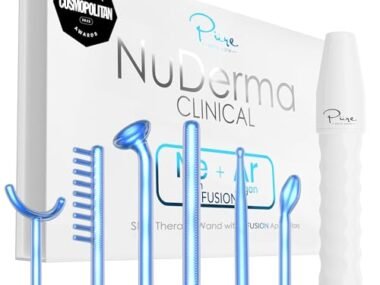
The anti-list: multi-function “12-in-1” wands (jack of all trades, master of returns policy), ultra-budget LED (dose too weak to matter), and any device whose marketing says “detox,” “lift,” or “better than Botox” — three words that reliably mean the mechanism ran out.
The Tool Schedule (When Each One Actually Earns Its Minute)
Tools deliver on timing as much as mechanism. The morning shift belongs to cold and de-puffing: ice globes or the roller straight from the fridge (two moving minutes), the curler before mascara, the daylight mirror for the final check. The evening shift belongs to ritual and prep: gua sha or facial massage over night cream (slip is mandatory — never drag dry skin), the scalp massager during conditioner minutes, LED sessions per their consistency contract (most run best in the evening wind-down where they double as enforced stillness).
The weekly shift: tool WASHING — the least glamorous slot on the schedule and the one that decides whether the rest of it helps or harms. And the never-shift: no massage tools over active breakouts (spreading), no EMS over irritated skin, no cold tools on rosacea-prone mornings, and nothing with pressure on a fresh procedure — the exclusion lists from each device’s guide always outrank the schedule.
The realistic version of all this — the one that survives February — is two tools, two minutes each, anchored to habits you already keep. A tool schedule that needs its own alarm is a drawer inventory in waiting.
Home vs. Professional (The Decision Table)
Every device family on this page has a clinic-grade sibling, and the honest comparison sorts most purchase decisions in seconds. LED: home masks maintain; clinic panels at medical doses treat — committed daily users can justify a good mask, everyone else buys sessions. Microneedling: home rollers assist absorption at real infection risk; professional depths build collagen with sterile technique — scarring and texture work is professional, full stop. Radiofrequency and ultrasound “lifting”: the home versions run at fractions of clinical energy — the before-and-afters you admired were the clinic’s. Microcurrent: honest tie — both tiers are temporary; the home device at least amortizes.
The rule the table keeps producing: home devices excel at MAINTENANCE of professional results and fail as SUBSTITUTES for them. Budget accordingly — and remember the recurring arithmetic: three years of gadget purchases usually equals one properly chosen professional treatment with actual evidence behind it.
The Red-Flag Dictionary (Marketing Language, Translated)
A field guide to the device aisle’s favorite verbs. “Detox”: skin does not detox; lymph moves fluid, briefly — translation: temporary de-puffing. “Lifts and sculpts”: nothing external re-drapes tissue — translation: temporary swelling redistribution. “Better than Botox”: nothing over-the-counter relaxes muscles — translation: the mechanism ran out mid-sentence. “Salon results at home”: see the decision table — translation: same category, fraction of the dose. “Ancient technique”: heritage is lovely and is not evidence — translation: the study section was empty. “Clinically proven” without a linked study: translation: a survey happened.
None of these phrases mean a product is useless — they mean its honest benefit is smaller and more temporary than the sentence implies. Buy the de-puff, the ritual, the maintenance — knowingly. The five-question framework exists precisely so the dictionary stays optional.
Frequently Asked Questions
Which beauty tools are actually worth buying?
In order: quality brushes and a sponge, an eyelash curler, sharp tweezers, and a good mirror — the daily-difference tier. Then one massage tool for the ritual, and red-light LED only for committed users with realistic expectations.
Do LED face masks really work?
The science (photobiomodulation) is real and dermatology uses it; home masks deliver lower doses with modest, slow results that demand months of consistency. Good specs matter enormously — weak budget masks deliver mostly hope.
Does gua sha actually lift your face?
It temporarily de-puffs by moving lymphatic fluid and feels wonderful — both real. It does not lift, sculpt, or restructure anything; stopped, the effects fade within a day. Buy it for the ritual and the morning de-puff.
Are facial massage tools better than using hands?
Mechanically similar — hands are free and always calibrated; tools add cold (rollers, globes), edge consistency (gua sha), and pleasure. The benefits come from the massage, not the mineral.
How often should I clean my beauty tools?
Makeup brushes and sponges weekly (twice weekly for breakout-prone skin), product-touching tools after every use, hairbrushes monthly, and device heads per manual. Most one-cheek mystery breakouts are unwashed-tool stories.
Can home devices replace professional treatments?
No — home devices run at consumer doses with consumer safeguards; clinics run the versions with the evidence. Home tools maintain and garnish; professionals change. The honest budget question is always which tier your goal actually lives in.
The Tool-Box Audit (Run This Before Any New Purchase)
Open the drawer and grade what already lives there. For each tool, three questions: when did I last use it (a month of silence predicts a year), what job does it do that fingers or a cheaper sibling cannot, and when was it last washed (the honest disqualifier)?
The typical audit finds: two working brushes doing everything while eight decorative ones molder, a sponge past its retirement date, one massage tool genuinely loved, one gadget bought at 1 a.m. still in its box, and a curler whose pad predates the phone that photographed it.
The post-audit rules: replace before you expand (the dead sponge outranks any new device), one tool per job (duplicates split the washing schedule and double the bacteria), and the 30-day probation — every new purchase earns permanence by surviving a month of actual use, or returns whence it came.
Run the audit twice a year and the drawer stays a toolkit instead of becoming a museum of enthusiasms — the fate of most beauty storage everywhere.
Tools and Skin Conditions (The Compatibility Table)
Acne-prone skin: hygiene tier doubles (sponges twice weekly, brushes weekly without exception), massage tools skip active breakouts entirely, LED’s blue-red combinations have genuine acne data — the one tech-tier purchase this skin type can justify first.
Rosacea and redness-prone: cold tools cautiously (the rebound flush can outlast the calm), no aggressive brushes or EMS over flush zones, and red-light LED — gently dosed — is often the tolerated tier.
Sensitive and barrier-compromised: the workhorse tier only until the barrier settles; every device manual’s exclusion list applies double.
Mature skin: the massage family’s de-puffing shines here, curlers need fresh pads more often (lashes grow finer), and the professional tier’s consult-first rule matters most — this is the skin the gadget aisle targets hardest with its weakest promises.
Melasma: heat is a trigger — skip warming devices entirely and keep even “gentle heat” tools off the map; cold and LED (with dermatologist blessing) remain.
The table’s theme: the more reactive the skin, the more the boring tier earns — and the more every purchase should clear the five questions twice.
The Starter Path (Three Purchases, Ninety Days)
Month one: the workhorse kit, complete — brushes, sponge, curler, tweezers, mirror — plus the washing habit that keeps it a kit. Learn each tool’s technique from its linked guide; the curler alone repays the month.
Month two: one massage-family tool, chosen by your honest complaint — morning puffiness takes the cold tier, tension takes gua sha, hair goals take the scalp brush. Anchor it to an existing habit and run it daily; this month tests whether you are a ritual person or a drawer person, and both answers are useful.
Month three: the technology decision, now made from experience — if the first two tiers stuck, a well-specced LED mask enters the five-question gauntlet; if they gathered dust, the honest verdict just saved you three hundred dollars, redirected to a professional treatment or a year of premium sunscreen.
The path’s design principle: every tier earns the next, and the drawer-of-shame is structurally impossible when nothing arrives before its habit does.
What the Professionals Keep at Home (A Reality Check)
Ask working aestheticians and dermatologists what beauty tools live in their own bathrooms and the answers run humbling: good brushes, a curler, maybe a jade roller in the fridge “because it feels nice,” and — overwhelmingly — sunscreen by the door. The people with clinic-grade machines at work largely skip the consumer versions at home, because they know the dose gap firsthand.
Their unanimous home spends instead: skincare actives, professional treatments on their own schedule, and sleep. The tool aisle’s biggest secret is that its most informed customers are its lightest — a data point worth more than any influencer’s drawer tour, and the right note of perspective for a pillar that still, cheerfully, loves a cold stone on a puffy morning.
The One-Sentence Verdicts (The Whole Shelf, Graded)
Brushes and sponges: essential, wash them. Curler: the best two dollars in beauty. Ice and cold tools: real de-puffing, honest 6/10. Gua sha and rollers: lovely ritual, temporary effects. Scalp massagers: modest evidence, pleasant habit. LED: real science, slow results, specs matter. Microcurrent: gym membership for the face. Home microneedling: caution tier, professionals for scars. Cleansing brushes: twice weekly, gently. Twelve-in-one wands: returns policy. That is the shelf; the guides linked above hold every supporting argument.
The drawer’s last law: a tool used daily at half its theoretical power beats a superior device visited monthly — consistency is the specification no product page lists, and it is the one your face actually experiences. Buy for the habit you have, not the enthusiasm of the checkout minute.
Bookmark this page as the device aisle’s front door: every tool family above opens into its own full review, and each new gadget the market invents will face the same five questions here first.
The Bottom Line
Beauty tools reward the same discipline as every aisle: buy the boring workhorses first, the pleasures second, and the technology only after its mechanism, dose, and YOUR consistency all pass inspection.
Every device family above has its full honest check linked — and every verdict traces to one principle: results live in mechanisms, not in marketing verbs.
Wash the sponge, curl the lashes, enjoy the cold stone — and let the five questions guard the credit card. That is the entire toolkit, now with a manual.

 Adhorika Khan