 Adhorika Khan
Peptides are skincare’s most expensive maybe. They headline $150 serums, anchor entire “post-retinol” marketing campaigns, and dominate the anti-aging aisle — on evidence that’s real but consistently thinner than the price tags imply. Peptides are short chains of amino acids that act as messengers, some with credible evidence for modestly improving firmness, hydration, and fine lines. They are gentle, pleasant, and legitimately useful as a supporting player — and they are not a retinoid replacement, whatever the influencer said.
This dictionary chapter sorts the peptide aisle honestly: the four peptide families and what each claims, the evidence tiers, who actually benefits, how to layer them, and when the money is better spent elsewhere.
Key Takeaways
- Peptides are messenger molecules — short amino-acid chains that signal skin cells, each type carrying a different message.
- Evidence is promising-but-modest: real studies exist (mostly small, often industry-funded); effects are gentler and slower than retinoids’.
- The four families: signal peptides (collagen messaging), carrier peptides (copper delivery), enzyme-inhibitors, and neuro-peptides (“Botox-like” — the most oversold).
- Best fit: sensitive skin that can’t tolerate retinoids, retinoid users wanting a gentle daytime layer, and mature skin stacking supports.
- One real conflict: copper peptides and strong vitamin C shouldn’t share a layer — separate them by routine.
What Are Peptides, Exactly?
Proteins are long chains of amino acids; peptides are short ones — typically two to a few dozen links. In skin, collagen, elastin, and keratin are the great structural proteins, and your body naturally uses small peptide fragments as signals: when collagen breaks down, its fragments tell nearby cells “structure lost — build more.”
Cosmetic peptides are lab-built to imitate those messages. The theory is elegant: instead of forcing turnover like retinoids or acids, whisper to the cells that repair is needed and let them do the building. The practical caveats are two: peptides are relatively large, delicate molecules (getting them through the barrier intact is a formulation challenge), and a whispered message is inherently gentler than retinoids’ direct order — which is both the appeal and the limitation.
The Four Peptide Families (and What Each Promises)
1. Signal Peptides — the Collagen Messengers
The biggest class (Matrixyl/palmitoyl pentapeptides are the famous names): fragments that mimic “collagen needed here” signals. The evidence: several small studies show modest improvements in fine lines and skin texture over 8–12 weeks. The honest grade: the best-supported family, at supporting-actor effect sizes.
2. Carrier Peptides — the Copper Couriers
GHK-Cu (copper tripeptide) delivers copper — a wound-healing cofactor — into skin. Enthusiasts call it the next retinol; the literature says: genuinely interesting wound-repair pedigree, decent small studies on firmness and elasticity, and a fan base that outruns the data. Worth trying for mature or post-procedure skin; not worth abandoning proven actives for.
3. Enzyme-Inhibitor Peptides
These aim to slow the enzymes (like MMPs) that break collagen down — defense rather than construction. Usually blended into formulas rather than sold as heroes; sensible chemistry, sparse standalone evidence.
4. Neurotransmitter-Inhibitor Peptides — the “Botox in a Jar” Claim
Argireline and friends claim to relax expression micro-contractions. The honest read: topical peptides reaching muscle at meaningful depth strains plausibility, studies show marginal effects at best, and every dermatologist comparison to actual injectables ends the same way. The most oversold corner of the aisle — priced accordingly.
What Results Can You Actually Expect?
With a well-formulated peptide product used twice daily for 8–12 weeks: plausible wins — slightly firmer feel, better hydration (most peptide serums are also excellent humectant vehicles), softened fine lines, calmer skin (several peptides have soothing side-benefits), and a good “skin looks healthy” baseline. Not on the menu: retinoid-scale wrinkle remodeling, lifting, dramatic firming, or anything resembling injectables. The comparison that keeps everything honest: in the hierarchy of proven anti-aging, daily SPF and retinoids are the load-bearing walls (SPF guide, retinoid guide); vitamin C is the established support; peptides are the pleasant bonus layer. Fund the hierarchy in order.
Who Should Actually Buy Peptides?
The retinoid-intolerant: the best use case — skin that cannot tolerate any retinoid (or is pregnant — peptides are generally considered pregnancy-friendly; confirm with your OB) gets a gentle, no-irritation path to modest collagen support. Retinoid users wanting a day shift: retinoid at night, peptide serum under morning moisturizer — complementary schedules, zero conflict. Mature skin stacking supports: at 50+, adding gentle collagen messengers to an established routine is reasonable portfolio diversification. Barrier-recovery seasons: peptide serums are soothing occupants of recovery nights. Who can skip: anyone under ~30 without specific concerns (nothing for the messengers to say yet), anyone who hasn’t yet funded SPF and a retinoid (wrong order), and anyone buying the Botox-in-a-jar story (it’s a story).
How to Use Peptides in a Routine
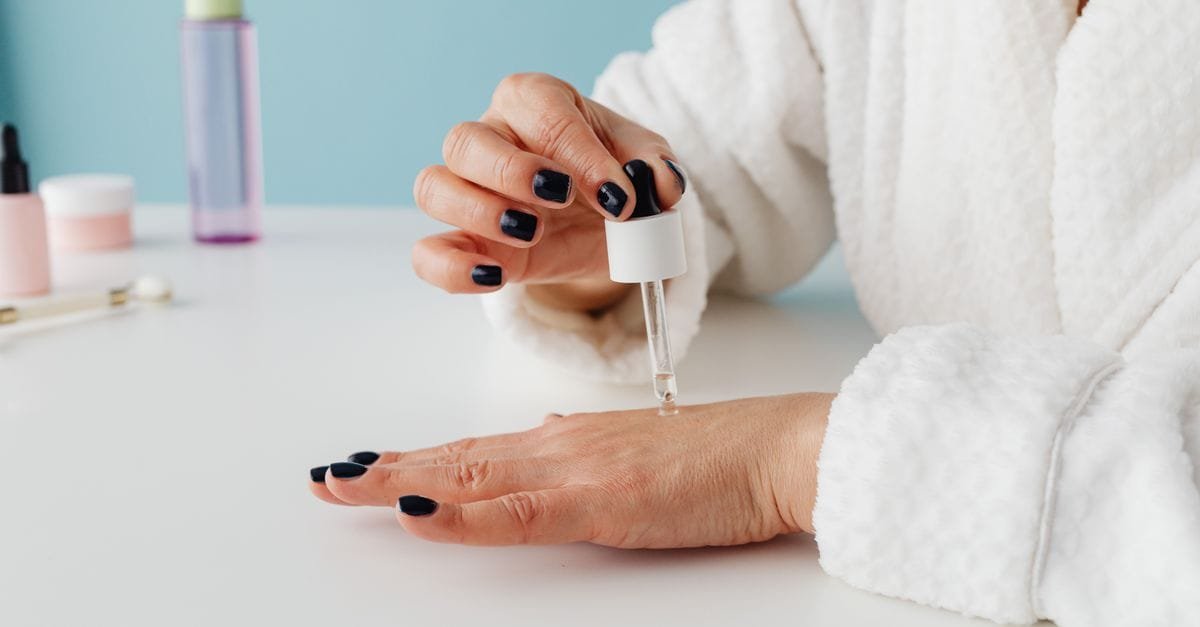
Peptides live in serums and moisturizers, applied after cleansing/watery layers and before (or as) moisturizer, morning or night or both — the standard slot in our layering order. No purge, no adjustment period, no sun sensitivity. Frequency: daily consistency for two to three months is the honest trial; peptides whisper, so missed days mute them faster than they would a retinoid.
Layering rules: with niacinamide, hyaluronic acid, ceramides — perfect teammates (a peptide serum under a ceramide moisturizer is a classic gentle-routine spine). With retinoids — fine on schedule (different times or layered, peptides don’t fight). The one real conflict: copper peptides + strong L-ascorbic vitamin C — copper and ascorbic acid destabilize each other in the same layer; run vitamin C in the morning and copper peptides at night, or on alternate days. And direct acid layering (low pH) can fragment delicate peptides — acids on acid nights, peptides on others; the dictionary’s one-job-per-night doctrine handles it automatically.
Reading a Peptide Label Without a Chemistry Degree
Peptides hide behind systematic names — the decoding shortcuts: “palmitoyl” prefixes (palmitoyl tripeptide-1, pentapeptide-4) = signal peptides, the Matrixyl family; “copper tripeptide-1” = GHK-Cu (formulas go blue-green at real concentrations — a white “copper peptide” cream is homeopathic); “acetyl hexapeptide-8” = Argireline, the neuro-claim one; position on the INCI list matters as always — peptides listed after fragrance are garnish. Reasonable peptide products exist at drugstore prices; the $150 tier mostly buys packaging and the studies’ press releases. Judge by formulation (peptides + humectants + barrier lipids in a stable vehicle) rather than by peptide-count arms races — “11 peptides!” is a marketing number, not a dosage claim.
Peptides vs the Alternatives, Honestly
vs Retinoids: no contest on evidence — retinoids remodel; peptides suggest. Peptides win only on gentleness. vs Vitamin C: C has deeper evidence for pigment and antioxidant defense; peptides for texture-feel and hydration; different jobs. vs Niacinamide: comparable gentleness, comparable price floor, niacinamide has broader evidence — if choosing one gentle multitasker, niacinamide first. vs Collagen creams: peptides at least could signal; smearing whole collagen on skin definitely just moisturizes (the molecule is far too large to enter — the mortar chapter covers what actually absorbs). vs doing nothing: a good bland moisturizer delivers a surprising share of what peptide marketing photographs.
The Realistic Peptide Trial
Buy: one well-reviewed signal-peptide serum (mid-range price, real INCI placement) — not a peptide wardrobe. Run: twice daily for twelve weeks, alongside your existing SPF-and-retinoid spine, changing nothing else. Measure: same-light photos at 0/6/12 weeks, plus the honest subjective — does skin feel firmer, look better hydrated? Verdict rules: visible or feelable improvement — keep it as a permanent support layer; nothing detectable — you’ve learned your skin’s answer for a modest tuition, and the money returns to the proven hierarchy. Either outcome beats buying on faith annually, which is the aisle’s actual business model.
Peptides Beyond the Face: Hair, Lashes, and Body
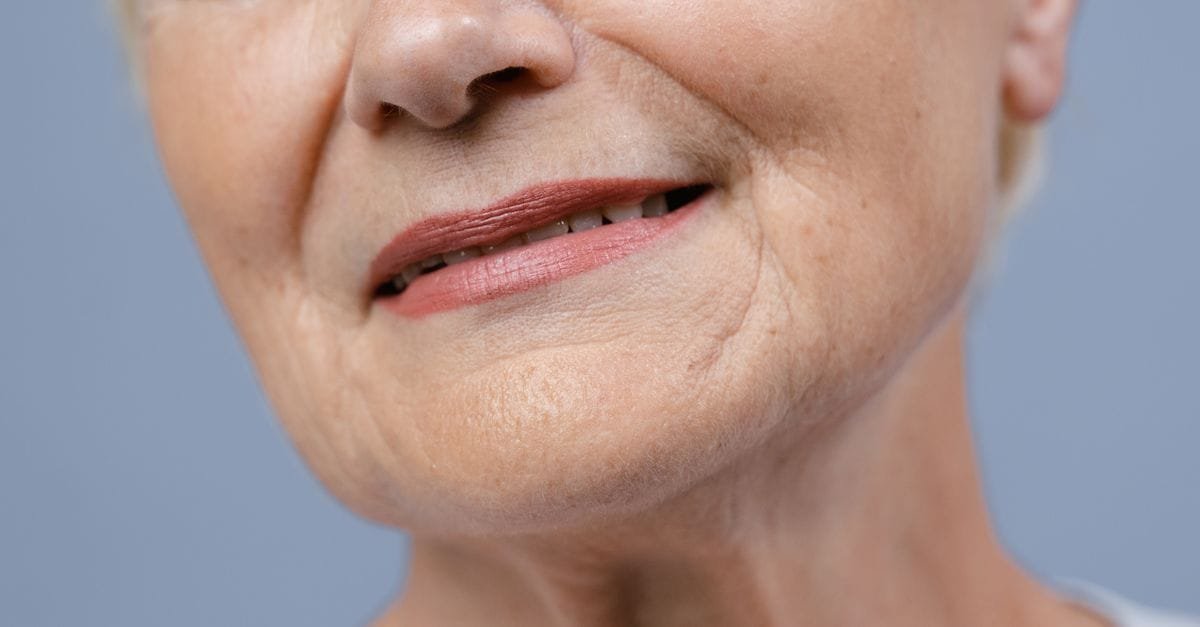
The messenger logic travels. Hair and scalp: peptide scalp serums claim follicle-signaling for density — evidence is early-stage but the category is at least mechanistically sensible; treat it as the experimental tier above the proven basics in our scalp guide. Lash and brow serums: the peptide versions are the gentle (and modestly effective) cousins of the prescription growth serums — real-but-subtle results over months, without the pigment side-effect conversations. Body: peptide body creams for crepey arms and chest exist at luxury prices doing what any good moisturizer does at drugstore prices, plus a whisper — the neck and chest, being face-adjacent, are the only body zones where the upgrade math occasionally works. Eye creams: peptides’ gentleness makes them natural eye-area occupants — fine choices, same modest expectations, and the puffiness and dark-circle guides explain why no cream, peptide or otherwise, out-performs sleep and cold.
Peptides by Decade: When Do They Earn a Slot?
20s: almost never — collagen production is at lifetime highs; the messengers have nothing to announce. SPF is the entire anti-aging portfolio this decade needs. 30s: optional supporting layer once SPF + retinoid are established — the “first signs” decade is where peptide serums’ modest texture effects become detectable at all. 40s–50s: the sweet spot for the category — declining collagen gives the signals a real audience, and peptides stack politely onto mature routines already running retinoids, vitamin C, and rich moisturization. 60s+: genuinely useful as gentleness becomes the priority — skin that’s retiring from strong retinoids can hold ground with peptides + ceramides + SPF, trading some potency for comfort and consistency. Across every decade the ordering rule holds: peptides are hired after the proven staff, never instead of them.
One Sentence of Perspective
If the entire peptide category vanished tomorrow, dermatology would shrug; if sunscreen vanished, it would grieve. That’s the honest weight class — keep the hierarchy funded in that order, and let peptides be the pleasant bonus they genuinely are.
The Bottom Line
Peptides are the polite, promising, perpetually-almost-proven corner of skincare: real science, modest effects, gentle delivery, and marketing that writes checks the molecules only partially cash. Use them where they genuinely fit — retinoid-intolerant skin, pregnancy routines, daytime support layers, recovery seasons — buy mid-range and formulation-first, give them twelve honest weeks, and never let a whisper-molecule displace the proven shouters: sunscreen every morning, retinoid most nights, and patience always.
The short honest list:
The short honest list:
Frequently Asked Questions
What do peptides actually do for skin?
They act as messenger molecules — mostly signaling skin cells to support collagen and repair. In practice: modest improvements in firmness, hydration, and fine lines over 8–12 weeks, with excellent gentleness. Supporting player, not headline treatment.
Are peptides better than retinol?
No — retinoids have decades of strong evidence for remodeling skin; peptides have small promising studies for modest effects. Peptides win only where retinoids can’t go: very intolerant skin and pregnancy routines. Many routines happily use both.
Can I use peptides with vitamin C?
Signal peptides, yes. The specific conflict is copper peptides plus strong L-ascorbic acid vitamin C — they destabilize each other in the same layer. Run vitamin C in the morning and copper peptides at night.
Are peptides safe during pregnancy?
Peptides are generally regarded as one of the pregnancy-friendly categories — a common substitute while retinoids pause. As always, confirm your specific product list with your OB or dermatologist.
How long do peptides take to work?
Hydration effects show within days (the serums are good humectant vehicles); the firmness and fine-line effects need eight to twelve consistent weeks. Photograph at the start or you’ll never trust your own verdict.
What is the best peptide for skin?
The signal-peptide family (Matrixyl-type palmitoyl peptides) has the most consistent evidence; copper peptides (GHK-Cu) are the interesting second pick for mature skin. The “Botox-like” neuro-peptides are the weakest bet in the aisle.
Do peptide moisturizers work as well as peptide serums?
A well-formulated moisturizer with meaningful peptide content works — and simplifies the routine. Serums typically carry higher concentrations. Either way, INCI position and formulation quality matter more than the format.
Do peptides cause purging or irritation?
Essentially never — peptides don’t accelerate turnover, so there’s no purge, and their irritation rate is among the lowest in skincare. A reaction to a peptide product usually traces to fragrance or another ingredient in the formula.
Are copper peptides better than regular peptides?
Different, not better: copper peptides (GHK-Cu) have an interesting wound-repair pedigree and a devoted following for mature skin, but also the one real layering conflict (strong vitamin C). Signal peptides are the safer, better-studied default.
Can peptides replace Botox?
No — the “Botox-like” neuro-peptides show marginal effects at best in studies, and topical molecules reaching muscle at meaningful depth strains plausibility. Expression lines that bother you are an injector conversation, not a serum purchase.
What should I pair with a peptide serum?
Niacinamide, hyaluronic acid, and a ceramide moisturizer — the gentle-support dream team — plus your usual SPF and retinoid schedule. Keep exfoliating acids on separate nights and strong vitamin C away from copper peptides.
Do peptides work on the neck and chest?
Yes — the thinner, gentleness-demanding neck and chest are actually good peptide territory, especially for skin that finds retinoids too strong there. Same modest expectations, same twelve-week trial.
Can I use peptides morning and night?
Absolutely — there is no sun-sensitivity or buildup concern. Morning use under SPF and night use under moisturizer are both standard; consistency matters more than the slot.

 Adhorika Khan