 Adhorika Khan
Contouring can transform your face. It’s all about enhancing features.
But, not every face shape is the same. Each shape has unique characteristics. So, contouring techniques vary. Understanding your face shape is the first step. Once you know it, you can highlight your best features. Contouring adds depth and dimension.
It can make your cheekbones pop or soften a strong jawline. This technique isn’t just for professionals. With a little practice, anyone can achieve it. The key is to know which areas to darken and which to highlight. In this guide, we’ll explore contouring for different face shapes. You’ll learn tips tailored to your unique features. Get ready to bring out your beauty with the right contouring techniques.
Introduction To Contouring
Contouring can transform your makeup routine. It enhances natural beauty and defines features. Different face shapes need specific techniques for the best results. Learning to contour correctly can make a big difference. This introduction will guide you through the basics of contouring.
What Is Contouring?
Contouring involves using makeup to define and shape the face. It creates shadows and highlights, enhancing facial structure. The goal is to accentuate cheekbones, jawlines, and other features. Contouring uses darker shades to add depth and lighter shades to highlight areas. This technique adds dimension, making the face appear more sculpted.
History Of Contouring
Contouring is not new. It dates back to ancient times. Stage actors used it to enhance their expressions under bright lights. In the 1920s, film stars adopted it for the silver screen. The technique became popular in the beauty industry over time. Today, contouring is a staple in makeup routines worldwide. It has evolved with new tools and products, making it accessible to everyone.
Identifying Face Shapes
Understanding your face shape helps in perfecting contouring techniques. Each face shape requires a unique approach. Knowing your face shape guides you in highlighting your best features. Discovering your face shape is simple and essential. It is the first step to mastering contouring techniques.
Common Face Shapes
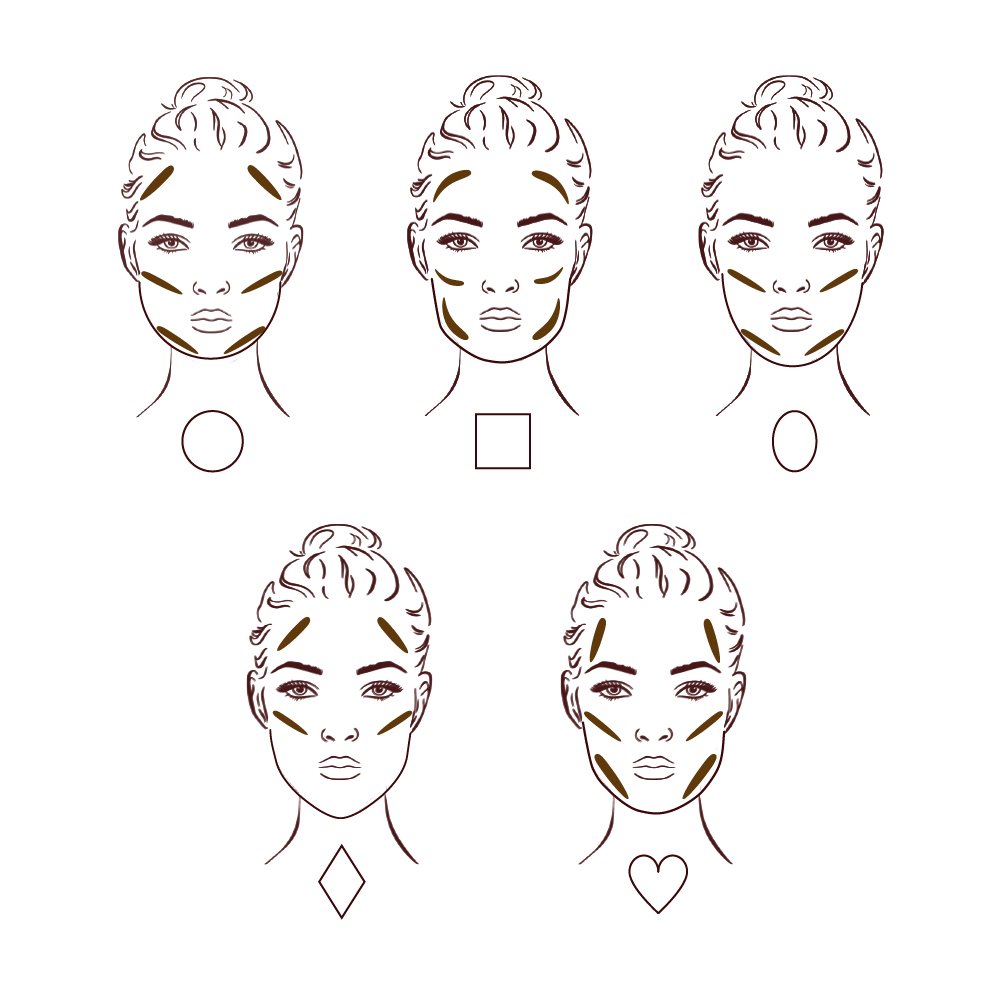
There are several common face shapes. Oval, round, square, heart, and diamond are the most recognized. Each shape has distinct characteristics. Oval faces are longer than wide. Round faces are equal in length and width. Square faces have strong jawlines. Heart-shaped faces have wide foreheads and narrow chins. Diamond faces have broad cheekbones and narrow foreheads.
Determining Your Face Shape
Stand in front of a mirror with your hair pulled back. Observe the outline of your face. Use a ruler to measure your forehead, cheekbones, and jawline. Compare these measurements to identify your face shape. This helps in choosing the right contouring method.
Tools For Contouring
Contouring can transform your facial features. The right tools make the process simple and effective. Understanding the tools for contouring is vital. Different face shapes require different techniques. The right products and brushes play a key role.
Essential Contouring Products
Choose contour products wisely. Creams blend easily for a natural look. Powders offer a matte finish and are perfect for oily skin. Stick contours are convenient and travel-friendly. Select shades based on your skin tone. Lighter shades highlight. Darker shades define and sculpt.
Brushes And Applicators
Brushes shape the contour effortlessly. Use angled brushes for precise application. Flat brushes blend the product seamlessly. Beauty sponges are versatile. They work well with creams and powders. For a flawless finish, clean brushes regularly.
Oval Face Contouring
Oval face contouring enhances natural symmetry, emphasizing cheekbones and softening the chin. Highlighting the forehead and under-eye area brightens the face. This technique balances facial features, creating a harmonious look.
Contouring is a transformative makeup technique that can enhance your natural features. For those with oval faces, contouring can help define your already balanced proportions, bringing out your best features with ease. If you’ve ever wondered how to make your cheekbones pop or create the illusion of a slimmer nose, oval face contouring is your secret weapon. Let’s dive into the essentials for mastering this technique.Highlighting Tips
Highlighting is all about drawing attention to the areas you want to emphasize. For oval faces, the key areas to highlight include the center of your forehead, the tops of your cheekbones, and down the bridge of your nose.Use a highlighter that’s one or two shades lighter than your natural skin tone. Apply it lightly to avoid a shiny or greasy look. A subtle glow can make your face look vibrant and awake.Have you tried using a liquid highlighter? It blends seamlessly with your foundation, creating a natural finish. What’s your go-to product for that perfect glow?Shadow Placement
Shadows are used to create depth and dimension. For oval faces, start by applying contour powder under your cheekbones, blending towards your ears. This enhances the natural shape of your face without overdoing it.Add a touch of shadow along your jawline to sharpen the edges, and apply a light contour on the sides of your nose if you wish to slim it. Always blend well; harsh lines can ruin the natural look you’re aiming for.Imagine someone asking if you’ve lost weight just because of your contouring skills! Wouldn’t that be a delightful compliment?Remember, practice makes perfect. Your face is your canvas, and with contouring, you can paint the masterpiece you envision. What techniques have you found most effective for your oval face?Round Face Contouring
Contouring a round face can enhance your natural beauty. The goal is to create a more defined look with strategic shading. By focusing on certain areas, you can add depth and dimension. This helps in achieving a more sculpted appearance. Let’s explore some effective techniques for contouring a round face.
Creating Angles
Angles are key for round face contouring. Use a matte bronzer to create shadows. Start at the temples and sweep down towards the jawline. This creates a structured look. Make sure to blend well for a natural finish. Highlight the tops of your cheekbones for contrast. This brightens the face and enhances angles.
Slimming Techniques
Slimming a round face involves strategic contouring. Apply a darker shade under the cheekbones. Blend towards the corners of your mouth. This elongates the face visually. Contour the sides of the forehead too. This narrows the face and adds definition. Highlight the center of the forehead and chin. It draws attention to the center, creating a balanced look.
Credit: www.perfectcorp.com
Square Face Contouring
Square face contouring enhances facial features by creating balance and definition. Lightly apply contour under cheekbones and jawline. Blend thoroughly for a natural look.
Contouring can transform your makeup routine, especially if you have a square face shape. The key is to soften the angles and enhance your natural features. Whether you’re a makeup novice or a pro, understanding how to contour a square face can make a big difference. I remember the first time I tried contouring my square face—I was amazed at how just a few brush strokes could redefine my look. Let’s dive into some techniques that will help you enhance your features effortlessly.###Softening The Jawline
A square face typically has a strong, angular jawline. To soften this area, use a contour shade slightly darker than your natural skin tone. Apply it along the jawline, blending well to avoid harsh lines.Consider using a cream contour for a more natural finish. Always blend upwards to lift the face. The goal is to create a subtle shadow that softens the jawline’s sharpness. Have you noticed how a well-contoured jaw can make the entire face appear slimmer?###Enhancing The Cheekbones
Enhancing cheekbones on a square face can add dimension and balance. Apply the contour shade just below the cheekbone, starting from the ear and moving towards the lips. Blend upward towards the temples to create a seamless look.Highlight the tops of the cheekbones with a light, shimmering powder. This contrast will make your cheekbones pop. Have you tried layering your contour with a blush? It adds a natural flush and further enhances your features.Don’t be afraid to experiment with different products. Finding what works best for you is part of the fun. What will you try first?Heart-shaped Face Contouring
Contouring can transform your makeup game, especially when tailored to your face shape. If you have a heart-shaped face, you might often wonder how to balance your prominent forehead with your narrower chin. Fear not, because contouring techniques can help enhance your natural beauty. Let’s delve into specific methods for contouring a heart-shaped face, focusing on balancing the forehead and defining the chin.
Balancing The Forehead
Heart-shaped faces typically have a broad forehead. To create harmony, you can use contouring to soften this area. Pick a shade darker than your skin tone and apply it along the sides of your forehead.
Blend well to ensure it looks natural. The goal is to create shadows that make your forehead appear narrower.
Have you tried contouring your forehead before? Notice how a little shading can shift focus to your cheekbones? This subtle trick can create a balanced look, drawing attention away from the width of your forehead.
Defining The Chin
Another characteristic of heart-shaped faces is the pointed chin. Contouring here helps in creating a softer appearance. Use a contouring shade to draw a small line just below the chin.
Blend it seamlessly to avoid any harsh lines. This technique elongates the chin slightly, harmonizing it with the rest of your face.
Ever noticed how your chin stands out in photos? By defining it with contour, you achieve a more symmetrical look. It’s fascinating how just a few brush strokes can make such a difference!
Contouring is an art, and like all arts, practice makes perfect. Are you ready to experiment with these techniques? Trying them might just change how you see your makeup routine. Remember, the best way to find what works is by playing around with your makeup and seeing what suits you best.
Credit: www.weddingplz.com
Long Face Contouring
Long face contouring enhances facial balance by focusing on the forehead and chin areas. Soft shading under the cheekbones adds dimension. Highlighting the center of the forehead and chin shortens the face’s appearance, creating harmony.
Contouring can transform the way you feel about your makeup routine. When done right, it brings out your best features while balancing your face shape. If you have a long face, contouring can add harmony and proportion. You can achieve a look that feels uniquely you with the right techniques.Shortening The Face
A long face can benefit from contouring techniques that create the illusion of a shorter, more balanced shape. Applying contour along the top of your forehead and below your chin is key. These areas can draw the eye and give an impression of a shorter face.Use a matte bronzer or contour powder that is one or two shades darker than your skin tone. Blend it well to avoid harsh lines. A smooth transition will create a natural look and help you feel more confident.Adding highlighter to the center of your forehead and chin can also play a role. It balances the darker shades, enhancing the illusion of a shorter face.Adding Width
Adding width can create a more proportional look for a long face. Focus on your cheekbones to broaden the appearance of your face. You can do this by applying blush horizontally along the cheeks.Highlighting the apples of your cheeks and the sides of your face can also add width. Choose a highlighter with a subtle shimmer to catch the light. It’s all about creating a natural glow that complements your features.Contouring is not just about following rules. It’s also about experimenting with what makes you feel your best. Have you ever tried a technique you thought wouldn’t work and found it surprisingly effective? Share your thoughts and experiences in the comments below!Common Contouring Mistakes
Contouring can enhance facial features, but mistakes are common. Understanding these errors can help achieve a flawless look. Let’s dive into some frequent contouring pitfalls.
Over-blending Issues
Blending is crucial in contouring. Many over-blend and lose definition. The goal is to create shadows, not erase them. Gentle strokes are key. Harsh lines can be softened, not vanished. Use a light hand for best results.
Choosing The Wrong Shade
Shade selection affects the contour outcome. A wrong shade can create an unnatural look. Always consider your skin tone. Dark shades can look muddy. Too light shades may appear ashy. Testing shades before application is wise. Find a balance for a seamless blend.
Expert Tips And Tricks
Discover the art of contouring with expert techniques tailored for various face shapes. Round faces benefit from soft contour lines, while angular faces require more defined edges. Adjust your approach to highlight natural beauty and achieve a balanced look.
Contouring can transform the way you perceive your face, enhancing your unique features and bringing out your natural beauty. Each face shape has its own set of rules when it comes to contouring. But with expert tips and tricks, you can master this art effortlessly. Whether you have a round face or an angular one, the right techniques can make a world of difference. Let’s dive into some practical advice that will make contouring a breeze.Blending Techniques
Blending is the secret sauce of contouring. It ensures that your makeup doesn’t look harsh or unnatural. Use a damp beauty sponge or a soft brush to blend the contours seamlessly into your skin.Circular motions help to soften any lines, making your contour appear subtle and well-integrated. You don’t want any sharp edges—just a smooth transition between shades.Remember, the goal is to mimic natural shadows, not to paint them on.Have you ever noticed how the shadows on your face change with different lighting? That’s what you’re aiming for—natural light and shadow effects.Setting The Contour
After blending, setting your contour is crucial to ensure it lasts all day. A translucent setting powder can lock in your hard work without altering the color of your contour.Use a light hand when applying powder. Dust it over the contoured areas to prevent shine and keep everything in place.You might be tempted to skip this step, but it’s essential for a polished finish. Setting your contour helps it withstand heat, humidity, and the hustle of daily life.Ask yourself: do you want your contour to stay flawless from morning to night? Setting is your answer.These expert tips and tricks offer a practical approach to achieving the perfect contour for your face shape. With practice, you’ll find the techniques that work best for you. Embrace your individuality and let your contour enhance it.Conclusion And Final Thoughts
Understanding contouring techniques for different face shapes can enhance your beauty routine. Each face shape has unique features that benefit from tailored contouring. Learning these techniques empowers you to highlight your natural beauty. A personalized approach can make all the difference.
Recap Of Techniques
Square faces benefit from shading the corners of the forehead and jaw. This softens angles and creates a balanced look. For round faces, contouring below the cheekbones adds definition. Highlighting the chin and forehead elongates the face. Heart-shaped faces should focus on the temples and chin. This balances the wider forehead and narrower chin. Oval faces can contour along the cheekbones for subtle enhancement.
Encouraging Experimentation
Experimenting with contouring can lead to discovering what works best for you. Try different products and techniques to see which suits your style. Don’t be afraid to adjust methods to fit your unique features. Practice makes perfect, and over time, you’ll find your favorite look. Confidence in your contouring skills will grow with experience.
Credit: www.danielsandler.com
Frequently Asked Questions
How Do I Contour My Face Shape?
Identify your face shape. Use a matte bronzer to shade areas you want to slim or define. Apply highlighter to accentuate features like cheekbones. Blend well for a natural look. Adjust technique based on specific face shape: round, oval, square, or heart-shaped.
Practice enhances skill.
What Is The Rarest Face Shape?
The diamond face shape is the rarest. It features a narrow forehead and jawline with prominent cheekbones. This unique shape creates a balanced, angular appearance, making it less common than other face shapes. Recognizing the diamond face shape helps in choosing flattering hairstyles and accessories.
Do I Contour Before Or After Foundation?
Apply foundation first to create a smooth base. Then, contour to define and enhance your facial features. This method ensures a seamless blend and natural look. Use a setting powder to lock everything in place. This sequence helps achieve the best results for a polished makeup finish.
How To Contour Your Face To Make It Look Rounder?
To make your face look rounder, contour the sides of your jawline and temples. Highlight the center of your forehead and chin. Use a matte bronzer to soften sharp angles, and blend well for a natural finish. Choose lighter shades to emphasize roundness.
Conclusion
Contouring enhances your natural beauty. Each face shape needs a different technique. Oval faces benefit from subtle highlights. Round faces need more definition along the jawline. Heart-shaped faces look great with cheekbone focus. Square faces require softening on edges. Experiment and find what works best for you.
Practice makes perfect, so keep trying. Confidence grows with understanding your unique shape. Beauty is personal. Remember, makeup should be fun and expressive. Use these techniques as guidelines. Create looks that feel right for you. Your face is your canvas.
Enjoy the art of contouring every day.

 Adhorika Khan