 Adhorika Khan
Every few years a skincare trend earns its virality. Skin cycling is one of the rare ones dermatologists actually endorse — because it’s less a trend than a schedule for common sense. Skin cycling is a four-night rotation for your evening routine: exfoliation night, retinoid night, then two recovery nights of just cleanser and moisturizer — repeat. Coined by dermatologist Dr. Whitney Bowe, it delivers the proven actives while building in the rest that prevents the number-one beginner disaster: the wrecked, over-exfoliated barrier.
This guide explains the classic cycle night by night, who it helps most (beginners and sensitive skin) and who should modify it, plus how to graduate to a faster cycle once your skin earns it.
Key Takeaways
- The classic cycle is four nights: exfoliate → retinoid → recover → recover — then repeat.
- Recovery nights are the innovation: deliberate rest prevents the irritation spiral that makes people quit retinoids.
- It’s ideal for beginners and sensitive skin — actives on training wheels, results without the burn.
- Mornings don’t cycle: gentle cleanse, moisturizer, SPF every single day regardless of the night phase.
- It’s a framework, not a law: resilient skin can shorten to recovery-every-third-night; reactive skin can lengthen.
What Is Skin Cycling, Exactly?
Skin cycling applies a training principle to skincare: stress, then recover. Strong actives — exfoliating acids and retinoids — genuinely remodel skin, but both tax the barrier while they work. Used nightly by an eager beginner, they routinely produce the classic crash: tight, red, flaky, stinging skin that’s worse than what treatment started — followed by abandoning the products that would have worked.
The cycle spaces the stressors and schedules the repair. Night one pushes (exfoliation), night two pushes differently (retinoid), nights three and four deliberately rest (hydration and barrier support only). Four nights, on repeat, forever or until your skin graduates to something faster.
Dr. Whitney Bowe, the New York dermatologist who named and popularized the method, essentially packaged what dermatologists had long prescribed informally — the packaging matters, because a routine you can remember is a routine you’ll actually follow.
Night 1: Exfoliation Night
After cleansing, on dry skin, apply a leave-on chemical exfoliant — then moisturize. That’s the whole night. Which acid: salicylic (BHA) for oily and clog-prone skin, glycolic or lactic (AHA) for texture and glow chasing — our AHA vs BHA guide settles the choice. Leave-on serums and pads beat rinse-off scrubs for evenness; skip gritty physical scrubs entirely in this system.
The job of exfoliation night is double: its own smoothing work, plus clearing the dead-cell layer so tomorrow’s retinoid penetrates evenly. Expect possible light tingling — brief and mild is acceptable; burning is not, and burning means your acid is too strong or your barrier needs more recovery nights.
Night 2: Retinoid Night
Cleanse, dry completely (damp skin amplifies retinoid penetration and irritation), then a pea-sized amount of your retinoid for the whole face — then moisturizer. Beginners start with retinol or adapalene; the full ladder from retinol to retinal to prescription strengths lives in our retinol guide and the retinol vs retinal comparison.
Two protective moves for beginners: the sandwich (moisturizer, retinoid, moisturizer again) blunts irritation with minimal efficacy cost, and avoiding the corners — nostril creases, mouth corners, under-eyes — where retinoid burn always starts. Retinoid night is the engine of the entire cycle: collagen, turnover, tone — the best-evidenced active in consumer skincare, made sustainable by what comes next.
Nights 3 & 4: Recovery Nights
Cleanse, then hydrate and repair — no acids, no retinoids, nothing that stings. This is where hyaluronic acid on damp skin, niacinamide, ceramides, panthenol, and an honest moisturizer do their quiet work (the full roster is in our ingredient dictionary; the philosophy is our barrier repair guide in miniature).
Recovery nights are psychologically the hardest — doing “less” feels like slacking while Instagram applies eleven serums. Reframe: recovery is when the remodeling you triggered on nights one and two actually consolidates. Muscles grow on rest days; skin repairs on recovery nights. Skipping them doesn’t speed results — it schedules the crash.
Who Is Skin Cycling Perfect For?
Beginners starting actives with no idea how their skin responds — the cycle is the safest on-ramp in skincare. Sensitive and reactive skin that has failed nightly-retinoid attempts before. Barrier-recovery cases — anyone rebuilding after an over-exfoliation era (two recovery nights is exactly the medicine). Routine-overwhelmed people — four repeating nights replace the decision fatigue of “what do I use tonight?” Dry-winter skin — cycling through the cold months even if you run stronger routines in summer.
Who Should Modify or Skip It?
Retinoid veterans whose skin comfortably tolerates nightly tretinoin don’t need to deload to a four-night cycle — for them classic cycling is a step backward; a recovery night every third or fourth night suffices. Active acne under prescription care: follow the prescriber’s schedule, not a trend’s — consistency with medication beats any rotation. Pregnancy: the retinoid night pauses entirely; a cycle of azelaic-acid night → recovery → recovery works beautifully instead (doctor confirmed, list in hand). Eczema or rosacea: the framework helps, but ingredient choices need professional tailoring — exfoliation night might be the night to delete, not schedule.

The Morning Routine Doesn’t Cycle
Whatever last night was, morning is identical: gentle cleanse (or just water), optional vitamin C or niacinamide, moisturizer, SPF without exceptions. Both acids and retinoids increase sun sensitivity — daily sunscreen isn’t the boring sibling of the routine, it’s the bodyguard that makes the whole program net-positive (our SPF guide if you’re choosing one). Cycling without daily SPF is remodeling a house while leaving the roof open.
What Results Should You Expect, and When?
Honest timeline: weeks 1–2 — smoother texture from exfoliation nights, possibly minor adjustment flaking near the retinoid zones; weeks 4–6 — steadier glow, calmer breakout rhythm, makeup sitting better; weeks 8–12 — the retinoid results proper begin: refined pores, early tone evening, the compliments phase. Take a same-light photo at day zero and every two weeks — and remember new-active rules still apply on a cycle: one new product at a time, patch-tested, with our purging vs breakout guide on standby for week-three doubts.
Graduating: How to Advance the Cycle
After two to three months of comfortable classic cycling, skin that shows zero irritation can compress: drop to one recovery night (exfoliate → retinoid → recover, repeat), then eventually retinoid most nights with a weekly acid night and recovery as needed — which is simply a mature actives routine. Move one step at a time and retreat a step at the first sign of tightness or sting. There’s no prize for advancing; plenty of dermatologists keep patients on classic cycling indefinitely because adherence beats intensity every time.
Common Skin Cycling Mistakes
Stacking actives on push nights (“exfoliation night AND vitamin C AND a clay mask”) — the cycle works because each night has one job. Treating recovery nights as optional when skin “feels fine” — the crash arrives on delay. Starting with the strongest acid and retinoid on the shelf — begin gentle; the schedule protects you from frequency, not from concentration. Quitting at week three when results haven’t arrived — the engine active needs eight to twelve weeks, cycled or not. Forgetting the morning SPF — see above; non-negotiable.
How Skin Cycling Interacts With the Seasons
The cycle’s flexibility is most useful at the season changes. Winter argues for more recovery: cold air and indoor heating tax the barrier before any acid arrives, so the classic four-night rhythm (or even five) earns its keep — and richer moisturizers join recovery nights. Summer brings more sun exposure, which raises the stakes on SPF discipline but also more humidity, which most skin tolerates actives better in — many people comfortably shorten the cycle from June to September. Travel is its own micro-season: flights dehydrate skin dramatically, so land on a recovery night by default, and never debut a new active in a hotel bathroom. The skill being built in all cases is the same one dermatologists wish more patients had: reading tightness, sting, and flake as data, and adjusting the calendar before the skin has to file a formal complaint.
Your Starter Cycle, Spelled Out
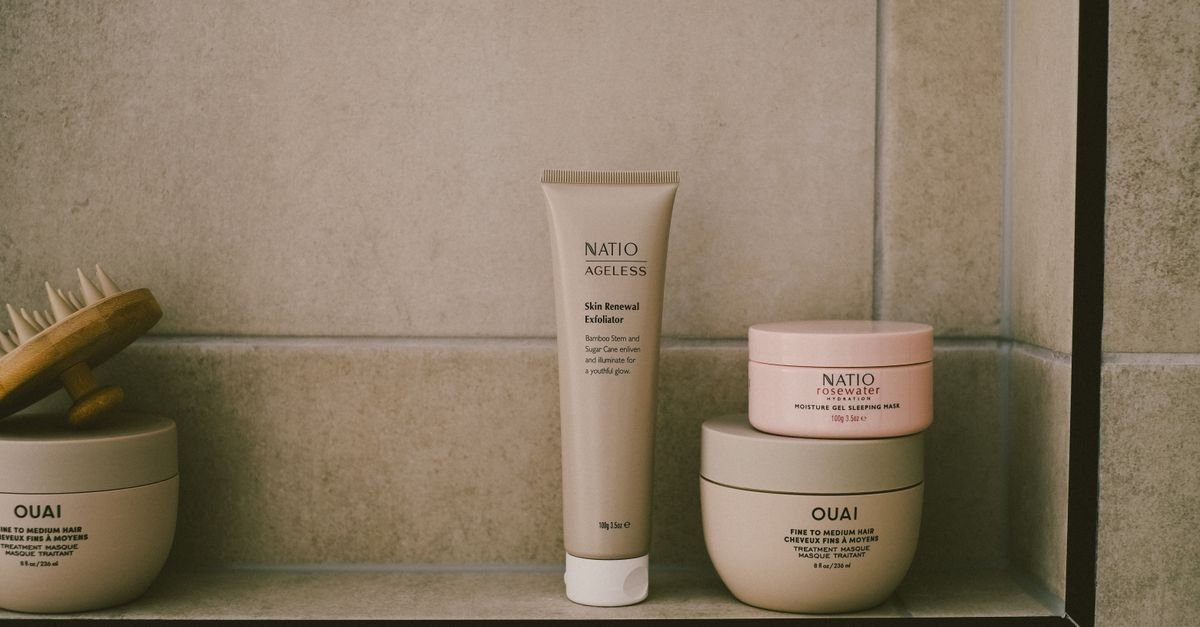
Shopping list (four products): a gentle cleanser, a leave-on exfoliant suited to your skin type, a beginner retinoid, and a ceramide moisturizer — plus the morning SPF you already own. Night 1: cleanse → exfoliant → moisturizer. Night 2: cleanse → dry fully → pea of retinoid → moisturizer. Nights 3–4: cleanse → moisturizer (hyaluronic serum on damp skin first if you like). Repeat for eight weeks before judging. Write the night number on a sticky note on the mirror — genuinely, that’s the whole operational overhead of the method.
Where Do Vitamin C, Masks, and Everything Else Fit?
The cycle governs evening actives — everything else has a slot without breaking the system. Vitamin C lives in the morning routine, any day, where it teams with SPF. Niacinamide is cycle-neutral: gentle enough for any night, including recovery. Hydrating masks and sheet masks are recovery-night luxuries — they belong there. Clay masks count as exfoliation-adjacent stress: if you love one, use it instead of the acid on an exfoliation night, not in addition. Eye creams, facial oils, slugging: recovery-night friendly (skip slugging on retinoid night unless your skin is very tolerant — occlusion amplifies penetration). The sorting rule is one question: does this product push or repair? Push products compete for nights one and two; repair products are always welcome on three and four.
Tweaks by Skin Type
Oily, resilient skin often graduates fastest: BHA on exfoliation night, and after a couple of clean months, the three-night cycle. Dry skin flips the emphasis — a gentler AHA (lactic), the retinoid sandwiched, and no shame in a third recovery night through winter. Combination skin can zone it: BHA through the T-zone, richer moisturizer on the cheeks, same calendar. Sensitive skin starts with the five-night variant (one push, then recover until calm) and treats azelaic acid as a friendlier night-one alternative. The calendar flexes; the principle — never two push nights back to back while you’re building tolerance — doesn’t.
A Sample Two-Week Calendar
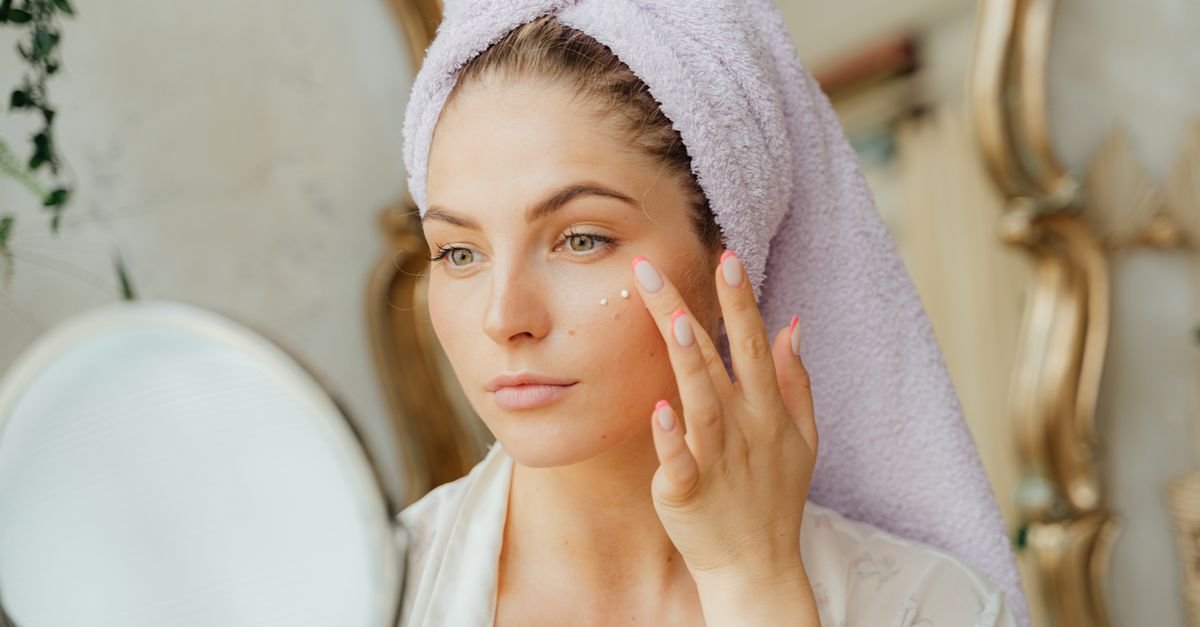
Seeing it laid out kills the confusion: Mon exfoliate · Tue retinoid · Wed recover · Thu recover · Fri exfoliate · Sat retinoid · Sun recover · Mon recover · Tue exfoliate · … and onward — the cycle doesn’t care about weekdays, only about order. Life-proofing: if you skip a night, resume where you left off rather than doubling up; if you get a facial or heavy sun exposure, insert extra recovery nights without guilt; if a big event looms, schedule so the days before are recovery nights (fresh-faced) rather than the morning after retinoid night. The calendar serves the skin, never the reverse.
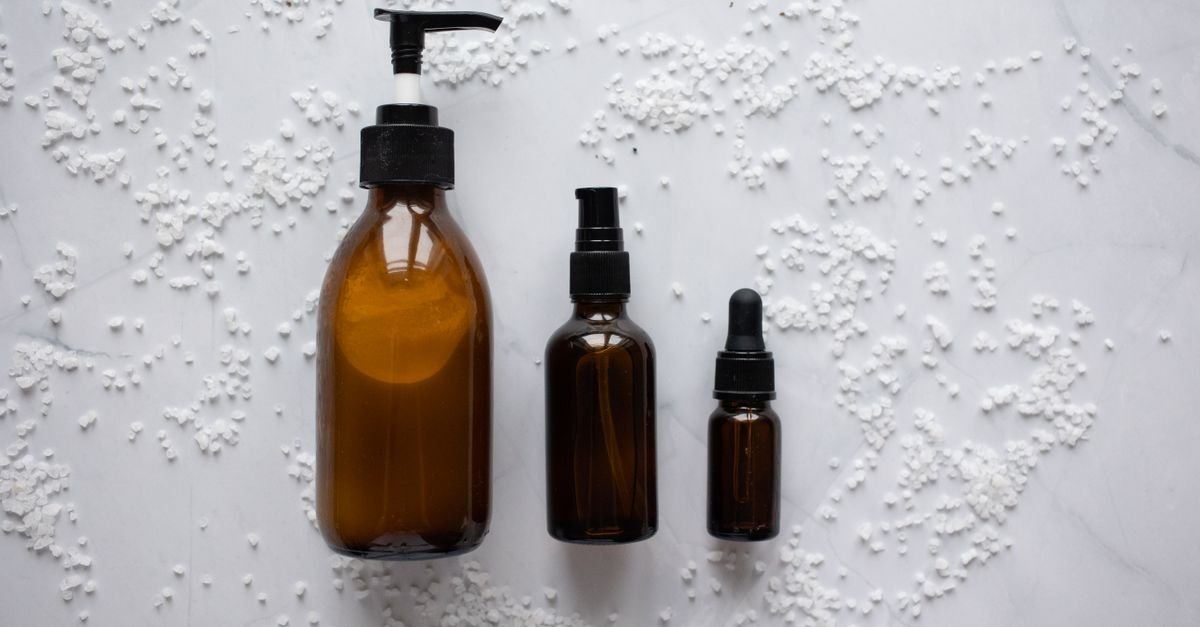
The four-product honest list:
The four-product honest list:
Frequently Asked Questions
What is the skin cycling method?
A four-night evening rotation created by dermatologist Dr. Whitney Bowe: exfoliation night, retinoid night, then two recovery nights of just cleanser and moisturizer — repeated indefinitely. It delivers proven actives while scheduling the rest that prevents irritation.
Does skin cycling actually work?
Yes — because its components (chemical exfoliation, retinoids, moisturizing) are the best-evidenced tools in skincare, and the schedule keeps people using them consistently instead of burning out their barrier and quitting. The cycle is delivery, not magic.
How long does skin cycling take to show results?
Smoother texture within two weeks, visible glow around a month, and true retinoid results — pores, tone, fine lines — in the eight-to-twelve week range. Photograph progress; day-to-day mirrors hide it.
Can beginners do skin cycling every night?
The cycle IS nightly — but each night has a different job, and the two recovery nights are mandatory, not optional. Skipping recovery to “speed things up” is how the over-exfoliated crash happens.
Can I skin cycle while pregnant?
Modified, yes: the retinoid night pauses completely. A common pregnancy-safe cycle is azelaic acid night, then two recovery nights — confirmed with your OB or dermatologist, product list in hand.
Do I still use sunscreen with skin cycling?
Every single morning, without exception. Both exfoliating acids and retinoids increase sun sensitivity, so daily SPF is what makes the whole program a net gain for your skin.
What if my skin is already used to retinol every night?
Then classic four-night cycling would be a step backward — keep your nightly retinoid and simply insert a recovery night whenever tightness or flaking appears, plus a weekly exfoliation night if your skin enjoys acids.


 Adhorika Khan