 Adhorika Khan
Quick honesty check: when did you last wash your foundation brush? If you had to think past “last month,” your brushes are currently a diary of every product, oil, and bacterium they’ve met since. Dirty makeup brushes cause streaky application, muddied colors, faster product spoilage, and — the part your skin notices — a steady re-deposit of oil and bacteria onto your face with every stroke. The fix costs pennies: gentle soap, lukewarm water, correct drying, and a rhythm of weekly washes for face brushes.
This is the complete how-to — the sink technique that doesn’t wreck brushes, the drying mistake that silently kills them, sponge rules, and the realistic schedule nobody actually follows but should.
Key Takeaways
- Wash face brushes weekly, eye brushes every 1–2 weeks — sponges even more often, ideally after every few uses.
- Gentle soap + lukewarm water beats special gadgets: baby shampoo or a mild brush soap handles everything.
- Protect the ferrule: water inside the metal band dissolves the glue — the #1 cause of shedding, loose brush heads.
- Dry flat or bristles-down, never upright — upright drying drains water straight into the glue.
- Clean brushes = better makeup: truer color, smoother blending, fewer breakouts along the cheeks and jaw.
What’s Actually Living in a Dirty Brush?
Every use loads a brush with a little makeup, a little skin oil, and a sampling of whatever’s on your face and in the air. Between uses, that mixture sits in a dense, warm bristle forest — studies that culture used brushes reliably grow a zoo: common skin bacteria at minimum, and in neglected brushes, the kind of unwelcome guests (including fungi) that have no business near an eye.
The everyday consequences arrive before anything dramatic: breakouts along the cheeks and jawline where the foundation brush tracks (dirty tools are a classic overlooked factor in stubborn adult acne — if you’re troubleshooting spots, brush hygiene belongs on the checklist next to our blackheads and fungal acne guides), irritation for sensitive skin, and occasionally worse — eye infections from contaminated eye tools are rare but entirely preventable. Meanwhile the makeup itself suffers: oily bristles grab powder unevenly, yesterday’s crimson lives inside today’s neutral eye look, and application turns patchy for reasons no new product will fix.
How Often Should You Really Wash Them?
Liquid-product brushes and sponges (foundation, concealer, cream blush): weekly at minimum — liquids are the friendliest environment for growth. Sponges used damp are the extreme case: every few uses, honestly. Powder face brushes (blush, bronzer, setting powder): weekly to biweekly. Eye brushes: every one to two weeks — and immediately between strongly different shades, or a quick-dry spray cleaner between looks. Lip brushes: after each use, they touch a mucous surface.
And the shared-brush rule is absolute: any brush used on another person gets washed before it returns to your face. Sisters, roommates, and makeup-artist practice sessions are how brush flora goes traveling.
What Soap Should You Use?
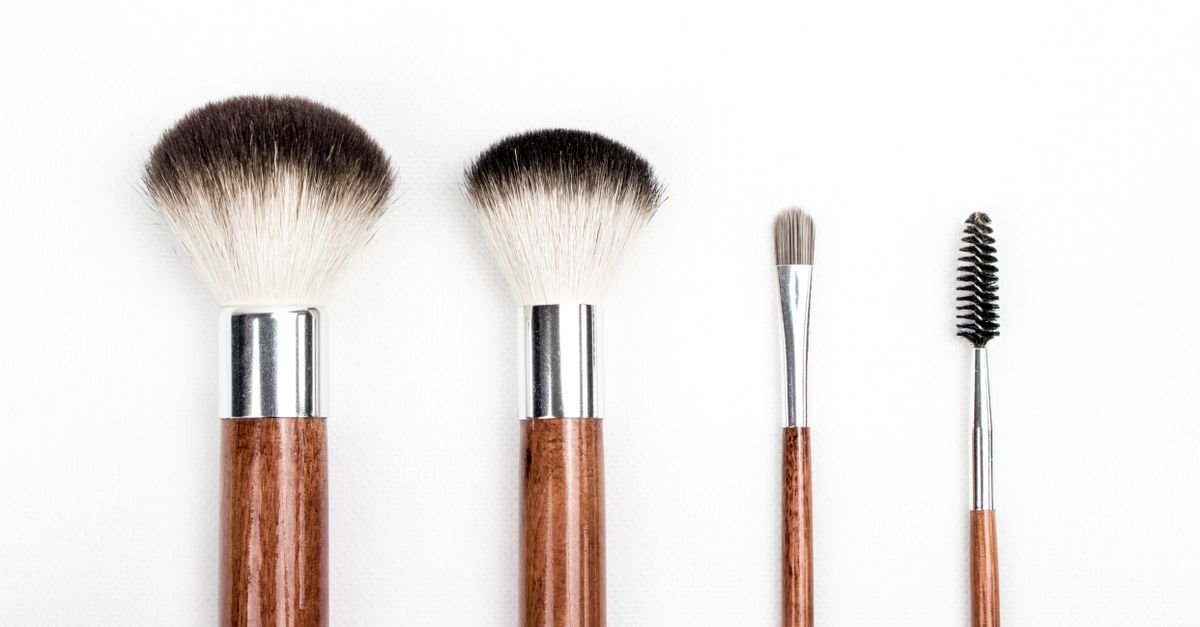
Nothing exotic required. Baby shampoo is the classic for good reason: it cleans oils gently without stripping natural-hair bristles. Dedicated brush soaps (solid pucks) are genuinely convenient — swirl the damp brush on the puck and the lather appears — and many include light conditioners. Gentle unscented dish soap works for heavy silicone-based foundation gunk on synthetic brushes; it’s stronger, so follow with a drop of conditioner on natural hair. For sponges, any of the above plus a real massage — or the microwave-free method below.
Skip: bar hand soaps with heavy fragrance (residue irritates skin), pure alcohol soaks on natural hair (drying and brittle-making — alcohol sprays are for quick-dry spot cleaning of synthetics), and the dishwasher (yes, people ask; no, the glue won’t survive).
The Correct Washing Technique, Step by Step
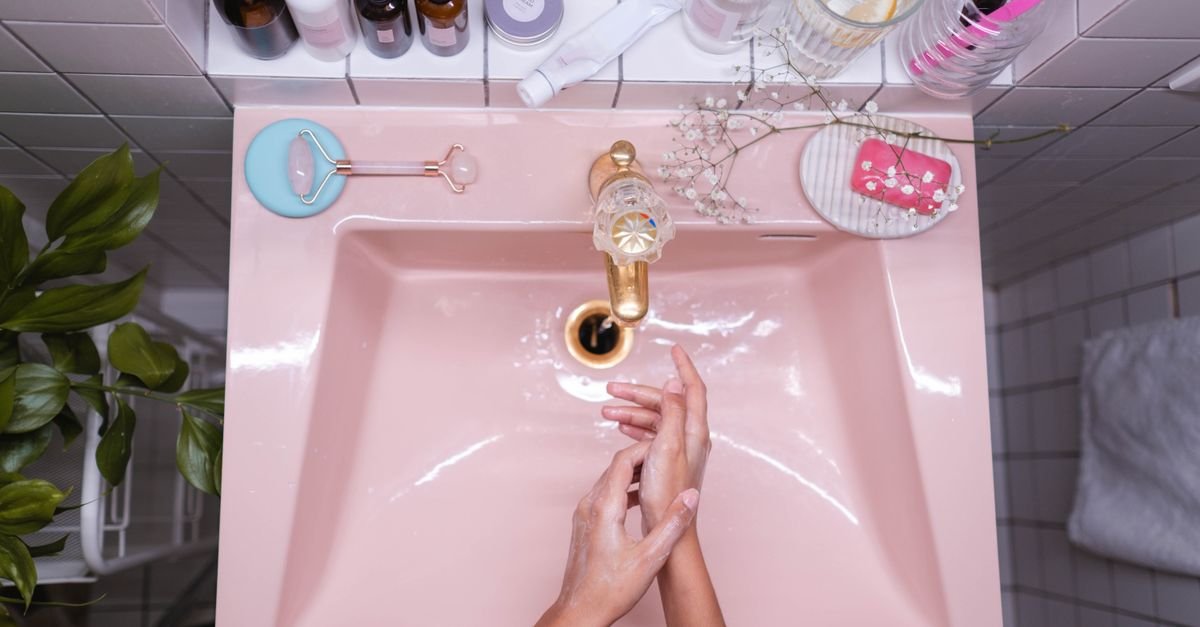
1. Lukewarm water, bristles down. Hold the brush with bristles pointing at the floor under a gentle stream. The prime directive of the entire operation: keep water out of the ferrule — the metal band gluing bristles to handle. Water wicked up into the ferrule dissolves adhesive over repeated washes; that’s where shedding brushes and wobbly heads come from, not from “cheap” brushes.
2. Lather in your palm or on a mat. A drop of soap in the palm, swirl the damp brush in gentle circles — a textured silicone brush mat speeds this up dramatically for a whole collection. Watch weeks of foundation cloud out; repeat until the lather runs white.
3. Rinse, same angle. Bristles down, gentle stream, until water runs perfectly clear. Any milkiness left in the base becomes tomorrow’s streaks.
4. Squeeze, don’t wring. Press bristles gently between fingers or a clean towel, then reshape the head to its original silhouette with your fingers — this thirty-second habit is why some brushes hold their shape for a decade.
Drying: Where Good Brushes Go to Die
The drying mistake that outkills all others: standing wet brushes upright in a cup. Gravity drains every drop straight into the ferrule — glue-dissolving, mildew-friendly, and completely invisible until bristles start shedding. The right ways: flat on a towel at a counter edge with heads hanging slightly off (airflow on all sides), or better, hanging bristles-down in a drying rack or rubber-banded to a hanger. Overnight is the realistic timeline; dense foundation brushes may want 24 hours.
Never dry with a hairdryer on heat (frizzes natural hair, warps synthetic), never on a radiator, and never sealed in a drawer while damp — damp-dark-enclosed is a mildew recipe. If a brush ever smells musty after drying, rewash it; if the smell survives a second wash, retire it without negotiation.
Sponge Rules (They’re Different)
Makeup sponges are used damp, stored damp-ish, and made of foam — effectively a petri dish with an ergonomic shape, which is why their schedule is stricter. Deep-clean with soap massaged through under running water until squeezes run clear (a solid soap puck excels here), let it dry in open air — never a makeup bag — and replace sponges every one to three months regardless of care; foam degrades and traps residue permanently. Cracked, crumbling, or permanently stained sponges are done. The sponge vs brush comparison covers when each tool earns its place.
Quick Maintenance Between Deep Cleans
Two habits stretch the weekly wash: the dry wipe — swirl powder brushes on a clean towel after use to shed excess pigment; and quick-dry spray cleaners — an alcohol-based spritz on a tissue, swipe the brush until clean; ideal for eye-shade changes and mid-week foundation-brush refreshes. Neither replaces washing — sprays sanitize the surface but don’t lift the oil deep in the bristle base — but they keep the collection civilized between Sundays.
Storage and the Long Game
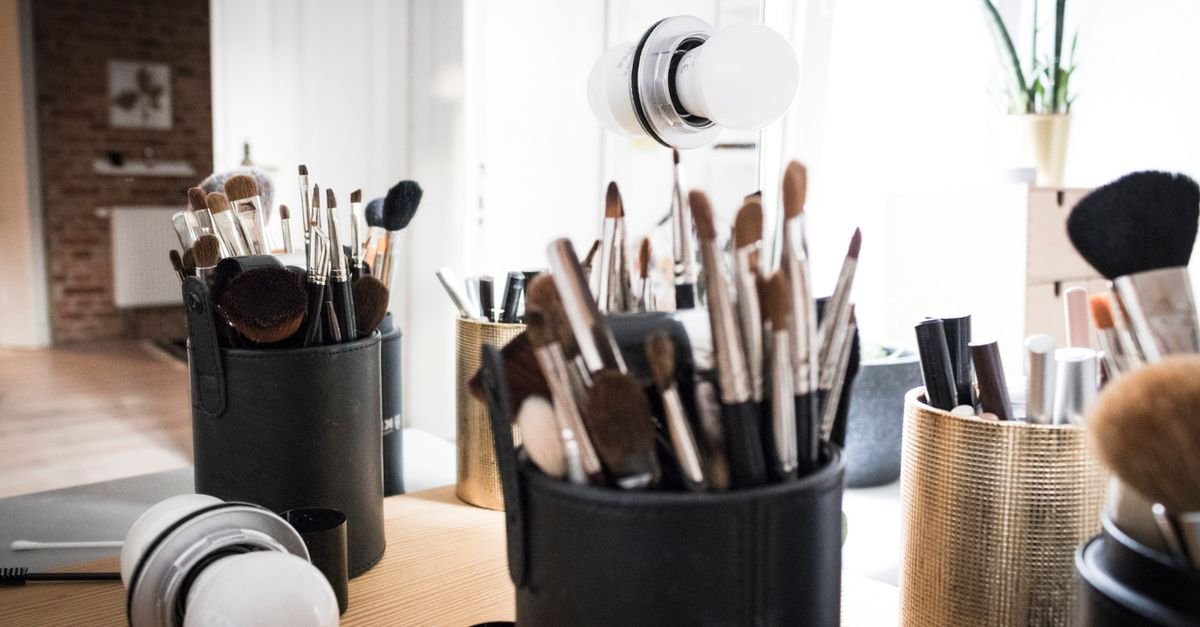
Store dry brushes upright in an open cup (upright is fine after drying) or in a stand with the heads uncrowded — crushed bristles take a set, exactly like slept-on hair. Traveling: a brush roll or case with the heads protected, and never zip a damp brush into anything. Well-washed synthetic brushes genuinely last years; natural-hair brushes last longer still with the conditioner trick. When shedding begins in earnest or the shape won’t recover, replacement time — our brush set guide covers rebuilding a kit affordably. And a clean-brush collection makes every technique easier — the beginner application guide assumes tools that actually deposit what they’re asked to.
Cleaning the Rest of the Kit While You’re At It
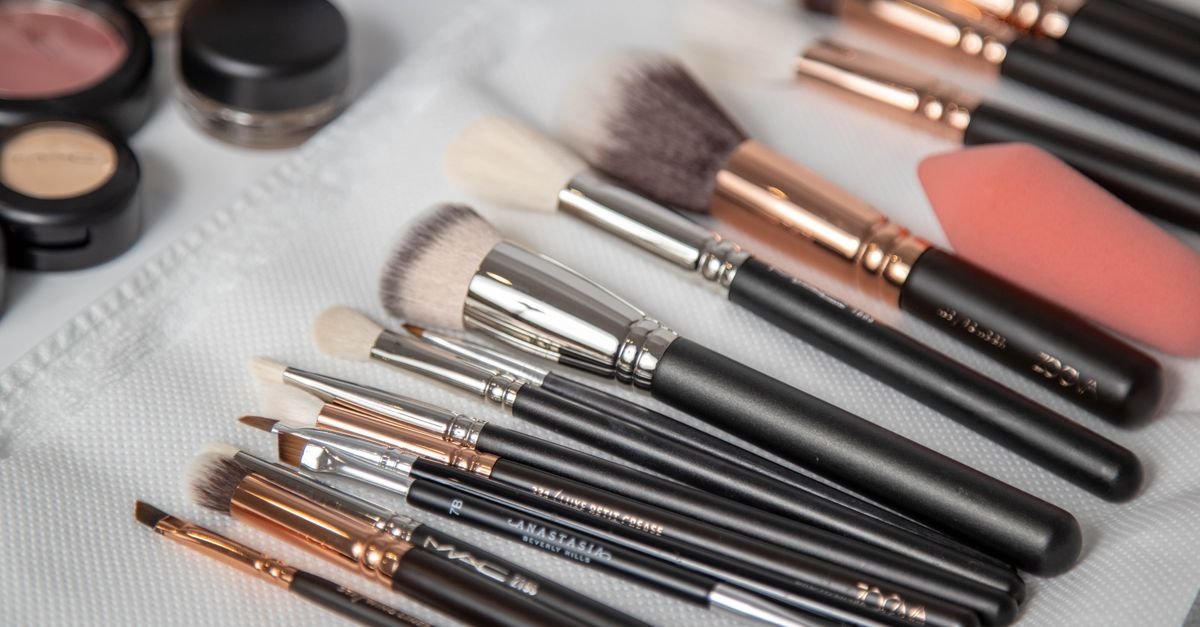
Brush day is the natural moment to sweep the whole hygiene perimeter. Eyelash curlers collect mascara and lid oil on the pad — a weekly alcohol wipe, and replace the rubber pad when it cracks. Pencil sharpeners get an alcohol-dipped cotton swab; a dirty sharpener re-contaminates every liner it touches. Metal spatulas and palettes (if you depot or mix) wipe clean with alcohol in seconds. The makeup bag itself deserves a monthly turn-out and wipe-down — loose powder and shattered shadow in the seams coat everything that travels there. And the product hygiene rules that pair with clean tools: sharpen liners regularly, never add water to revive dried mascara (three months and it retires), and stop dipping fingers in jars — the spatula exists for exactly that. Clean tools plus clean products is the full circuit; either one alone leaves the loop open.
The Realistic Weekly Ritual
Pick the same slot weekly — Sunday evening is the folk tradition — and make it a ten-minute ritual: face brushes and the sponge every week, eye brushes on alternating weeks, everything laid out on a towel overnight, reshaped and ready Monday. Set a recurring phone reminder for the first month; after that it’s muscle memory. Your foundation will apply noticeably better on Monday than it did on Saturday — the cheapest “makeup upgrade” in the entire beauty routine is a clean tool.
Natural vs Synthetic Bristles: Different Care Rules
Know which you own, because they wash differently. Synthetic bristles (taklon, nylon — the vast majority of modern brushes, and everything vegan) are non-porous: they release product easily, tolerate stronger soaps and alcohol sprays, and dry faster. Natural-hair brushes (squirrel, goat — mostly high-end powder brushes) are genuinely hair: porous, product-hoarding, and prone to drying out. They want the gentlest soap you own, an occasional drop of hair conditioner worked through and rinsed, and never an alcohol soak.
Quick identification if the label’s long gone: natural hair usually feels softer-but-fluffier, holds more powder, and darkens dramatically when wet; synthetics feel sleeker and shed water fast. When in doubt, treat it as natural — gentle care harms neither.
Deep-Clean Day: The Whole-Collection Workflow
Washing fifteen brushes one at a time is how the habit dies. The batch method: fill a shallow bowl with lukewarm water and a squeeze of brush soap; give each brush a five-second palm-swirl pre-wash in the bowl (bristles down!), park them on a towel; then a quick individual rinse-and-check under the tap, squeeze, reshape, and lay out the full parade. Fifteen brushes lands around fifteen minutes with a podcast — and the bowl water’s color change is its own motivation to never skip a month again.
Sponges join the same session: soap massage, squeeze-rinse until clear, and an open-air spot on the towel line.
When to Retire a Brush
Even beloved tools age out. Retirement signals: shedding that survives two washes (ferrule glue is gone — no fix), splayed bristles that reshaping can’t recover (application goes streaky no matter the technique), a musty smell that returns after washing (colonized foam or ferrule — non-negotiable), and scratchiness that wasn’t there before (broken bristle tips irritating skin). Old face brushes get a second life as craft, cleaning, or dusting tools; anything that’s touched an eye infection, however, goes straight in the bin, along with every eye product used during the infection week — the one hygiene rule with no thrift exception.
The tiny toolkit that makes it effortless:
The tiny toolkit that makes it effortless:
Frequently Asked Questions
How often should you clean makeup brushes?
Foundation and concealer brushes weekly, powder face brushes every one to two weeks, eye brushes every one to two weeks (or between different shades), and sponges every few uses. Anything shared gets washed before returning to your face.
What can I use to clean makeup brushes at home?
Baby shampoo, a dedicated brush soap puck, or gentle unscented dish soap for heavy foundation buildup — with lukewarm water. No special machine required; a textured silicone mat speeds things up for big collections.
Why are my brushes shedding after washing?
Almost always water in the ferrule — the metal band whose glue dissolves when brushes are rinsed bristles-up or dried standing upright. Wash and rinse bristles-down and dry flat or hanging bristle-down.
Can dirty makeup brushes cause acne?
Yes — accumulated oil and bacteria re-deposit on skin with every use, a classic overlooked factor in breakouts along the cheeks and jawline. If stubborn spots track where your foundation brush travels, wash the brush and watch.
How do I dry makeup brushes overnight?
Flat on a towel with heads hanging slightly off the counter edge, or bristles-down in a drying rack. Never upright in a cup while wet, never with heat, and never sealed away damp.
How often should I replace my makeup sponge?
Every one to three months even with good washing — foam degrades and permanently traps residue. Replace immediately if it cracks, crumbles, smells musty after cleaning, or stays stained.
Do brush cleaning sprays actually work?
As between-wash maintenance, yes — alcohol-based sprays sanitize the surface and remove pigment for quick shade changes. They don’t lift the oil deep in the bristle base, so they supplement weekly washing rather than replace it.


 Adhorika Khan