 Adhorika Khan
Retinol is a vitamin A derivative widely considered the gold-standard ingredient for smoother, firmer, clearer skin — it speeds up cell turnover and boosts collagen, softening fine lines, fading dark spots, and helping with acne. The golden rules: start low and slow, use it at night, and always wear sunscreen the next day. This complete guide explains what retinol is, what it does, how to introduce it without irritation, the side effects to expect, who should avoid it, and how to choose the right strength.
Few skincare ingredients have as much research behind them as retinol. Dermatologists recommend it for everything from early aging to stubborn breakouts. But it’s also one of the most misused ingredients — too much, too soon leads to redness, flaking, and frustration. Used correctly and patiently, retinol genuinely transforms skin over months. Here’s how to get the results without the irritation.
What Is Retinol?
Retinol is a type of retinoid — a family of vitamin A derivatives used in skincare. When applied, your skin converts retinol into retinoic acid, the active form that communicates with skin cells to renew themselves faster and produce more collagen. It’s available over the counter in serums and creams, making it the most popular and accessible retinoid for home use. Stronger prescription retinoids (like tretinoin) work faster but cause more irritation; retinol offers a gentler, gradual path to similar benefits, which is why it’s the go-to starting point for most people.
What Retinol Does for Your Skin
Retinol is a true multitasker, which is why dermatologists love it. With consistent use it can:
- Soften fine lines and wrinkles by boosting collagen
- Improve skin texture and smoothness
- Fade dark spots, sun damage, and uneven tone
- Unclog pores and reduce breakouts
- Minimize the look of enlarged pores
- Give skin a fresher, more radiant appearance over time
The catch is patience: real results take 8–12 weeks or longer of regular use. Retinol is a long game, not a quick fix — but few ingredients reward consistency so well.
Retinoids Explained: Retinol vs. Retinaldehyde vs. Tretinoin
The retinoid family can be confusing, so here’s the hierarchy from gentlest to strongest. Retinyl esters (like retinyl palmitate) are the mildest and best for very sensitive skin. Retinol is the popular middle ground — effective and available over the counter. Retinaldehyde (retinal) is a step stronger than retinol but still gentle, converting to retinoic acid faster. Tretinoin (retinoic acid) and other prescription retinoids are the strongest and fastest-acting, but require a doctor and cause more irritation. Beginners should start with retinol or retinaldehyde and only consider prescription strength with a dermatologist’s guidance.
How to Start Using Retinol (Without the Irritation)
The most important part of using retinol is easing in slowly. Here’s the safe approach:
- Start with a low strength — around 0.2%–0.3% for beginners.
- Use it once or twice a week at first, gradually building to every other night, then nightly as your skin adjusts.
- Use a pea-sized amount for your whole face — more is not better.
- Apply to dry skin at night, and follow with moisturizer.
- Try the “sandwich” method if you’re sensitive — moisturizer, then retinol, then moisturizer again to buffer it.
This gradual introduction lets your skin build tolerance and dramatically reduces the redness and flaking that make people quit. Patience now means smooth sailing later.
Retinol Purging and Side Effects
When starting retinol, some irritation is normal — dryness, flaking, redness, and mild sensitivity as your skin adjusts (often called the “retinol uglies”). You may also experience “purging,” where breakouts temporarily increase as cell turnover speeds up and clogged pores surface faster; this usually settles within a few weeks. To minimize discomfort, go slow, moisturize well, and don’t combine retinol with other strong actives at first. If you get severe burning, peeling, or swelling, stop and consult a professional — that’s irritation, not normal adjustment.

How to Use Retinol in Your Routine
Retinol is a nighttime ingredient, since it can be deactivated by sunlight and increases sun sensitivity. A simple PM routine: cleanse, (optional toner/essence), apply a pea-sized amount of retinol to dry skin, then moisturize. Apply it before heavier creams and oils. Keep the rest of your routine gentle while your skin adjusts, and introduce only one new active at a time so you can tell what’s working. In the morning, focus on hydration, antioxidants, and — most importantly — sunscreen.
What Not to Mix With Retinol
Layering retinol with the wrong actives can overwhelm your skin. Generally, avoid using retinol in the same routine as strong exfoliating acids (AHAs/BHAs) or benzoyl peroxide, which can cause excess irritation (and benzoyl peroxide can deactivate some retinols). Vitamin C is best used in the morning and retinol at night rather than layered together. If you want to use multiple actives, alternate them on different nights instead of piling them on. When in doubt, keep your retinol nights simple — retinol plus a good moisturizer is plenty.
Retinol and Sunscreen: Non-Negotiable
Because retinol increases your skin’s sensitivity to the sun and the sun can reduce its effectiveness, daily sunscreen isn’t optional when you use retinol — it’s essential. Skipping SPF while using retinol can lead to more irritation, sun damage, and undo the very benefits you’re working toward. Apply a broad-spectrum SPF 30 or higher every morning without fail. For a full breakdown, see our complete guide to sunscreen and SPF. Think of retinol (at night) and sunscreen (by day) as a partnership — neither works as well without the other.
Choosing the Right Retinol Strength
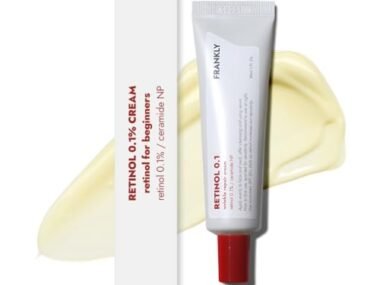
Retinol strengths typically range from about 0.1% up to 1%. Beginners should start low (0.2%–0.3%) to build tolerance, then work up over months if needed. Higher percentages (0.5%–1%) suit experienced users with resilient skin chasing stronger anti-aging results, but they aren’t automatically “better” — they just increase the risk of irritation. Consistency at a tolerable strength beats a high percentage you can only use occasionally. For guidance, see our picks for the best retinol creams for beginners and our guide to retinol creams for beginners, plus a gentle beginner retinol serum to start.
Retinol by Skin Type
Your skin type shapes how you use retinol. Dry or sensitive skin should start with the lowest strength, use the sandwich method, and moisturize generously — retinaldehyde or encapsulated retinol can be gentler. Oily and acne-prone skin often tolerates retinol well and benefits from its pore-clearing effects; gel or lightweight serum textures work nicely. Mature skin can work up to higher strengths over time for collagen support. Combination skin can adjust frequency by area. Whatever your type, the start-low-and-slow rule still applies. A gentle retinol for sensitive skin is a smart first buy for reactive skin.
Retinol and Hydration
Pairing retinol with hydrating, barrier-supporting ingredients makes the whole experience smoother. Ingredients like hyaluronic acid, glycerin, ceramides, and niacinamide help counteract dryness and strengthen the skin barrier, reducing irritation. Many people layer a hydrating serum or use a rich moisturizer alongside their retinol. See our guides to the best hyaluronic acid serum and best niacinamide serums for great supporting players. Keeping your skin well-hydrated is one of the simplest ways to use retinol comfortably and consistently.
Who Should Avoid Retinol
Retinol isn’t for everyone. It’s generally advised to avoid retinol during pregnancy and breastfeeding — talk to your doctor about pregnancy-safe alternatives like azelaic acid or bakuchiol. People with very reactive skin conditions (like active eczema or rosacea flares) should be cautious and consult a professional. If your skin barrier is currently damaged or irritated, heal it first before introducing retinol. When in doubt, a quick chat with a dermatologist will tell you whether retinol is right for you and at what strength.
Bakuchiol: A Gentler Alternative
If retinol is too harsh for you, or you’re pregnant, bakuchiol is a plant-based ingredient often called a “natural retinol alternative.” Research suggests it offers some similar benefits — smoothing and evening the skin — with far less irritation, and it can be used morning or night. It’s not identical to retinol in strength, but it’s a gentle option for sensitive skin or anyone who can’t use retinoids. Many people also pair bakuchiol with retinol to improve tolerance.
Common Retinol Myths
A few myths cause confusion. “Retinol thins the skin” — actually the opposite; it thickens the deeper, collagen-rich layers over time. “You can’t use retinol in summer” — you can, as long as you’re diligent with sunscreen. “More is better” — overusing retinol just irritates skin and slows progress. “Results are immediate” — they take months of consistency. “Retinol is only for older skin” — many start in their 20s for prevention and acne. Letting go of these myths helps you use retinol confidently and correctly.
Common Mistakes to Avoid
The biggest retinol mistakes are starting too strong or too often (causing irritation that makes people quit), skipping sunscreen, layering it with too many other actives, applying too much, and giving up before the 8–12 weeks it takes to see results. Others include using it on damp skin (which can increase irritation for some) and not moisturizing enough. Avoid these, respect the start-low-and-slow approach, and retinol becomes one of the most rewarding ingredients in your routine. It pairs beautifully with a gentle base routine like Korean skincare.
How Retinol Works (The Science)
Retinol works by communicating directly with your skin cells. Once converted to retinoic acid, it binds to receptors that tell cells to turn over faster — shedding old, dull, damaged cells and bringing fresh ones to the surface. At the same time, it stimulates fibroblasts to produce more collagen and elastin, the proteins that keep skin firm and smooth. It also helps regulate oil and keep pores clear. This is why retinol improves so many concerns at once: it isn’t targeting a single symptom, it’s improving how your skin renews and rebuilds itself at a fundamental level. That cell-level action is also why results take time and why consistency matters so much.
Retinol for Acne
Retinol isn’t just an anti-aging ingredient — it’s one of the most effective tools against acne. By speeding up cell turnover and keeping pores clear of the dead skin and oil that cause clogs, it helps prevent the blackheads, whiteheads, and breakouts that form in congested pores. Over time it also fades the dark marks and uneven texture left behind by old breakouts. For acne-prone skin, a lightweight retinol serum used consistently (alongside gentle cleansing and sunscreen) can make a real difference — just expect a possible purging phase early on as clogged pores clear out faster than usual.
Retinol for Anti-Aging and Wrinkles
For aging concerns, retinol is the most research-backed over-the-counter ingredient available. Its collagen-boosting action gradually softens fine lines and wrinkles, improves firmness, and smooths crepey texture, while its cell-renewal effect fades sun spots and brightens dull skin. It won’t replace in-office procedures for deep wrinkles, but for prevention and gradual improvement it’s unmatched among home-care ingredients. Starting retinol in your late twenties or thirties for prevention, and continuing into later decades for correction, is one of the smartest long-term investments you can make in your skin.
When Should You Start Using Retinol?
There’s no single right age, but many people begin in their mid-to-late twenties or early thirties, when collagen production starts to slow — using it as a preventive measure. That said, retinol is also used earlier specifically for acne, under appropriate guidance. The key isn’t your age but your skin’s readiness: a healthy, intact barrier and a gentle starting strength. If you’re younger and mainly concerned with prevention, you can ease in slowly; if you’re older and new to retinol, the same start-low-and-slow approach applies. It’s rarely “too late” to benefit.
How Long Until You See Results?
Patience is essential with retinol. Most people notice smoother texture and a brighter look within 4–6 weeks, but the bigger benefits — fading dark spots, softening fine lines, and improved firmness — typically take 8–12 weeks or longer of consistent use. Acne improvements may follow an initial purging phase. Because retinol works by gradually rebuilding skin, stopping early means missing the best results. Take “before” photos, stay consistent, and judge progress over months, not days. The slow build is exactly why retinol’s results tend to be genuine and lasting.
Encapsulated & Time-Release Retinol
If you have sensitive skin, look for “encapsulated” or time-release retinol. These formulas wrap the retinol in a delivery system that releases it gradually into the skin, reducing the irritation spike that plain retinol can cause while still delivering benefits. They’re a great way for reactive skin to enjoy retinol with less redness and flaking. Many modern, gentle retinol products use this technology — it’s often worth choosing one of these over a basic formula if comfort is a priority for you.
Retinol for the Eye Area
The skin around the eyes is delicate and prone to fine lines, so it can benefit from retinol — but with extra care. Use a retinol specifically formulated for the eye area, or apply your regular retinol very sparingly and not too close to the lash line. Expect to start even more slowly here, as this thin skin irritates easily. A dedicated retinol eye cream is gentler and designed for the area. As always, pair with diligent sun protection and plenty of hydration.
Retinol for Neck, Chest, and Hands
Your face isn’t the only area that shows aging — the neck, chest (décolletage), and hands are often neglected yet reveal sun damage and crepiness over time. You can extend your retinol routine to these areas, again starting slowly since neck and chest skin can be sensitive. Apply any leftover retinol from your face downward onto the neck and chest a couple of nights a week, and don’t forget sunscreen on these areas daily. Treating them alongside your face gives a more even, youthful overall result.
How to Store Retinol Properly
Retinol is sensitive to light and air, which can degrade it and reduce its effectiveness. Choose products in opaque, airtight packaging (tubes or pump bottles rather than open jars), keep the lid tightly closed, and store them away from direct sunlight and heat. A cool, dark cabinet is ideal. Proper storage ensures the retinol stays active for as long as possible, so you actually get the benefits you paid for. If a product changes color or smell, it may have oxidized and lost potency.
Prescription vs. Over-the-Counter Retinoids
Over-the-counter retinol is gentle, accessible, and effective for most people’s everyday concerns. Prescription retinoids (like tretinoin or adapalene) are stronger and work faster, making them a good option for stubborn acne or more advanced aging — but they require a doctor’s guidance and cause more irritation, especially at first. Many people start with OTC retinol and only move to prescription strength if they’ve plateaued and their skin tolerates it well. There’s no shame in sticking with OTC retinol long-term; consistency matters more than strength.
Building Tolerance Over Time
Think of retinol like training a muscle — your skin builds tolerance gradually. Start at a low strength and frequency, and as your skin adjusts comfortably over weeks, you can slowly increase how often you use it and, eventually, the strength. If irritation flares, simply scale back for a while and rebuild. There’s no prize for rushing; the people who get the best long-term results are those who progress patiently and never push their skin past what it can handle. Slow and steady genuinely wins with retinol.
Is Retinol Worth It?
For the vast majority of people, yes. Few skincare ingredients are as well-studied or as versatile — retinol genuinely improves lines, texture, tone, and breakouts with consistent use, and it does so affordably compared to in-office treatments. The only real “cost” is patience and a careful introduction. If you commit to starting slowly, moisturizing, wearing daily sunscreen, and giving it a few months, retinol is one of the highest-return additions you can make to a skincare routine. It earns its gold-standard reputation.
Key Takeaways
- Retinol is a vitamin A derivative that smooths lines, evens tone, clears pores, and boosts collagen.
- Start low (0.2%–0.3%), go slow (1–2x a week, building up), use a pea-sized amount at night.
- Expect some adjustment (dryness, purging) — moisturize well and be patient for 8–12 weeks.
- Always wear sunscreen daily; don’t layer retinol with strong acids or benzoyl peroxide at first.
- Avoid during pregnancy/breastfeeding — consider bakuchiol as a gentle alternative.
Frequently Asked Questions
What does retinol do for your skin?
Retinol speeds up cell turnover and boosts collagen, which softens fine lines, improves texture, fades dark spots, unclogs pores, and helps with acne. Results build over 8–12 weeks of consistent use.
How do I start using retinol without irritation?
Start with a low strength (0.2%–0.3%), use it once or twice a week, apply a pea-sized amount to dry skin at night, and follow with moisturizer. Build up frequency slowly as your skin adjusts.
Can I use retinol every night?
Eventually, yes — once your skin has built tolerance over several weeks. Start with one or two nights a week and increase gradually. Some sensitive skin types do best at two to three nights a week long-term.
Do I need sunscreen when using retinol?
Absolutely. Retinol increases sun sensitivity, so daily broad-spectrum SPF 30+ is essential — both to protect your skin and to preserve retinol’s benefits.
Can I use retinol while pregnant?
No — retinol and other retinoids are generally advised against during pregnancy and breastfeeding. Speak to your doctor about safer alternatives like bakuchiol or azelaic acid.
What should I not mix with retinol?
Avoid combining retinol with strong AHAs/BHAs or benzoyl peroxide in the same routine, and use vitamin C in the morning rather than layered with retinol. Alternate strong actives on different nights instead.
How long does retinol take to work?
You may see smoother, brighter skin in 4–6 weeks, but fading dark spots and softening lines usually takes 8–12 weeks or more of consistent use. Retinol rewards patience.
Is prescription retinoid better than over-the-counter retinol?
Prescription retinoids are stronger and faster but more irritating and need a doctor. OTC retinol is gentle, effective, and enough for most people. Consistency matters more than strength.
Can beginners use retinol?
Yes — beginners should simply start with a low strength once or twice a week, use a pea-sized amount at night, moisturize, and build up slowly. Daily sunscreen is essential from day one.
Health note: this guide is for general information and isn’t medical advice. Retinoids can interact with skin conditions and aren’t suitable during pregnancy — please consult a dermatologist for personalized advice.

 Adhorika Khan