Adhorika Khan
To choose the best moisturizer, consider your skin type and the ingredients. Seek formulas that address your specific skin concerns.
Selecting an ideal moisturizer is a critical step in any skincare routine. Your skin type—oily, dry, combination, or sensitive will guide your choice. Ingredients play a pivotal role; for dry skin, look for hydrating heroes like hyaluronic acid and glycerin. Oily skin benefits from lightweight, non-comedogenic options that won’t clog pores.
Sensitive skin demands hypoallergenic and fragrance-free products to minimize irritation. The climate you live in can also influence your selection; heavier creams suit colder, drier climates, whereas lighter lotions are preferable in humid conditions. Remember, the best moisturizer not only hydrates but also protects the skin barrier, ensuring long-term skin health.
Table of Contents of How to Choose the Best Moisturizer
Introduction To Moisturizers
Moisturizers are key to any skin care routine. They keep skin hydrated, soft, and supple. With countless options, selecting the right one can seem daunting. Understanding moisturizers is the first step to finding your perfect match.
The Role Of Moisturizers In Skin Care
Moisturizers do more than just hydrate. They protect the skin barrier, prevent dryness, and can deliver nutrients. Daily use helps maintain skin health and appearance.
Different Types For Various Skin Needs
- Oily Skin: Lightweight, oil-free options work best.
- Dry Skin: Look for rich creams with humectants and emollients.
- Combination Skin: Balancing moisturizers that regulate oil are ideal.
- Sensitive Skin: fragrance-free and hypoallergenic formulas are a must.
- Ageing Skin: Products with antioxidants and retinol can be beneficial.
Credit: www.vanicream.com
Identifying Your Skin Type
Finding the right moisturizer starts with knowing your skin. Your skin type dictates which products will work best. This guide helps you identify your skin type for an ideal skincare routine.
The Four Main Skin Types
- Normal Skin: Balanced and even-toned
- Dry Skin: Flaky, itchy, or rough
- Oily Skin: Shiny and prone to breakouts
- Combination Skin: Dry in some areas, oily in others
Why Knowing Your Skin Type Matters
Effective skincare hinges on using the right products. Your skin type determines the moisturizer’s texture and key ingredients. Identify your skin type for a tailored skincare routine that works.
Ingredients Matter
Ingredients matter a lot in choosing the best moisturizer. What’s inside counts for your skin’s health and glow. Let’s dive into the specifics.
Key Ingredients For Hydration
- Hyaluronic Acid: Pulls water into the skin.
- Glycerin: Helps skin feel softer and smoother.
- Ceramides: Keep skin’s barrier strong and hydrated.
- Aloe Vera soothes and moisturizes the skin.
These ingredients help keep your skin hydrated and happy. Look for them on labels.
Ingredients To Avoid
Some ingredients can harm your skin. It’s best to avoid them.
| Ingredient | Why to Avoid |
|---|---|
| Alcohol | Dries out skin. |
| Fragrances | Can cause irritation and allergies. |
| Parabens | May disrupt hormone balance. |
| Sulfates | Strip skin of natural oils. |
Always read labels to keep your skin safe and healthy.
Credit: www.pinterest.com
The Importance of SPF
The importance of SPF cannot be overstated when selecting a moisturizer. Sun protection factor (SPF) shields your skin from harmful UV rays. These rays can cause sunburn, premature aging, and even skin cancer. A moisturizer with SPF ensures daily protection without extra effort.
Protecting Skin From Sun Damage
UV rays damage the skin in many ways. They can cause:
- Early signs of aging like wrinkles and fine lines
- Dark spots and uneven skin tone
- Increased risk of skin cancer
Using moisturizer with SPF every day helps prevent these issues. It acts as a shield, keeping your skin healthy and youthful.
Spf-infused Moisturizers
Choosing an SPF-infused moisturizer can be simple. Look for:
- Broad-spectrum protection to guard against both UVA and UVB rays
- An SPF of at least 30 for daily use
- A formula that matches your skin type (oily, dry, combination)
A good SPF moisturizer feels light on the skin and doesn’t clog pores. It should blend well without leaving a white cast. For sensitive skin, opt for mineral-based options. These are less likely to irritate.
Remember, applying a moisturizer with SPF is a step towards healthy skin. Make it part of your daily skincare routine. Your skin will thank you!
Reading Labels And Understanding Claims
Choosing the right moisturizer is key to skin health.
Reading labels and understanding claims can be tricky.
Here’s how to navigate the world of skincare marketing.
Deciphering Marketing Terms
Skincare products often come with eye-catching phrases.
Words like “non-comedogenic” or “hypoallergenic” promise specific benefits.
These terms suggest the product won’t clog pores or cause allergies.
Yet, they are not always backed by strict standards.
Research is essential to confirm these claims.
Certifications And Endorsements
Logos and seals on packaging indicate certifications.
They can tell you if a product is organic, cruelty-free, or vegan.
Look for trusted certifications like USDA Organic or Leaping Bunny.
Endorsements from dermatologists add credibility to a moisturizer.
They show that skin care experts recognize the product’s value.
Moisturizers And Skin Sensitivities
Moisturizers and skin sensitivities require special attention. Not all creams suit every skin type. It’s crucial to choose wisely to avoid irritation. This section guides you through selecting the best moisturizer for sensitive skin. Learn to perform patch tests for safety. Keep your skin happy and healthy.
Choosing Products For Sensitive Skin
People with sensitive skin must be cautious. Look for products labeled “hypoallergenic.” These are less likely to cause reactions. Fragrance-free options are also key. They minimize the risk of irritation. Stick to simple, soothing ingredients. Avoid harsh chemicals and alcohol in moisturizers. Always read labels carefully. Bold ingredients may cause sensitivity.
- Go for hypoallergenic labels
- Select fragrance-free options
- Avoid harsh chemicals
Patch Testing For Safety
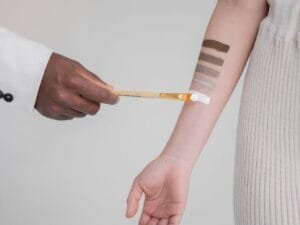
Patch testing is a must-do step. Apply a small amount of moisturizer to your skin. Choose an inconspicuous area, like your forearm. Wait for 24 hours. Look for signs of redness, itching, or swelling. No reaction means the product is likely safe for you. Always patch test before using a new product widely on your skin.
- Apply a small amount to your forearm
- Wait for 24 hours
- Check for adverse reactions
Seasonal Considerations
Seasonal considerations play a pivotal role in skincare. Your skin’s needs change as the weather shifts. This means the moisturizer perfect for one season may not be ideal in another. Understanding how to adjust your skincare routine can protect and nourish your skin year-round.
Adjusting Your Moisturizer With The Seasons
Your skin’s moisture needs vary throughout the year. In warmer months, you may require a lighter formula. Cold weather often calls for a richer, more emollient moisturizer. Listen to your skin and switch products as seasons change.
Summer Vs. Winter Skin Care
- Summer Care: Opt for light, water-based formulas. Your skin needs to breathe and handle increased humidity.
- Winter Care: Choose thick, cream-based moisturizers. They create a barrier that locks in moisture against harsh winds and dry air.
Remember, a moisturizer that works for someone else may not suit you. Always consider your skin type and local climate before making a choice. Switching your skincare with the seasons keeps your skin balanced, healthy, and radiant.
Pro Tips For Application
Knowing how to apply moisturizer correctly can transform your skin. Let’s explore some pro tips for application that will help your skin glow.
Best Practices For Applying Moisturizer
- Start with a clean face. Always wash your skin before moisturizing.
- Use gentle pressure. Softly massage the moisturizer into your skin.
- Don’t forget your neck. Extend the moisturizer down to your neck area.
- Apply on damp skin. This helps lock in hydration effectively.
- Use the right amount. A dime-sized portion usually suffices for the face.
Layering With Other Skin Care Products
- Cleanse. Begin with a clean canvas.
- Tone. Apply toner to balance the skin’s pH.
- Serum. Use any treatment serums next.
- Moisturize. Now, apply your moisturizer.
- Sunscreen. Finish with sunscreen for daytime protection.
Credit: www.youtube.com
Elaborately discuss How to Choose the Best Moisturizer for Your Skin
Choosing the right moisturizer is essential for maintaining healthy, hydrated skin. With countless options available, how do I find the best moisturizer for me?
The answer lies in understanding your skin type, specific concerns, and the product’s ingredients. Let’s explore the factors to consider for various skin types and how to make an informed decision.
What Type of Moisturizer Should I Use?
Your skin type is the most significant factor in determining what type of moisturizer should I use. Each skin type has unique needs, and using the wrong moisturizer can lead to imbalances or adverse effects.
For Oily Skin
Oily skin requires a lightweight, non-comedogenic moisturizer that hydrates without adding excess oil. Gel-based or water-based formulas are excellent choices.
These products are designed to absorb quickly and provide hydration without clogging pores. Look for labels like oily skin face moisturizer or skin moisturizer for oily skin to ensure compatibility.
For Dry Skin
Dry skin benefits from rich, creamy moisturizers that restore hydration and reinforce the skin’s natural barrier. Ingredients like ceramides, shea butter, and hyaluronic acid are essential.
Products marketed as skin moisturizer for dry skin or moisturiser for dry skin deliver long-lasting nourishment and comfort, especially during colder months.
For Combination Skin
Combination skin requires a balanced moisturizer that hydrates without being overly greasy. A top moisturizer for combination skin often contains ingredients that adapt to the skin’s varying needs, such as lightweight hydration for oily areas and deeper moisture for drier zones.
For Sensitive Skin
Sensitive skin needs gentle, fragrance-free formulas to avoid irritation. Opt for products with calming ingredients like aloe vera or chamomile. These moisturizers are often labeled as hypoallergenic or dermatologically tested.
How to Choose a Body Moisturizer
While facial skin has specific needs, the rest of your body also requires hydration. How do I choose a body moisturizer? Start by assessing your skin type and the climate.
- For Normal Skin: Lightweight lotions with glycerin or aloe vera provide sufficient hydration.
- For Dry Skin: Thicker body butters or creams with ingredients like shea butter or oils are ideal for combating dryness.
- For Oily Skin: Look for non-greasy, fast-absorbing lotions that hydrate without leaving a sticky residue.
Body moisturizers should complement your lifestyle. For example, if you’re frequently outdoors, consider one with SPF for added protection.
What Moisturizer Should I Use?
Determining what moisturizer to use involves considering your environment and lifestyle. In humid climates, gel-based moisturizers are ideal as they are lightweight and absorb quickly.
During winter or in dry conditions, switch to richer creams to protect against dehydration. Regardless of the product, consistency is key to maintaining healthy skin.
If you’re unsure what moisturiser to use, start with a product labeled for your skin type or choose a universal moisturizer with hydrating and soothing properties. Brands that cater to diverse skin needs often provide excellent results.
How to Find the Best Moisturizer for Me
Finding the best moisturizer begins with identifying your primary concerns. Do you need something for hydration, oil control, or anti-aging? Look for products with ingredients tailored to those needs.
- For Hydration: Hyaluronic acid and glycerin are excellent for attracting and retaining moisture.
- For Oil Control: Niacinamide and salicylic acid help balance sebum production.
- For Barrier Repair: Ceramides and peptides strengthen the skin’s protective layer.
Testing is another crucial step. Always patch-test new products to ensure they work well with your skin and don’t cause irritation.
What Is the Best Moisturizer for Oily and Dry Skin?
For oily skin, the oily skin face moisturizer you choose should hydrate without contributing to shine. Gel-based formulas with mattifying effects are often the best.
For dry skin, the skin moisturizer for dry skin should be thick and nourishing, ideally containing ceramides or shea butter for barrier repair. Products like moisturiser for dry skin are designed specifically for intense hydration.
What Is the Best Moisturizer for All Skin Types?
When selecting a moisturizer for all skin types, versatility is key. Products with lightweight formulas and ingredients like hyaluronic acid suit various needs. A top moisturizer for combination skin often doubles as an all-purpose moisturizer due to its adaptability. Look for labels such as “suitable for all skin types” for a safe option.
Tips for Choosing a Moisturizer
- Know Your Skin Type: This determines the texture and ingredients your moisturizer should have.
- Check Ingredients: Hydrating ingredients like hyaluronic acid work universally, but those with specific needs should look for ceramides, niacinamide, or peptides.
- Avoid Irritants: Fragrances and alcohols can irritate sensitive skin.
- Adapt to Seasons: Use gel-based products in summer and richer creams in winter.
- Test the Product: Always patch-test new moisturizers to ensure compatibility.
Best Practices for Moisturizing
To get the most out of your moisturizer, follow these tips:
- Apply on Damp Skin: This helps lock in moisture.
- Use Twice a Day: Morning and evening application ensures consistent hydration.
- Don’t Forget SPF: Use a moisturizer with SPF during the day to protect against UV damage.
Choosing the right moisturizer means knowing your skin’s needs. You must match them with the product’s properties.
Whether you’re looking for an oily skin moisturizer, a skin moisturizer for dry skin, or a top moisturizer for combination skin, paying attention to ingredients and texture ensures you get the best results. With proper use and selection, your skin will be hydrated, healthy, and radiant.
Frequently Asked Questions
What Factors Determine The Best Moisturizer?
When choosing the best moisturizer, consider your skin type, ingredients, and the climate you live in. For oily skin, look for lightweight, non-comedogenic formulas. Dry skin benefits from thicker, hydrating ingredients like hyaluronic acid.
How Often Should You Apply Moisturizer?
Apply moisturizer twice daily, in the morning and at night. However, if your skin feels particularly dry or you’re in a harsh climate, you might need to moisturize more frequently to maintain skin hydration.
Can moisturizers reduce signs of aging?
Yes, moisturizers can reduce aging signs if they contain the right ingredients. Look for products with retinoids, peptides, and antioxidants, which can help to diminish wrinkles and improve skin elasticity.
Are Expensive Moisturizers Worth It?
Not necessarily. Expensive moisturizers might offer luxurious ingredients or textures, but affordable brands can provide similar hydration benefits. Focus on the ingredient list and product reviews rather than price alone.
Conclusion of How to Choose the Best Moisturizer
Selecting the right moisturizer can elevate your skincare routine. Remember, your skin’s needs are unique. Review ingredients, consider your skin type, and don’t shy from patch tests. With the right product, your skin will feel nourished and radiant. Make an informed choice and embrace healthy, glowing skin every day.

 Adhorika Khan