 Adhorika Khan
Anti-aging skincare that actually works is a short, unglamorous list: daily sunscreen (the majority of visible aging is UV), a retinoid at night (the most-studied collagen builder in existence), moisture to keep the barrier working, and time measured in months. Everything else on the shelf is either a supporting actor, a comfort purchase, or a story.
This is AdoreVogue’s complete anti-aging guide — the evidence-first master reference that connects every ingredient chapter, honest check, and routine in our aging-well library, written for readers who want results more than promises.
Key Takeaways
- Photoaging — UV damage — drives most visible skin aging; daily broad-spectrum SPF is the highest-yield “anti-aging product” ever made.
- Retinoids are the evidence throne: decades of trials show genuine collagen stimulation. Everything else supports; nothing replaces.
- The proven supporting cast is small: vitamin C mornings, peptides modestly, moisturizers always, gentle acids for texture and tone.
- Collagen creams cannot deliver collagen (the molecule is too large); supplements show modest, industry-funded promise — both are optional, neither is foundational.
- Expression lines, deep folds, and volume loss are professional territory — injectables and in-office treatments, not thicker creams.
- Aging is not a disease; the goal is skin that is healthy, comfortable, and yours — on evidence, not fear.

What Actually Ages Skin (The Mechanism Map)
Two clocks run simultaneously. Intrinsic aging — the genetic one — thins skin slowly, and no cream adjusts it. Extrinsic aging — the environmental one — is where all the leverage lives, and one factor dominates it: cumulative UV exposure, which degrades collagen and elastin, prints pigment, and etches texture. Smoking, sugar-heavy patterns (glycation), chronic sleep debt, and repeated expression each add their line items.
The strategy writes itself from the mechanism: protect against UV daily, stimulate collagen nightly, support the barrier constantly, and let the professionals handle what topicals cannot reach. Four lanes — the whole pillar in one sentence.
Lane One: Protection (Sunscreen Is the Product)
The least exciting sentence in skincare remains its most valuable: broad-spectrum SPF 30+, every morning, re-applied on long outdoor days, prevents more visible aging than every serum on this page combined. Windows count; winter counts; deeper skin tones count (pigment concerns especially — UV re-darkens every mark, per our dark spot guide).
Make it sustainable rather than perfect: a formula you genuinely like, sized to your budget, sitting where you get dressed. The best sunscreen is the one that gets used — and it partners with hats, shade, and sunglasses (squint lines are expression lines with a UV assist).
Lane Two: Stimulation (The Retinoid Chapter)
Retinoids — retinol over the counter, tretinoin and adapalene by prescription or pharmacy — are vitamin-A derivatives that genuinely increase collagen production and cell turnover, with the deepest evidence base in cosmetic dermatology.
The onboarding that prevents the classic quit: start low (0.2–0.3% retinol or adapalene 0.1%), twice weekly at night, moisturizer sandwich for the sensitive, and expect the adjustment weeks — mild flaking is the toll bridge, not the destination. Results compound over three to six months and keep compounding for years.
The non-negotiable pairing: retinoid users wear sunscreen — turnover-fresh skin burns and marks faster. And the scheduling truce: retinoids and strong acids alternate nights rather than sharing them.
Lane Three: The Supporting Cast (Ranked by Evidence)
Vitamin C: the morning antioxidant — brightens, supports collagen chemistry, and partners with SPF against the day’s oxidative load.
Moisturizers: unglamorous and essential — hydrated skin functions better, tolerates actives better, and photographs years kinder. Plumped fine lines are the honest “instant result” in this genre; the occlusive science lives in our petrolatum chapter.
Peptides: modest, credible support — signal molecules with fair evidence for texture and firmness assistance; the honest tour is in our peptides guide.
Gentle acids: texture and tone maintenance — and for sensitive or deeper-toned skin, mandelic acid was practically designed for aging skin that marks easily.
Niacinamide, ceramides, hyaluronic acid: the reliable utility players — barrier, hydration, tone — found across our ingredient dictionary, where every active gets its honest chapter.
Board-certified dermatologist Dr. Dray’s top-five anti-aging ingredients above is the perfect video companion — the same shortlist, argued from the clinic.
The Collagen Question (Settled Honestly)
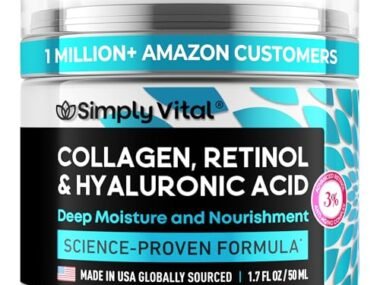
Collagen is the scaffolding protein everyone wants back, and the market sells it three ways. Creams: the molecule is far too large to penetrate — collagen creams are pleasant moisturizers, full stop. Supplements: hydrolyzed peptide trials show modest improvements in small, often industry-funded studies — a fair maybe, never a foundation. Stimulation: the only proven route — retinoids, professional treatments, and UV protection preserving what you have.
The full fair reading — including the “protect and stimulate” plan — lives in our collagen chapter, with the supplement aisle mapped in our supplement roundup.

The Trend Courtroom (Honest Checks on File)
This library road-tests the claims so your budget doesn’t have to. Recent verdicts: face taping — 3/10, temporary splint, real irritation risk, retired by a silk pillowcase; skin icing — 6/10, honest de-puffing, zero structural change; and the gadget shelf — LED, microcurrent, rollers — graded device-by-device in our beauty tools pillar.
The reusable test for every future trend: does the mechanism survive removal? Where are the controlled trials? And what does the same money buy in sunscreen and retinoids? That third question has retired more miracle creams than any regulator.
Decade by Decade (The Calibration Table)
Twenties: sunscreen habit, gentle routine, retinoid optional but a head start. Thirties: retinoid becomes the anchor; vitamin C joins; eye area gets its gentler dosing. Forties: richer moisture as oil production drops; pigment work per the dark-spot playbook; professional consults for expression lines if they bother you. Fifties and beyond: barrier-first formulation everywhere, estrogen-shift dryness answered with richer occlusion, and — honestly — the same four lanes as every decade, at kinder textures.
Men’s skin runs the identical biology with thicker skin and daily shaving as variables — the routine in our men’s guide is the same evidence in a shorter stack.
The Professional Tier (Where Topicals Hand Over)
Expression lines that show at rest, deep folds, volume loss, jowls, and etched sun damage respond to in-office tools — neuromodulators, fillers used judiciously, lasers, peels, microneedling — not to any cream at any price. The honest framing: topicals maintain and prevent; procedures change. A consultation costs less than a quarter of miracle serums, and the good practitioners talk you OUT of things.
Choosing one: board certification, before-and-afters of YOUR concern on YOUR skin tone, and conservative first passes. The “how much experience with my skin tone” question, as always, sorts providers fast.

The Routine, Assembled
Morning: gentle cleanse (or rinse), vitamin C if you run it, moisturizer, sunscreen — four minutes.
Night: cleanse properly (makeup wearers double-cleanse), retinoid OR acid (alternating), moisturizer — richer in winter, with a thin occlusive seal on the dry-skin nights.
Weekly: one gentle exfoliation if texture calls for it; one bland recovery night after every active-heavy stretch.
Monthly: the bare-face window-light photo — the only honest progress meter in a genre where mirrors adapt and marketing gaslights.
The full glowing-skin architecture — cleansing, layering, and the rest of the foundation this page builds on — lives in our companion skincare routine pillar.
The Mindset Section (Deliberately Last, Deliberately Real)
A page like this owes its readers one honest paragraph: aging is not a pathology, and the industry’s fear pricing is optional. The evidence-backed routine above costs modest money and five minutes twice a day; everything beyond it is preference, pleasure, or marketing.
Wrinkles record expressions; the goal was never a face with no history. It is skin that is healthy, comfortable, protected — and photographed in good light by people you like. This library will keep grading the products; you get to keep the perspective.
The Eye Area (A Country With Its Own Laws)
The skin around the eyes is the face’s thinnest, driest, most expressive district — which is why it ages first and why it needs the same actives at diplomatic doses.
The honest eye protocol: sunglasses outdoors (squint lines are the most preventable wrinkle in this article), the retinoid extended to the orbital bone only as tolerance allows — or a dedicated eye-area retinal formula for the sensitive, hydration pressed in with the ring finger (the weakest one, on purpose), and concealer habits from the makeup pillar that never drag.
What eye creams honestly are: moisturizers in small jars, sometimes with caffeine (temporary de-puff — real, brief) or retinoid at eye-appropriate strength. Worth buying when the texture or dosing genuinely differs from your face cream; skippable when only the jar size does. Dark circles get their own honesty: structural and genetic circles outlast every cream — color correct them cosmetically and spend the treatment budget elsewhere.
Neck, Hands, and Chest (Where the Timeline Actually Shows)
The face gets the routine; its neighbors get the tells. The neck: thinner-skinned, oil-poor, and perpetually sun-exposed — extend the sunscreen every morning and the retinoid (at half frequency; necks flake dramatically) at night. The chest: the sleep-crease and sun-spot double zone — SPF when exposed, and the pigment playbook applies. The hands: more casual UV than any facial skin — the dark-spot guide’s hand protocol (SPF re-applied after washing, body-strength retinol at night, occlusive seal) reverses years of the tell within seasons.
The economics of this section are absurd in your favor: the same products already open, swiped two inches further, close most of the gap between a maintained face and its timeline-announcing neighbors.
The Lifestyle Levers (Free, Boring, Load-Bearing)
Topicals work on skin the body builds — and four non-cosmetic levers move that build measurably. Sleep: growth-hormone-driven repair runs on deep sleep; chronic shortage shows in barrier function and shadows before any cream can compensate. Smoking: the second-largest controllable ager after UV — quitting is anti-aging’s biggest single purchase at any price. Sugar and glycation: chronically high blood sugar stiffens collagen via glycation end-products; the boring balanced-diet advice is quietly a collagen policy. And stress: cortisol thins skin and slows healing on a timescale of years — the massage-family tools’ real anti-aging contribution may be this lever, not the lymph.
Alcohol earns its line: the dehydration-inflammation cycle from our party-recovery guide, run weekly for decades, compounds — moderation is a skincare ingredient.
None of this is moralizing; it is budget honesty. A reader running sleep, SPF, and a retinoid outperforms a reader running twelve serums against four unaddressed levers — at a fraction of the spend.
The Complete Routine at Three Budgets
The drugstore build: gentle cleanser, adapalene, plain moisturizer, vitamin C derivative, and the sunscreen you love — the entire evidence core, assembled for less than one department-store serum.
The comfortable middle: same skeleton, upgraded textures — a retinal or prescription retinoid, a stabilized L-ascorbic C, richer night moisture, and the tinted mineral SPF that ends the white-cast excuse.
The professional tier: the middle build PLUS an annual consult — where lasers, peels, microneedling, and injectables live — funded by everything the evidence core just saved. This is the spend-shape the science supports: skinny on serums, honest on staples, decisive on procedures when a specific concern earns one.
Frequently Asked Questions
What actually works for anti-aging?
Four things with deep evidence: daily broad-spectrum sunscreen, a nightly retinoid, consistent moisturization, and professional treatments for what topicals cannot reach. Vitamin C, peptides, and gentle acids support; everything else is optional.
When should I start using anti-aging products?
Sunscreen: childhood onward. Retinoids: any time from the mid-twenties — earlier for acne benefits, later is still worthwhile; collagen stimulation works at every age. The best start date on record remains “now, gently.”
Do collagen creams and supplements work?
Creams cannot deliver collagen — the molecule is too large; they moisturize pleasantly. Supplements show modest improvements in small, often industry-funded trials — a fair experiment, never a substitute for sunscreen and retinoids.
Which is better: retinol or retinoid?
Retinol IS a retinoid — the gentler over-the-counter tier. Prescription tretinoin works faster with more adjustment; adapalene sits usefully between. All three build collagen; consistency matters more than tier.
Can I reverse wrinkles naturally?
Prevention and softening, yes: SPF, retinoids, moisture, sleep position, and not smoking. Erasing established deep lines, no — that is professional territory. Any product promising natural erasure is selling the word “natural,” not the result.
Is expensive anti-aging skincare better?
Price and evidence correlate weakly: the proven actives (retinoids, vitamin C, SPF, moisturizers) all exist at drugstore prices. Spending up buys textures and packaging — legitimate pleasures, distinct from results.
Troubleshooting the Routine (When Good Plans Misbehave)
Retinoid flaking that never settles: dose too high or frequency too ambitious — drop to twice weekly, sandwich with moisturizer, and let tolerance build over a month; the destination is identical, the toll bridge kinder.
Vitamin C stinging or smelling odd: oxidation or a too-low pH for your skin — derivatives (MAP, THD ascorbate) trade some potency for peace, and dark bottles beat droppers left open.
Breakouts after starting actives: purging (small, fast-resolving, in your usual zones) rides out in six weeks; true breakouts (new zones, deep, persistent) mean an occlusion or irritation culprit — audit the richest recent addition.
Nothing visibly changing at month three: normal — the collagen timeline is six months to photograph; hold course and let the monthly photos vote instead of the daily mirror.
Everything irritating at once: barrier debt — two bland weeks (cleanse, moisturize, SPF only), then rebuild one active at a time. The routine that recovers slowly beats the one that never pauses.
Myths Retired in One Paragraph Each
“Drink more water to erase wrinkles”: hydration helps skin function; it does not rebuild collagen — the glass of water is health advice wearing a skincare costume.
“Facial exercises tone the face”: faces wrinkle FROM repeated muscle motion; gymnastics for it is the mechanism in reverse.
“Natural oils replace retinoids”: oils seal beautifully and stimulate nothing — comfort and construction are different trades.
“You can shrink pores”: size is genetic; cleanliness and retinoids improve their look at the margins, and no product owns a tape measure.
“Expensive means effective”: the evidence core is generic and cheap; luxury buys experience — a legitimate purchase when named honestly.
“It’s too late to start”: collagen stimulation and UV protection work at every age on every skin — the best time was twenty years ago; the second-best time survives the cliché because it is true.
Your First 90 Days (The Onboarding Calendar)
Days 1–14: sunscreen every morning — only that. One habit, cemented, is the foundation everything else stands on. Take the baseline photo in window light.
Days 15–30: add the retinoid, twice weekly at night, moisturizer sandwich if skin murmurs. Resist adding anything else; the urge to accelerate is the classic error.
Days 31–60: retinoid to alternate nights as tolerated; vitamin C joins the mornings if you want it. Expect the unremarkable middle — boring is the plan working.
Days 61–90: settle the maintenance rhythm (retinoid three to five nights weekly, one bland recovery night after any irritation), take the day-90 photo, and compare honestly.
What the photos typically show at ninety days: evened tone, softened texture, the newest fine lines quieter — and what they cannot yet show, the collagen dividend, arrives across months four through twelve on the same routine. The calendar’s only rule: one addition at a time, two weeks apart, forever.
Reading Anti-Aging Studies (The Consumer’s Toolkit)
The same three screens from our collagen chapter serve every claim in this genre. Who paid — industry funding does not void results, but a portfolio of only sponsor-funded positives earns matching skepticism. How many, how long — twenty faces for eight weeks is a pilot; look for replication, controls, and split-face designs (the gold standard this field loves). What was measured — instrument elasticity readings can be statistically real and invisible in mirrors; “subjects reported” is softer still; photographs under standardized light are the currency that matters.
Apply the toolkit to this page’s own core and it passes: retinoids and sunscreen carry decades, thousands of subjects, and replication armies — which is precisely why they anchor the routine while everything newer auditions in the supporting cast.
The Shortest Version (For the Reader in a Hurry)
If this entire pillar compresses to a prescription card: SPF 30+ every morning on face, neck, and hands; a retinoid at night, built up patiently; moisturizer always; one photo monthly; a professional consult for anything a cream keeps failing to move; and sleep like it is an ingredient, because it is. That card, run for a year, outperforms ninety percent of what the anti-aging aisle sells — and every sentence above it exists to keep you running it with confidence.
Final perspective: the routine on this page costs minutes and pocket change, works at every age it is started, and asks only consistency in return — which makes patience, not any serum, the most powerful anti-aging ingredient this library has ever reviewed.
The Bottom Line
Anti-aging skincare is four lanes run consistently: protect (SPF daily), stimulate (retinoid nightly), support (moisture always, helpers as suits you), and escalate to professionals for what creams cannot reach.
Every ingredient on this page has its full honest chapter linked in the dictionary; every trend gets its day in the courtroom; and the monthly photo — not the mirror, not the marketing — keeps the score.
Protect and stimulate. The rest is texture preference and time — and time, on this routine, is finally on your side.

 Adhorika Khan